COM CityUHK Distinguished Visiting Professor Lecture: Rigorous and Repeatedly Replicated Communication Science to Challenge Conventional Wisdom
28 Jan 2026 (Wed)
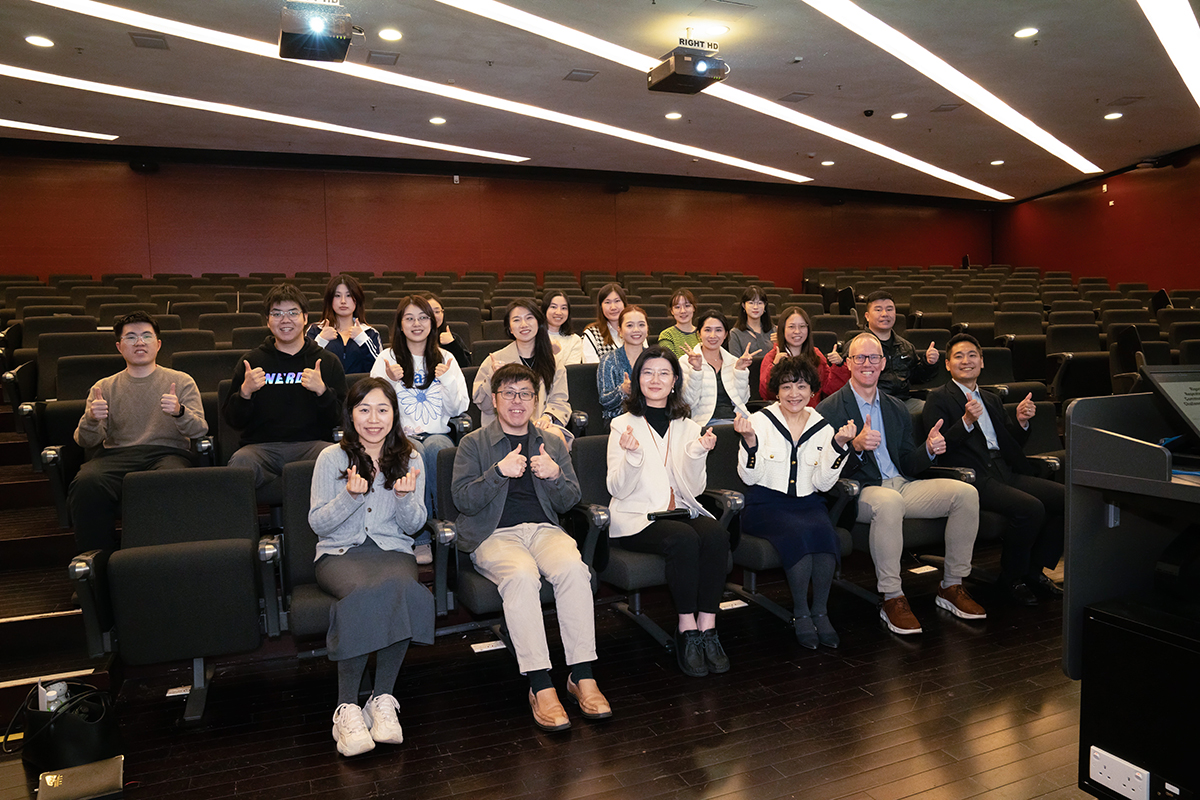
On 26 January 2026, CityUHK COM Distinguished Visiting Professor Jeff Niederdeppe from Cornell University delivered an engaging lecture titled “Rigorous and Repeatedly Replicated Communication Science to Challenge Conventional Wisdom.” He offered valuable insights into advancing knowledge claims and questioning conventional beliefs about the effects of messaging on controversial topics, creating a lively and intellectually enriching discussion.
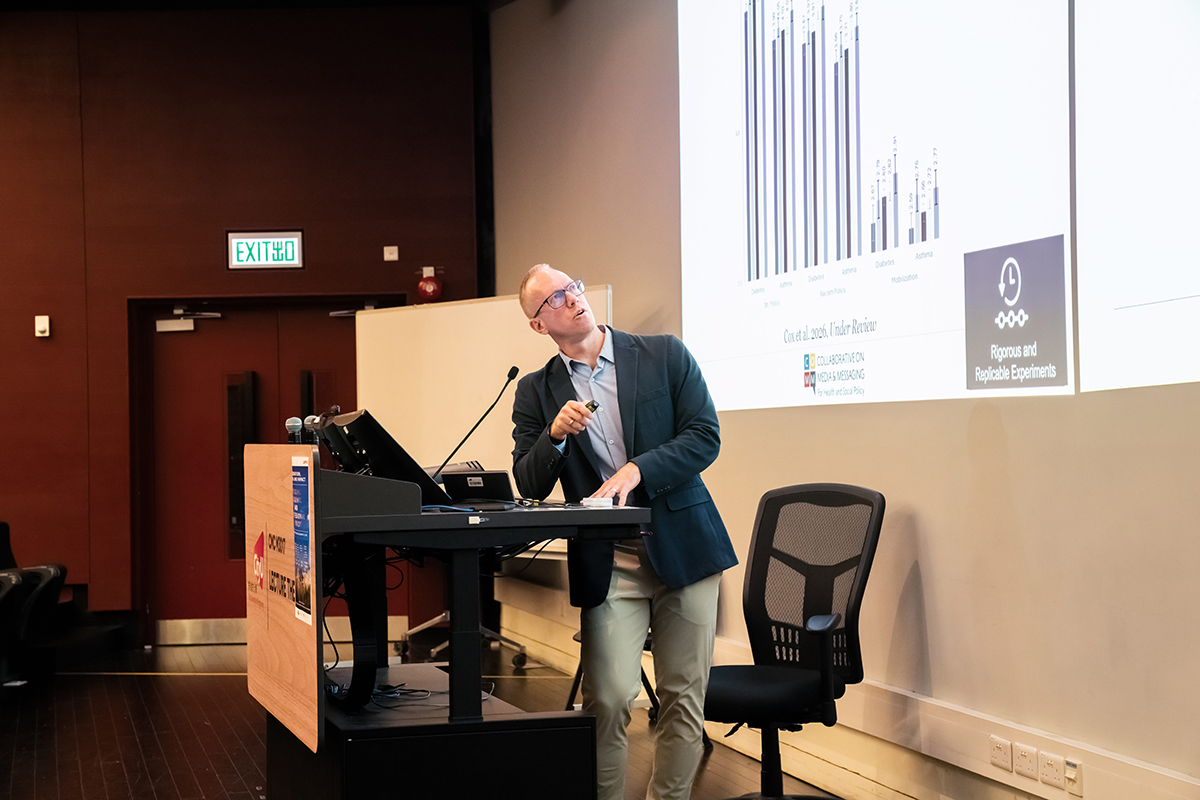
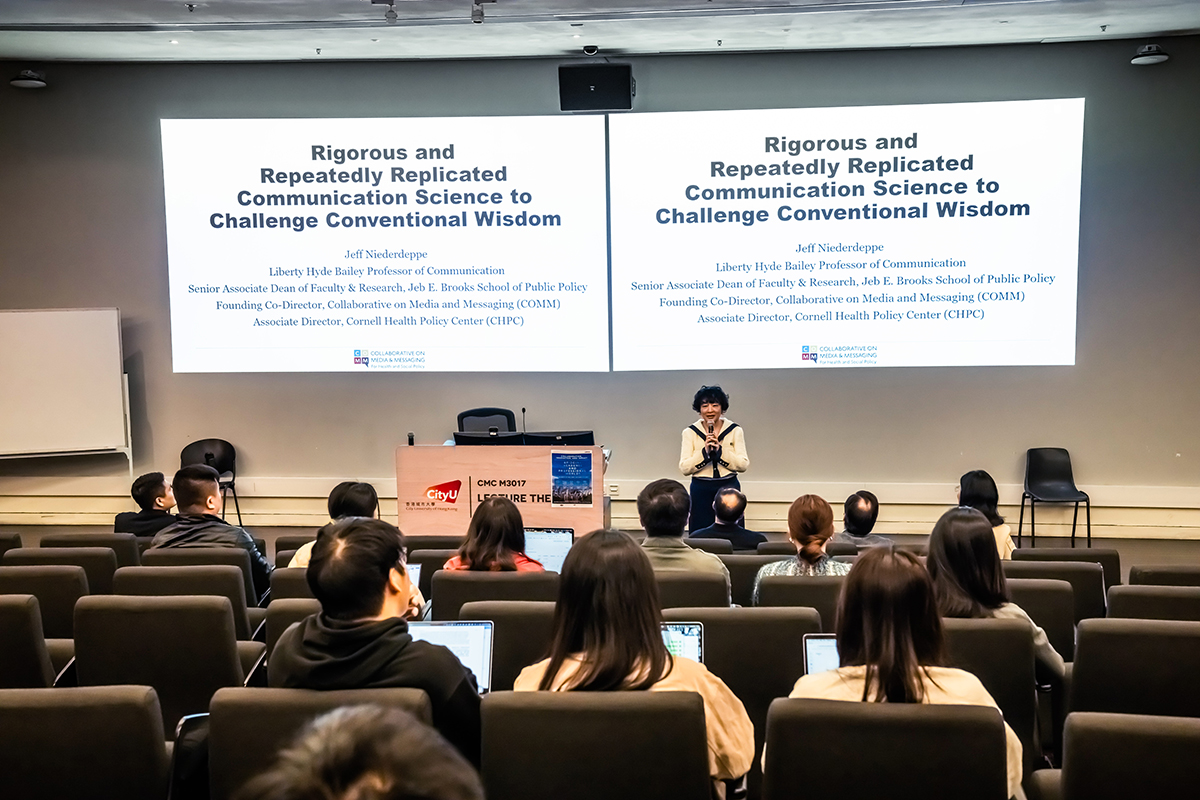

During the lecture, Prof. Niederdeppe highlighted the importance of repeated conceptual replication in communication science. Using a case study on messaging about diversity, equity, and inclusion in the United States, he challenged prevailing assumptions about racial and partisan divides concerning politicized issues. Through a series of experimental demonstrations, he showed that messages addressing racial inequality in the US are not inherently divisive when guided by theoretically and evidence-based messaging strategies implemented with careful consideration. The event saw active participation from over 50 faculty members and doctoral students, fostering a highly interactive atmosphere.
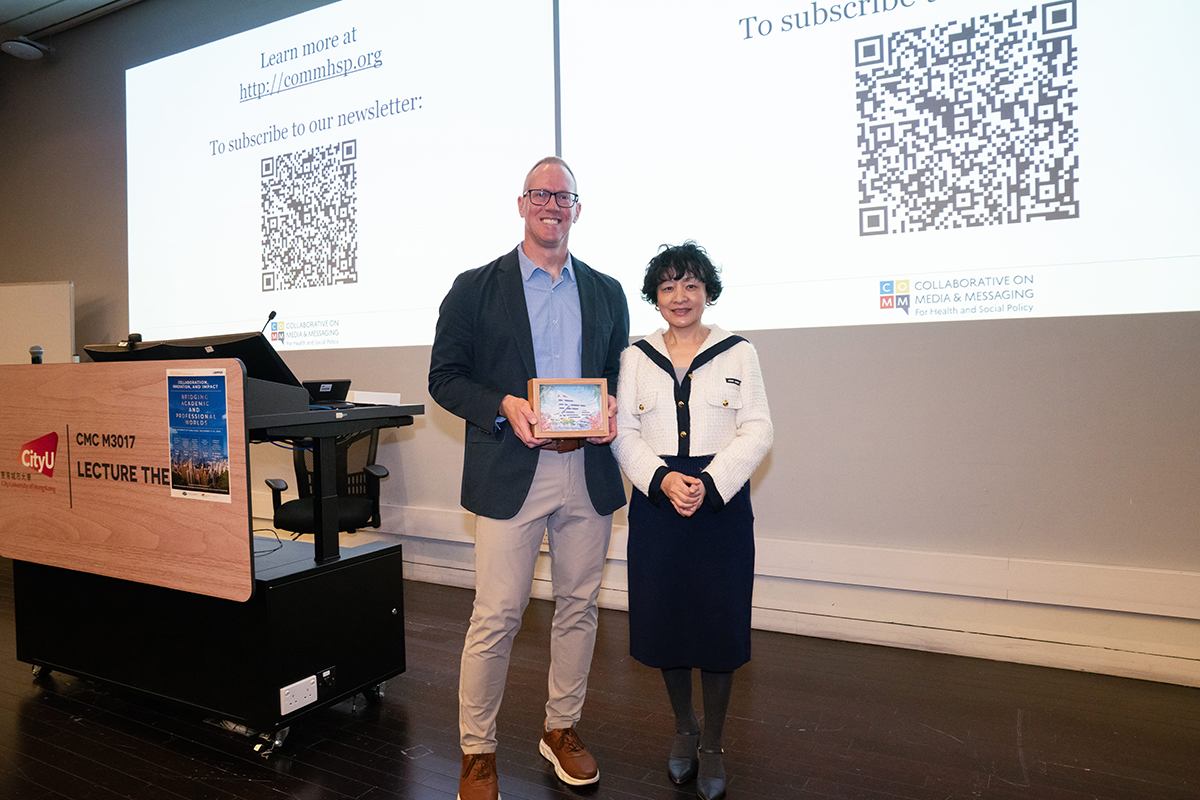
Prof. Niederdeppe is the Senior Associate Dean of Faculty Development at the Jeb E. Brooks School of Public Policy and the Liberty Hyde Bailey Professor of Communication at Cornell University. Recognized as a Top 1% Scientist in Public Health (Stanford University) and with more than 220 peer-reviewed publications, Prof. Niederdeppe leads the Health Communication Research Initiative (HCRI) and co-directs the Collaborative on Media and Messaging for Health and Social Policy (COMM-HSP) as well as the Cornell Center for Health Equity. His research focuses on the content and effects of mass media campaigns, strategic messages, and news coverage in shaping health behavior and social policy, establishing him as a leading voice in communication science and public health.