
News

Feedback shows that many colleagues found the news article on Zoom focus mode (Ref: IT News on 30 March 2022) helpful for exam invigilation. In this article, we shall introduce new and enhanced features for CityU users provided by the Canvas-Zoom integration upgraded on 24 May 2022. Details of the integration, Zoom LTI Pro, are available in the release notes online.
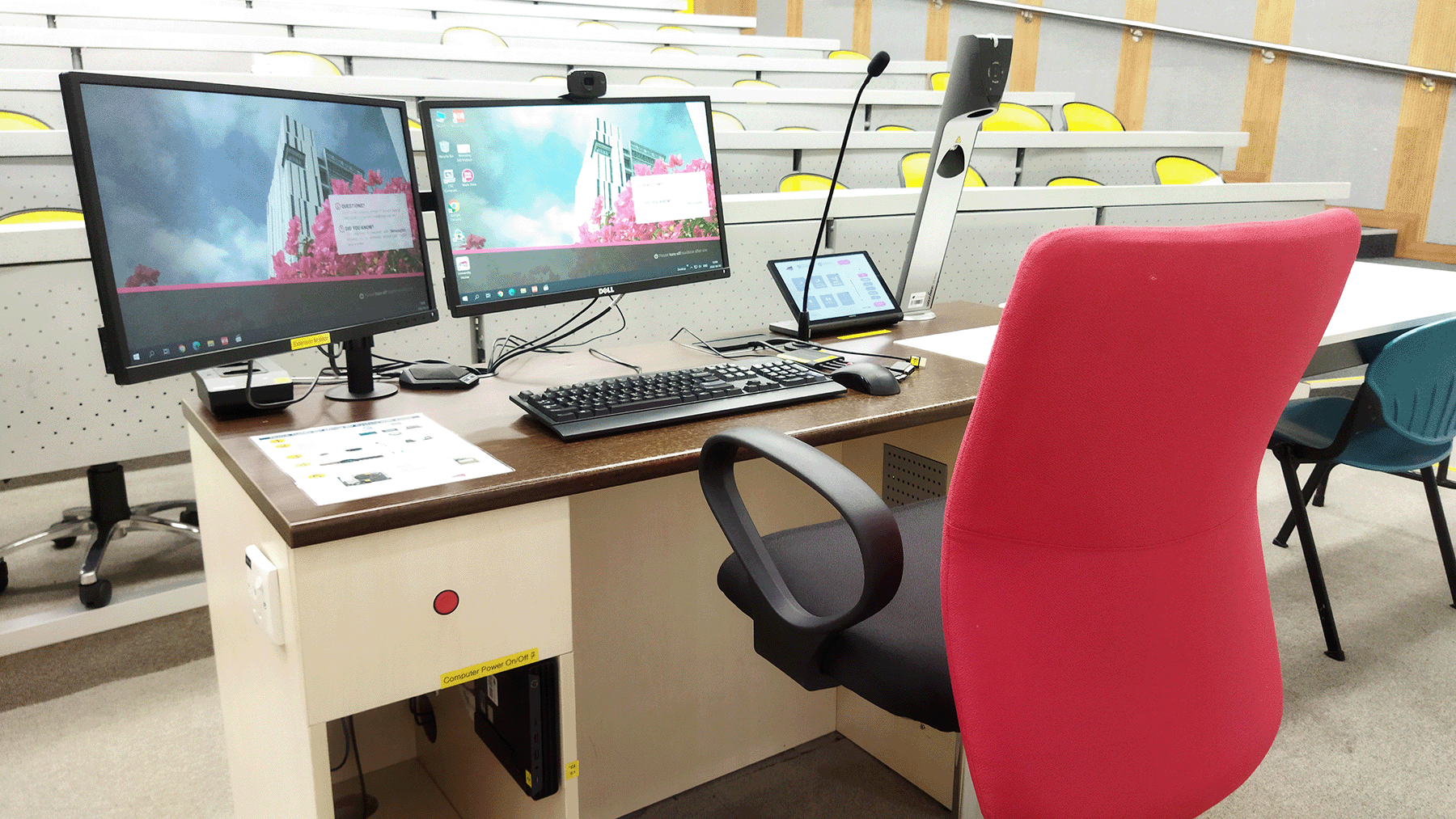
Have you recently noticed an improved user experience with no hardware failure and better PC performance when using the computers in teaching venues? To employ the emerging technologies to enhance the teaching and learning experience in class and meet the pedagogical content knowledge needs, the old and bulky desktop computers in all the 120 teaching venues have been replaced by the mini PCs with the new reboot-to-restore software during Semester A of the Academic year 2021/22.

Anti-virus software is vital to help keep both University computers and your own personal computer secure. With this in mind, the Computing Services Centre (CSC) has performed rigorous due-diligence work to ensure the right product is chosen to address the upcoming challenges users face in the digital age. Benchmarking was also done to look for a product that has a strong reputation to support higher education needs. The product selected is one of the top endpoint security solutions available in the market, as mentioned in many reviews completed by companies such as Gartner, G2, TechRadar and PCMag.

With the rapid shift of education delivery from face-to-face to online during the COVID-19 pandemic, e-learning tools have become essential for daily teaching and learning activities. When it comes to examinations, teachers dream of a subject-adaptive solution that is safe, reliable and fair. Although a perfect solution is still far away, there are new features in Zoom and Turnitin to improve online exam facilitations.

City University of Hong Kong (hereafter CityU) aspires to become a leading global university, excelling in research and professional education. To address the growing needs arising from our strategic interdisciplinary research areas as laid out in our Strategic Plan 2020–2025, the Computing Services Centre (CSC) had built a centralised High Performance Computing (HPC) system (named CityU Burgundy) to provide state-of-the-art capability in computationally intensive research areas. It was first introduced in September 2021. Researchers from various disciplines had heavily used the HPC resources since the launch of the facility. In fact, some researchers had even decided to contribute their research funding to further expand the capability of the CityU Burgundy.

Wave goodbye to one-time printed backdrops when you organise events at City University of Hong Kong. Central IT has acquired a large LED Wall for departments to use as a backdrop or a display screen.
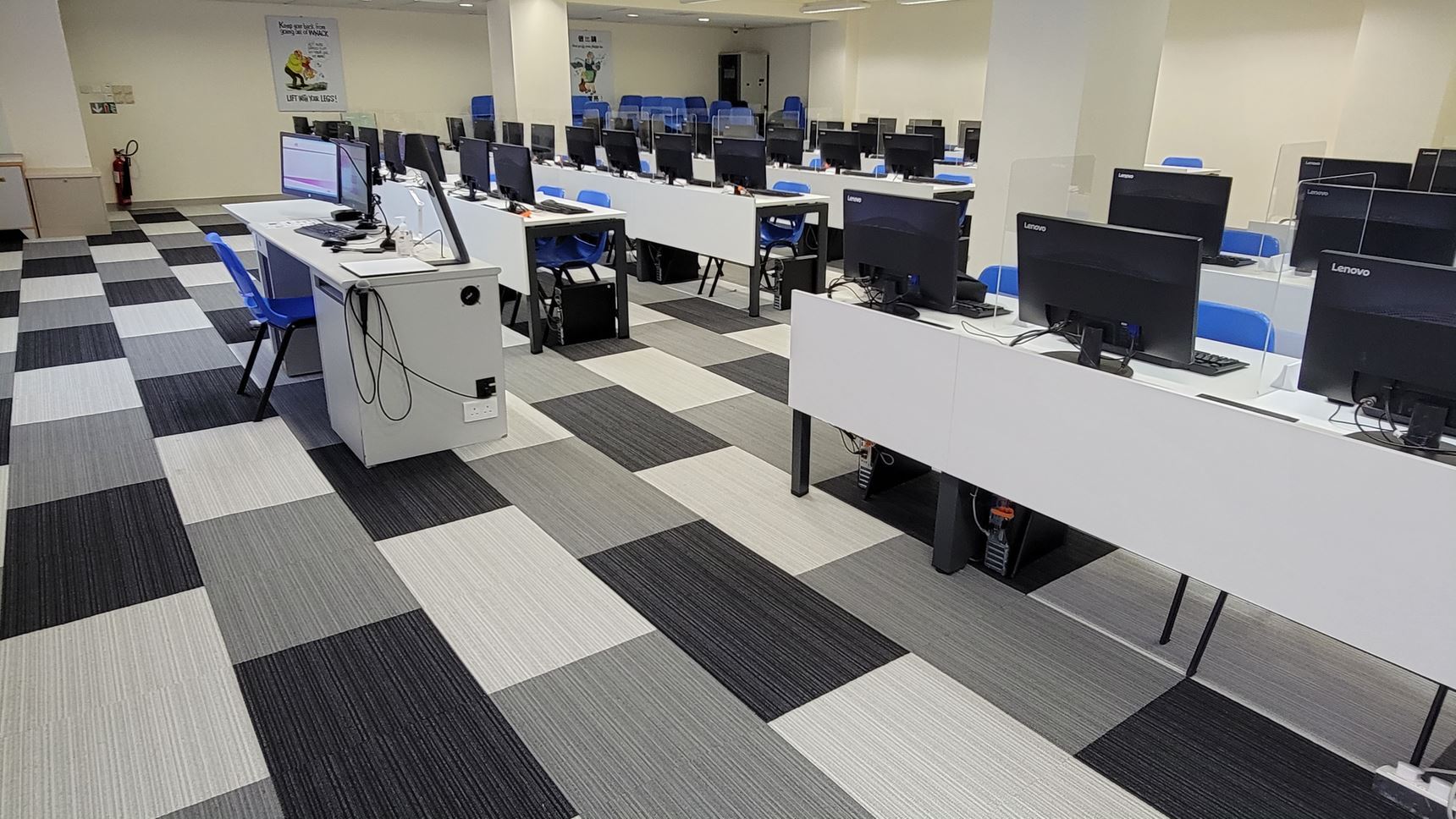
This summer, six teaching studios comprising Rooms LI-G600, LI-4109, LI-4208, LI-4307, LI4400 and LI-4412 in the Li Dak Sum Yip Yio Chin Academic Building (LI) have undergone a makeover to provide staff and students with a new modern teaching and learning environment. The renovation is the result of a collaborative effort between the Computing Services Centre (CSC) and Campus Development Office (CDO) and these teaching studios have benefited from new furniture, carpet replacement, the upgrade of the Audio-visual (AV) system and more.

On the sunny afternoon of 29 July 2021, the Special Interest Group for High-Performance Computing (SIGHPC) of the Joint Universities Computer Centre (JUCC) met at the City University of Hong Kong and visited CityU’s newly installed High-Performance Computing (HPC) facility, the CityU Burgundy. The SIGHPC is set up to share knowledge and insights on high-performance computing.

Many departments organize public meetings and webinars (online seminar) using Zoom but they are not aware of any security measures for preventing intruders from disturbing their events. Like face-to-face seminars, it is possible to have guests (mostly uninvited guests) who may interrupt the meetings if proper controls are not in place.
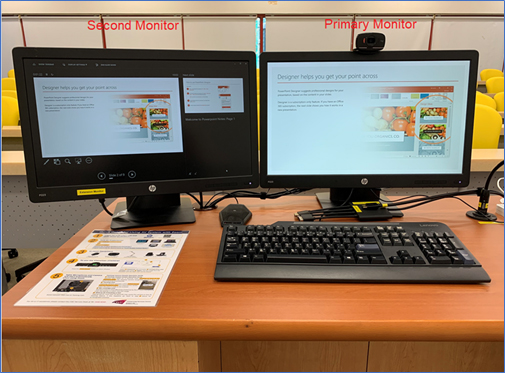
Considering the current pandemic, the University has adopted a hybrid approach to teaching. This new way of teaching involves some students coming to the classrooms in person and some students joining the class online via Zoom. To ensure a smooth teaching experience, a second monitor could become useful by separating windows that will be shared with students from those that are used behind the scene.
 CityU IT ChatBot