
News

Massive Open Online Course, MOOC in short, has brought about a revolutionary change to how education can be delivered to learners worldwide. By definition, MOOC is a course with purposes to serve a massive number of distant learners simultaneously via online platforms. It brings a host of opportunities, as well as challenges, to any ambitious universities. It is the best of times for a university to stretch across continents to reach learners from different ethnicities to build its prestige and spread its influence; and for the same reason has made MOOC development highly challenging in terms of instructional designs and assessment methods. As a leading institution for research and professional education in Asia, City University of Hong Kong (CityU) has started its MOOC journey by launching its debut MOOC in September 2016.
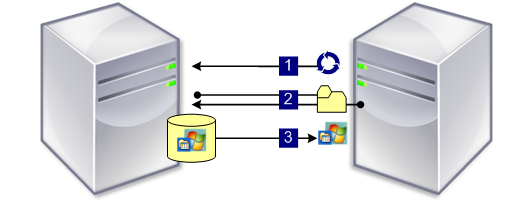
As mentioned in the previous article (item 3 in Ref: Network Computing Issue 85 - September 2015), the first phase of desktop virtualization using Citrix Provisioning Service (PVS) had been implemented in selected teaching venues (a few lecture theatres, classrooms and CSC teaching studios) for pilot run in 2015. In Semester A of 2016, the number of PVS-managed PCs has grown to 560. With the advancement of the PVS technology and the support experience gained over time, using PVS to manage shared PCs for teaching/learning has proven to be more reliable and time effective as compared with using the conventional local hard disk requiring on-site maintenance.
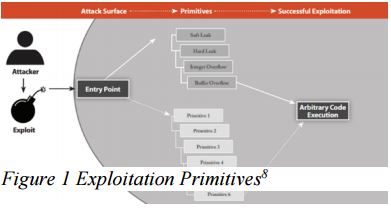
/* The following article is extracted from the "Information Security Newsletter" published by the JUCC IS Task Force.Developing secure application is critical to an organization’s reputation and operational efficiency. The effect of compromised applications resulting in inability to serve the community or data breaches of student and staff information can bring an organization to headline news with bad publicity, losing user confidence and even worse law suits of data privacy breaches. While application development teams are confronted with excessive functional requirements and enhancements under tight time pressure, latefound security vulnerabilities in application would be costly for an organization to address and fix.
CityU is collaborating with various organisations and wireless service providers (WSP) to provide free Wi-Fi services for all CityU staff and students outside the CityU campus. Hotspot locations span over 70 countries world-wide. When you visit any one of these hotspots and provided your Wi-Fi device can detect the network ID (SSID) described below, you will be able to log on and connect to the network using your CityU Wi-Fi account to gain access to the Internet for free. Below is the summary and a brief introduction of these free Wi-Fi resources that you can use.
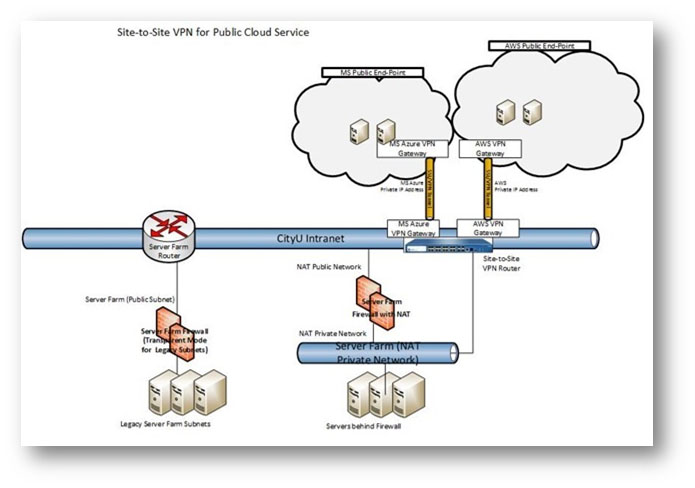
What are public, private and hybrid clouds? Public clouds are services based on the standard cloud computing technology to provide flexible and on-demand computing and network resources to the general public over the internet. A public cloud deployment model is different from a private network. Public clouds, such as Microsoft Azure and Amazon Web Services share a computing infrastructure among different users, business units, etc. However, such environment may not be suitable for all businesses, especially those having mission-critical workloads, security concerns, uptime requirements or management demands. Instead, enterprises integrate the public cloud environment with their private clouds at their existing data centers to form hybrid clouds; and provision computing and network resources on their hybrid clouds from their on-premises networks.
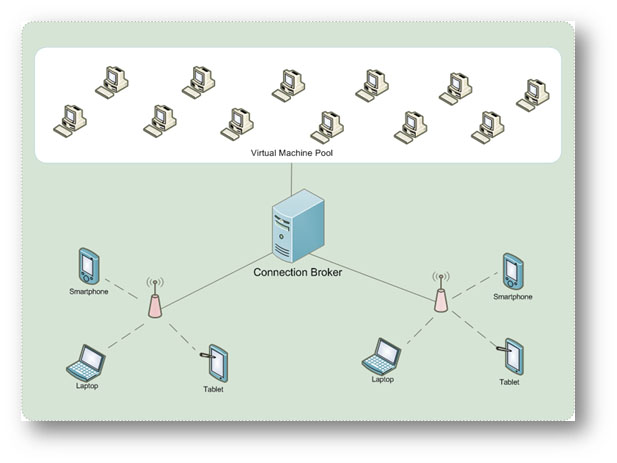
The new school year has just commenced and the Computing Services Centre (CSC) would like to take this opportunity to introduce the Virtual Desktop Service (VDS) to new students and provide a brief update on the enhancements made on the VDS during the course of the year.
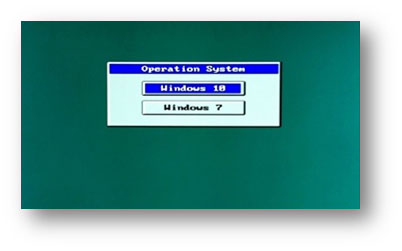
Some hardware and software in the CSC Teaching Studios have been upgraded this summer:PC Hardware Half of the CSC Teaching Studios, around 500 PCs, have been upgraded to newer hardware as described in the table below. By using the Citrix Provisioning Services (PVS), these PCs have been configured as diskless start-up. The computers boot up from the network and read the virtual hard disk content from the PVS servers on the fly. As the write operations are cached on the device RAM temporarily, users are advised to use their own removable storage devices to store work files, such as USB flash drives and USB HDD/SSD. The USB ports on these PCs are version 3.0 which can support fast USB devices with a data transfer rate of up to 5Gbps.
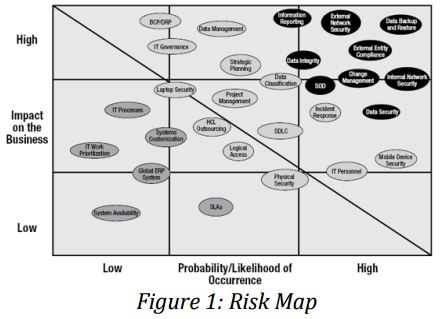
/* The following article is extracted from the "Information Security Newsletter" published by the JUCC IS Task Force.Security risk assessments should identify, quantify, and prioritize information security risks against defined criteria for risk acceptance and objectives relevant to the organization1. The results should guide and determine the appropriate management action and priorities for managing information security risks and for implementing controls selected to protect against these risks. Assessing risks and selecting controls may need to be performed repeatedly across different parts of the organization and information systems, and to respond to changes. The process should systematically estimate the magnitude of risks (risk analysis) and compare risks against risk criteria to determine their significance (risk evaluation).

With all staff mailboxes migrated to Office 365 (O365), the migration of on-premises email supporting tools is underway. One significant upgrade is the migration of on-premises email anti-spam tool to the O365 Exchange Online Protection (EOP) cloud-hosted email filtering service.

As mentioned in the March issue, the Computing Services Centre (CSC) will make Windows 10 available on CSC-managed computers for teaching and learning starting Semester A 2016-17. In the meantime, the Central IT is testing Windows 10 compatibility with all in-house developed central applications, the e-learning system and administration systems to ensure that they can be run smoothly under Windows 10. The CSC is also waiting for
 CityU IT ChatBot