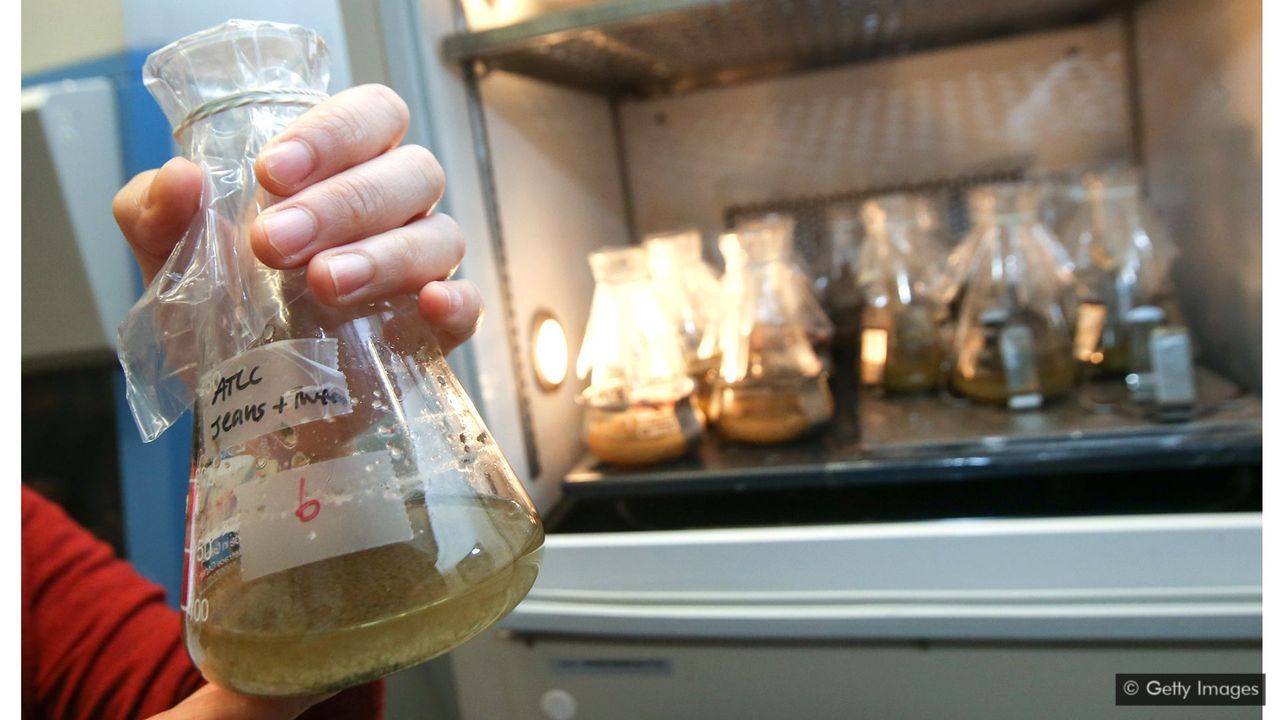
Fast fashion is leading to a mountain of clothing being thrown away and has a huge impact on the environment. The fashion industry is responsible for 10% of all greenhouse gas emissions in the world.
Dr. Alicia An’s paper "PDMS/PVDF hybrid electrospun membrane with superhydrophobic property and drop impact dynamics for dyeing wastewater treatment using membrane distillation" is listed as one of the most cited articles in Journal of Membrane Science (top journal in the field of membrane science).
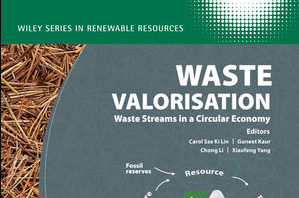
Dr. Carol Lin, Associate Professor, and alumni of her research team, recently published a book entitled " Waste Valorisation: Rethinking Waste streams in a Circular Economy "
In this summer, over 30 SEE undergraduates are offered summer internship places in energy- and environmental-engineering related fields. The tremendous support comes from our internship partners including but not limited to the ones indicated below
SEE strives for research excellence to enhance sustainability and livability of megacities like Hong Kong, as well as adapting them for climate change. Below is the list of SEE projects that succeeded in obtaining GRF grants.
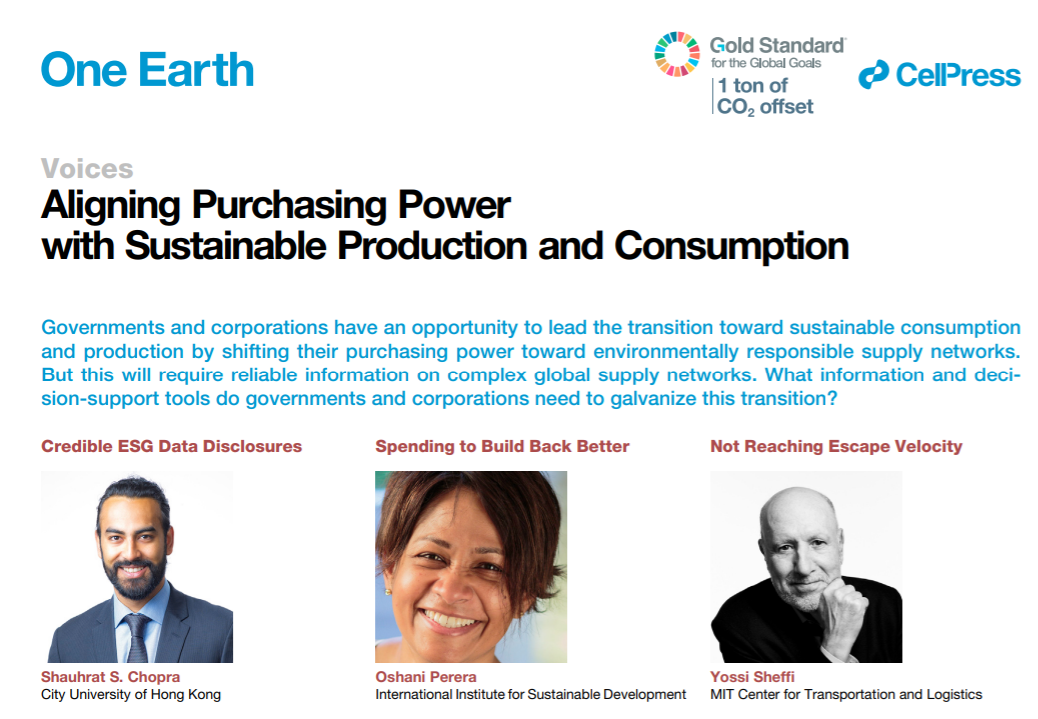
Dr Shauhrat S. Chopra, Assistant Professor, was invited by One Earth to share his opinion as part the Voices article on "Aligning Purchasing Power with Sustainable Production and Consumption".
Nitrogen dioxide (NO2) pollution causes serious environmental problems and poses substantial health threats to human beings. NO2 leads to the formation of photochemical smog, acid rain, as well as some human diseases.
Prof. Wen-Xiong Wang received a funding with an amount of HK$3.45M from TUYF on a research project entitled "Life History Characteristics and Population Dynamics of the Four-Fingered Threadfin Fish".
Dr. Lin Zhang, Assistant Professor of SEE, was invited by the International Association for Energy Economics (IAEE) to deliver a Webinar on “Moving Green: Opportunities and Challenges of China’s Recovery Plan” in July 2020.
Harvesting sunlight to address energy and environmental challenges has been fascinating and long sought-after in building a sustainable society. One tangible example is the maintenance of cleaner indoor environment by degrading air pollutants via photocatalysis. The key to an efficient and effective photocatalytic process is the design and development of good photocatalysts which represents a hot research area. Dr. Jin Shang Group in School of Energy and Environment has contributed to this endeavour and some recent results were published as back cover in the Flagship journal of the Royal Society of Chemistry – Chemical Science. In an edge article entitled “Isocyanate Group-Functionalized Zeolitic Imidazolate Framework-8 (ZIF-8) for Visible Light Photocatalytic Degradation of Gaseous Formaldehyde”, a facile thermal treatment strategy is initiated to convert one of the most well-known porous metal-organic framework, i.e., ZIF-8, to visible light driven photocatalyst exhibiting excellent performance in formaldehyde degradation. This strategy could unleash the potential of the design and development of MOF-based photocatalysts with broad-spectrum responses for efficient air purification operations. Given a myriad of porous MOFs created and documented by chemists in the past 30 years, this work may unlock a new toolbox for scientists and engineers in the field of photocatalysis to explore and develop next-generation photocatalysts.