Showing 211 to 220 of 315 results
19 Nov 2020
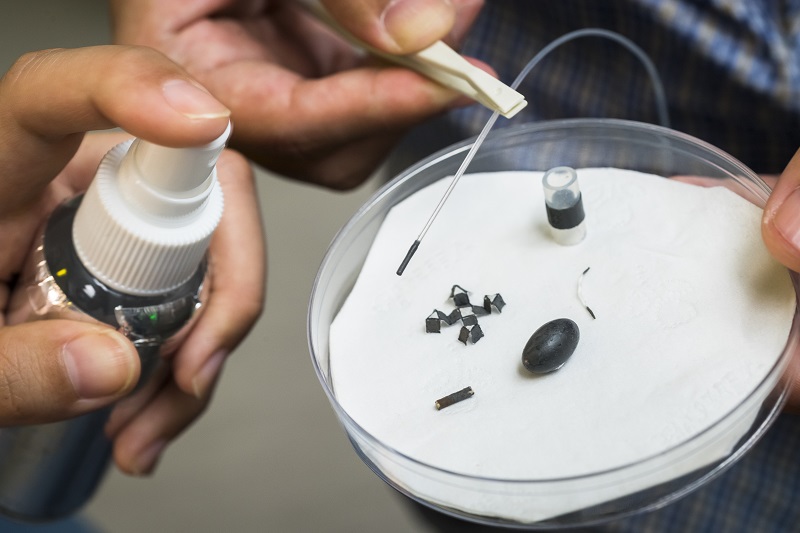
An easy way to make millirobots by coating objects with a glue-like magnetic spray was developed in a joint research led by a scientist from City University of Hong Kong (CityU). As the magnetic coating is biocompatible and can be disintegrated into powders when needed, this technology demonstrates the potential for biomedical applications, including catheter navigation and drug delivery.
12 Nov 2020
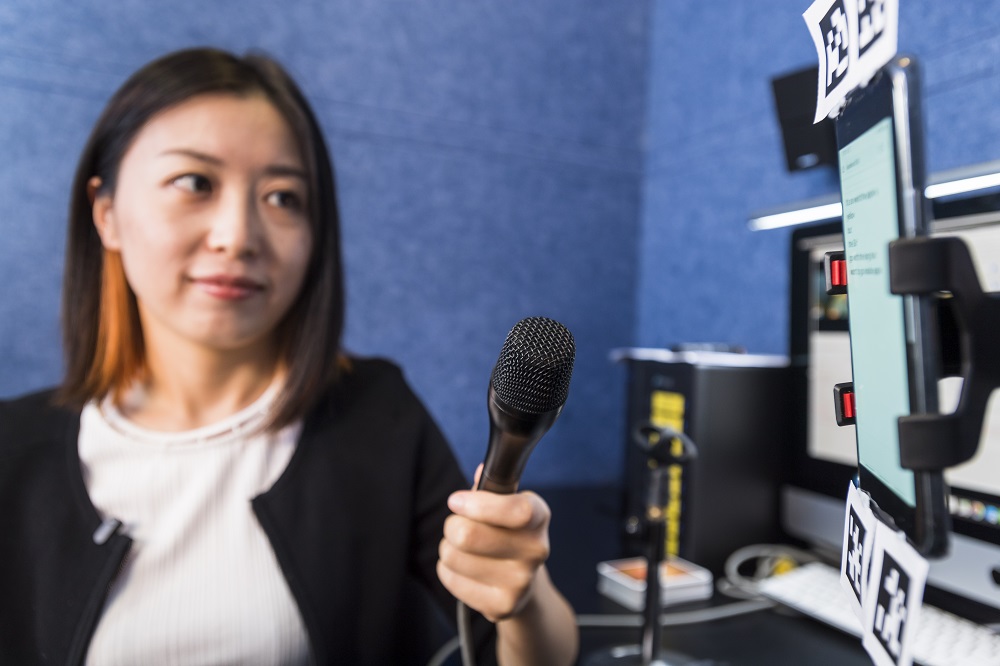
Dr Liu Can, Assistant Professor in the School of Creative Media (SCM) at City University of Hong Kong (CityU) is delving into the development of voice interaction for text composition. She has received an international award from Google Research in recognition of her promising work in this area.
06 Nov 2020
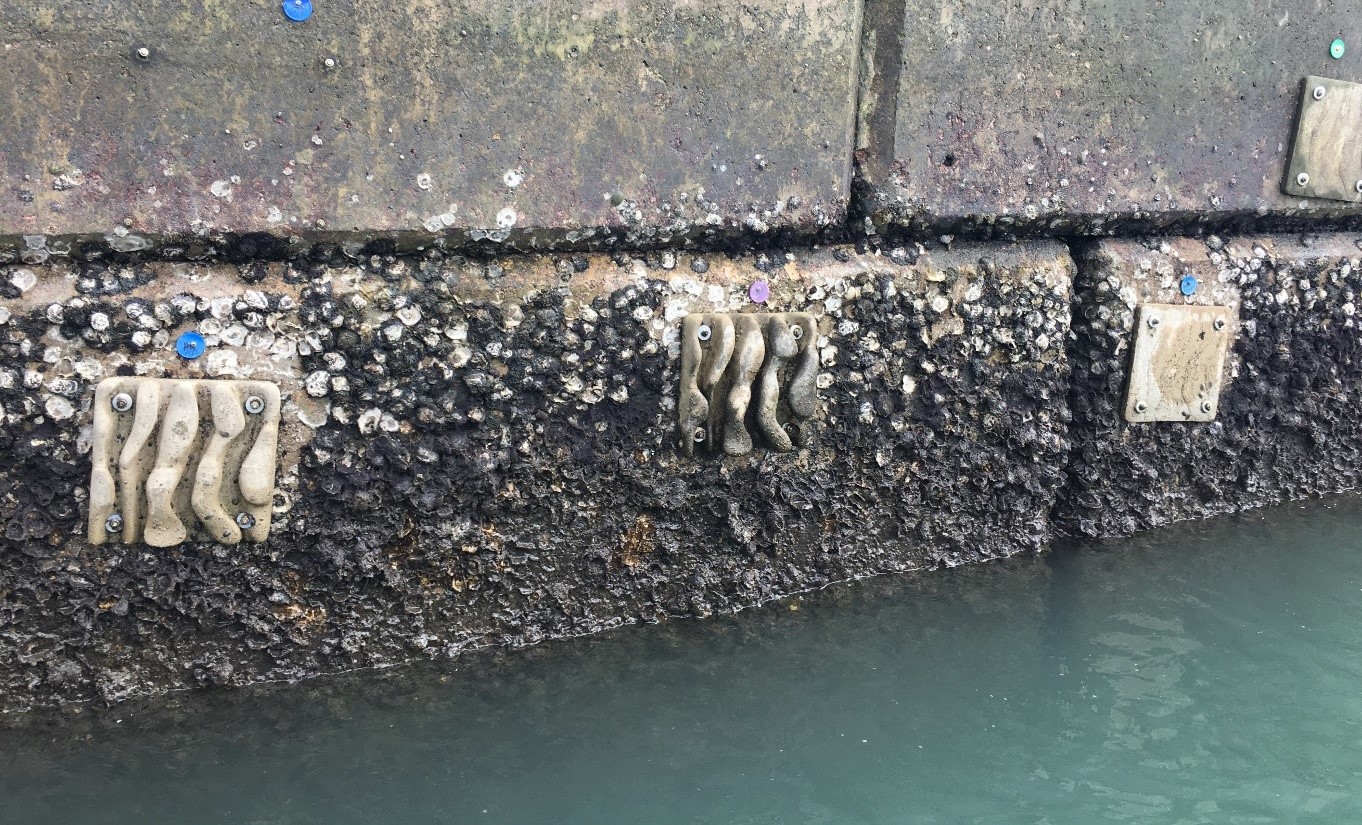
A joint-study led by a team of marine ecologists from City University of Hong Kong (CityU) has found that the eco-engineered tiles can increase habitat complexity on seawalls in Hong Kong, thereby effectively enhancing the marine biodiversity. The Hong Kong study is part of a global research project on the relationship between habitat complexity and marine biodiversity on human-built marine structures.
29 Oct 2020
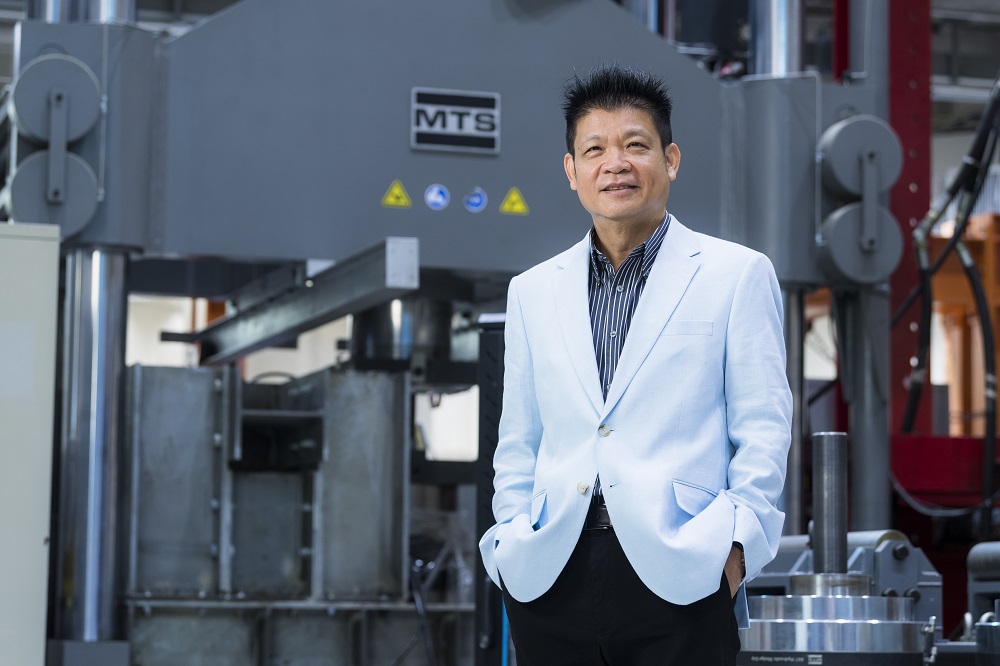
Professor Liew Kim-meow, a renowned engineer and Chair Professor in the Department of Architecture and Civil Engineering at City University of Hong Kong (CityU), has been elected Foreign Member of the Academia Europaea for his significant contributions in engineering science.
,-q-,-/fmed-02-00023-g001.jpg?rev=324e3afc2db24c89af847581f7acc314&hash=1C25389054D80D0C63B1E825CF5274AB)
29 Oct 2020
Long non-coding RNA (lncRNA) is a large and diverse class of RNA (ribonucleic acid) molecules which has become a growing focus of cancer genomics studies in recent years. In this article, we will explain what lncRNA is and its functions.
20 Oct 2020
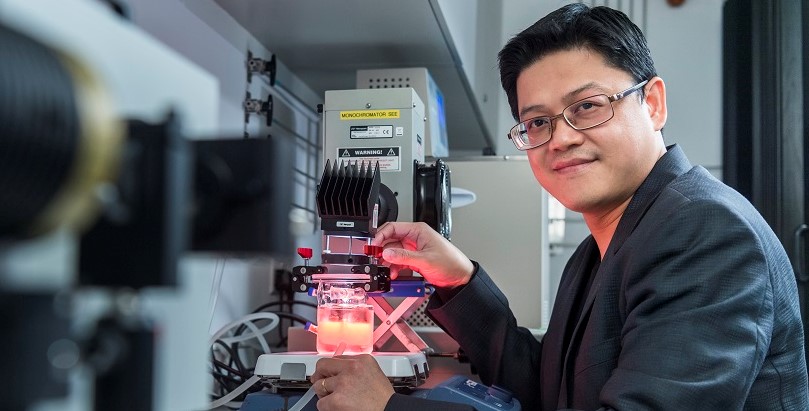
Hybrid organic–inorganic perovskite can be used in photocatalytic hydrogen generation. However, the traditional lead-based perovskite contains the toxic metal lead, therefore its application is hindered. Recently, a joint research team led by a scientist from City University of Hong Kong (CityU) has achieved a breakthrough in fabricating a novel lead-free perovskite material with a special structure.
08 Oct 2020
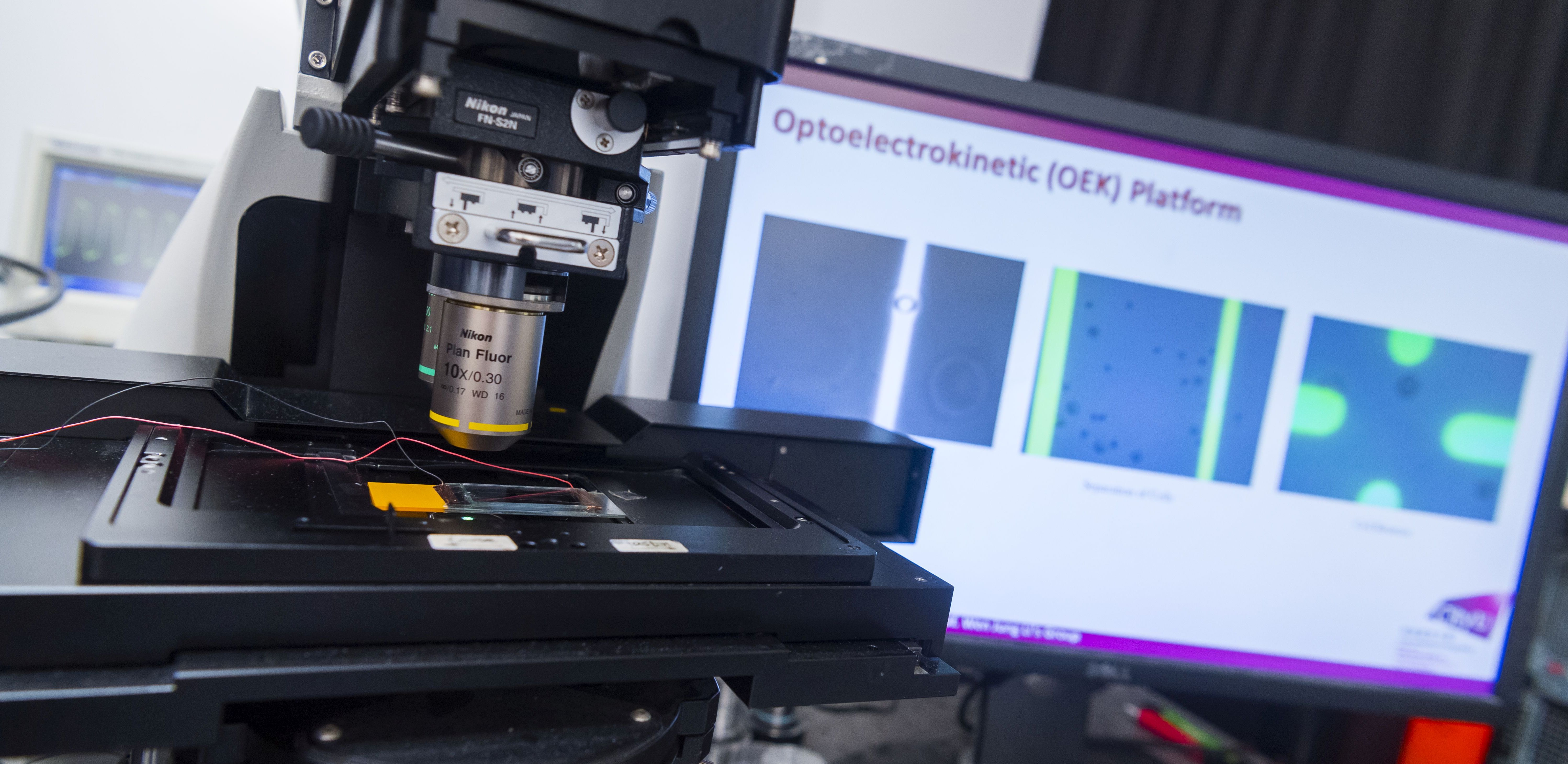
A novel method developed by a joint research team led by a scientist from City University of Hong Kong (CityU) can identify gastric cancer cells within minutes. This fast method with high sensitivity brings hope in speeding up the diagnosis of gastric cancer.
02 Oct 2020
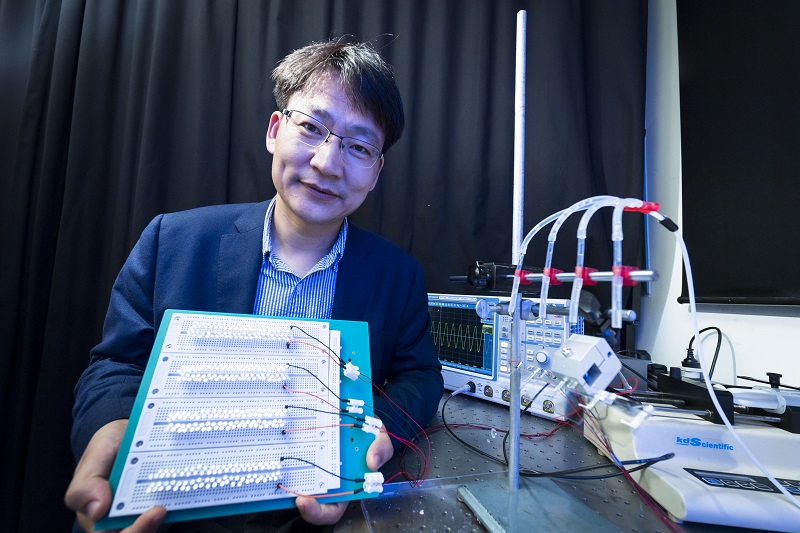
Professor Wang Zuankai of City University of Hong Kong (CityU) won the 2020 Xplorer Prize organised by the Tencent Foundation for his fundamental research on water energy harvesting. He will continue his research on energy harvesting as well as nature-inspired engineering with the awarded grant.

23 Sep 2020
While the power conversion efficiency of perovskite solar cells (PVSCs) – a future of solar cells – has already greatly improved in the past decade, the problems of instability and potential environmental impact are yet to be overcome. Recently, scientists from City University of Hong Kong (CityU) have developed a novel method which can simultaneously tackle the leakage of lead from PVSCs and the stability issue without compromising efficiency, paving the way for real-life application of perovskite photovoltaic technology.
17 Sep 2020
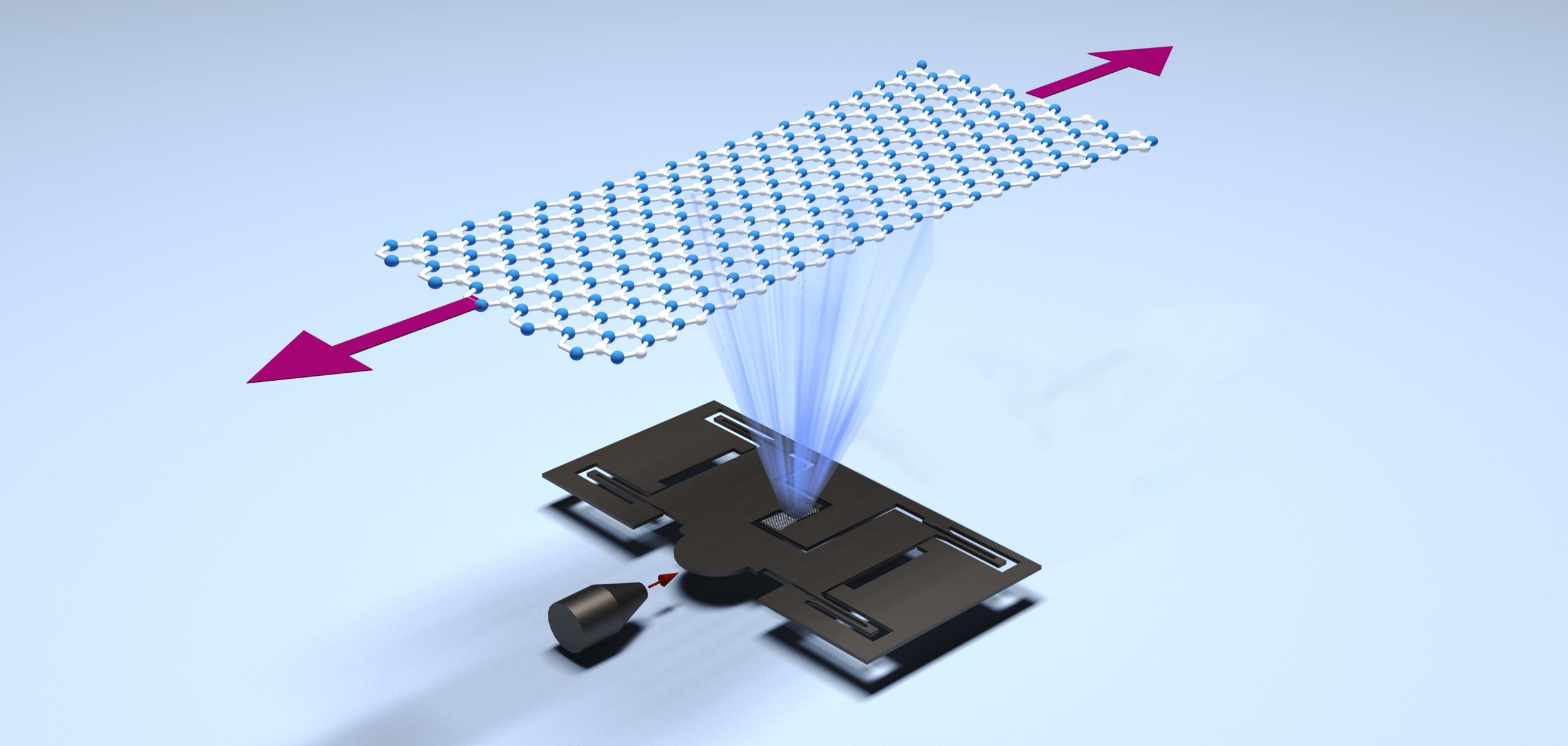
Because of their unique physical, chemical, electrical and optical properties, two-dimensional (2D) materials have attracted tremendous attention in the past decades. After revealing the realistic strength and stretchability of graphene, nicknamed “black gold”, researchers from City University of Hong Kong (CityU) have carried forward the success by unveiling the high defect tolerance and elasticity of hexagonal boron nitride (h-BN), another 2D material known as “white graphene”.