CityUHK and University of Cambridge establish Centre for Advanced and Smart Manufacturing to shape Hong Kong’s Industry 5.0 future
As artificial intelligence (AI) transforms the way products are designed, produced and used, City University of Hong Kong (CityUHK) and the University of Cambridge have established the Centre for Advanced and Smart Manufacturing (CASM) with the vision of positioning Hong Kong as a world-leading Industry 5.0 innovation hub where advanced technologies work alongside people to support more sustainable, resilient and responsible manufacturing.
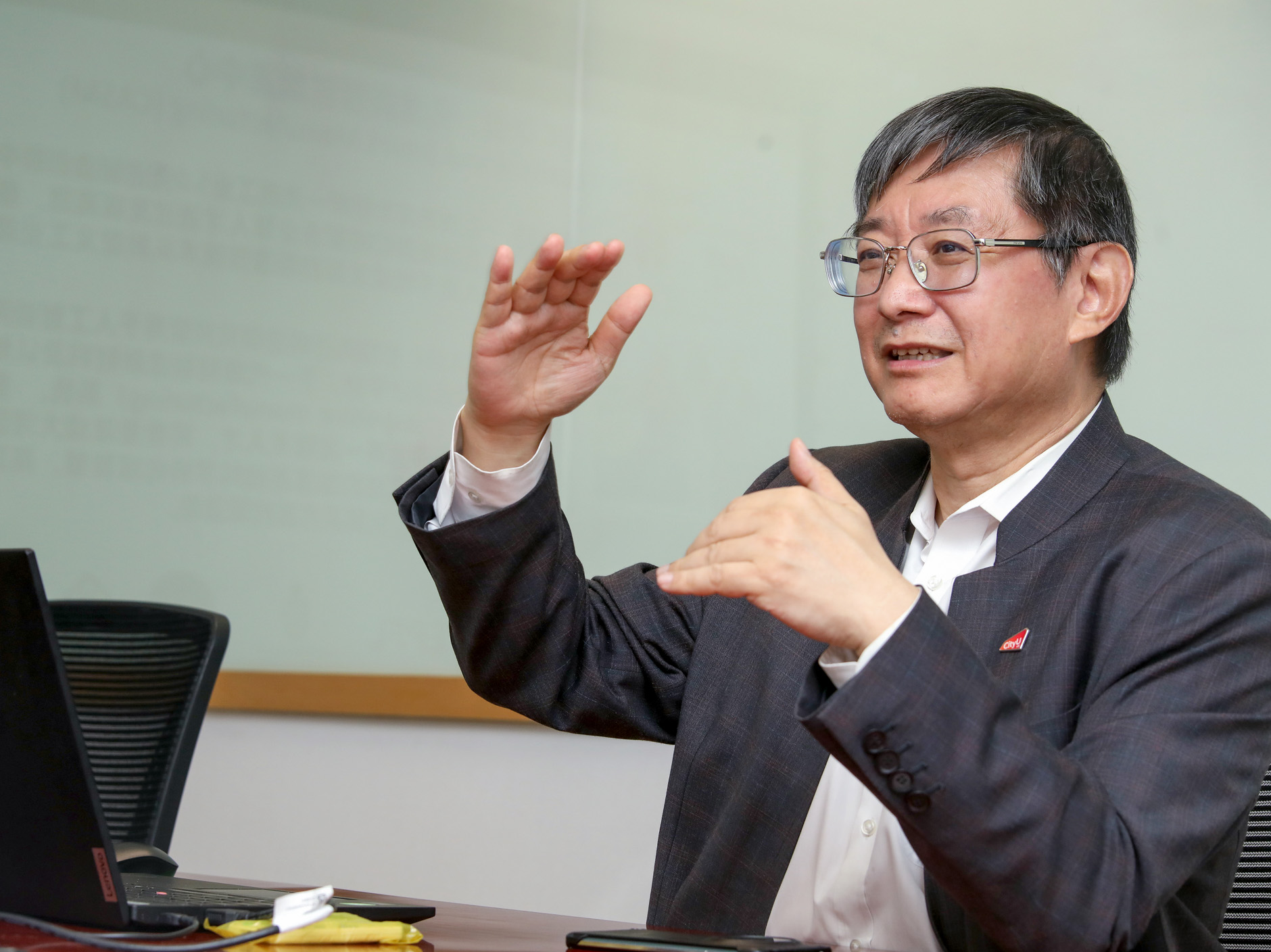
Based in Hong Kong Science Park, CASM is one of the research centres under the InnoHK initiative of the Government of the Hong Kong Special Administrative – SEAM@InnoHK. The Centre is co-led by Professor Lu Jian, Chair Professor in the Department of Mechanical Engineering at CityUHK, and Professor Colm Durkan of the University of Cambridge.
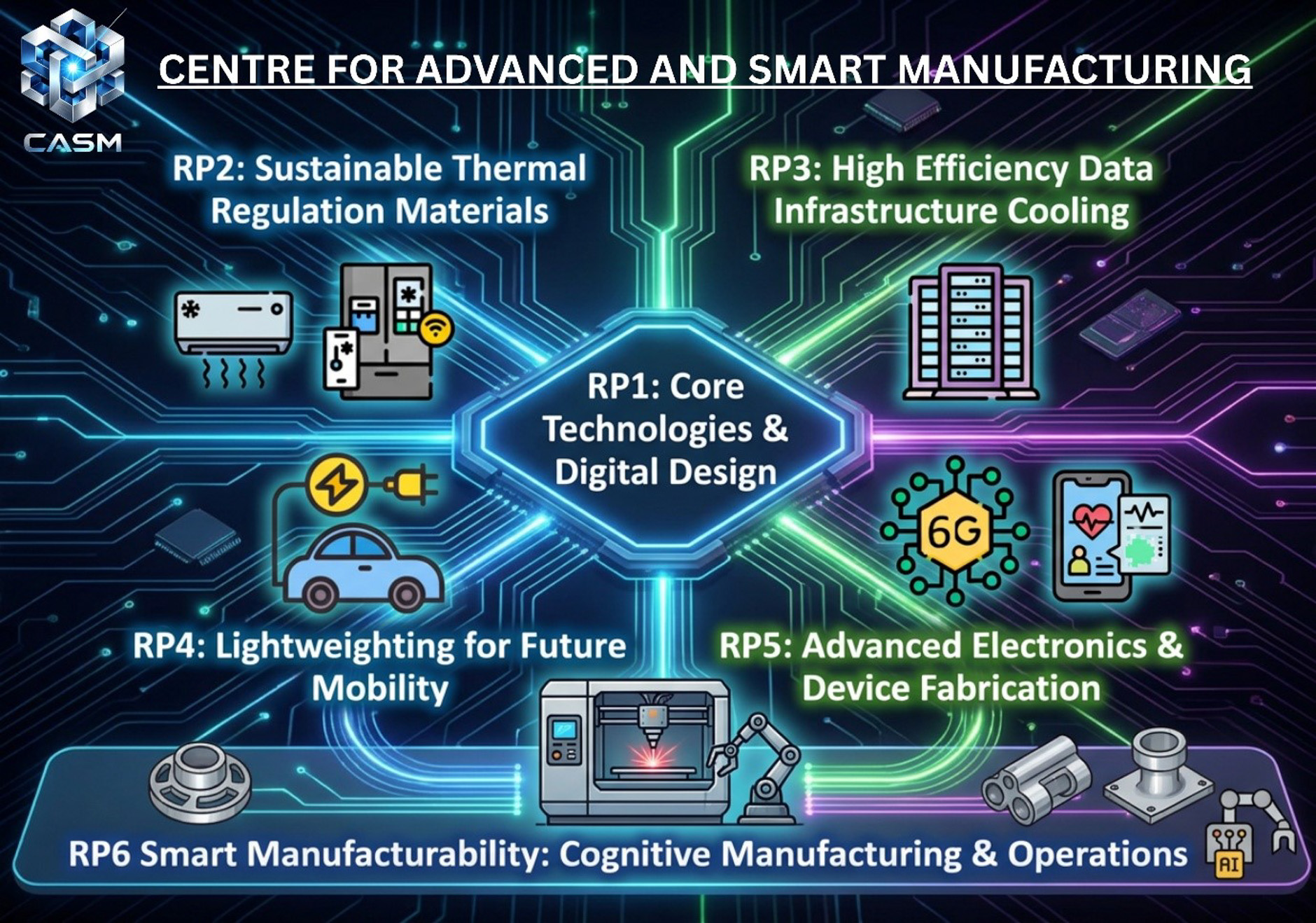
CASM brings together researchers from Hong Kong and around the world to advance new materials, manufacturing methods and digital technologies for industries facing urgent challenges. These include addressing the cooling challenges of data centres, developing next-generation environmentally friendly refrigeration technologies, making new energy vehicles lighter and more sustainable, and developing better materials for electronics and everyday products.
The competitiveness of future industries will depend on how to accelerate the translation of research into real-world applications, allowing innovation to redefine manufacturing. Professor Lu believes that Hong Kong is entering a pivotal stage in its reindustrialisation journey.
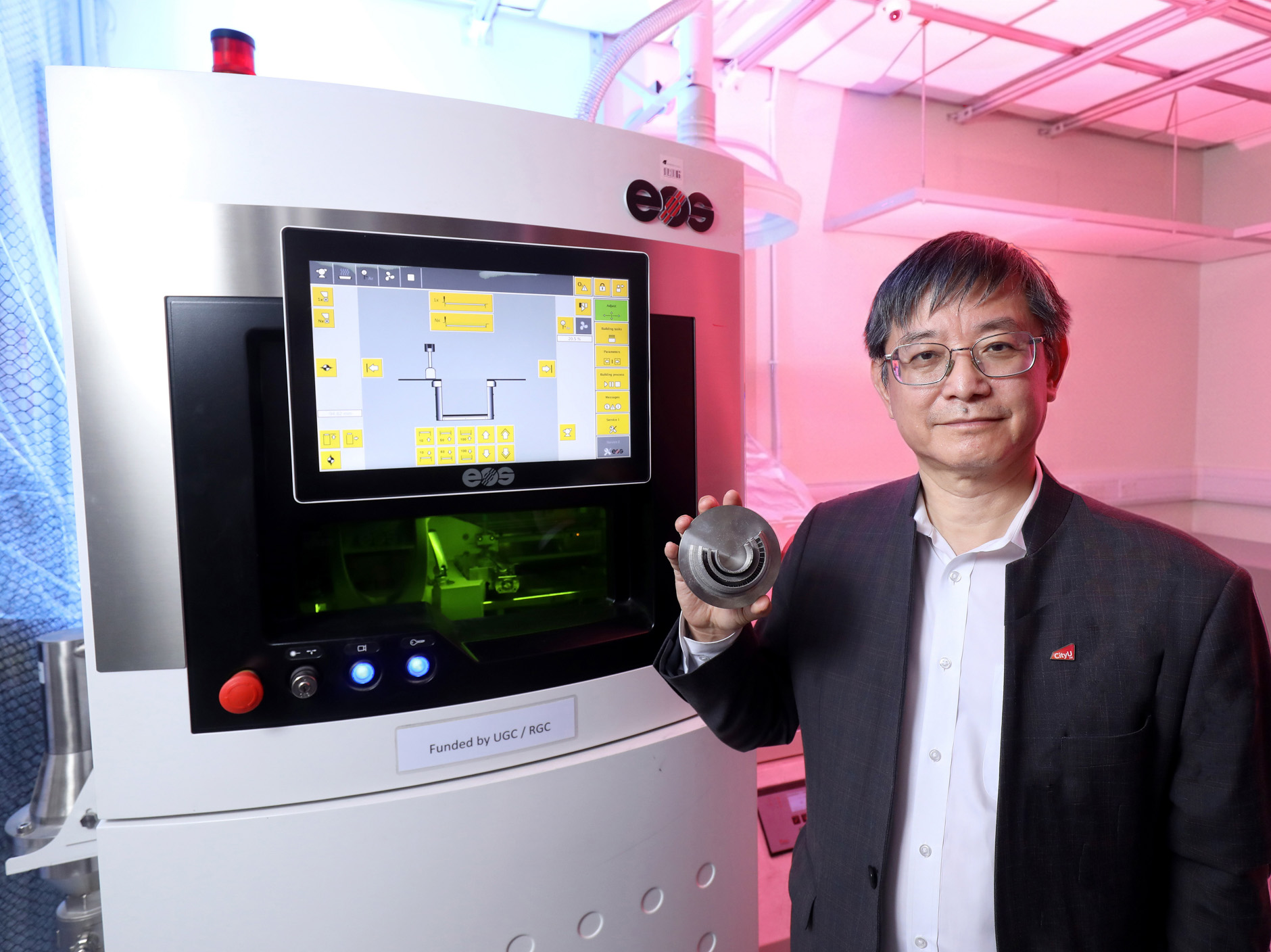
“Hong Kong was once one of Asia's leading manufacturing centres. Looking ahead, our aim is to leverage advanced manufacturing to enable Hong Kong to once again play a key role in the global industrial value chain,” said Professor Lu. “The vision of CASM is to establish Hong Kong as a world-leading Industry 5.0 manufacturing innovation hub.”
While Industry 4.0 focused on connected systems, robotics and data-driven production, Industry 5.0 places greater emphasis on the integration of AI with sustainability, human expertise and social responsibility.
“AI is a key enabler, but environmental protection and social responsibility are equally important,” said Professor Lu. “These are the defining principles of Industry 5.0.”
One of the Centre's defining features is its use of additive manufacturing (3D printing) as its core technology platform, integrating materials design, digital engineering, manufacturing processes and end-use applications into a single research framework. This interdisciplinary approach enables researchers to design new materials and products with their final purpose in mind, simultaneously optimising performance, cost-effectiveness and sustainability.
The Centre’s research focuses on four major application areas: next-generation refrigeration technologies, thermal management for data centres, green manufacturing for new energy vehicles, and innovative materials for consumer electronics.
Take data centres as an example. The rapid growth of AI is creating a global need for more efficient data centres. These facilities require significant amounts of energy, much of which is used to remove heat from computing equipment. CASM researchers are developing novel heat-exchange structures and high-performance metallic materials that could improve cooling efficiency while reducing energy consumption. More efficient cooling can help support the continued growth of AI and digital services in a more sustainable way.
The Centre is also exploring the use of recycled aluminium, also referred to as green aluminium, in the manufacturing of new energy vehicles. By combining AI-assisted design with additive manufacturing, researchers aim to reduce vehicle weight without compromising performance or safety. Since recycled aluminium requires substantially less energy to produce than primary aluminium, this approach also helps reduce carbon emissions, paving a pathway towards more sustainable manufacturing.
Beyond its research and technological innovation, CASM will serve as a training ground for the next generation of researchers, engineers and technology leaders. The Centre plans to recruit PhD students, postdoctoral researchers and undergraduate students to participate in research projects, internships and international collaborations. Young researchers will have opportunities to work across disciplines and gain exposure to world-leading scholars and industry partners. This talent development mission is central to Hong Kong’s ambitions to strengthen its innovation and technology ecosystem and support the city’s new industrialisation.
Looking ahead, Professor Lu believes that Hong Kong is well positioned to become a major hub for advanced and smart manufacturing because of its international outlook, strong research capabilities and close links with the industrial ecosystem of the Guangdong-Hong Kong-Macao Greater Bay Area.
“Hong Kong is home to a platform that attracts talent from around the world, while also serving as a unique gateway connecting the Greater Bay Area with the international community,” said Professor Lu. “Through CASM, we aim to bring more innovative technologies from the laboratory to industry, injecting fresh momentum into Hong Kong's new industrialisation and future economic development.”