CityUHK partners with Sino Group in the “Oyster Inno Discovery” programme, promoting marine ecological restoration in Hong Kong through scientific practice and experiential learning
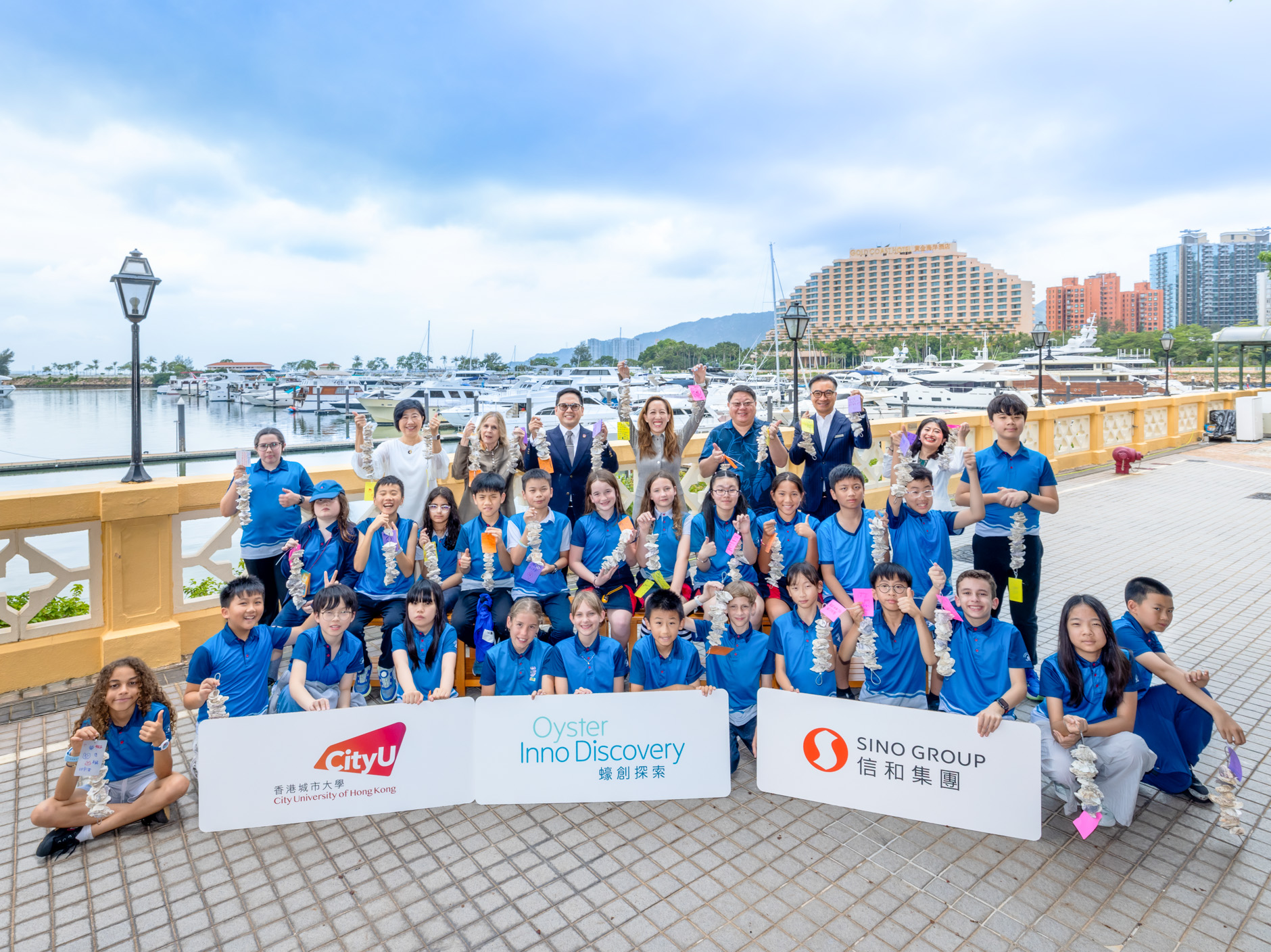
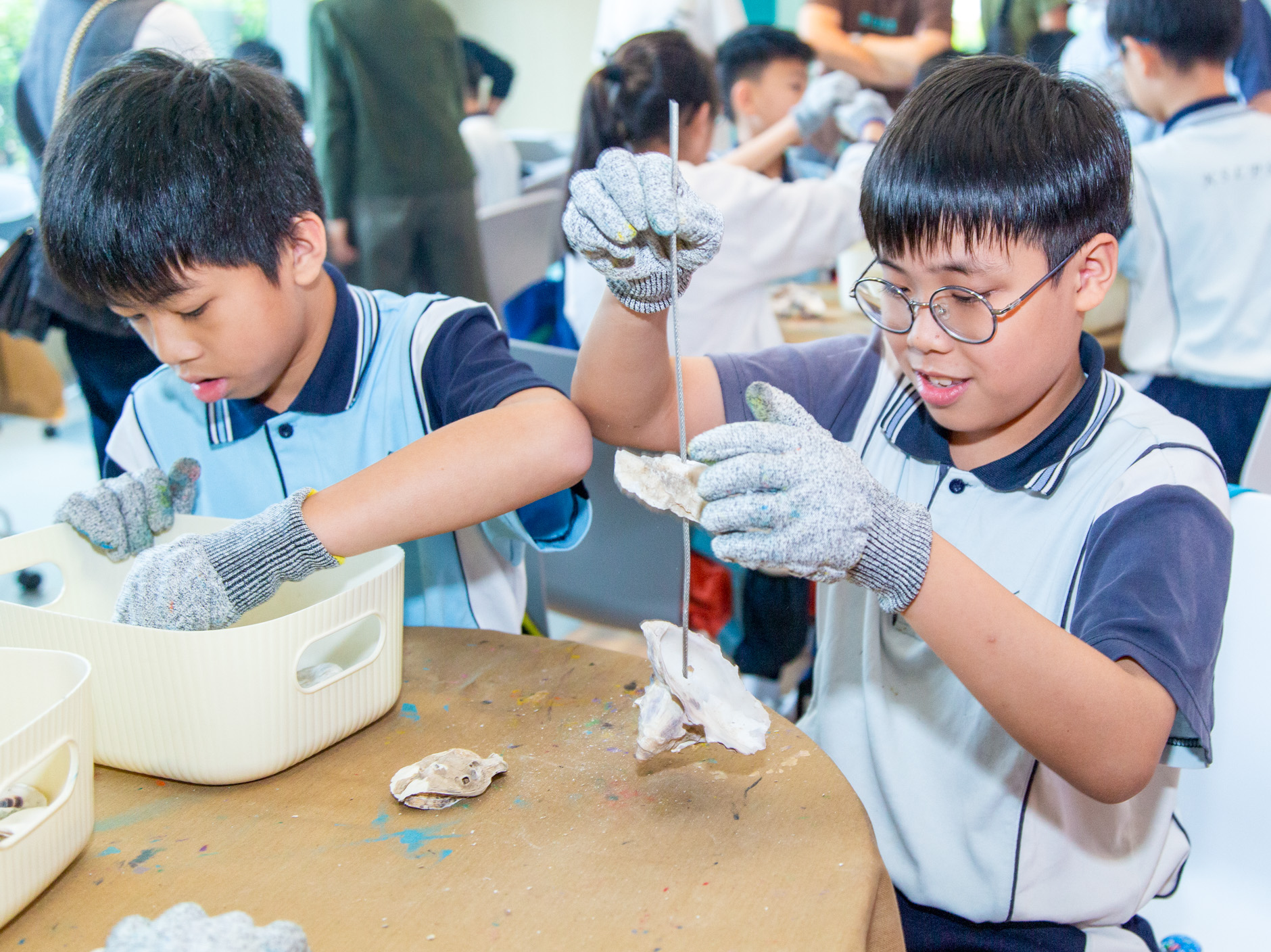
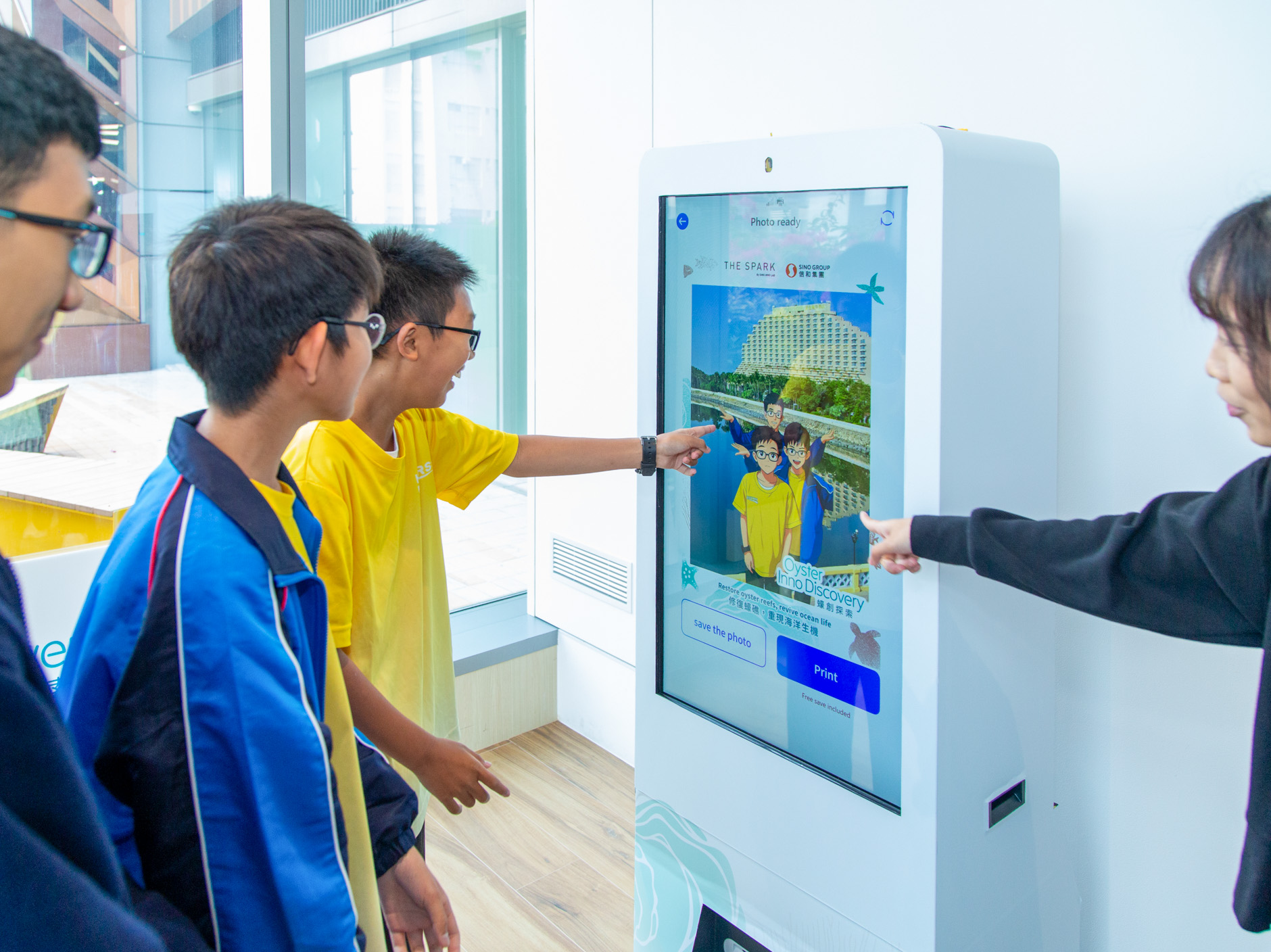
To encourage greater public awareness of marine conservation, City University of Hong Kong (CityUHK) recently partnered with Sino Group to launch the “Oyster Inno Discovery” education programme. Centred on oyster reef restoration, the programme combines scientific research, technology and practical application. Through experiential learning, it enables participants to gain an in-depth understanding of marine ecology and the real-world significance of restoration efforts in an engaging way.
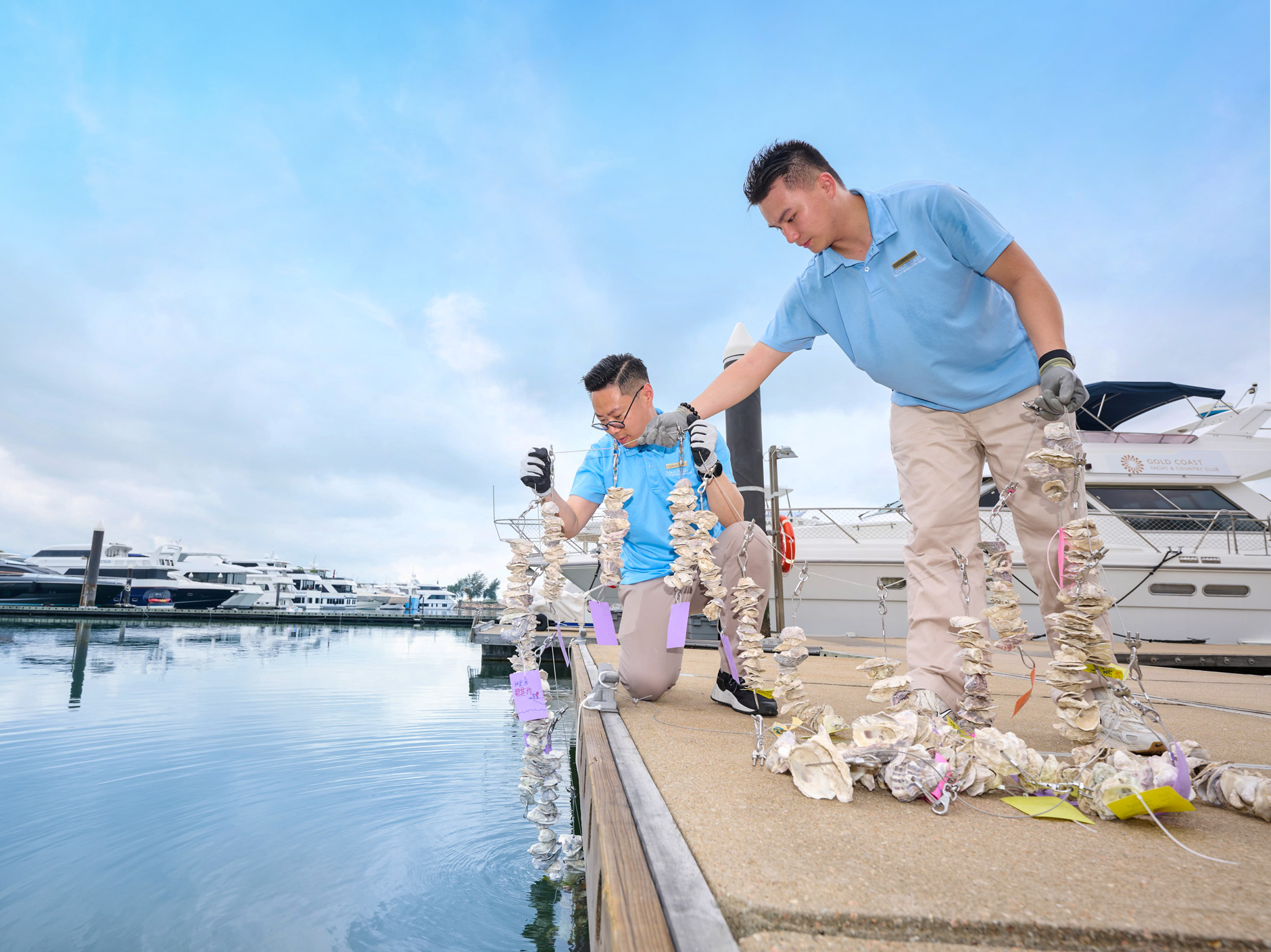
Currently, about 16% of Hong Kong's coastline consists of artificial seawalls. Deploying oyster shell strings on artificial seawalls serves as a "nature-based solution" for ecological restoration. Oyster shells contain calcium carbonate, and their rough, complex surface structures can provide suitable microhabitats for various marine species. Recently, approximately 300 sets of hand-crafted oyster shell strings, made by programme participants, were deployed on-site at the Marina of Gold Coast Yacht & Country Club, serving as a practical setting for oyster reef restoration and related educational activities.
The CityUHK research team will conduct long-term ecological surveys and monitoring of these oyster shell strings and will launch follow-up biodiversity surveys in these waters in the first quarter of 2027. These surveys aim to assess changes in biodiversity richness and abundance, providing scientific references for evaluating the project's ecological benefits.
Professor Kenneth Leung Mei-yee, Vice-President (Research) and Director of the State Key Laboratory of Marine Environmental Health at CityUHK, participated in the oyster shell string deployment activity in person. He expressed his delight at seeing the collaboration between CityUHK and Sino Group successfully transforms the University's professional scientific research knowledge into popular education.
Professor Leung said, "The State Key Laboratory of Marine Environmental Health of CityUHK is committed to promoting marine conservation and ecological restoration efforts in various coastal cities across the Greater Bay Area, enhancing the biodiversity of artificial seawalls and creating a sustainable ocean. Through this collaboration, we can integrate scientific research, teaching and science popularisation, driving universities, enterprises and citizens to join hands in protecting the health of the marine environment. This has profound significance for promoting the sustainable development of society."
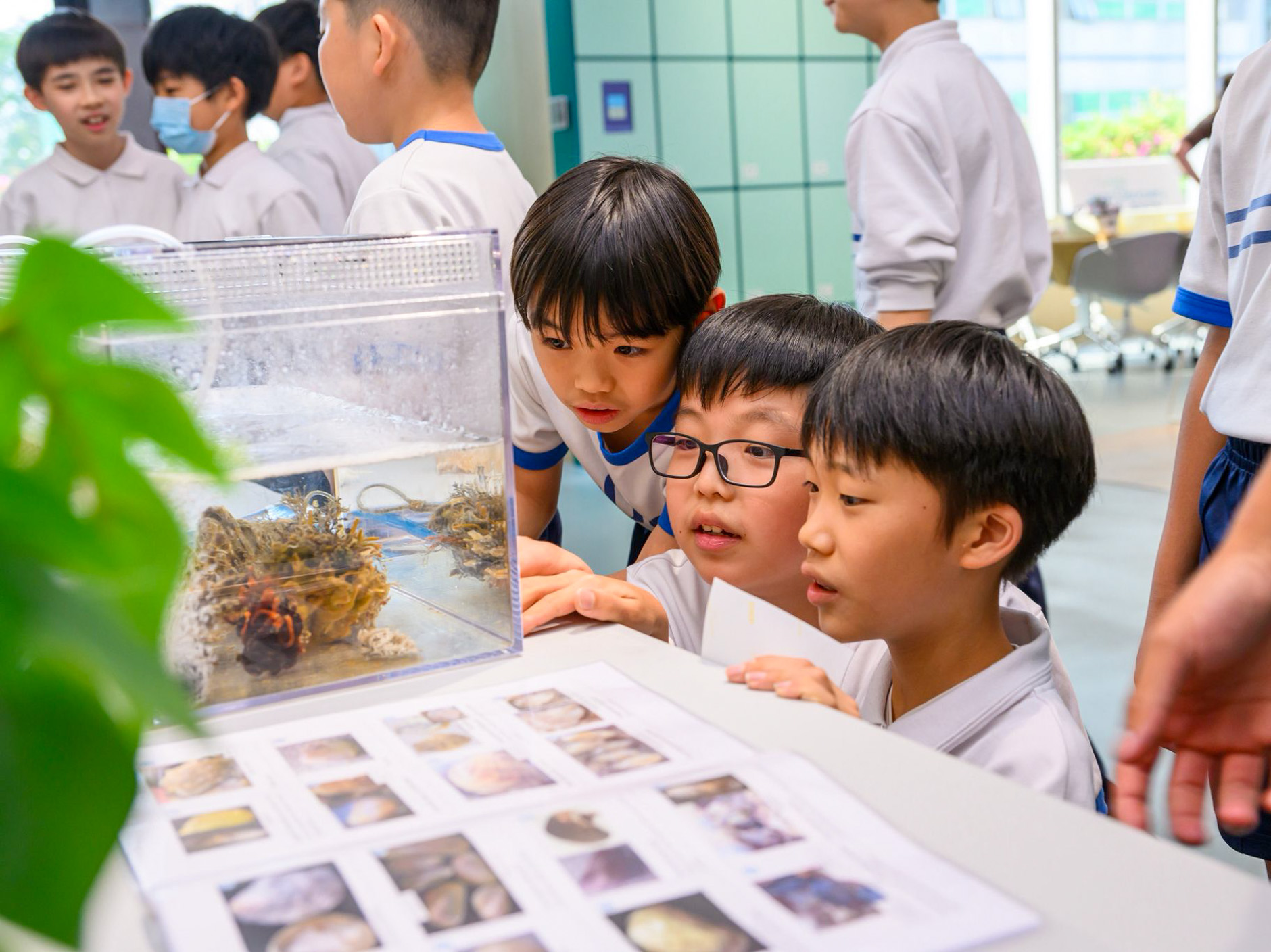
In addition to crafting and deploying the oyster shell strings, the programme features a series of STEAM educational workshops, including seminars, marine life displays and specimen identification sessions. Led by CityUHK’s professional team, these workshops explain the relationship between oyster reef ecology and marine restoration to promote marine conservation messages.
CityUHK actively advocates for sustainable development, including its dedication to advancing marine environmental research. Through the State Key Laboratory of Marine Environmental Health (formerly the State Key Laboratory of Marine Pollution), established in 2010, the University has been fully supporting the Government of the Hong Kong Special Administrative Region and the nation in monitoring environmental quality and protecting the marine ecology, contributing to the protection of the global marine environment and societal well-being.