

Research Highlights
Posted
Involved Member: Dr. Moriaki YASUHARA
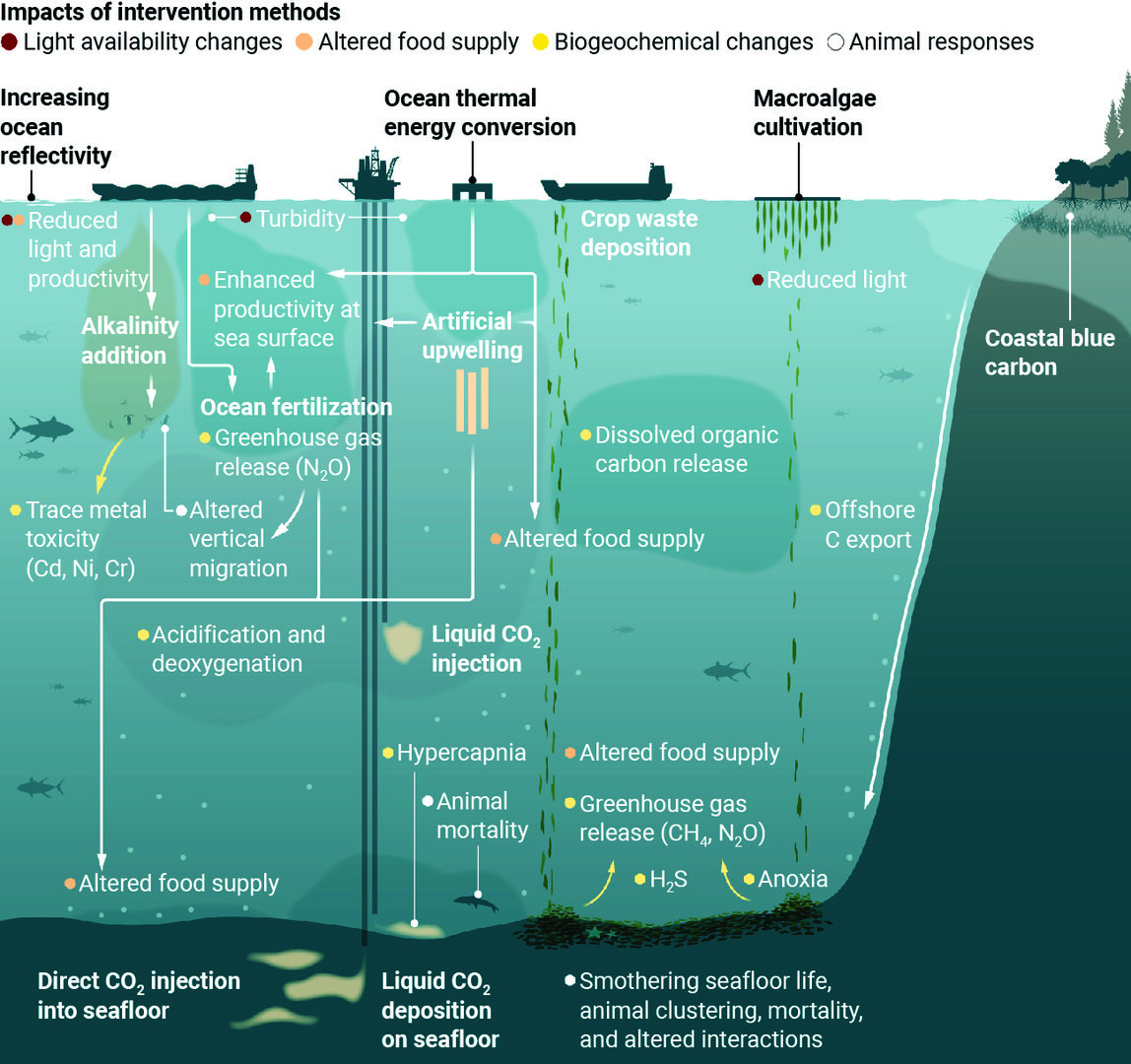
This research explores the potential effects of ocean-based climate interventions (OBCIs) on deep-sea ecosystems. It addresses the growing interest in using the ocean as a source of climate change mitigation solutions and highlights the need to consider the biogeochemistry and ecosystems of the deep sea, which have received limited attention thus far. The researchers discuss various OBCIs and their potential impacts on deep-ocean ecosystems, emphasizing the governance challenges associated with these interventions. They emphasize the necessity of an integrated research framework to centralize the consideration of deep-sea impacts in mitigation planning. The study highlights the interconnectedness of the surface and deep ocean and the potential transfer of impacts through the water column and to the seafloor. The researchers also discuss the possible consequences of OBCIs on biodiversity, nutrient cycling, carbon sequestration, and the overall functioning of deep-sea ecosystems. The study finally underscores the importance of incorporating deep-sea impacts into assessment, governance, and reporting frameworks to ensure the sustainable implementation of OBCIs.
Reference:
Levin, L.A., Alfaro-Lucas, J.M., Colaço, A., Cordes, E.E., Craik, N., Danovaro, R., Hoving, H.J., Ingels, J., Mestre, N.C., Seabrook, S., Thurber, A.R., Vivian, C., Yasuhara, M., (2023). Deep-sea impacts of climate interventions. Science, 379(6636), 978-981. (impact factor: 56.9)
Posted
Involved Members: Dr. Jinping CHENG, Prof. Hongbin LIU
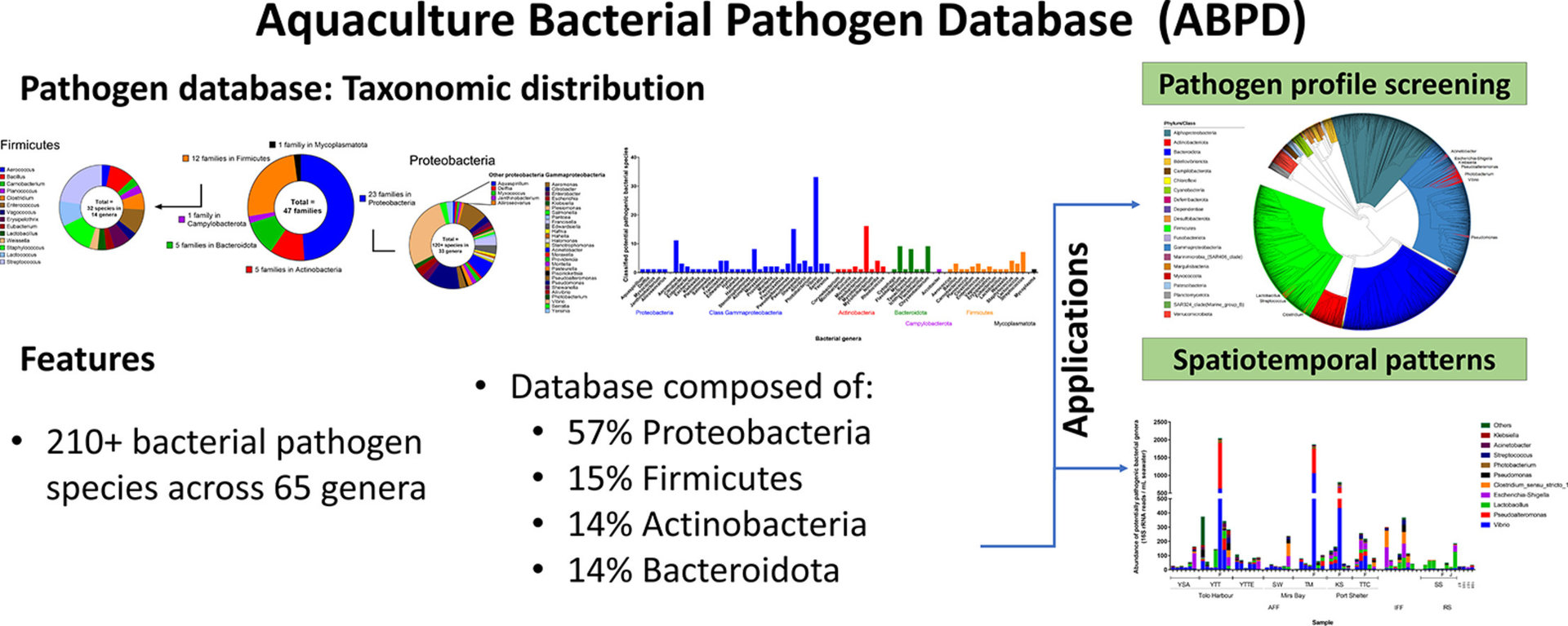
The increasing occurrence of diverse pathogens in coastal and mariculture areas demands improved monitoring platforms to prevent economic and public health implications. Accessible databases with up-to-date knowledge and taxonomy are critical for detecting and screening environmental pathogens. This study developed an aquaculture bacterial pathogen database from over 3000 relevant reports, curating over 210 bacterial pathogenic species impacting aquaculture. Applying this database to environmental DNA metabarcoding monitoring data in Hong Kong’s coastal and mariculture waters could effectively characterise regional pathogen profiles over a year, improving identification of new potential pathogen targets. The results highlighted increased potential pathogen abundance related to aquaculture activity and associated inorganic nitrogen load, primarily due to Vibrio enrichment during atypical dry winter season. This database empowers environmental DNAbased approaches in coastal marine pathogen surveillance, benefiting global water resource management and aquaculture development.
Reference:
Lo, L.S., Liu, X., Liu, H., Shao, M., Qian, P.Y., Cheng, J., (2023). Aquaculture bacterial pathogen database: Pathogen monitoring and screening in coastal waters using environmental DNA. Water Research X, 20, 100194. (impact factor: 9.365)
Posted
Involved Members: Dr. Leo Lai CHAN, Prof. Jianwen QIU
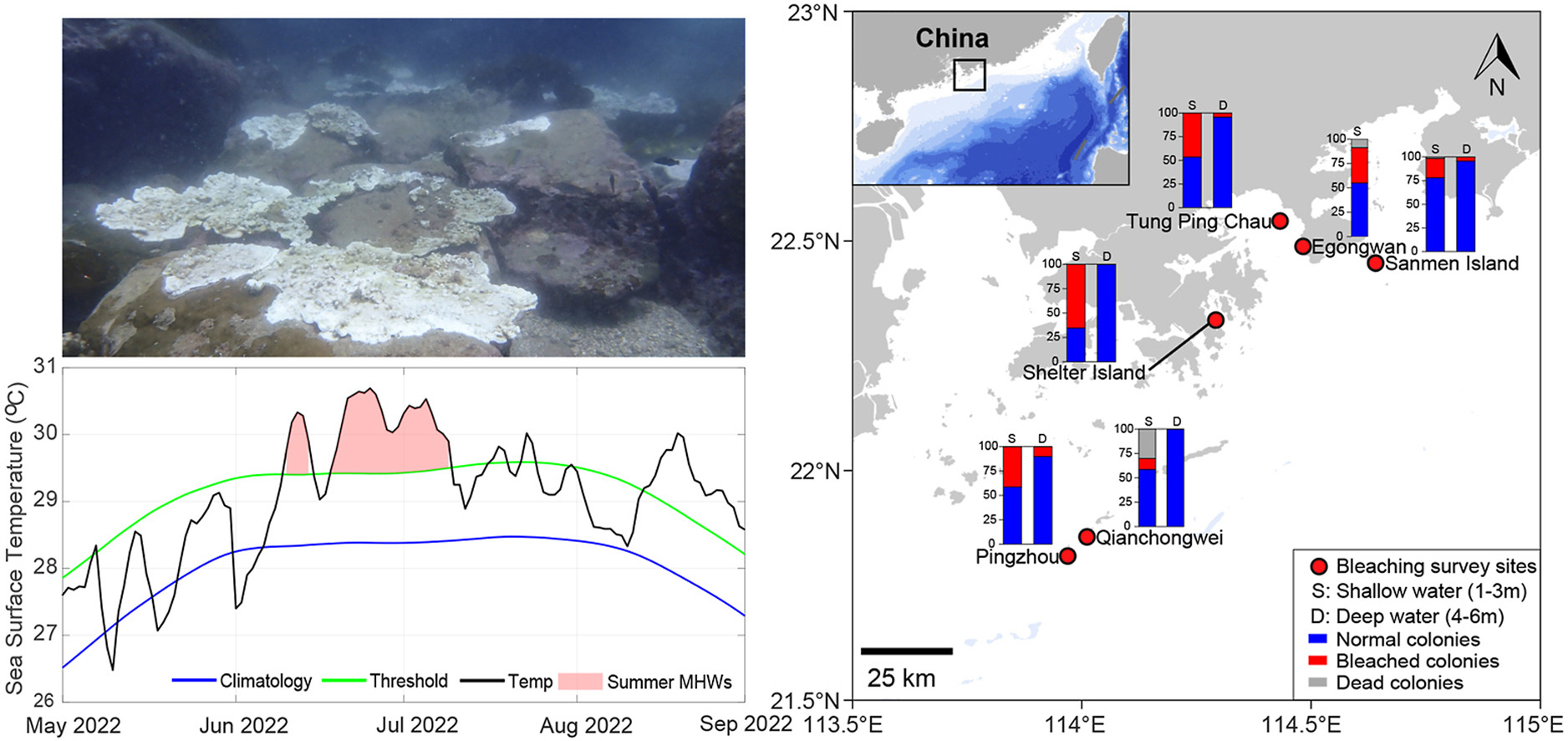
Coral communities in China’s Greater Bay Area (GBA) experienced an unprecedented coral bleaching event in the scleractinian coral communities located in the northern South China Sea (nSCS) from July to August 2022. This research conducted field surveys at 6 sites in the three main coral distribution areas of the GBA. The results indicate that coral bleaching was observed at all sites, with the bleaching being more severe in the shallow waters (1-3 meters) compared to the deeper waters (4-6 meters). By analysing oceanographic data, marine heatwaves (MHWs) were detected during the summer in 3 of the surveyed areas, with mean intensities between 1.62 and 1.97°C and durations between 5 and 22 days. Histological oceanographic data further suggested a significant increase in the frequency, intensity, and total days of MHWs in 2022 compared to previous years. This impacted the structure of subtropical coral communities in the nSCS and weakened their potential as thermal refugia.
Reference:
Zhao, Y., Chen, M., Chung, T.H., Chan, L.L., Qiu, J.W., (2023). The 2022 summer marine heatwaves and coral bleaching in China's Greater Bay Area. Marine Environmental Research, 189, 106044. (impact factor: 3.737)
Posted
Involved Member: Prof. Nora Fung Yee TAM
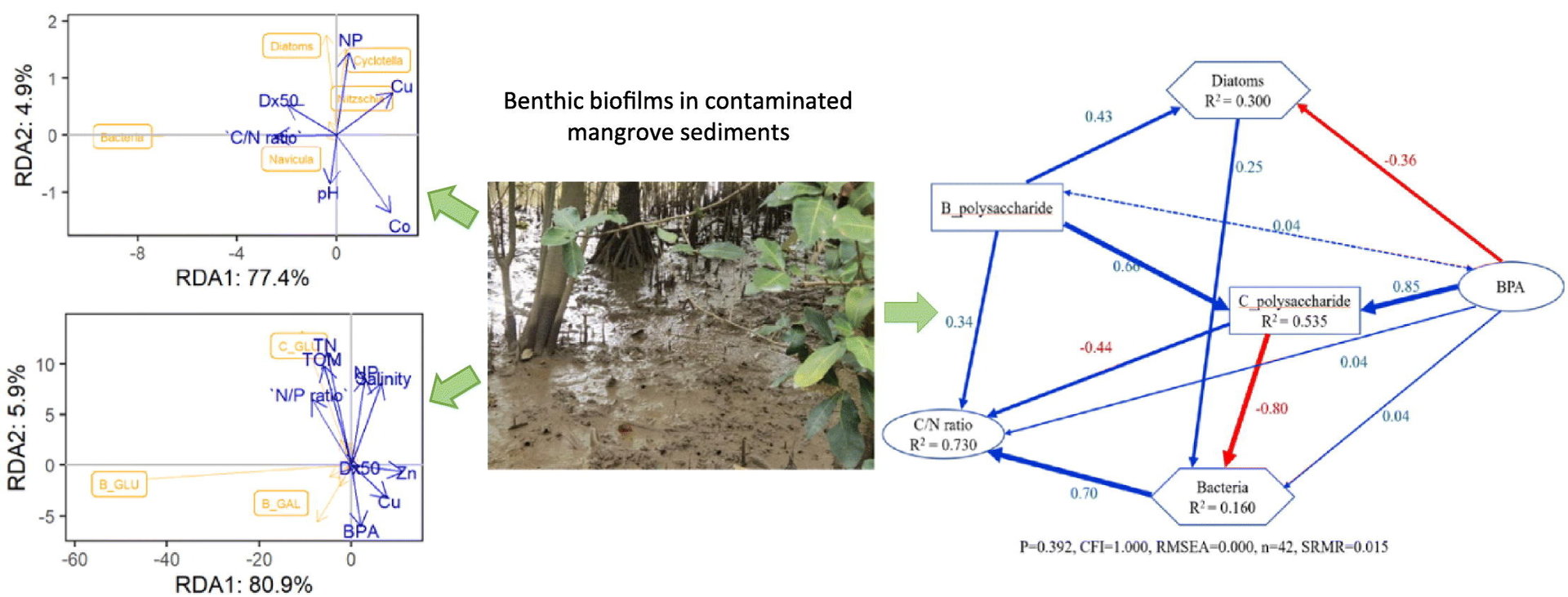
This study investigates the factors involved in shaping sediment biofilms in contaminated mangrove sediments through in-situ characterization of biofilm components and environmental factors. The pennate diatom Navicula plays a crucial role in balancing the abundance of Nitzschia and Cyclotella and producing bound-polysaccharides. The taxa composition shifts in a high N/P matrix, with the populations of pennate diatoms increasing but that of centric diatoms decreasing. High nutrient concentrations result in more diatoms and elevated levels of extracellular polymeric substances (EPS), which are consumed by bacteria and these bacteria tend to be more symbiotic with Nitzschia. The study also examines the response of biofilms to specific contaminants, which inhibit the abundance of bacteria and diatoms but enhance most EPS fractions except bound-polysaccharides. The findings contribute to understanding the microbial carbon loop of benthic biofilms in mangrove ecosystems under stress by nutrients and mixed contaminants.
Reference:
Yang, L., Yang, Q., Lin, L., Luan, T., Tam, N.F.Y., (2023). Characterization of benthic biofilms in mangrove sediments and their variation in response to nutrients and contaminants. Science of The Total Environment, 857, 159391. (impact factor: 10.754)
Posted
Involved Members: Dr. Siu Gin CHEUNG, Dr. Chun Kit KWOK, Prof. Kenneth Mei Yee LEUNG, Prof. Jianwen QIU
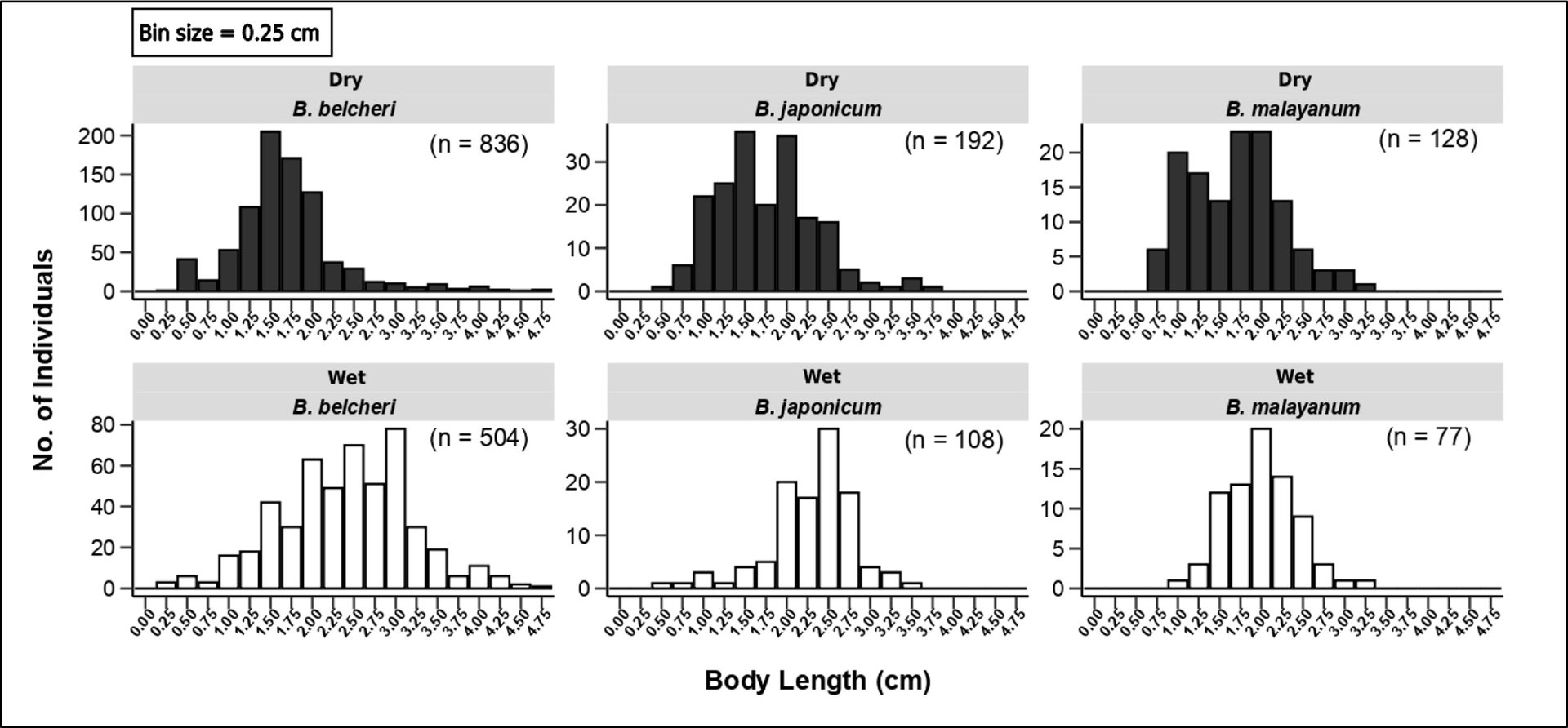
This study provides up-to-date the distribution and abundance of amphioxus at 23 sites spanning the eastern, southern and southwestern waters of Hong Kong. Amphioxus is classified as a Class II protected species in China. This study also elaborated the relationship between amphioxus abundance and environmental factors. The results show that amphioxus strongly prefer shallow seabed with coarse sandy sediment and low organic matter content, indicating that subtle changes in substratum and water quality may alter the distribution and abundance of amphioxus in Hong Kong. It is suggested that cautious planning in coastal development is required so as to minimize anthropogenic disturbance and pollution in the core habitats of amphioxus. The study also reveals seasonal differences in population size structure, with higher percentages of juveniles in the dry season, indicating reproductive seasonality in amphioxus.
Reference:
Au, M.F., Au, H.M., Chu, W.K., Kwok, C.K., Cheung, S.G., Leung, K.M.Y., Qiu, J.W., (2023). Spatial distribution, abundance, seasonality and environmental relationship of amphioxus in subtropical Hong Kong waters. Regional Studies in Marine Science, 57, 102726. (impact factor: 2.166)
Posted
Involved Member: Dr. Henry Yuhe HE
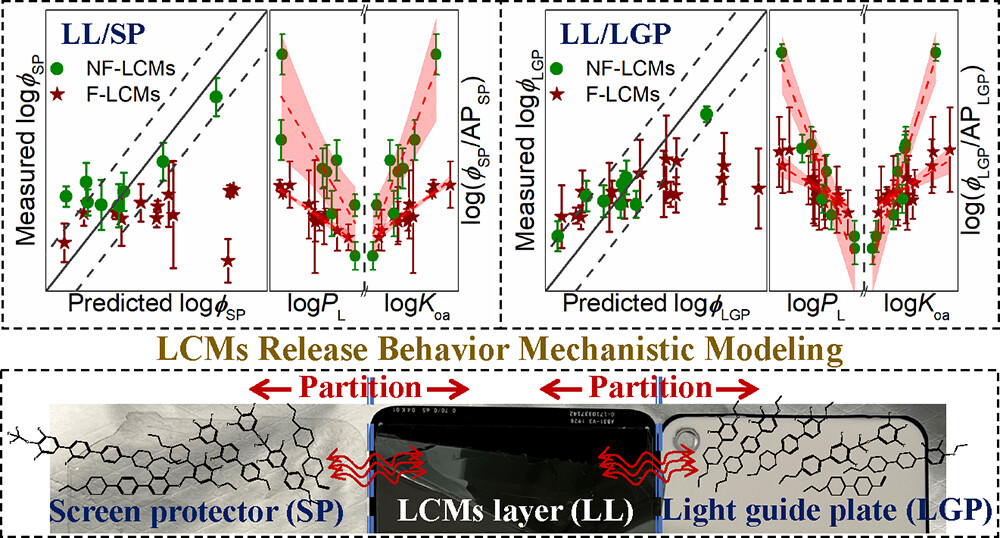
Liquid crystal display (LCD) screens can release organic pollutants into indoor environments, including liquid crystal monomers (LCMs), which have been proposed as a novel class of emerging pollutants. Understanding the release pathways and mechanisms of LCMs from different components of LCD screens is crucial for accurate assessment and comprehension of their environmental transport behaviour and fate in the ambient environment. In this study, LCMs were detected in the LCM layer (LL), light guide plate (LGP), and screen protector (SP) of waste smartphone screens. The LL was identified as the source of LCMs in the LGP and SP. Emission factors of LCMs from the waste screen, SP, LGP were estimated and a mechanism model was developed. The study suggests that LCMs in LGP could reach diffusion-partition equilibrium more quickly than those in SP, indicating that LCM release could be mainly governed through SP diffusions.
Reference:
Jin, Q., Yu, J., Fan, Y., Zhan, Y., Tao, D., Tang, J., He, Y.H., (2023). Release behavior of liquid crystal monomers from waste smartphone screens: occurrence, distribution, and mechanistic modeling. Environmental Science & Technology, 57(28), 10319-10330. (impact factor: 11.357)