

The Digital Shift: Redefining Global Value Chains in a Connected World
On 20-21 April 2026, the Hong Kong Commercial and Maritime Law Centre of City University of Hong Kong, the Erasmus Center of Law and Digitalization, and Renmin University of China Law School co-organized the conference entitled "The Digital Shift: Redefining Global Value Chains in a Connected World". This cross-regional collaboration integrates the strengths of Hong Kong SAR, Europe, and Chinese Mainland in the field of digital rule of law, demonstrating the collective power to address the challenges of digitalization in global value chains.
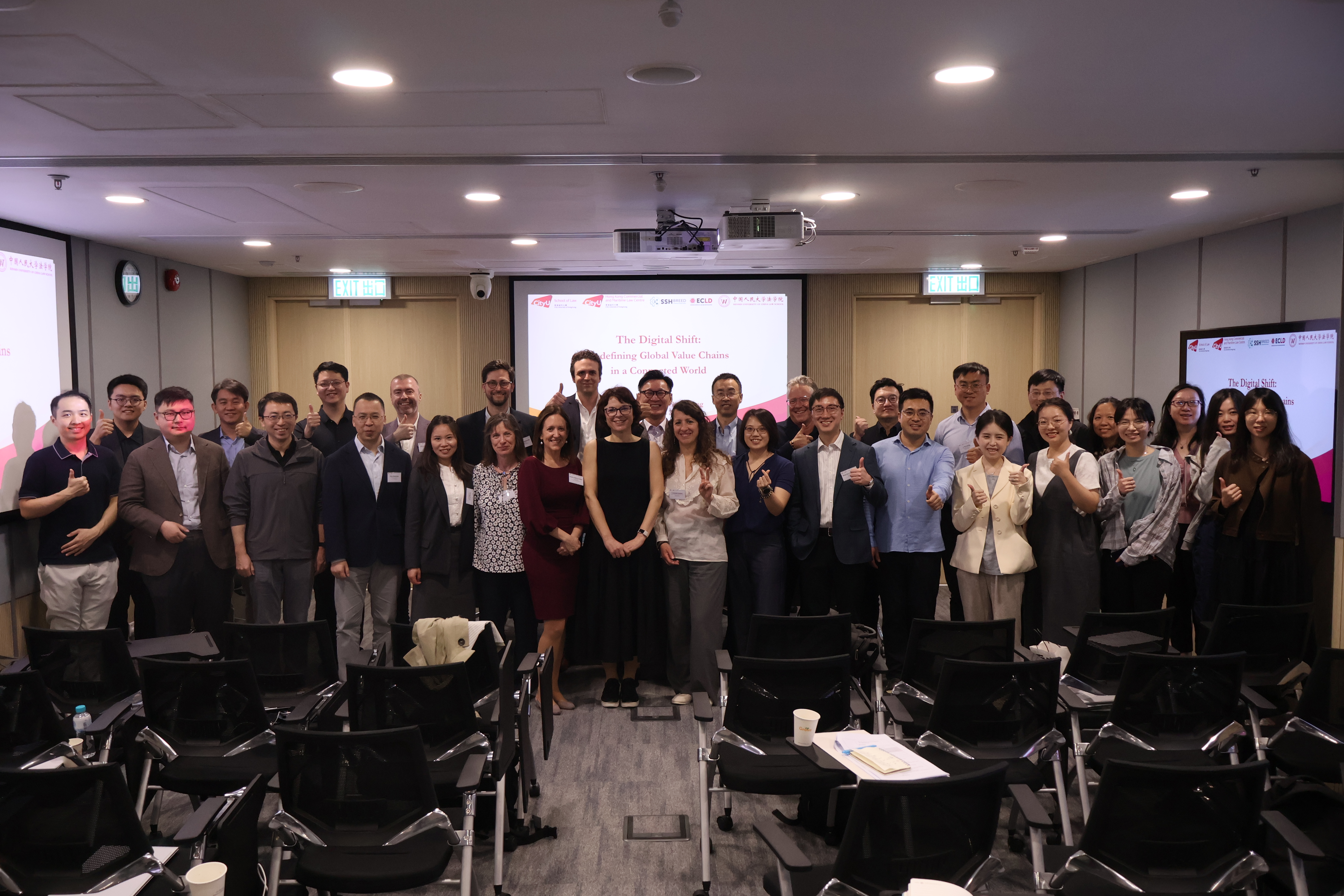
On the first day of the conference, Dean and Chair Professor of Basic Law of CityUHK School of Law, Prof. Lin Feng delivered welcome remarks. Following him, HKCML Director Prof. Alex Loke (CityUHK), Prof. Koen Swinnen (EUR), and Associate Dean Prof. Ding Xiaodong (RUC Law School) each gave opening remarks. They restated the theme of the conference and expressed their expectations for insightful discussions and the smooth running of the event.
Lasting for one and a half days, the conference was divided into six panels. Panel Session I focused on the theme of "AI, Platform and GVCs". Prof. Gianclaudio Malgieri highlighted digital dependency and vulnerability in AI-driven platforms. Prof. Cui Guobin introduced the legality of user agreement clauses restricting machine access. Prof. He Tianxiang discussed copyrighted "products", digital shift and GVC.
Panel Session II turned to the theme of "Emerging Challenges in GVCs". Prof. Dai Xin examined the normative expectations on AI, distinguishing between AI as "mirrors" that replicate human performance and AI as "models" that exceed human standards. Prof. Cristiana Santos discussed the regulation and enforcement of dark patterns in the EU from the GDPR and DSA perspectives. Prof. Marija Bartl addressed private law, predistribution, and AI in global value chains before the algorithm.
Panel Session III addressed the theme of "Data Protection, Data Governance and GVCs". Prof. Darren McCauley discussed just digital circularities for data centres in the EU. Prof. Koen Swinnen examined the commodification of data and its potential use as collateral. Prof. Li Wenlong and Ms. Jiakun Luo turned to value creation, capture, and distribution in AI-powered game development. Prof. Sun Jingzhou highlighted governance challenges of cross-border data flows in embodied intelligence systems.
Panel Session IV focused on the theme of "Accountability and GVCs". Prof. Anna Beckers examined global value chain laws as digital laws and the industrial/digital interface. Prof. Paula Giliker discussed whether parent companies should be held vicariously liable for the torts of their overseas subsidiaries. Prof. Ding Xiaodong addressed notice-takedown as a reporting-governance mechanism for reimagining platform liability. Prof. Li Shu turned to product safety, product liability and GVCs. Prof. Chen Yang highlighted the registration of AI secrets.
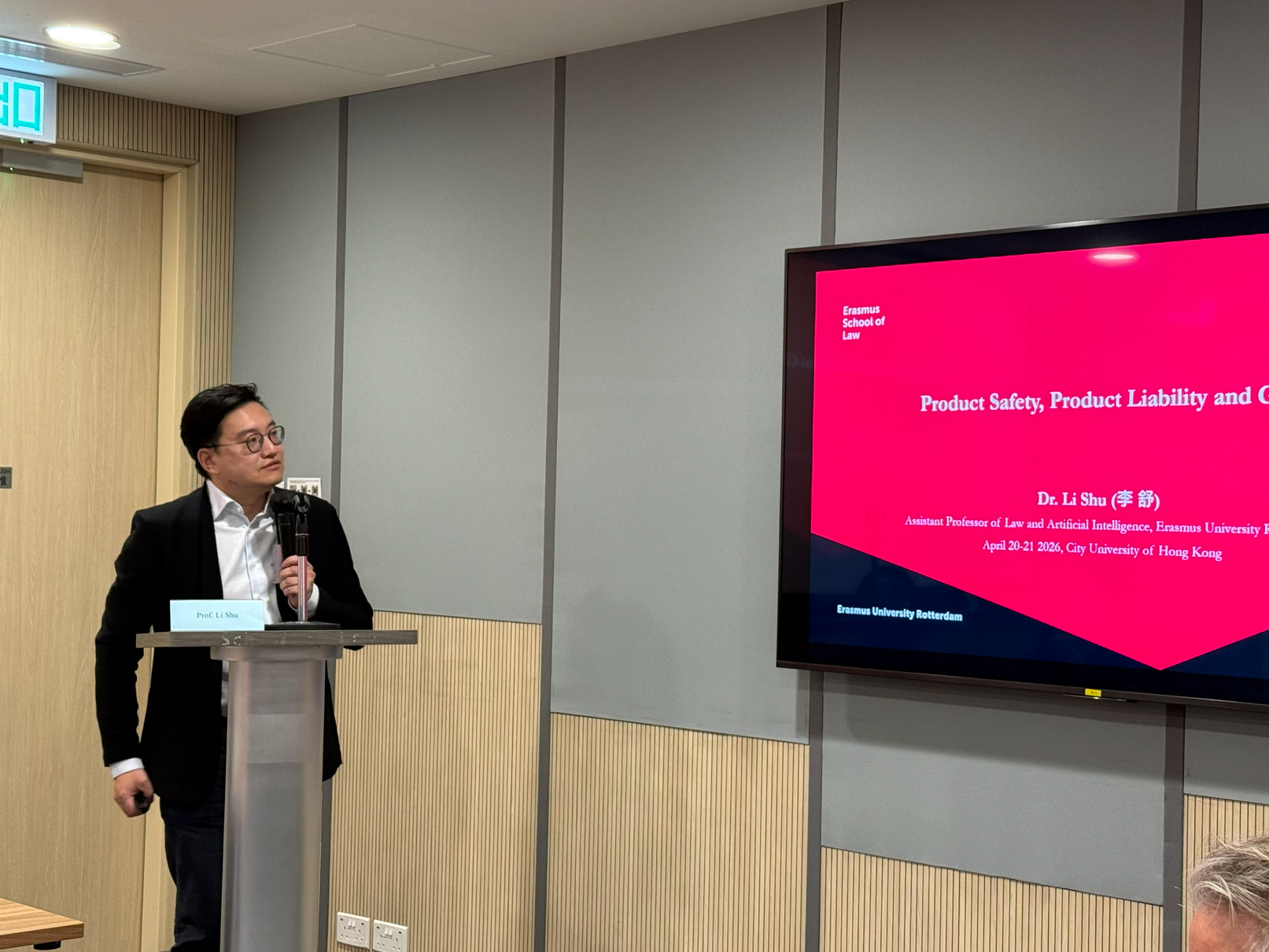
The morning sessions on the second day further broadened the conference's exploration of global perspectives and competition-related issues.
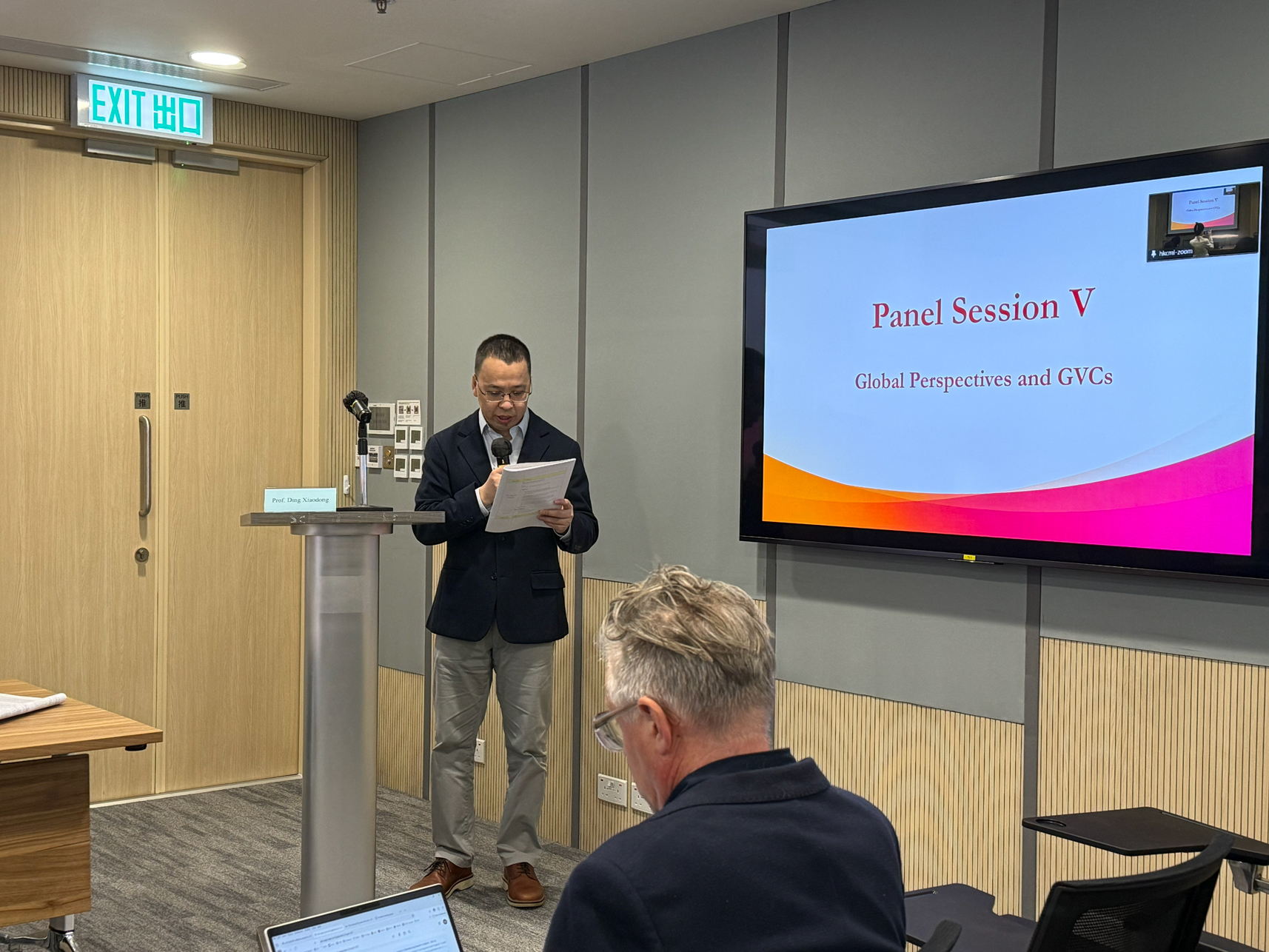
Panel Session V, themed "Global Perspectives and GVCs", opened with Prof. Martin Ebers, who emphasised the duties and obligations of AI providers. Prof. Lee Jyh-An provided an insightful discussion of China's AI regulatory framework, main characteristics, and vision. Prof. Alvin Hoi-Chun Hung emphasised the growing influence of algorithmic systems in structuring economic coordination and decision-making. Dr Zheng Kena identified market power in the AI supply chain and the potential competition challenges raised by big tech firms.
Panel Session VI, themed "Innovation, Competition and GVCs". Prof. Sun Haochen introduced the two privacy revolutions, pointing out the need to assess both harm and social utility in data governance. Prof. Sandra Marco Colino compared the ideal regulatory vision with the dilemmas of market reality, underscoring the limits of competition law. Prof. Alberto Quintavalla turned to the environmental impact of data centres and sustainability challenges. Prof. Li Zishuo introduced an algorithm-driven competition model and two regulatory approaches. He also emphasised the balance between consumer welfare and a fairer distribution of value.
The closing remarks were delivered by Prof. Li Shu and Prof. He Tianxiang. They expressed their sincere gratitude to the scholars who delivered wonderful speeches. The event came to a successful close in a warm and collegial atmosphere.
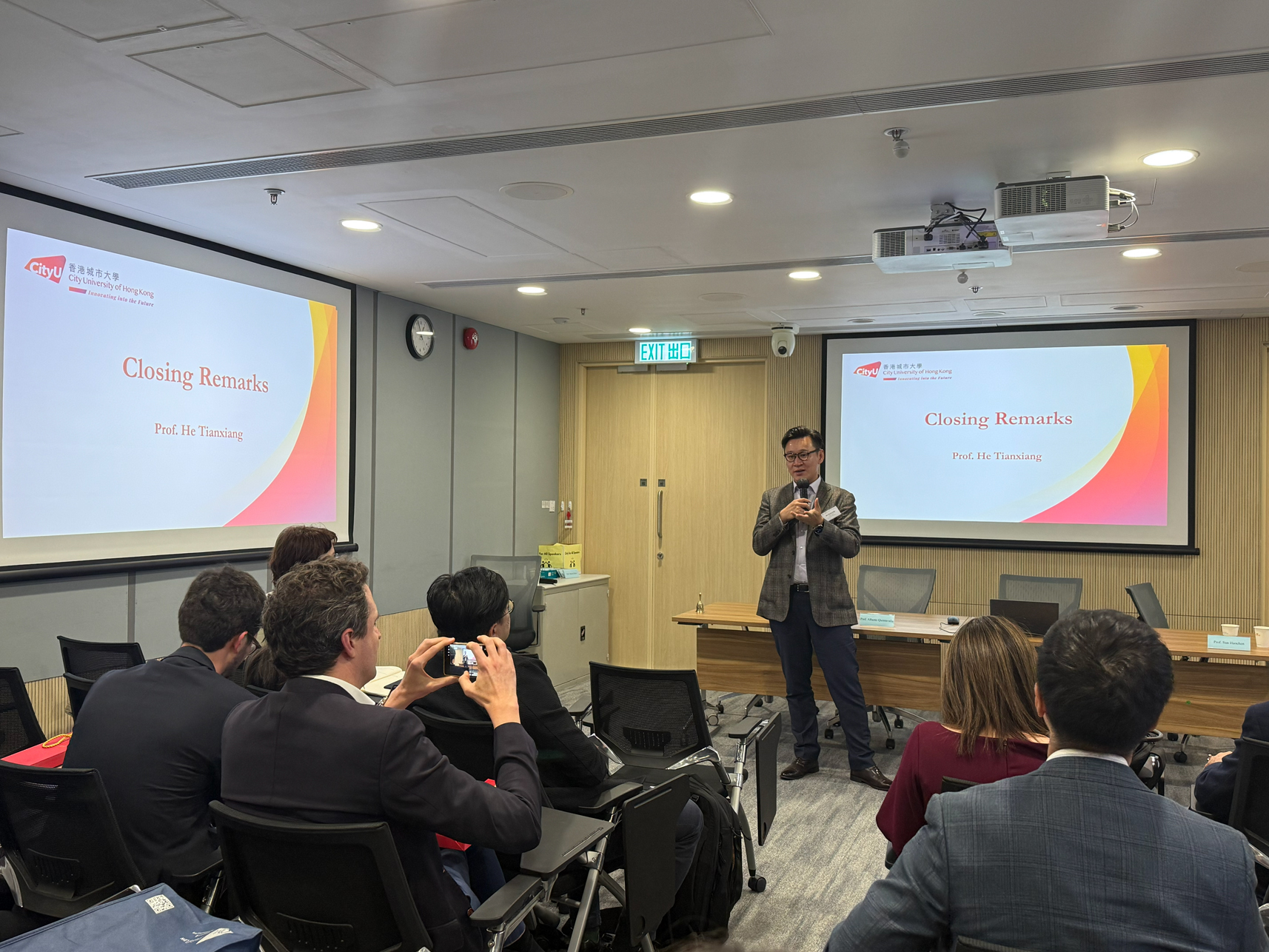
Against the backdrop of rapid technology development, this event offered an in-depth exploration of global technology governance issues. Scholars from different jurisdictions contributed diverse perspectives and profound insights to the conference. The event also attracted a wide range of participants, including academics, students, and practitioners, further extending its impact. As an important platform for international academic dialogue, City University of Hong Kong will continue to host such cross-jurisdictional exchanges and promote deeper conversations amid the ongoing global wave of technological transformation.
Written by:
Lingjun GAO
Yiyan ZHANG
Ru GUAN
2026年4月20日至21日,香港城市大學香港商務及海事法研究中心、鹿特丹伊拉斯姆斯大學法律與數位化中心、中國人民大學法學院共同主辦了題為「數字轉型:互聯世界中的全球價值鏈重構」的會議。這一跨區域的合作整合了中國香港、歐洲與中國內地三地在數字法治領域的優勢資源,彰顯了應對全球價值鏈數字化挑戰的協同力量。
會議第一天,香港城市大學法學院院長、基本法講座教授林峰致歡迎辭。隨後,香港商務及海事法中心主任Alex Loke教授(香港城市大學)、Koen Swinnen教授(鹿特丹伊拉斯姆斯大學)以及副院長丁曉東教授(中國人民大學法學院)分別致開幕辭。他們重申了會議主題,並期待本次會議能夠展開富有洞見的討論並順利舉行。
會議持續一天半,共分為六個專題討論。第一場專題討論的主題為「人工智能、平台與全球價值鏈」。Gianclaudio Malgieri教授討論了人工智能驅動平台中的數字依賴與脆弱性。崔國斌教授介紹了限制機器訪問的用戶協議條款的合法性。何天翔教授探討了版權「產品」、數字轉型與全球價值鏈。
第二場討論轉向「全球價值鏈中的新興挑戰」這一主題。戴昕教授探討了對人工智能的規範性期待,並區分了作為「鏡像」而複製人類表現的人工智能,與作為「模範」而超越人類標準的人工智能。Cristiana Santos教授從《通用數據保護條例》與《數字服務法案》視角討論了歐盟暗模式的規制與執法。Marija Bartl教授則討論了算法之前的私法、預分配與全球價值鏈中的人工智能。
第三場專題討論的主題為「數據保護、數據治理與全球價值鏈」。Darren McCauley教授討論了歐盟數據中心公正的數字循環利用問題。Koen Swinnen教授探討了數據的商品化及其作為擔保物的潛在用途。李汶龍教授與羅佳坤女士介紹了人工智能驅動遊戲開發中的價值創造、捕獲與分配。孫靖洲教授強調了具身智能系統中跨境數據流的治理挑戰。
第四場專題討論聚焦於「問責制與全球價值鏈」這一主題。Anna Beckers教授探討了作為數字法律的全球價值鏈法律以及對工業/數字界面的審視。Paula Giliker教授討論了母公司是否應為其海外子公司的侵權行為承擔替代責任。丁曉東教授探討了作為報告-治理機制的通知-刪除制度對平台責任的重構。李舒教授探討了產品安全、產品責任與全球價值鏈。陳揚教授介紹了人工智能秘密的登記。
第二天上午的討論進一步拓展了本次會議對全球視野和競爭法相關問題的探索。
第五場研討會以「全球視野下的全球價值鏈」為主題。Martin Ebers 教授首先發言,強調 AI 提供者應當承擔的義務與責任。李治安教授則對中國人工智能監管框架、其主要特徵及發展願景作出了全面的分析。洪凱晉教授著重指出,算法系統在經濟協調與市場決策方面的影響力正持續增強。鄭柯娜博士則指出了AI 供應鏈中的強大市場力量,以及大型科技企業帶來的競爭法挑戰。
第六場專題討論以 「創新,競爭與全球價值鏈」為題。孫皓琛教授介紹了私隱革命,同時指出在數據治理中有必要同時評估社會損害與效用。Sandra Marco Colino教授比較了理想中的監管願景與現實市場中的困境,並強調了競爭法本身的局限。Alberto Quintavalla教授則探討數據中心對環境的影響及其所帶來的可持續發展挑戰。李子碩教授則介紹了算法驅動下競爭模式及兩種監管進路,並進一步強調消費者整體福利與公平價值分配之間的平衡。
最後李舒教授與何天翔教授發表閉幕致辭。兩位教授向所有作出精彩演講的學者表達了誠摯謝意。至此,本次會議在溫馨融洽的氣氛中圓滿落幕。
在科技迅速發展的時代背景下,本次活動對全球科技治理議題進行了深入探討。來自不同法域的學者為本次會議貢獻了多元視角與深刻洞見。活動亦吸引了眾多學者、師生及實務工作者參加,進一步擴大了活動影響力。作為國際學術對話的重要平台,香港城市大學將繼續舉辦此類跨法域學術活動,在全球科技變革浪潮中促進更多有意義的對話與交流。
撰稿:
高凌珺
張藝嚴
關儒