CityUHK cultivates a circular food system: from rooftop gardens to campus dining
Sustainability does not always require groundbreaking technologies. Sometimes, meaningful change begins by connecting existing resources in smarter ways. At City University of Hong Kong (CityUHK), a campus-wide initiative is bringing together rooftop farming, campus dining, food waste recycling and compost reuse to create a circular food system that transforms the way food is grown, consumed and regenerated. The initiative improves resource efficiency while embedding sustainable practices into everyday campus life.
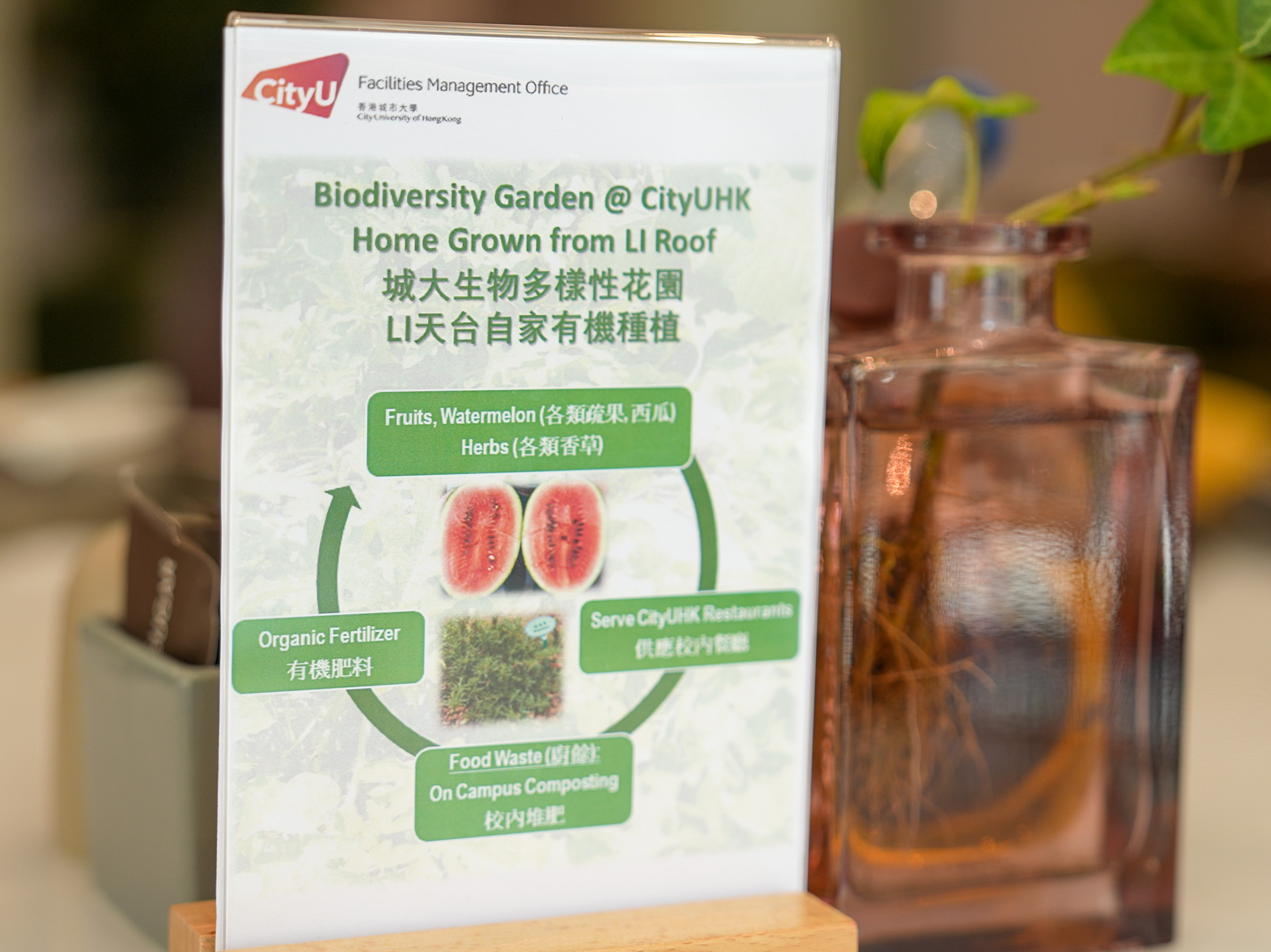
At the heart of this initiative is the Biodiversity Garden, located on the rooftop of the Li Dak Sum Yip Yio Chin Academic Building. Established in 2011, the garden serves as a green hub for education, community engagement and environmental awareness. In 2013, the University launched GROW, a community planting project that invites students, staff and alumni to take part in cultivating and managing the garden, fostering a deeper understanding of sustainable living through hands-on experience.
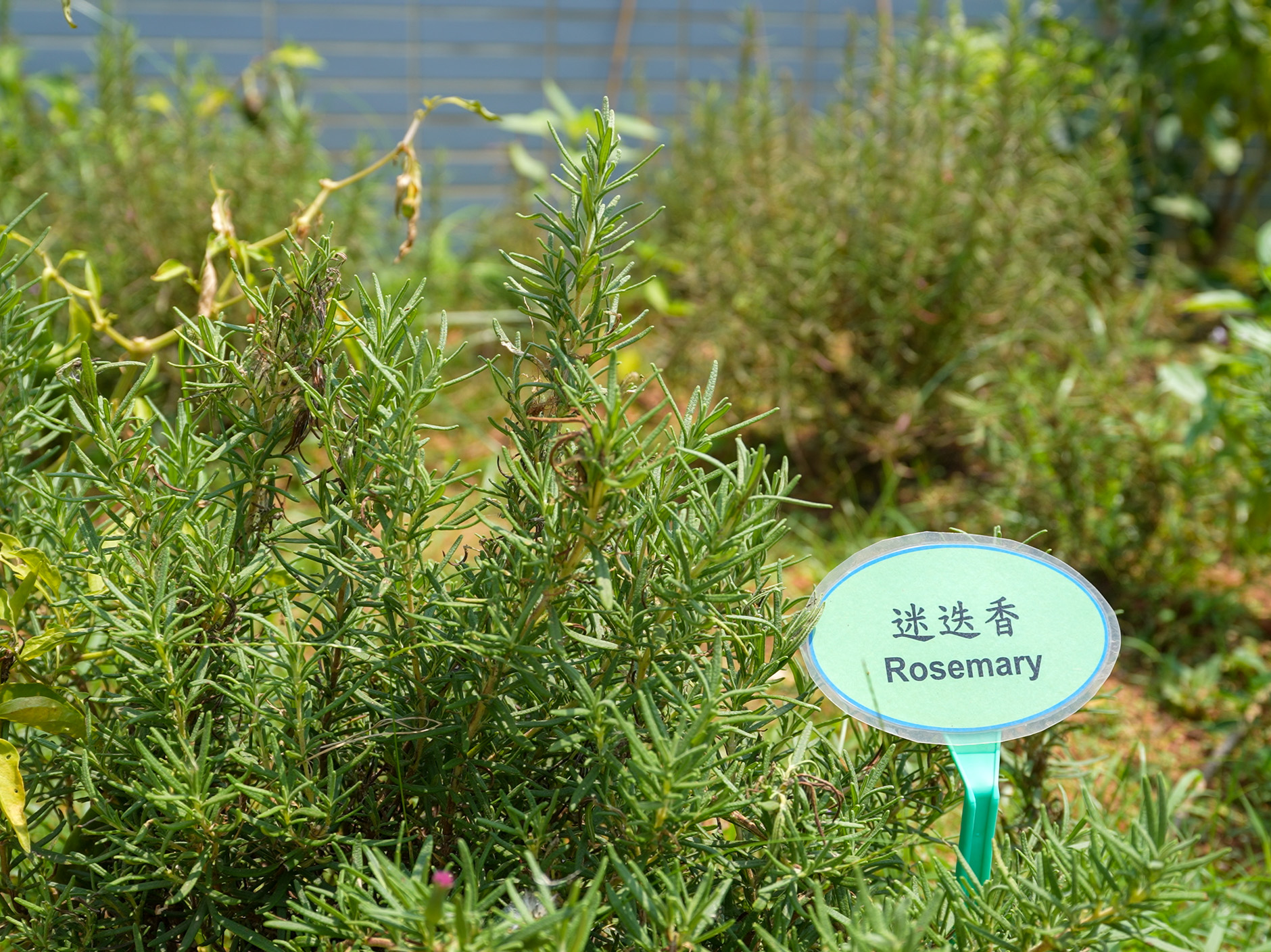
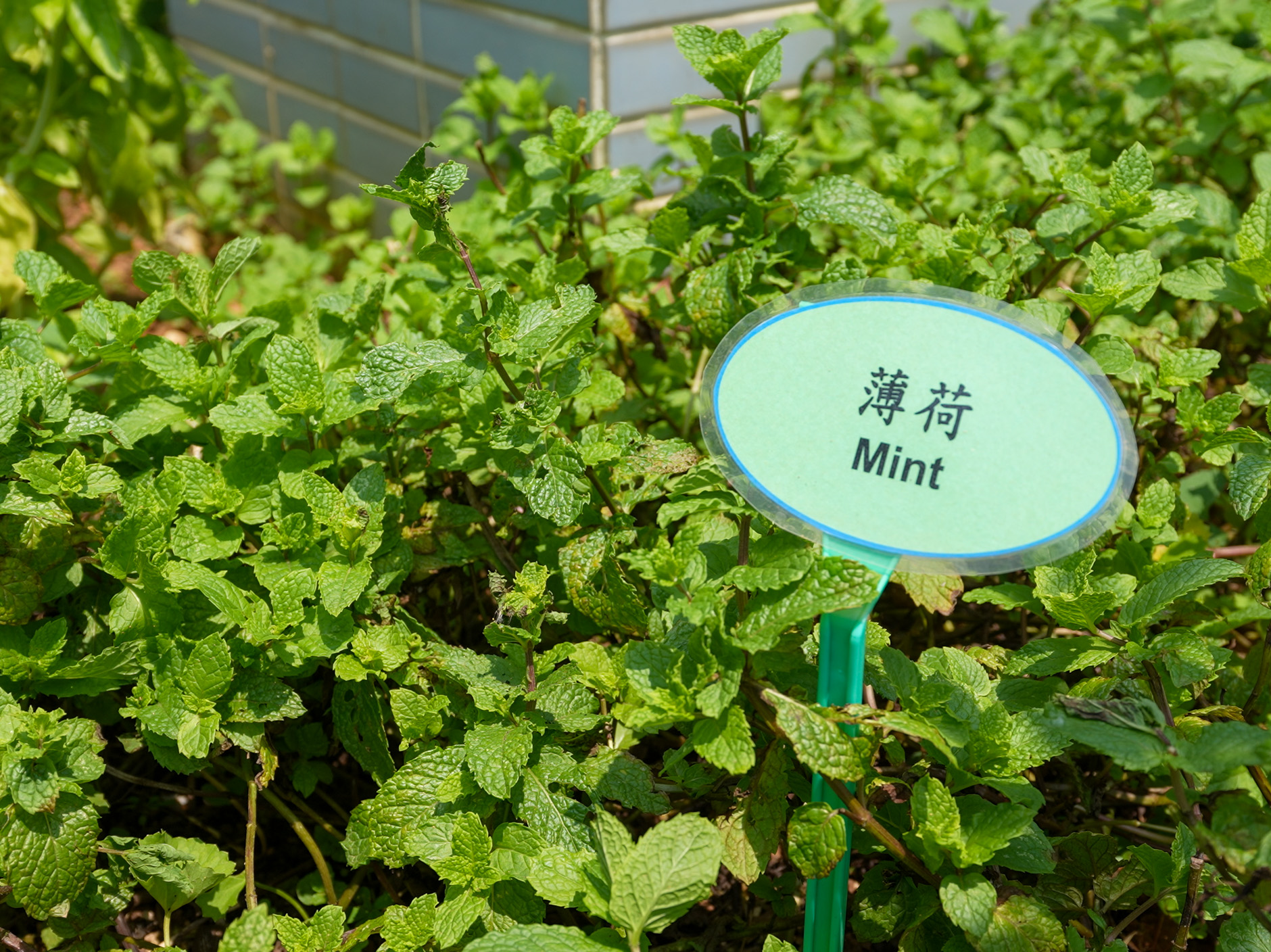
Over the years, the rooftop garden has continued to evolve. To further enhance biodiversity and sustainability, CityUHK expanded the facilities in June last year with the addition of a Sunflower Nursery, Butterfly Garden, Herbs Corner and Fruit Orchard. Seasonal crops are grown throughout the year, ranging from water spinach, eggplants, cucumbers and watermelons during the warmer months to lettuce, white turnips and strawberries in the cooler season. These harvests support educational and outreach activities while also forming an important part of the University’s food circularity initiative.
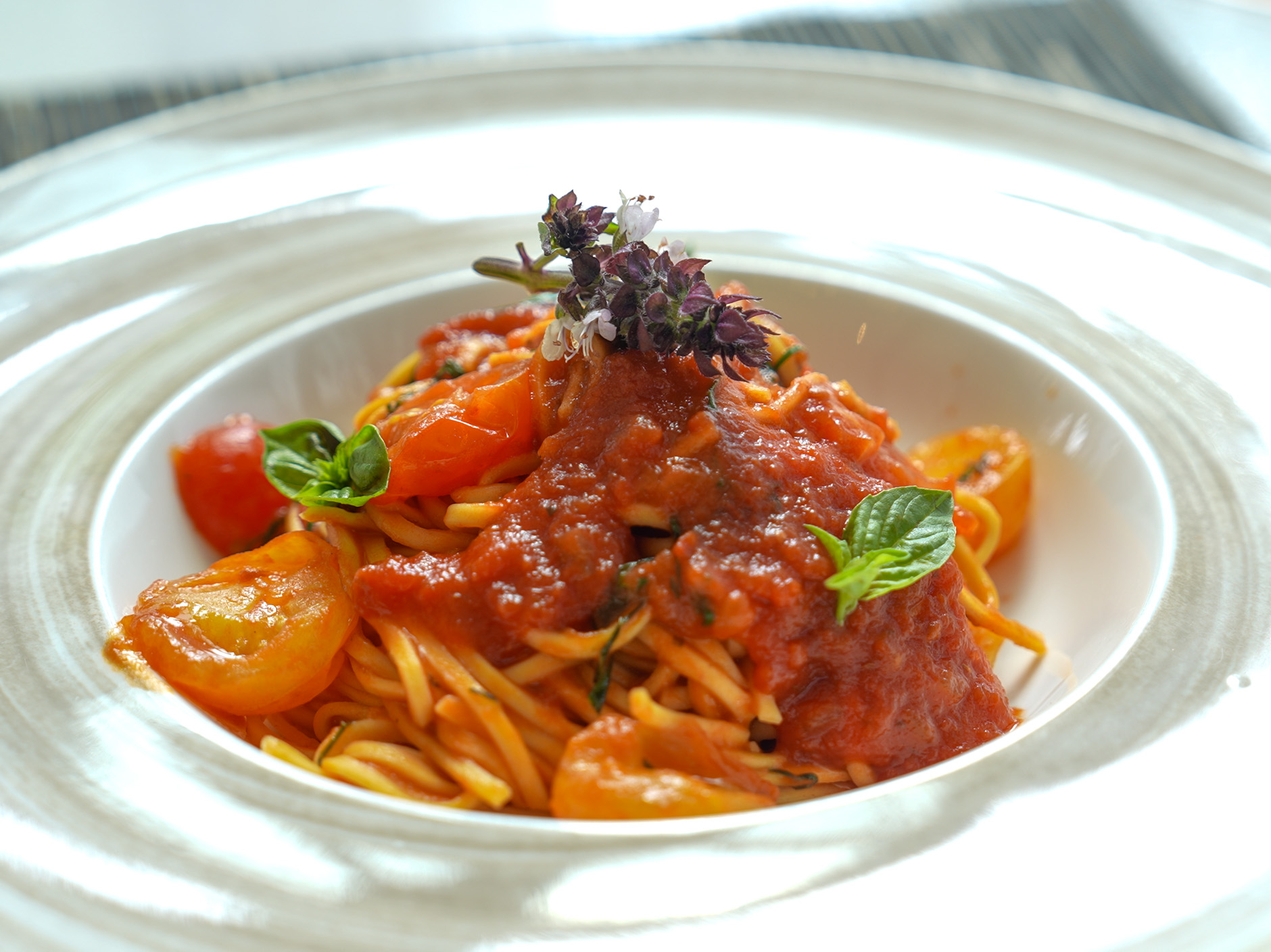
Since April this year, produce from the rooftop garden has been supplied directly to campus restaurants. Approximately 90% of the watermelons harvested and all the herbs grown in the garden are incorporated into meals served on campus, providing students and staff with fresh ingredients and exemplifying a practical “farm-to-table” model. Part of the harvest is donated to the community charity, extending sustainability principles beyond the University and into the wider community.
CityUHK’s sustainability efforts do not end at the dining table. The University is developing the next stage of the circular system by turning food waste into a valuable resource. While food waste generated by campus restaurants is currently handled through a government collection programme, the University plans to take over the sorting and recycling process once this service concludes.
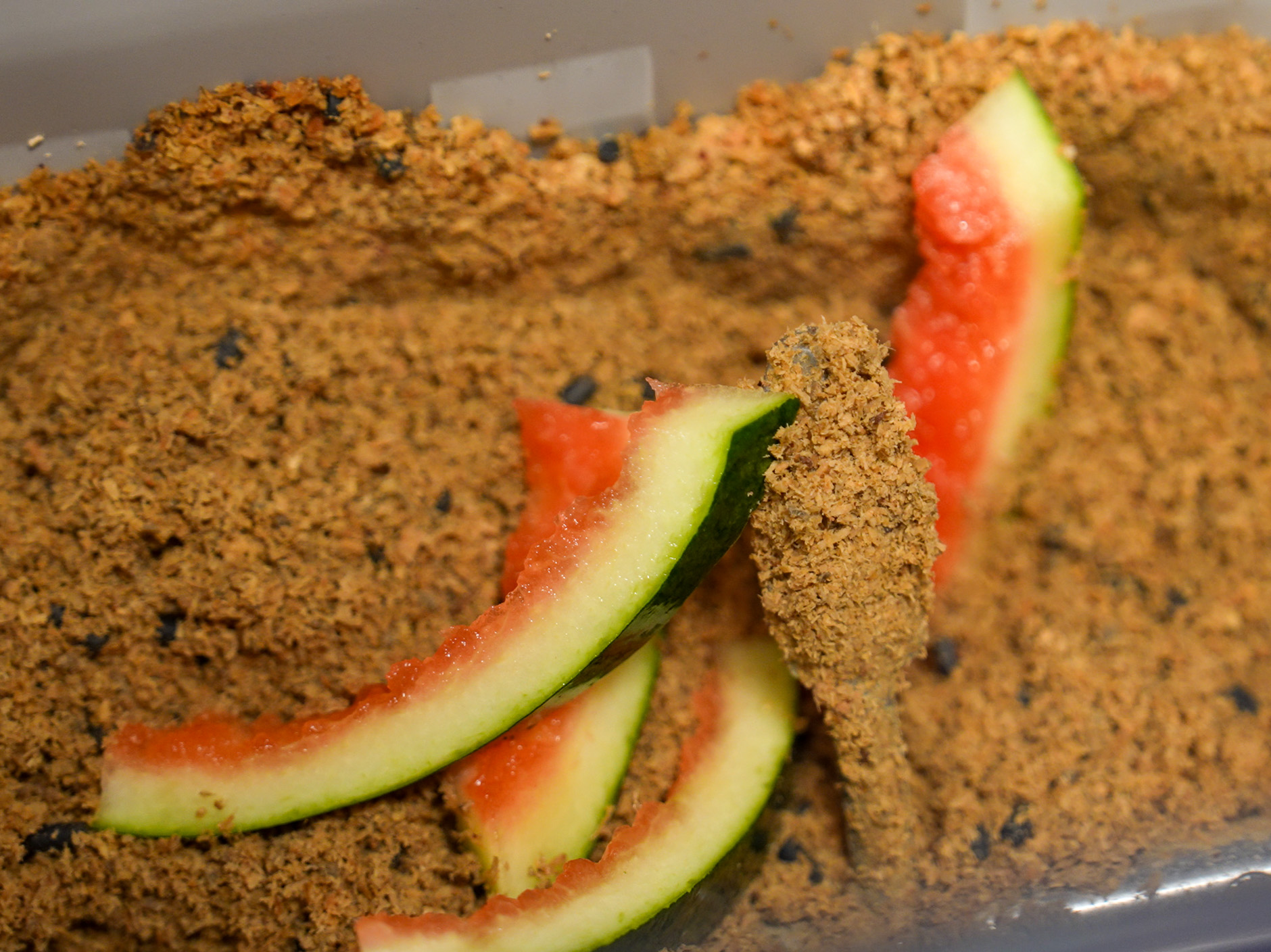
Under the new arrangement, food waste from campus restaurants will be processed on-site after the removal of materials unsuitable for decomposition, such as bones and shells. Using food waste treatment equipment, the waste can be converted into organic compost within 24 hours. The compost will then be returned to the rooftop gardens, enriching the soil and providing nutrients for future crops.
By linking cultivation, consumption and regeneration, CityUHK is creating a closed-loop system in which resources are continuously reused rather than discarded. The initiative demonstrates how relatively small changes, when connected across various parts of the campus ecosystem, can generate a much greater sustainability impact.
From rooftop gardens to campus dining tables, and from food scraps back to fertile soil, CityUHK’s approach shows how sustainability can be woven into everyday campus life. By making the best use of existing resources and connecting different stages of the food cycle, the University is demonstrating that meaningful and lasting change can start with simple, practical actions.