Showing 71 to 80 of 315 results

24 Aug 2023
DNA and RNA, the two main types of nucleic acid and the building blocks of life, are susceptible to environmental stimuli, which can cause them to deform, bend or twist. These deformations can significantly affect gene regulation and protein functions, but they are extremely difficult to measure using traditional techniques.
16 Aug 2023
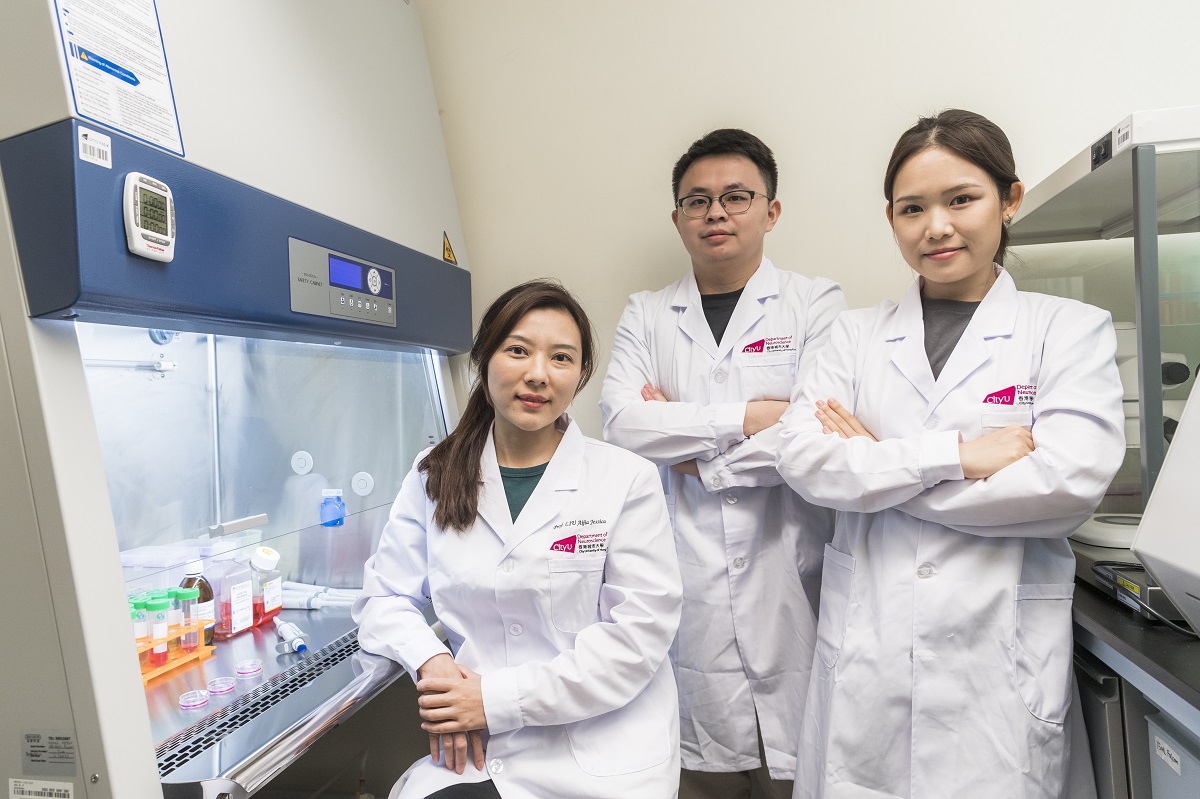
A research team co-led by City University of Hong Kong (CityU) and The University of Hong Kong (HKU) has recently made a significant advancement in spinal cord injury treatment by using genetically modified human neural stem cells (hNSCs).

03 Aug 2023
A joint research team from City University of Hong Kong (CityU) and collaborators recently developed a stable artificial photocatalytic system that is more efficient than natural photosynthesis.
-sign-agreement-for joint-promotion-of-supply-chain-financial-innovation-and-digital-inclusive-financial-services/20230207_144541_v2.jpg?rev=3eaf9cb1295a44419f6a242319b13c11&hash=AB9CA5DE34F9E2E2F7C9163AAAC7690E)
10 Jul 2023
The Laboratory for AI-Powered Financial Technologies Limited (AIFT) and Bank of China (Hong Kong) (BOCHK) have signed an agreement to jointly promote supply chain financial innovation and implement digital inclusive financial services.
06 Jul 2023
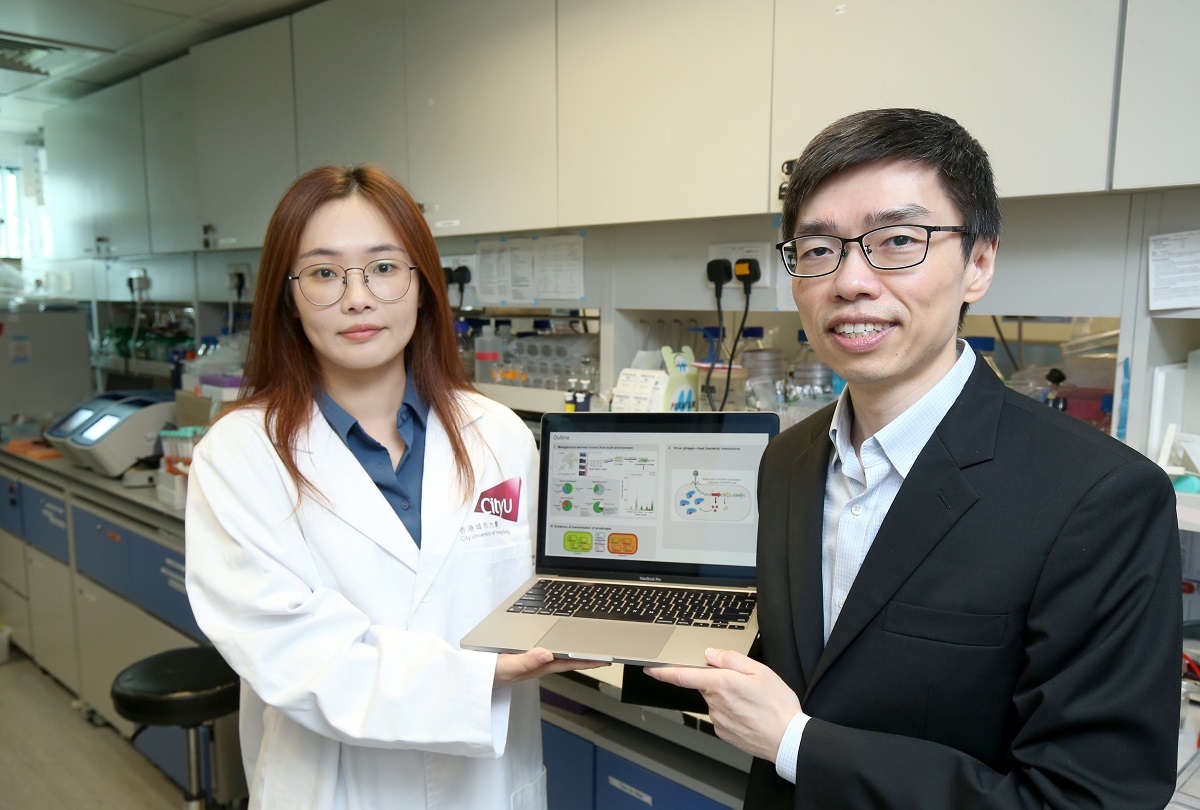
Viruses in man-made environments cause public health concerns, but they are generally less studied than bacteria. A recent study led by environmental scientists from City University of Hong Kong (CityU) provided the first evidence of frequent interactions between viruses and bacteria in man-made environments.
29 Jun 2023
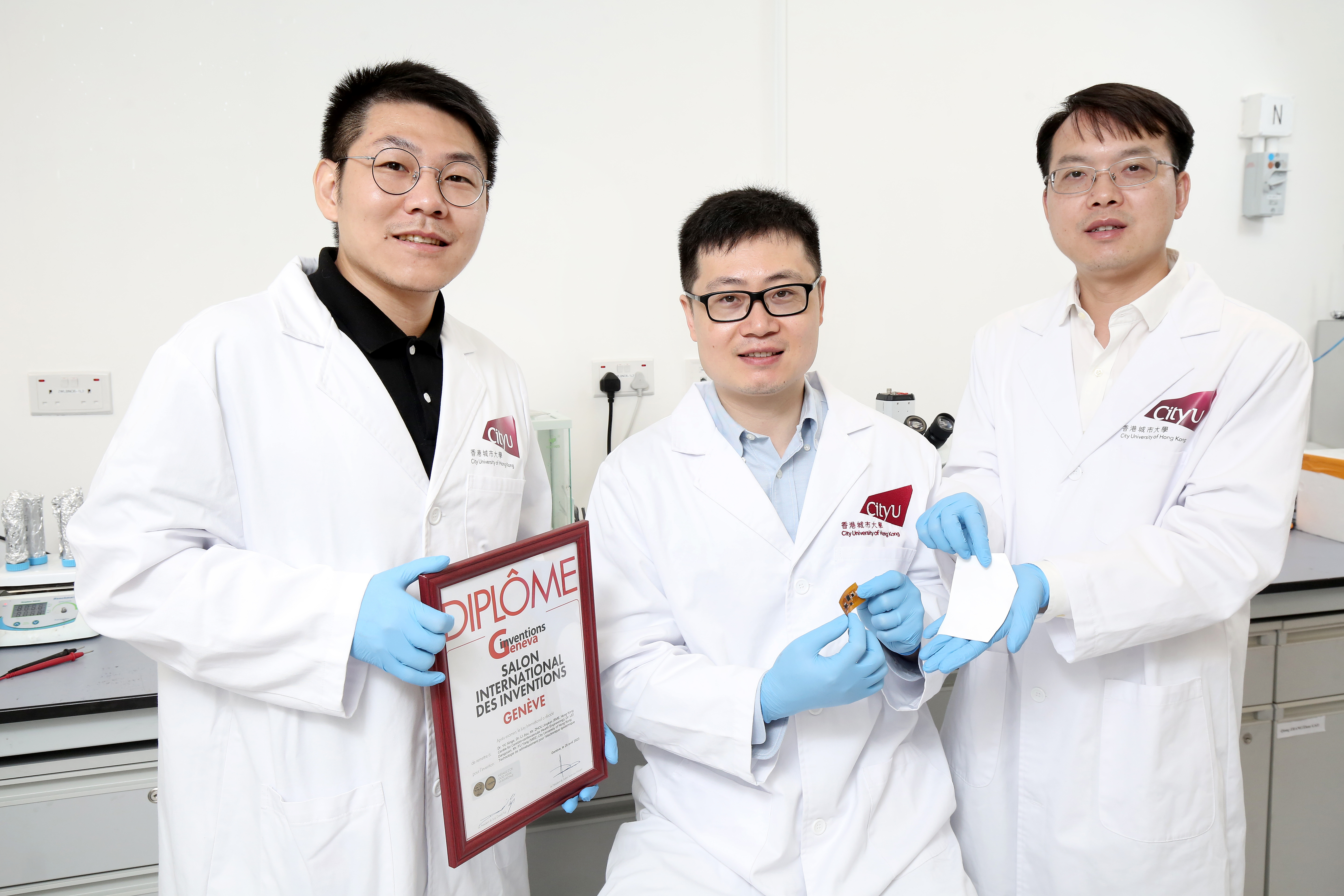
A research team led by City University of Hong Kong (CityU) invented a photonic material-based “soft, ultrathin, radiative-cooling interface” that greatly enhances heat dissipation in devices, with temperature drops more than 56°C, offering an alternative for effective thermal management in advanced wearable electronics
23 Jun 2023
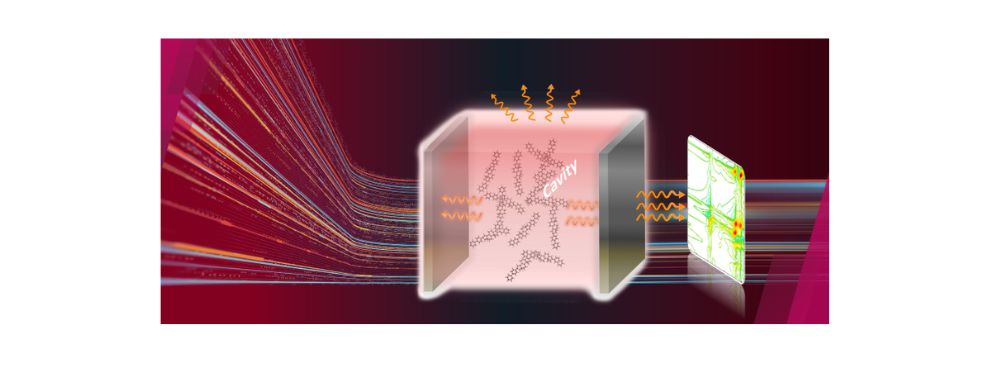
A team led by a physicist from City University of Hong Kong (CityU) recently developed a new quantum theory that explains the “light-induced phase” of matter and predicts its novel functionalities.
15 Jun 2023
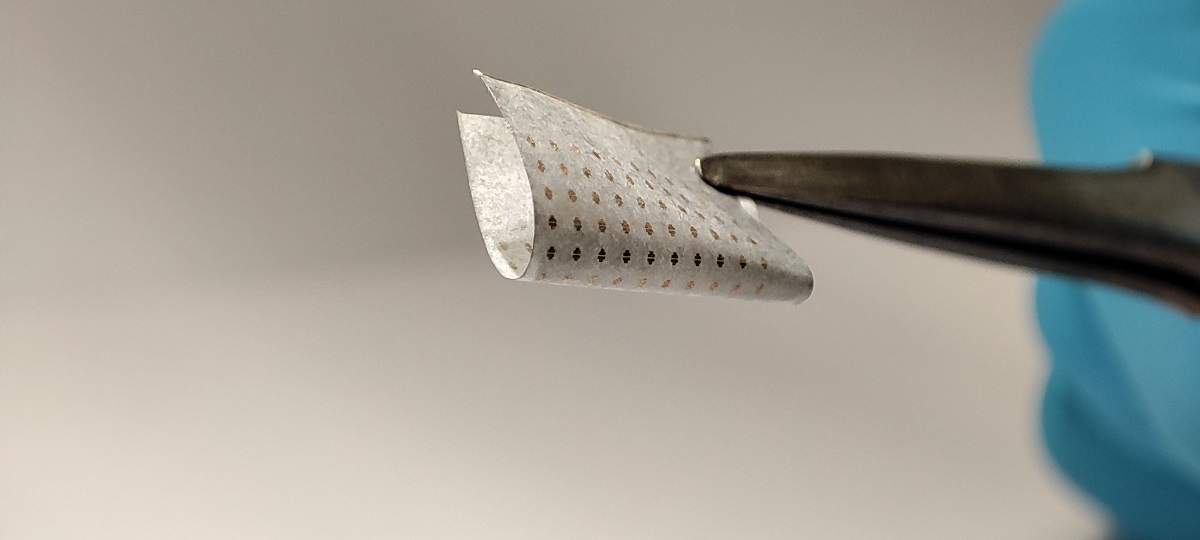
A collaborative team led by researchers from City University of Hong Kong (CityU) recently invented an innovative method for synthesizing high-quality, semiconducting nanomesh at a lower temperature and production cost than conventional methods. The findings will help enable the large-scale production of nanomesh for next-generation electronics.
06 Jun 2023
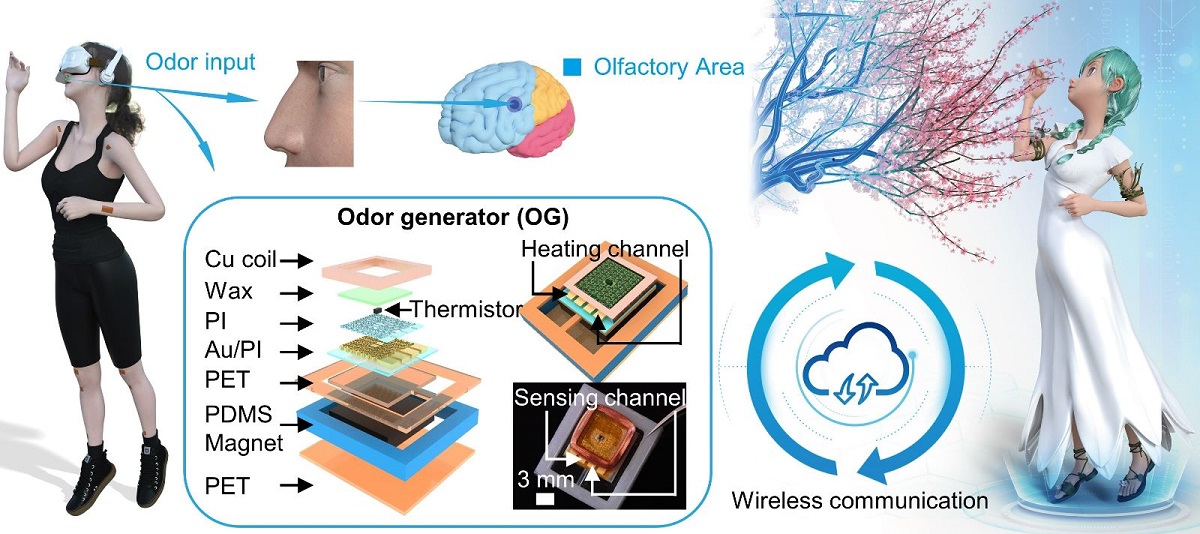
A research team co-led by researchers from City University of Hong Kong (CityU) recently invented a novel, wireless, skin-interfaced olfactory feedback system that can release various odours with miniaturised odour generators (OGs).

25 May 2023
Recently, researchers from City University of Hong Kong (CityU) developed a deep learning-based framework called EMGSense, which can achieve high sensing performance for new users using AI self-training techniques.