Showing 251 to 260 of 315 results

13 Feb 2020
Protein and DNA (deoxyribonucleic acid) may sound familiar to everyone, but RNA (ribonucleic acid) is probably another story. In fact, RNA plays a pivotal role in many aspects, such as decoding the genetic codes stored in DNA and producing protein. Dr Kwok Chun Kit, Assistant Professor from the Department of Chemistry at City University of Hong Kong (CityU), is devoted to studying RNA. He hopes to reveal the structure of a specific type of RNA and its interactions in cells, as well as its biological functions and mechanism, in order to develop chemical and molecular tools for diagnostic and therapeutic applications.

06 Feb 2020
Generating electricity from raindrops efficiently has gone one step further. A research team led by scientists from the City University of Hong Kong (CityU) has recently developed a droplet-based electricity generator (DEG), featured with a field-effect transistor (FET)-like structure that allows for high energy-conversion efficiency and instantaneous power density increased by thousands times compared to its counterparts without FET-like structure. This would help to advance scientific research of water energy generation and tackle the energy crisis.<br />
09 Jan 2020
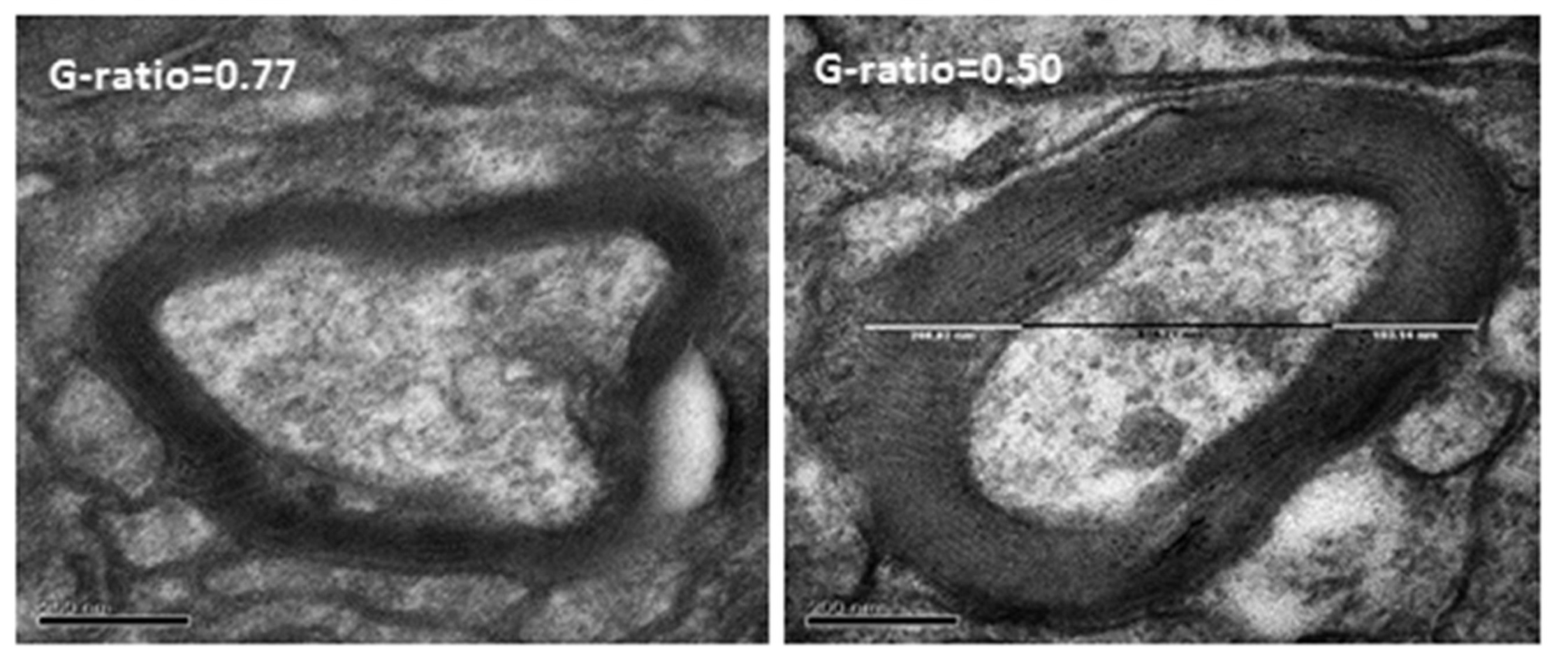
A study by City University of Hong Kong (CityU) reveals for the first time that schema-like learning can foster the growth and regeneration of brain myelin, thereby enhancing the learning and memory capacity. This has helped shed light on revealing the pathological mechanisms of central myelin diseases such as multiple sclerosis, cerebral ischemia, chronic recurrent pain, irritable bowel syndrome (IBS), severe depression and Alzheimer's disease.
19 Dec 2019
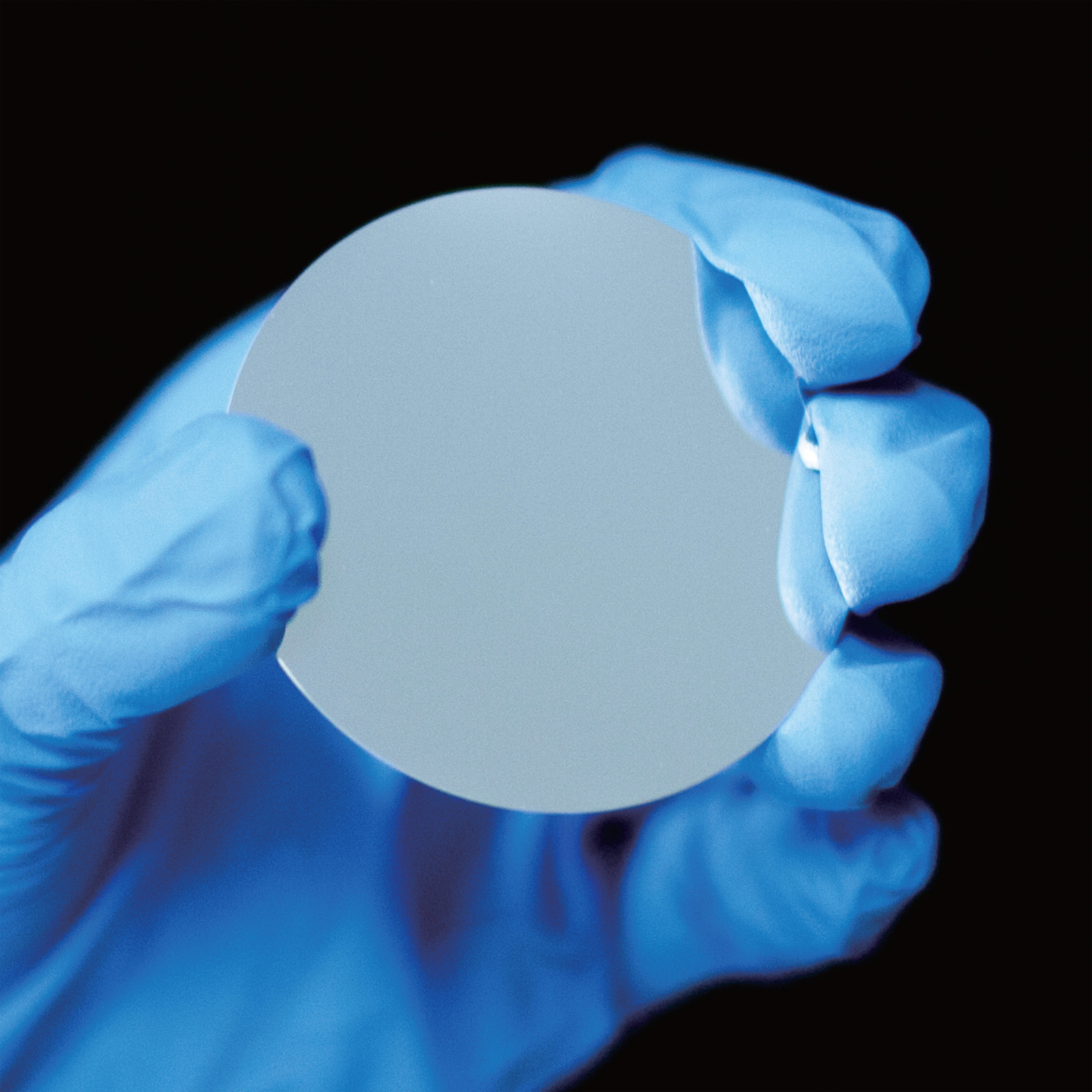
High strength and high ductility are often mutually exclusive properties for structural metallic materials. A recent study led by the City University of Hong Kong (CityU) revealed a new strategy to overcome this trade-off dilemma. Aided by molecular dynamics simulations, the research team developed a hierarchical nanostructured aluminium alloy composed of amorphous-nanocrystalline structures. This new aluminium alloy achieves the highest strength and high ductility of its kind so far. It can be applied to micro-electromechanical systems (MEMS) for flexible wearable devices in the future.<br />
12 Dec 2019
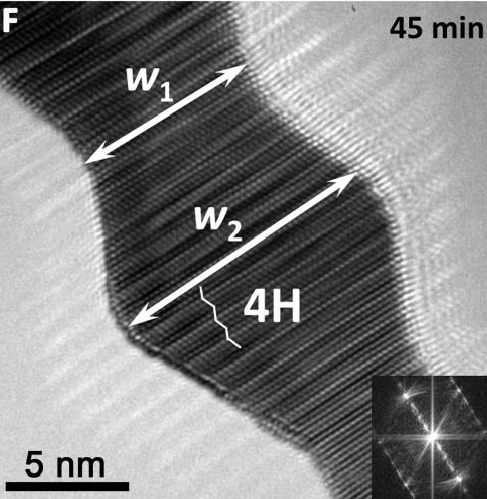
A recent research led by City University of Hong Kong (CityU) has discovered that the ultrathin gold nanoribbons with unique hexagonal (4H type) crystal phase shows “liquid-like” behaviour under heating, but its hexagonal crystalline structure remains stable. This provides insight into the thermal stability of this new type of metallic nanomaterials and facilitates the development of practical applications in the future.
28 Nov 2019
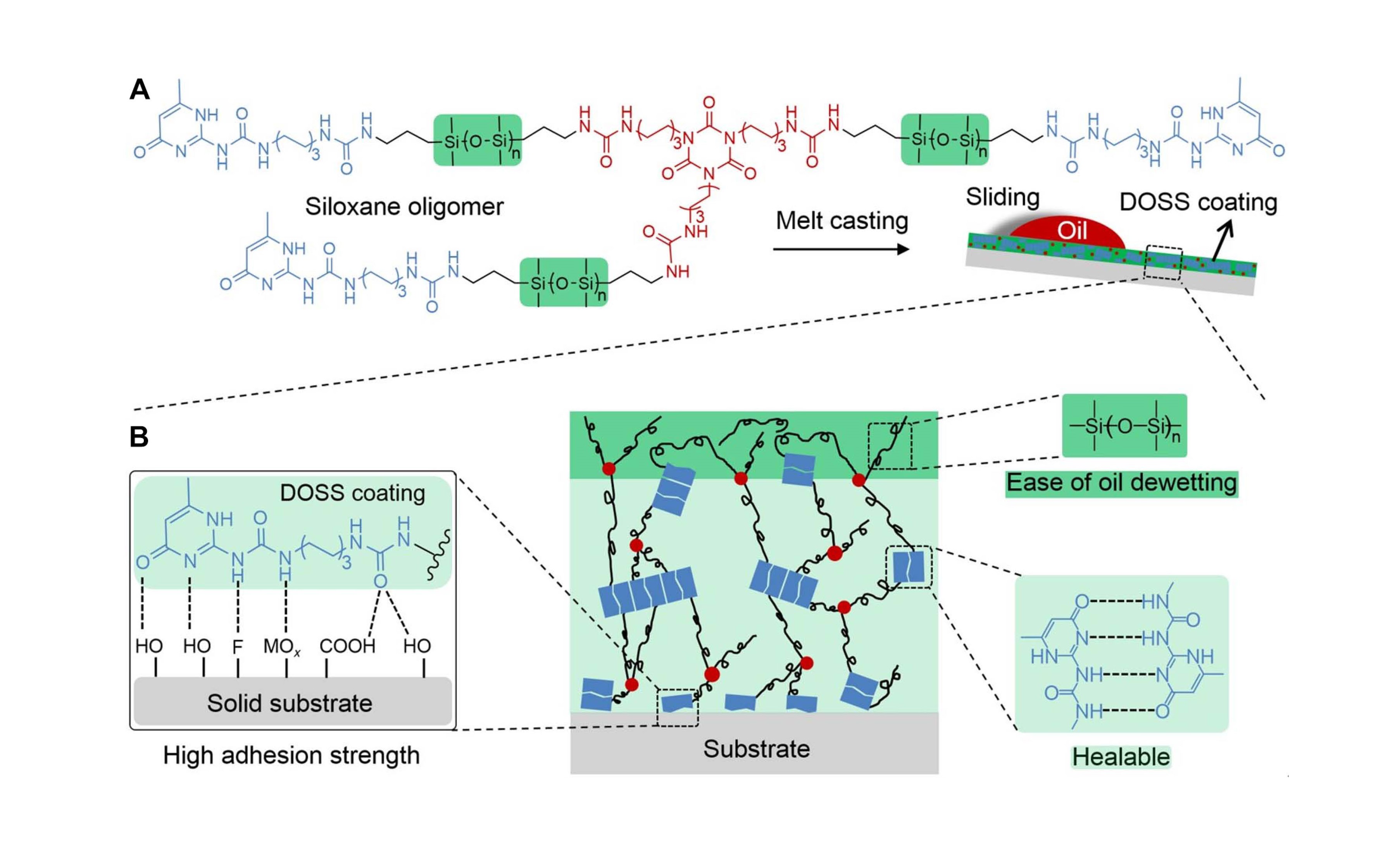
A research project led by City University of Hong Kong (CityU) has invented a new supramolecular silicone (DOSS) coating with inherent damage-healing and oil-repellent properties which can be adhesive to various materials. The research team managed to overcome the existing materials’ limitations by molecular engineering. They envision that it can be utilized in self-cleaning, antifouling, catalysis, energy storage and heat transfer with broad applications in the energy, environmental, and biomedical aspects.<br />

22 Nov 2019
Sensing a hug from your friend through a video call with him/her may become a reality soon. A joint-research team consisted of scientists and engineers from City University of Hong Kong (CityU) and Northwestern University in the United States has developed a skin-integrated virtual reality (VR) system, which can be controlled and powered wirelessly. The innovation has great application potential in communications, prosthetic control, and rehabilitation, as well as gaming and entertainment.
07 Nov 2019
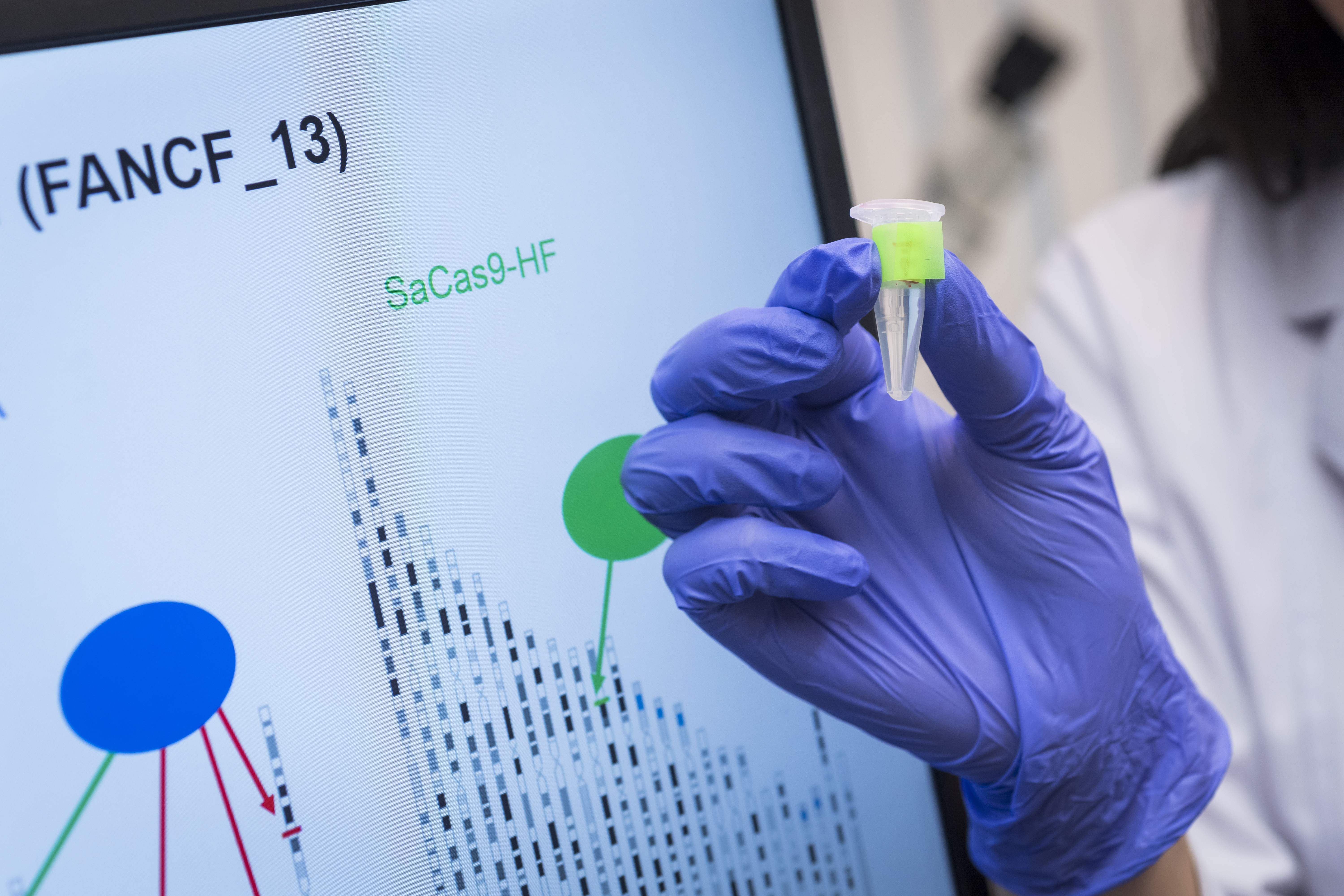
A team of researchers from City University of Hong Kong (CityU) and Karolinska Institutet has recently developed a new protein that can help increase the targeting accuracy in the genome editing process. It is believed that it would be useful for future gene therapies in human which require high precision.
23 Oct 2019
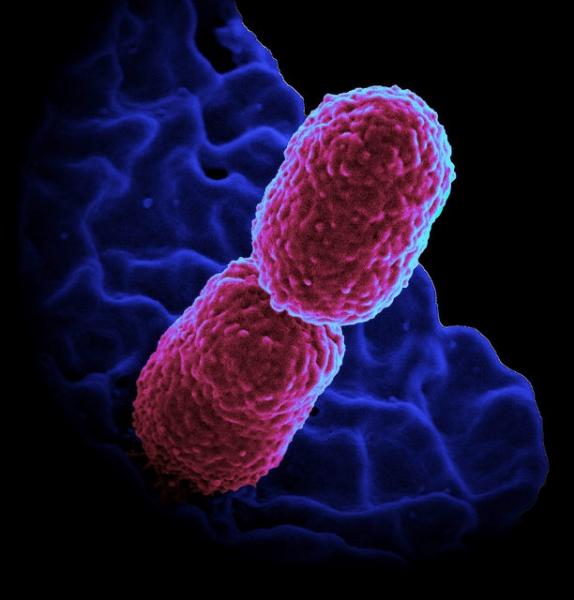
A recent research led by a scientist at City University of Hong Kong (CityU) has discovered an easily transmitted DNA piece that can make a new type of hyper-resistant and deadly superbug become hyper-virulent quickly, posing an unprecedented threat to human health.

10 Oct 2019
Most of the current clinical anti-tumor drugs used in chemotherapy move around in the patient's blood after intake and are unable to pinpoint the targeted tumor. As a result, while killing the tumor cells, the healthy cells may also be killed as “collateral damage", leading to undesired side effects. Aiming to overcome this problem, Dr Zhu Guangyu, Associate Professor of Department of Chemistry, City University of Hong Kong (CityU) and his research team have recently developed phorbiplatin, an anti-cancer prodrug that can be controllably activated by red light. With its unique “on-site” activation characteristic, it will effectively kill cancer cells and minimize damage to normal tissues.