Showing 241 to 250 of 315 results
28 Mar 2020
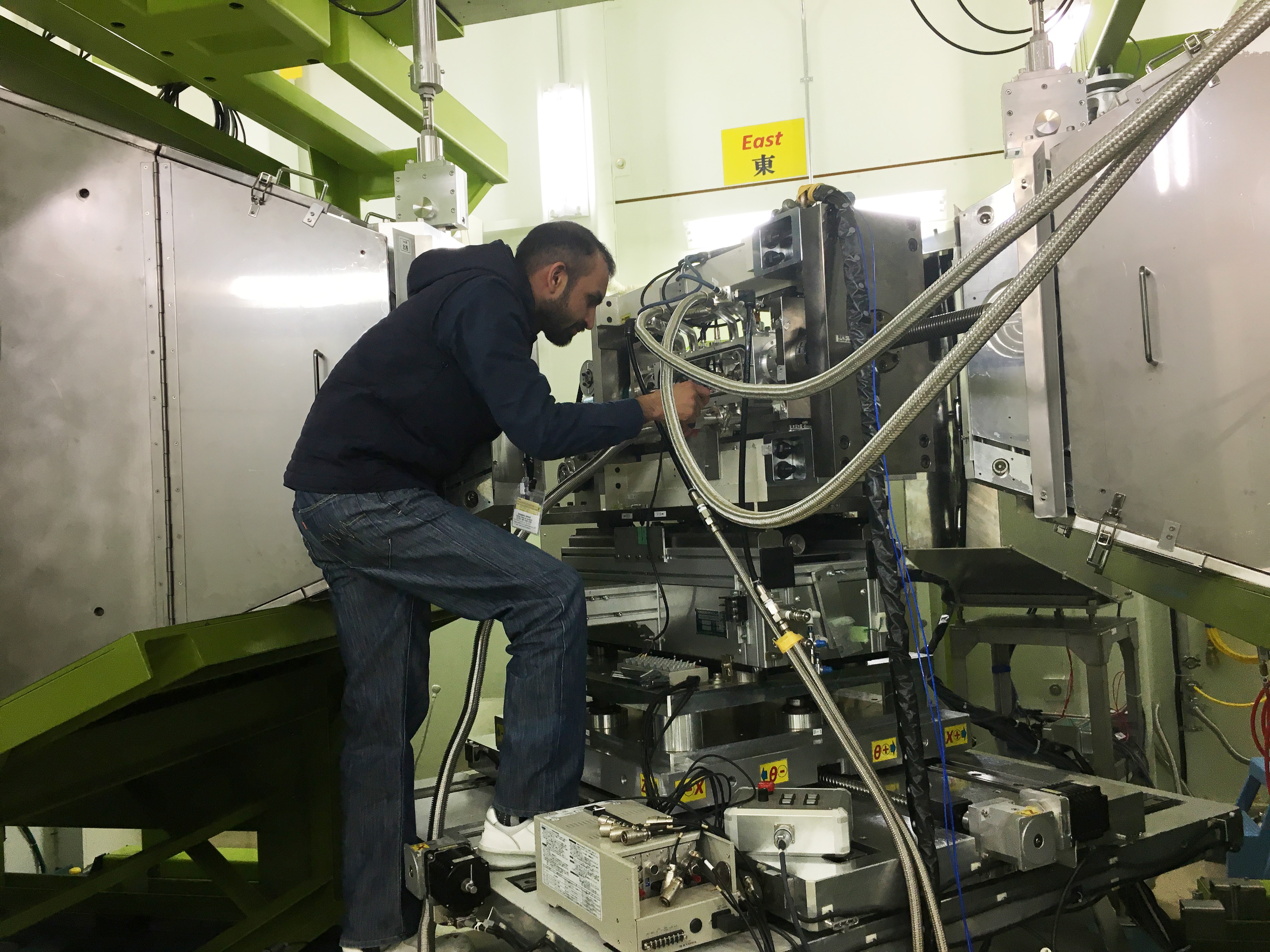
An international research team led by scientists from City University of Hong Kong (CityU) has recently discovered that high-entropy alloys (HEAs) exhibit exceptional mechanical properties at ultra-low temperatures due to the coexistence of multiple deformation mechanisms. Their discovery may hold the key to design new structural materials for applications at low temperatures.
26 Mar 2020
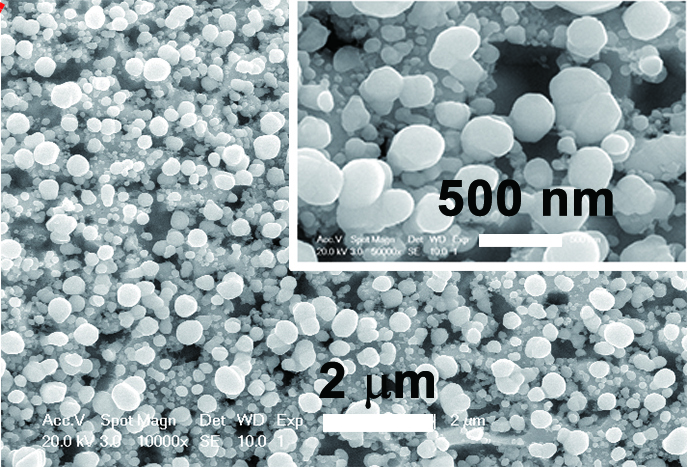
Plasmonics has drawn a lot of researchers’ attention for its huge application potential in enhanced spectroscopy (a way to obtain structural information down to even the single-molecule level), photothermal therapy, photoelectrocatalysis, photovoltaic devices, sensing, and optical waveguide. Recently, a research team led by scientists from City University of Hong Kong (CityU) has identified a novel way to decouple and quantify the thermal and non-thermal effects shown in plasmon-mediated chemical reactions. The team could even control the two effects precisely, which is important for designing and optimizing plasmonic devices and promote their applications.
19 Mar 2020
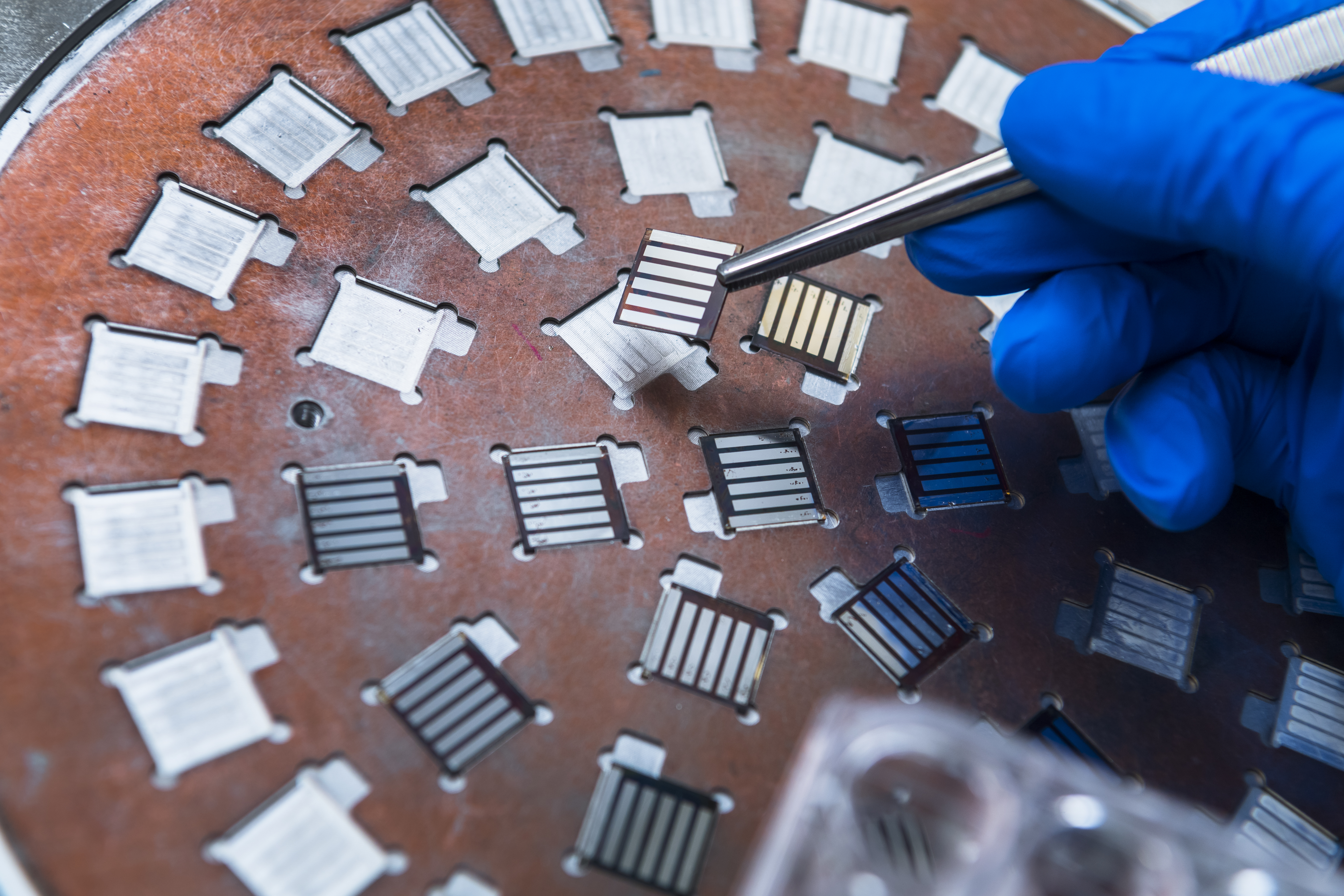
All-inorganic perovskite solar cells have drawn increasing attention because of their outstanding thermal stability. A research team led by scholars from City University of Hong Kong (CityU) has recently developed a new type of all-inorganic inverted perovskite solar cell through passivation.
12 Mar 2020
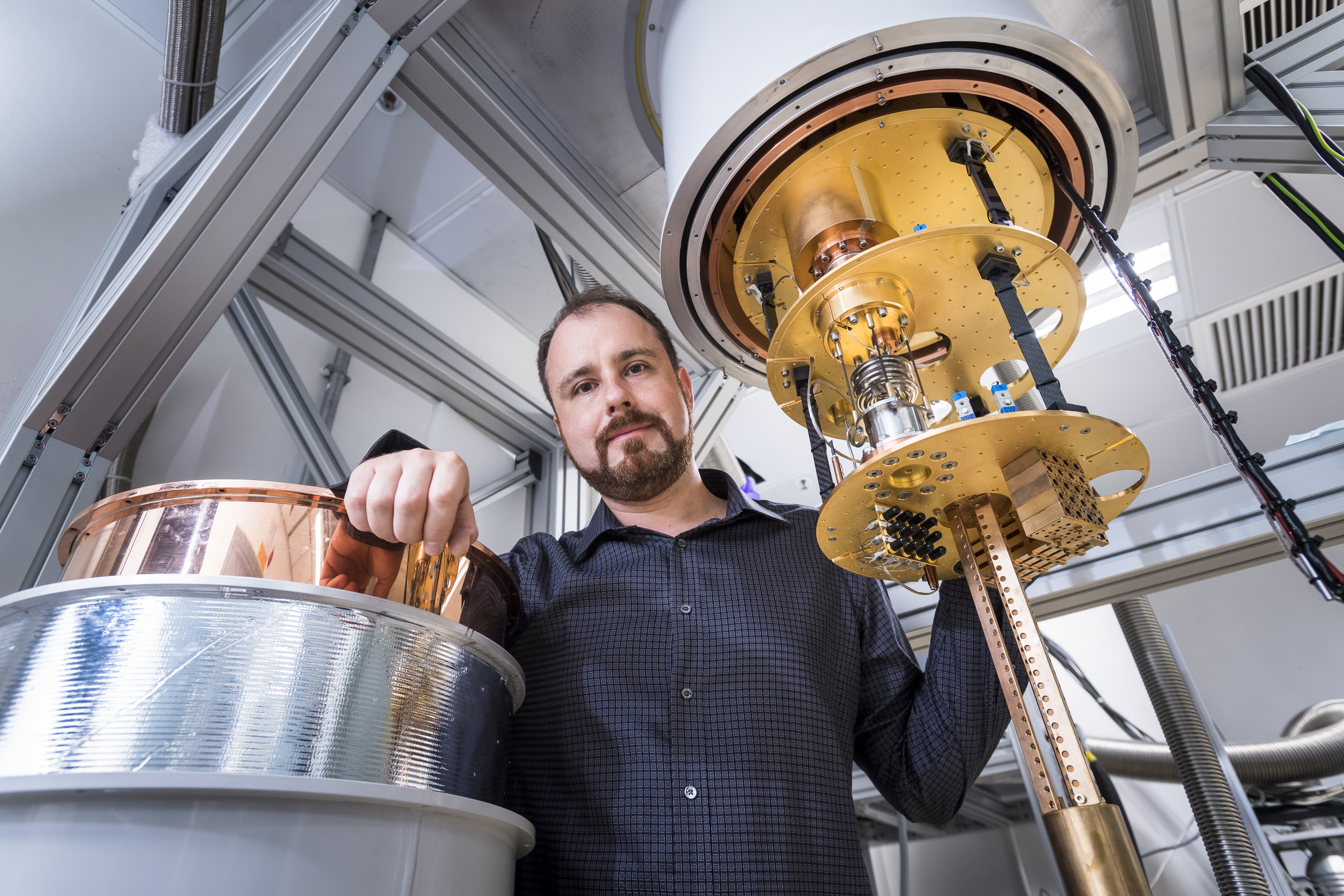
Physicists have been trying to observe the quantum phenomenon Kondo cloud for many decades. An international research team comprising a scientist from City University of Hong Kong (CityU) has recently developed a novel device that successfully measures the length of the Kondo cloud and even allows for controlling the Kondo cloud.
05 Mar 2020
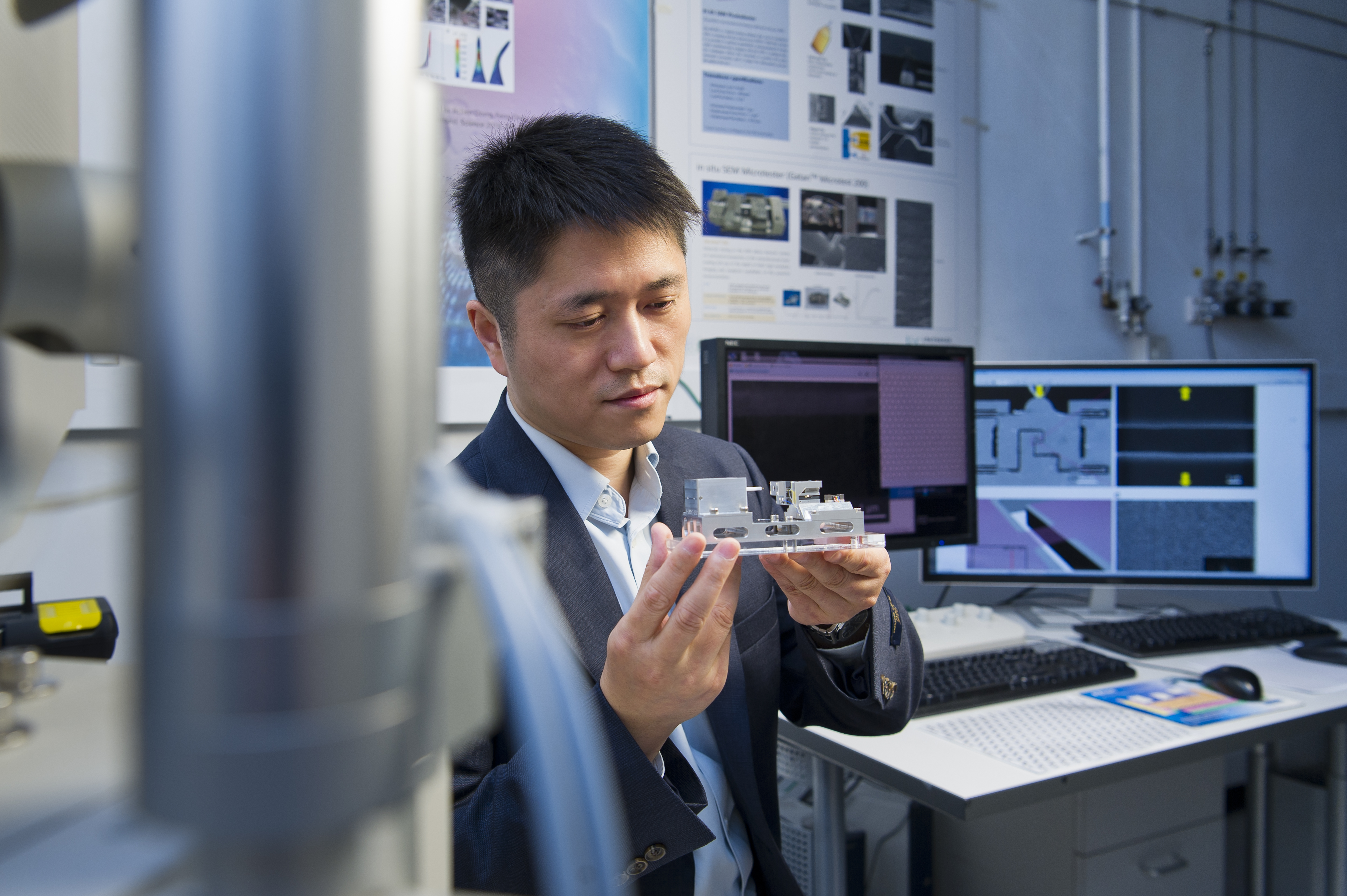
Graphene, also known as the “black gold”, is the thinnest material in the world with just a single layer of carbon atoms. Not only cannot be seen with the naked eye, but it is also extremely difficult for scientists to test the actual mechanical properties of free-standing graphene. A research team comprising scientists from City University of Hong Kong (CityU) and Tsinghua University has achieved a breakthrough in this aspect.
27 Feb 2020
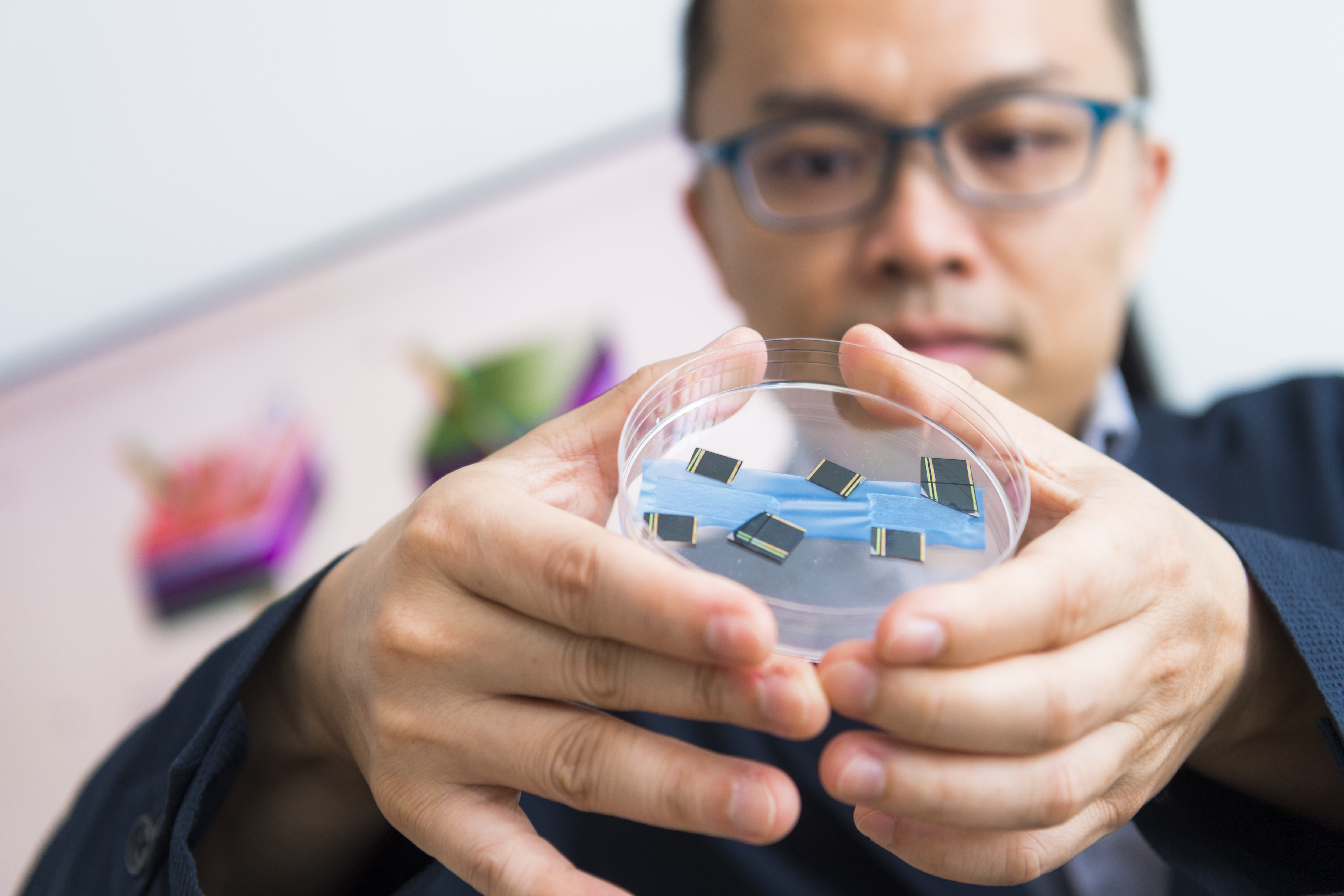
Researchers from the City University of Hong Kong (CityU) and King Abdullah University of Science and Technology have joined hands and successfully developed a novel photoelectrochemical system, which can greatly improve the solar-to-hydrogen conversion efficiency from 3% to nearly 9%. It is more stable, with stability lasting for over 150 hours, highest among its counterparts. And its cost is 50% lower.<br />
25 Feb 2020
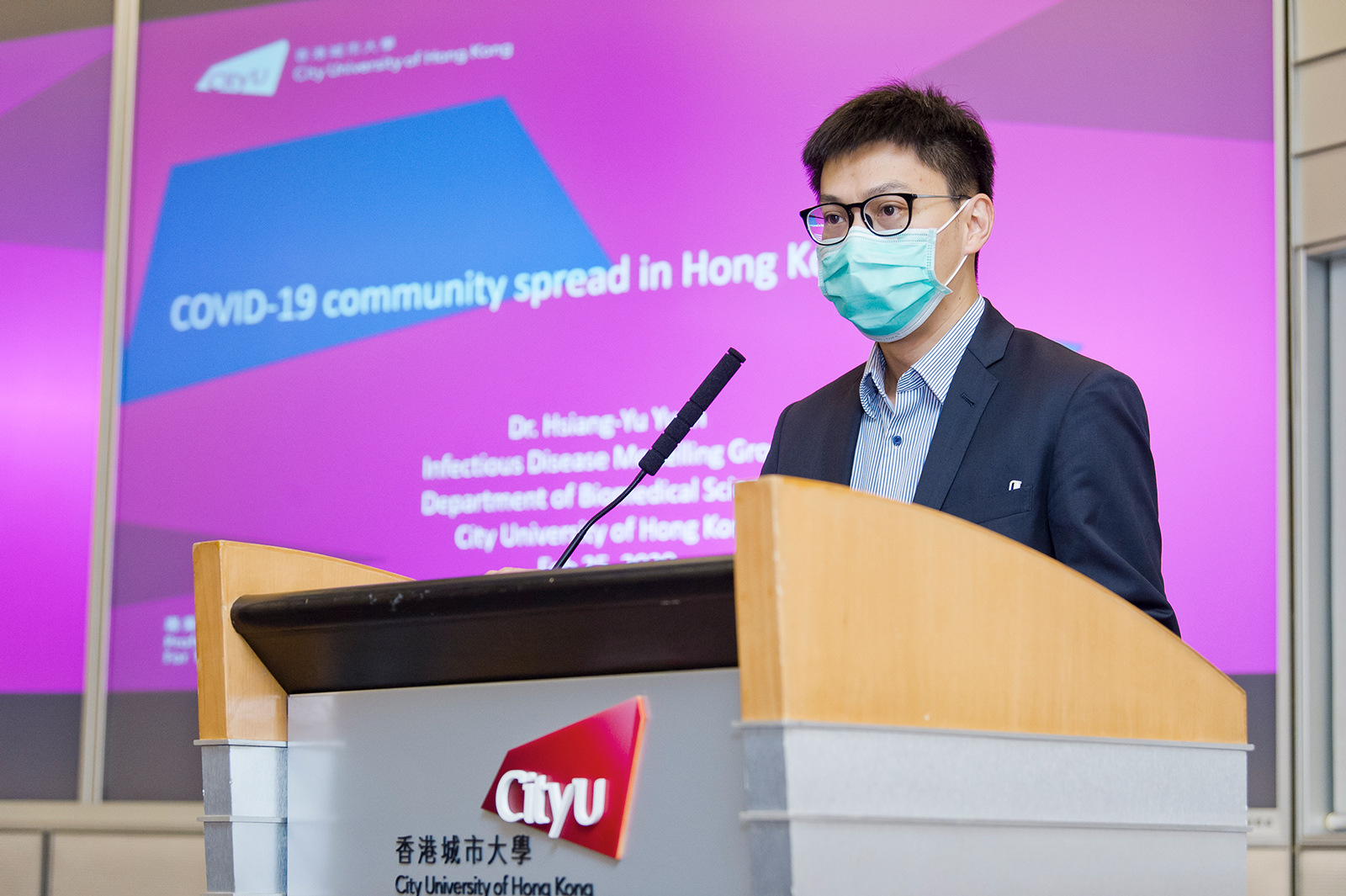
As the spread of the novel coronavirus (Covid-19) epidemic continued, the effectiveness of existing quarantine measures is one of the major concerns. An expert in mathematical modelling for infectious diseases at City University of Hong Kong (CityU) estimated that there was a 3.5-day time gap between patients showing Covid-19 symptoms and being quarantined in Hong Kong. And in this case, there will be a possible increase of around 60 infected cases from mid-February to mid-March.

20 Feb 2020
City University of Hong Kong (CityU) aims at excelling in research and professional education, as well as promoting innovation. Faculty members are committed in research and innovations that support social, economic and technological advancement. CityU’s efforts are highly recognized, as reflected in the improvement in different rankings.

20 Feb 2020
Cancer immunotherapy has drawn increasing attention in recent years. Although still at its infancy, it has brought hope to many cancer patients. Exploring the anti-tumour activities of a rare immune cell type in the human body is the focus of a research project led by a biomedical scientist and her research team at City University of Hong Kong (CityU). The research findings will provide insights into designing new generations of cancer immunotherapy and vaccine against different cancers.
14 Feb 2020
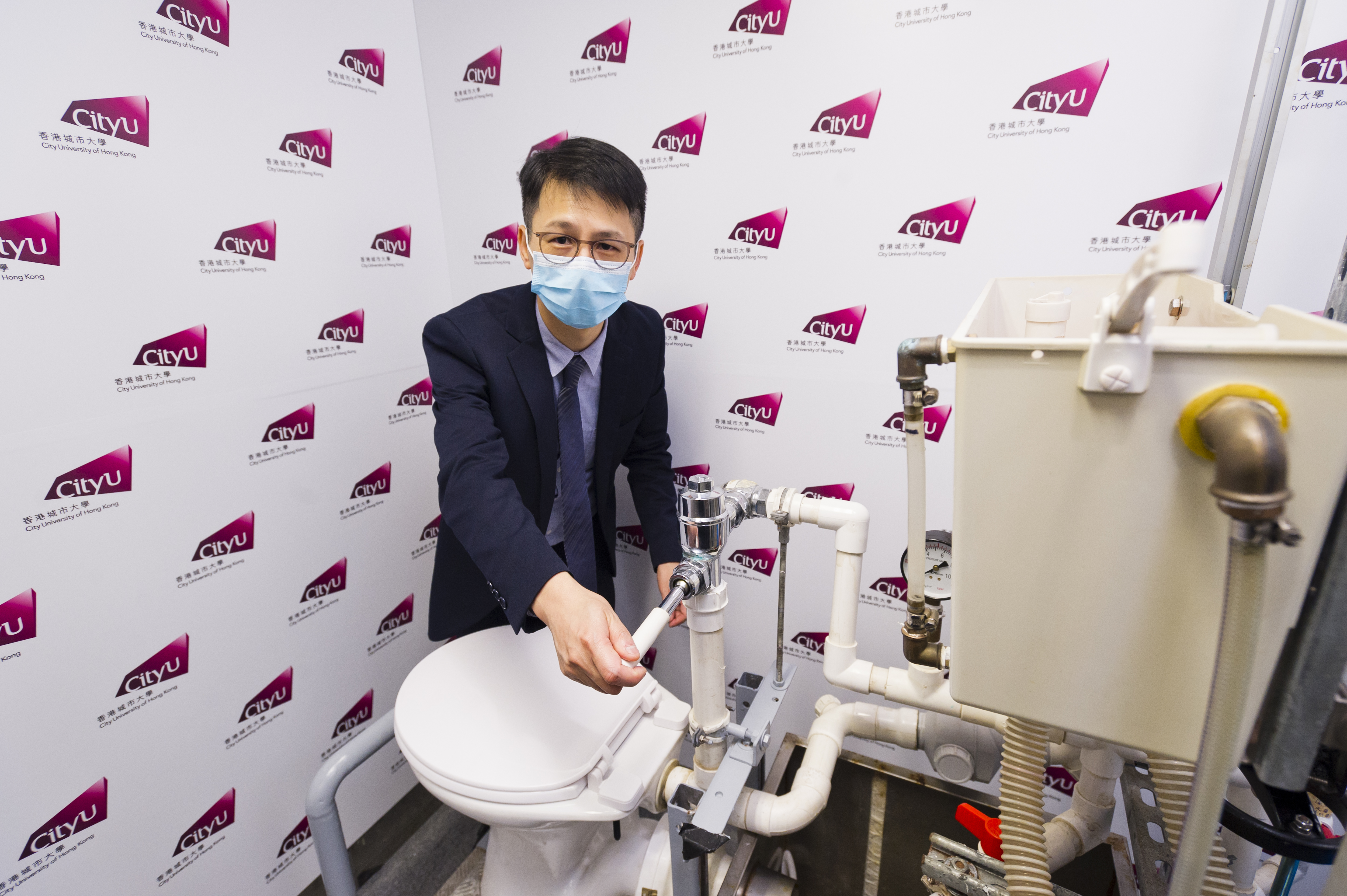
Toilet hygiene has once again aroused public concern during the outbreak of the novel coronavirus epidemic. According to a study done by City University of Hong Kong (CityU), airborne aerosol droplets created in flushing might rise up to a metre if the toilet was not covered, and the pathogens embedded in the droplets can potentially spread and affect toilet users’ health.