Showing 231 to 240 of 315 results
24 Jun 2020
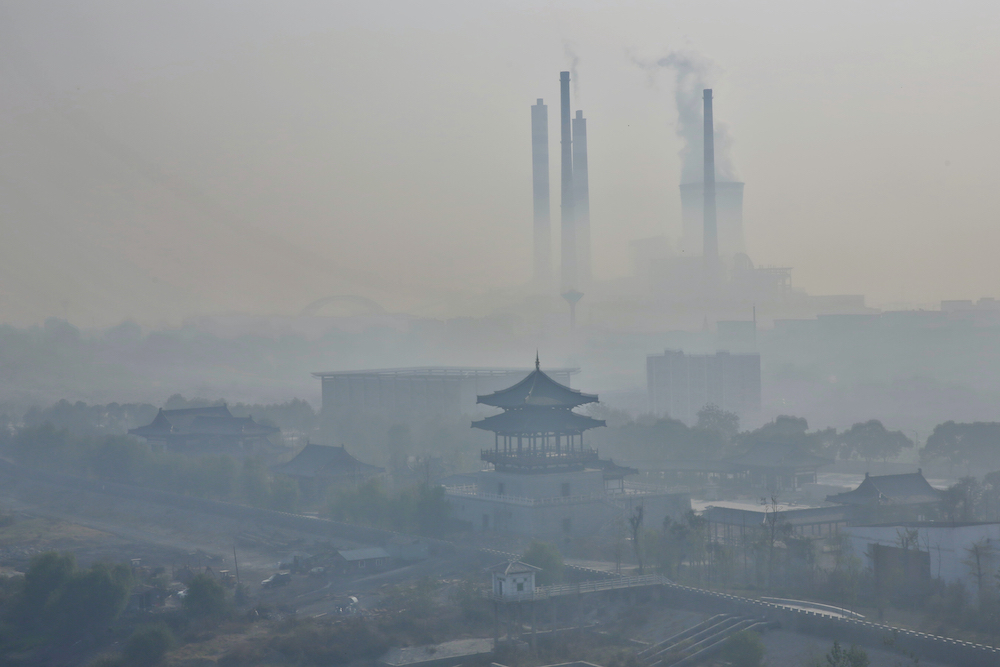
Haze episodes occasionally happen in mainland China. A research team comprising scientists from the School of Energy and Environment at City University of Hong Kong (CityU) has suggested a much less explored pathway that could contribute significantly to the formation of sulfate, one of the major pollutants found in haze episodes.

18 Jun 2020
Researchers from the School of Data Science, City University of Hong Kong (CityU) and the Academy of Mathematics and Systems Science, Chinese Academy of Sciences examined the impact of the last global financial crisis and China's economic stimulus programme on the financial system. Using real-world data, they modelled and characterised the evolution and dynamics of the whole guarantee network for the first time, in order to better understand the potential systemic risks caused by firms’ failures. Their findings are particularly valuable in today’s situation.
的细胞内活检技术/penetration-into-cell-membrane-by-the-diamond-nanoneedles.jpg?rev=f18951d12ead488488b2d38404f7a765&hash=57F1DF288038D9F765DD8003DC9DFFE3)
11 Jun 2020
To achieve fast and highly sensitive profiling of miRNAs, a research team from City University of Hong Kong (CityU) has developed a novel intracellular biopsy technique that isolates targeted miRNAs from living cells within around 10 minutes by using diamond nanoneedles. The technique is simple and can be applied to other aspects, from the nucleic acid testing of viruses (e.g. COVID-19) to early cancer screening.
05 Jun 2020
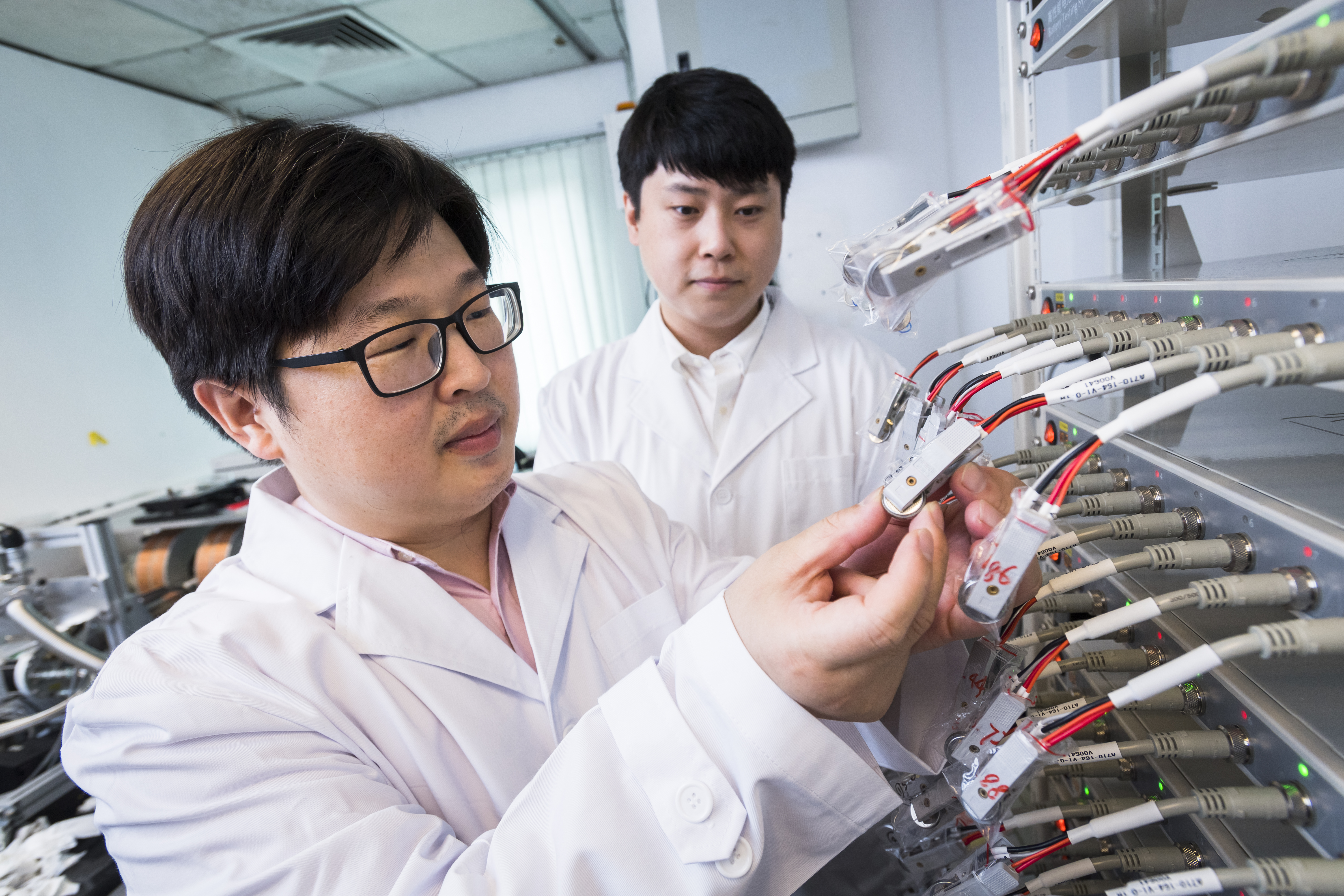
A team comprising researchers from City University of Hong Kong (CityU) has developed an anode material for lithium batteries with fast charging and discharging capabilities, which may significantly shorten the charging time for electric vehicles from half-hour to just three to six minutes.
28 May 2020
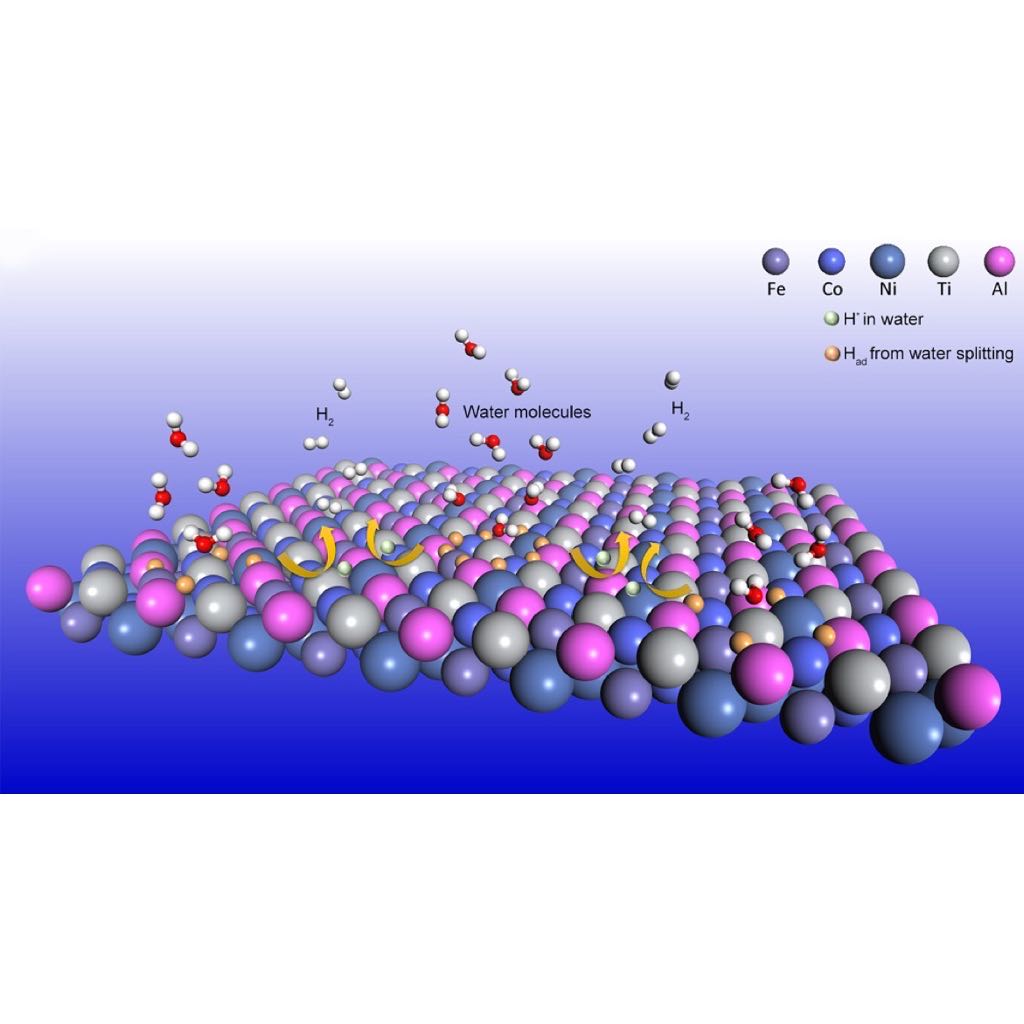
Considering hydrogen as a clean energy for future, scientists have been striving to develop novel processes to produce hydrogen efficiently and cost-effectively. A team comprised of scientists who specialized in structure materials at City University of Hong Kong (CityU) has developed a high-performance electrocatalyst based on an innovative concept originally for developing alloys. The new electrocatalyst can be produced at large scale and low cost, providing a new paradigm in a wide application of hydrogen production by electrochemical reaction in future.

21 May 2020
Professor Zhang Hua, Herman Hu Chair Professor of Nanomaterials in the Department of Chemistry at City University of Hong Kong (CityU), has been elected Foreign Fellow of the European Academy of Sciences recently. As a specialist in the field of nanomaterials, he regarded this honour as international recognition of his team’s interdisciplinary research on the phase engineering of nanomaterials (PEN) and encouraged them to pursue the related research continuously.

14 May 2020
Diagnosis of Alzheimer’s disease, the most common type of dementia, is not easy for its overlapping signs with normal ageing. A collaborative research by City University of Hong Kong (CityU) and Johns Hopkins University has developed a new non-invasive molecular imaging approach based on Magnetic Resonance Imaging (MRI) to dynamically measure glucose level changes in the brain lymphatic system. Their discovery may help in identifying Alzheimer’s disease at early stages so that treatments can start as soon as possible.
07 May 2020
Professor Samuel Ho, Associate Dean (Faculty and Research) of College of Liberal Arts and Social Sciences, and Professor of Psychology at Department of Social and Behavioural Sciences at City University of Hong Kong (CityU), has been researching on factors that facilitate people’s psychological adjustments to traumatic events. One of his research includes tracing medical staff and recovered patients of the 2003 SARS outbreak. Based on theoretical and empirical studies, he has developed an in-depth knowledge of increasing self-efficacy and fostering positive emotions, which can help cope with the stress brought by Covid-19.
16 Apr 2020
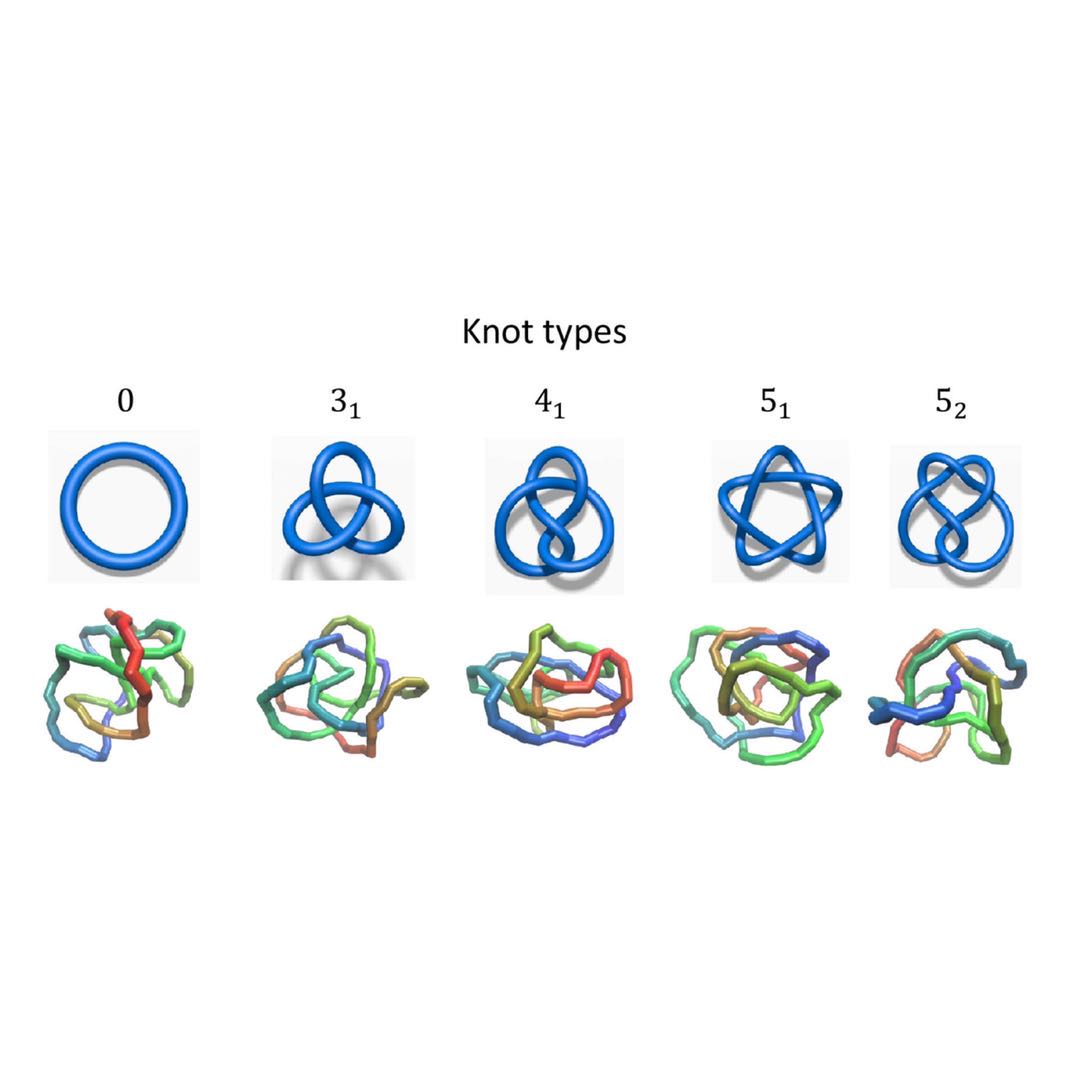
AlphaGo, the artificial intelligence programme that plays chess, has made history by defeating two human world champions from China and South Korea. AlphaGo’s impressive victory over the sophisticated human brains is considered one giant step for artificial intelligence. Its “intelligence” is built from neural networks, a machine learning technology. Recently, scientists from City University of Hong Kong (CityU) and his collaborators have trained artificial neural networks to classify knots, achieving an accuracy of over 99%. It proves that machine learning can facilitate knot research in mathematical and physical sciences.
30 Mar 2020
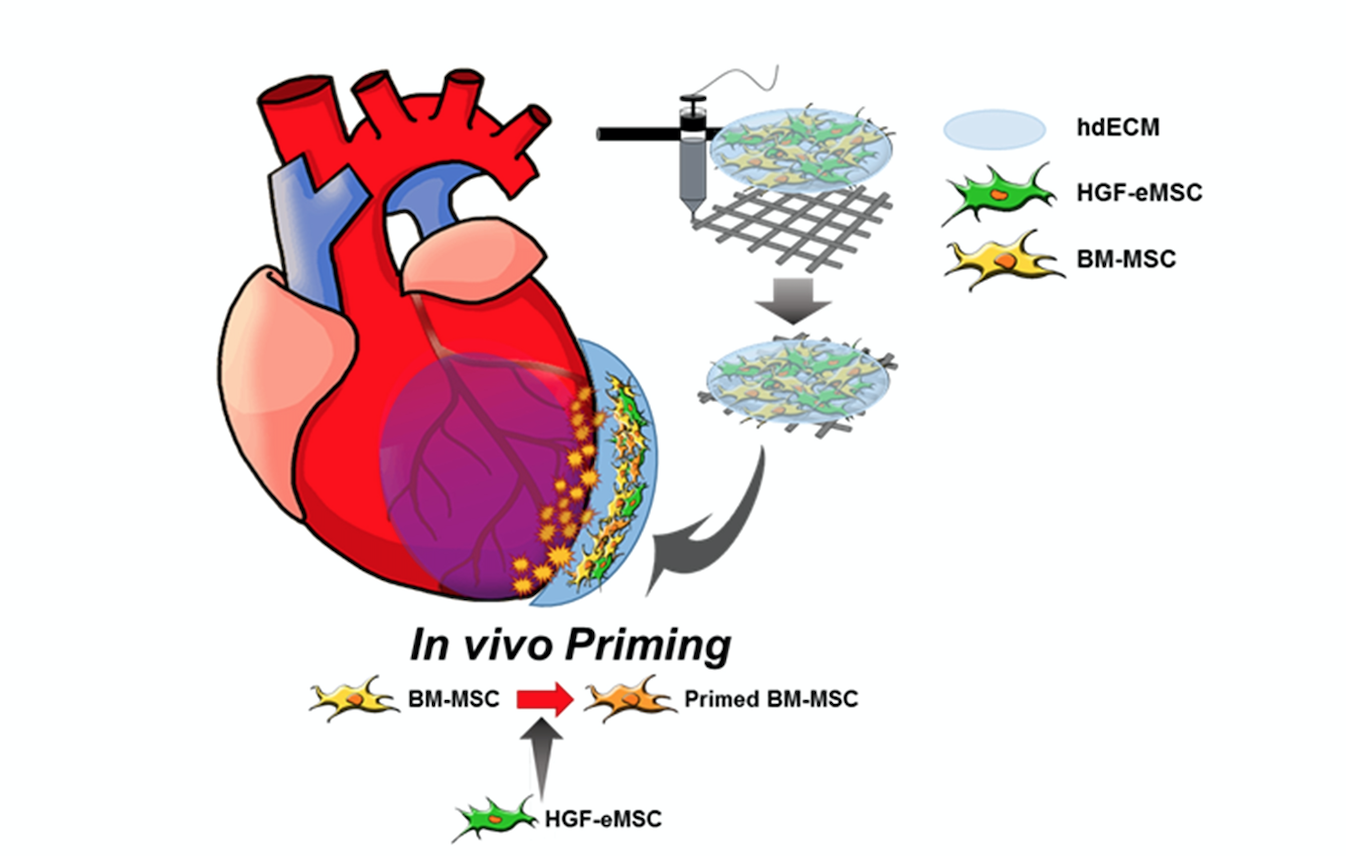
A stem cell biologist from CityU, together with his collaborators, has developed a novel strategy, called in vivo priming, to “train” the stem cells to stay strong after implantation to the damaged heart via the 3D-printed bandage-like patch.