Showing 201 to 210 of 315 results

09 Feb 2021
Big-data research led by an expert on veterinary medicine and infectious diseases at City University of Hong Kong (CityU), has found that although more than 80% of cats in Australia were desexed, only a fraction have had surgery before reaching puberty, thus creating a “pregnancy gap”. To close this gap and prevent unwanted litters, it is recommended that the age of desexing is before four months.
04 Feb 2021
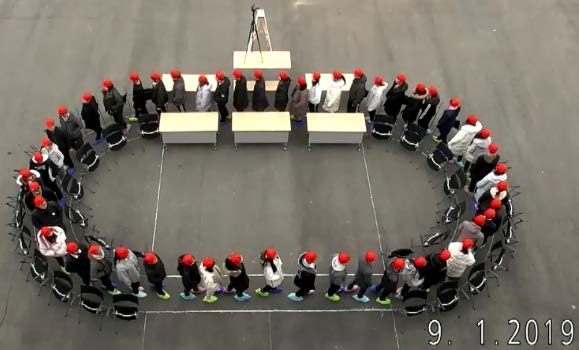
Research co-led by academics at City University of Hong Kong (CityU) has discovered that the phenomenon of human self-organisation known as synchronisation forms spontaneously to avoid inter-person collisions when the safety distance between pedestrians seems insufficient. The findings provided insights in preventing pedestrian synchronisation-induced wobbling effect in structures, ensuring pedestrian and transportation safety.
28 Jan 2021
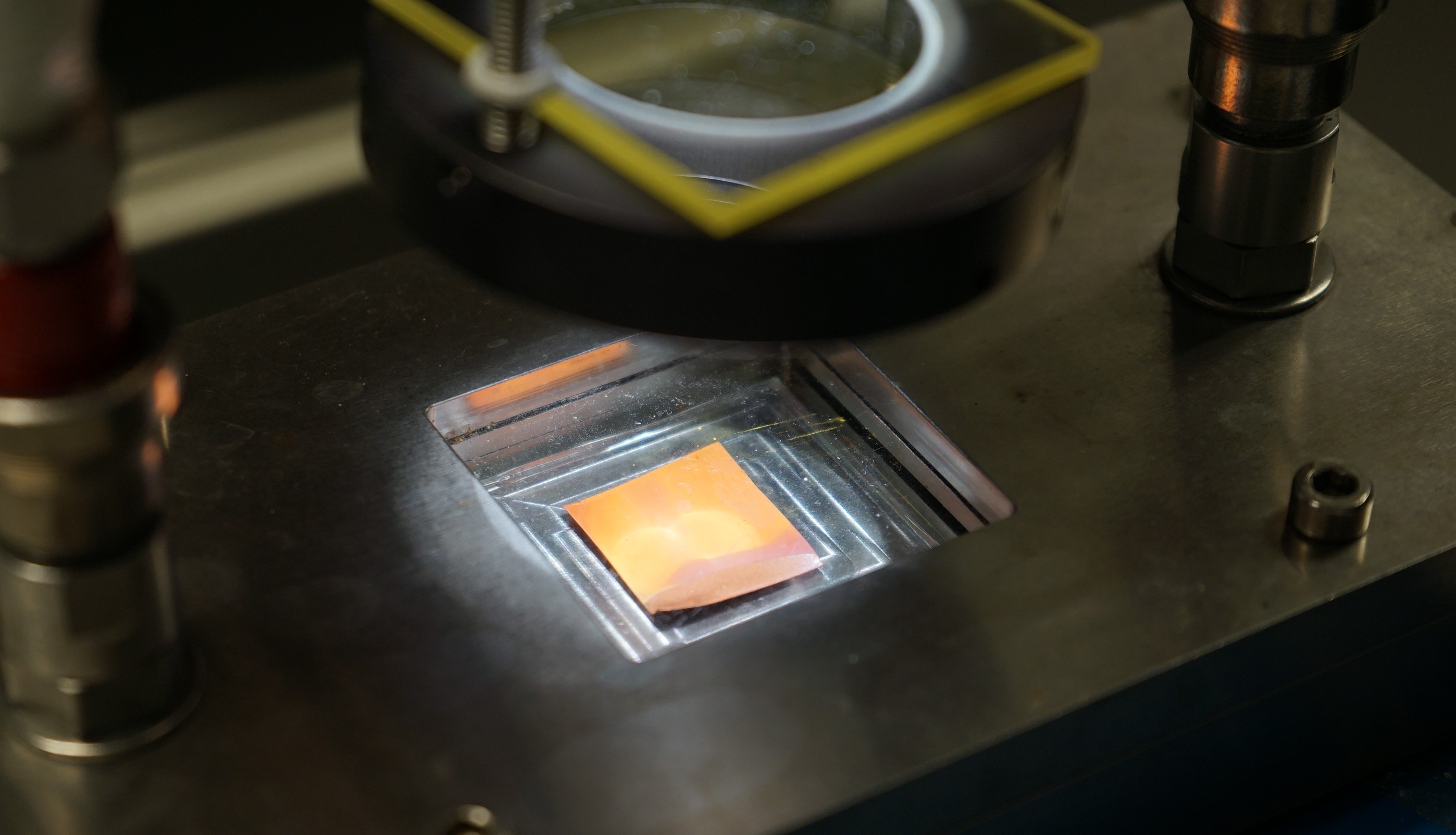
A joint research team led by City University of Hong Kong (CityU) has developed a new photocatalyst which can produce methane fuel (CH4) selectively and effectively from carbon dioxide using sunlight. According to their research, the quantity of methane produced was almost doubled in the first 8 hours of the reaction process.

15 Jan 2021
A joint research team co-led by a scientist from City University of Hong Kong (CityU) has developed a much more stable, manganese-based cathode material. The new material has higher capacity and is more durable than the existing cobalt and nickel cathode materials - 90% of capacity is retained even when the number of charging-recharging cycles doubled.

01 Jan 2021
A joint research team led by City University of Hong Kong (CityU) has demonstrated for the first time the large, uniform tensile elastic straining of microfabricated diamond arrays through the nanomechanical approach. Their findings have shown the potential of strained diamonds as prime candidates for advanced functional devices in microelectronics, photonics, and quantum information technologies.
22 Dec 2020
A joint research team co-led by City University of Hong Kong (CityU) has developed a novel computational tool that can reconstruct and visualise three-dimensional (3D) shapes and temporal changes of cells, speeding up the analysing process from hundreds of hours by hand to a few hours by computer. Revolutionising the way biologists analyse image data, this tool can advance further studies in developmental and cell biology.

10 Dec 2020
A joint research led by City University of Hong Kong (CityU) has built a mathematical model to explore and analyse the relationship between disease transmission, people’s awareness about the disease and their resulting behaviours, as well as disease information spread by the mass media and opinion leaders.

10 Dec 2020
A joint research led by City University of Hong Kong (CityU) has built an ultralow-power consumption artificial visual system to mimic the human brain, which successfully performed data-intensive cognitive tasks. Their experiment results could provide a promising device system for the next generation of artificial intelligence (AI) applications.

03 Dec 2020
A joint research team led by scientists from City University of Hong Kong (CityU) has previously identified a pathogen’s transcription factors, the key proteins that are virulence-related. Recently, the team has further revealed the regulatory mechanisms of virulence of that pathogen, facilitating the development of new anti-bacterial drugs for prevention and treatment.

26 Nov 2020
“Superbug” resistant to strong antibiotics is a ticking time bomb in global public health. A joint study led by a scientist from City University of Hong Kong (CityU) has traced the potential origin of an antibiotic resistance gene and identified a type of bacteria as the possible source. The team also studied the gene’s transmission mechanisms and published their findings recently, in the hope of blocking its transmission.