Two weeks inside the real world of veterinary medicine: CityUHK holds its first Veterinary Immersive Programme
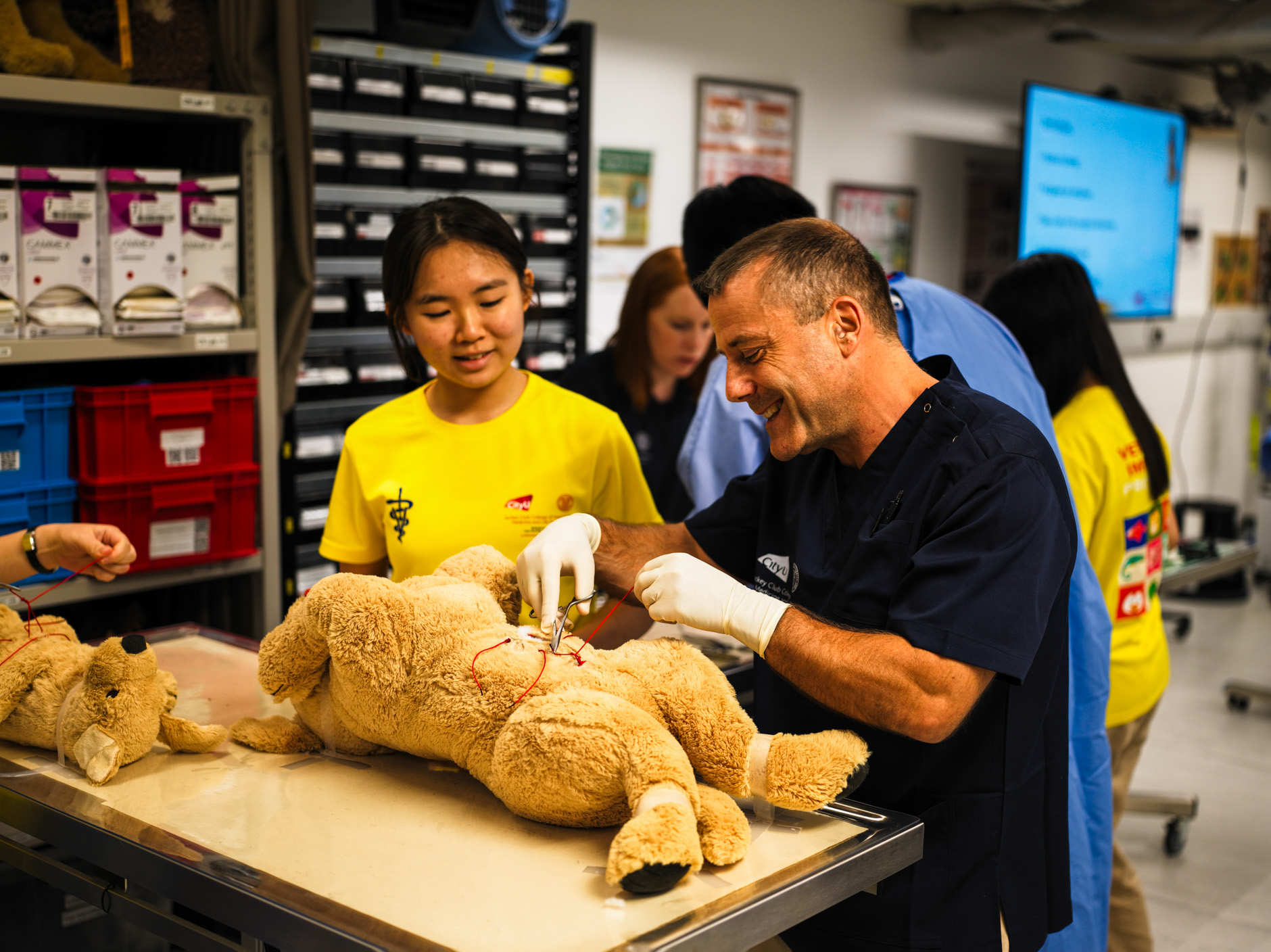
For many secondary school students, the path to veterinary medicine is paved with a singular, idyllic image: a compassionate figure in a white coat, healing a horse or a beloved family pet. It is a calling born from a love of animals, a desire to alleviate suffering and a fascination with biology. However, the reality of veterinary medicine is more complex, demanding not just a love of animals, but a robust mind for science, an ability to solve problems, and a profound understanding of the intricate web connecting animal health, human well-being and our environment.
The Veterinary Immersive Programme (VIP), City University of Hong Kong (CityUHK)’s truly transformative summer programme for secondary school students aspiring to be veterinarians, provides comprehensive exposure to the multi-disciplinary nature of veterinary medicine and the multiple career choices it offers through its many disciplines, including small animal practice, exotic animal practice, equine and livestock practice, public health and wildlife conservation.
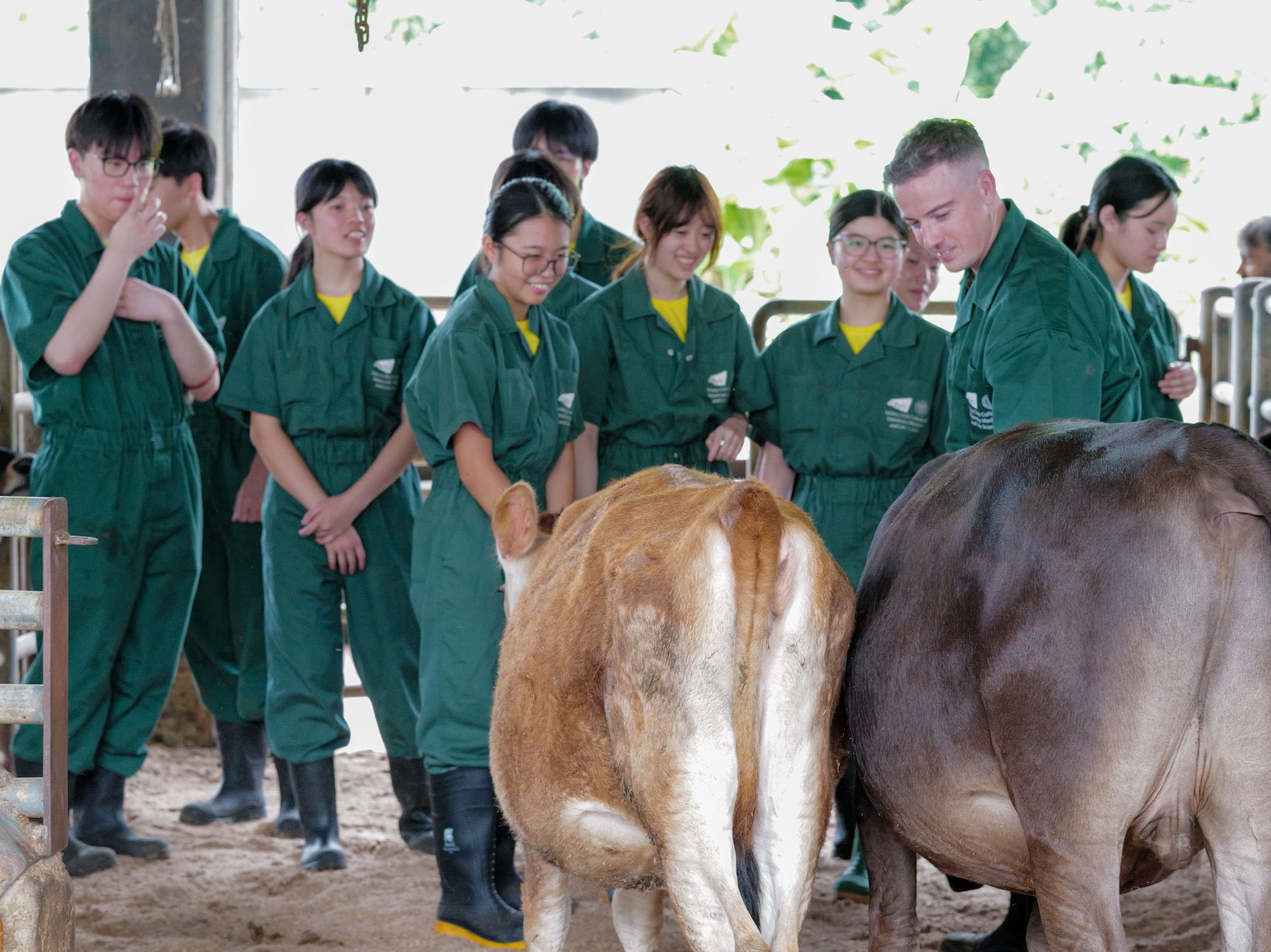
Run by the Jockey Club College of Veterinary Medicine and Life Sciences (JCC) at CityUHK, the first VIP was held over two weeks in July 2026. The programme gave secondary students considering a career in veterinary medicine a chance to leave the classroom for the laboratory, the farmyard, the clinic, the wildlife sanctuary and other real-world veterinary settings to experience the full spectrum of the veterinary medicine profession for themselves. A vet's job goes far beyond treating animals. Other parts of the job include dissecting animal carcasses, restraining strong-willed goats, and determining the cause of a disease outbreak in a poultry flock or the cause of illness from a faecal sample. In the early morning at the CityUHK Farm, Hong Kong’s only dairy farm, a group of students in green overalls moved amongst the cattle, experiencing the complexities of their behaviour, milking the cows and feeding the calves.
Professor Vanessa Barrs, Dean of the JCC, said of the programme, “We have put together a world-class programme that has been carefully designed to give students who are curious about pursuing a career in veterinary medicine a truly immersive experience so that they can be sure about whether it is the right career choice for them. We wanted to open their eyes to the diverse career options available to veterinarians, such as general practice veterinarians, specialists in equine surgery, government public health officials, wildlife veterinarians and veterinary livestock consultants.”
The programme placed strong emphasis on hands-on experience, and the students spent much of their time up close with various animal species. In addition to milking cows and feeding calves at the CityUHK Farm, they learnt to lead, examine and care for horses, conducted health checks on goats at a local farm, inspected poultry at a chicken farm, and worked with dogs at the Hong Kong Guide Dogs Association. One of the features of the programme was that these skills were taught by veterinary professors and staff, who shared many insights into the veterinary profession.
Workshops in authentic real-world settings also broadened the students' sense of what a vet can be. At the Kadoorie Farm and Botanic Garden rescue centre, they observed how vets treat and rehabilitate injured wildlife, such as turtles. At Ocean Park, they learnt about the work of marine animal vets. They toured the Hong Kong Jockey Club's equine hospital. And they toured diagnostic and pathology laboratories to see how specialists trace the causes of disease through specialised diagnostic tests. Faculty talks tied the experiences together, covering One Health, animal welfare and public health, as well as topics such as wildlife forensics and exotic animal medicine, offering students deep insights into the multi-faceted career opportunities within veterinary medicine.
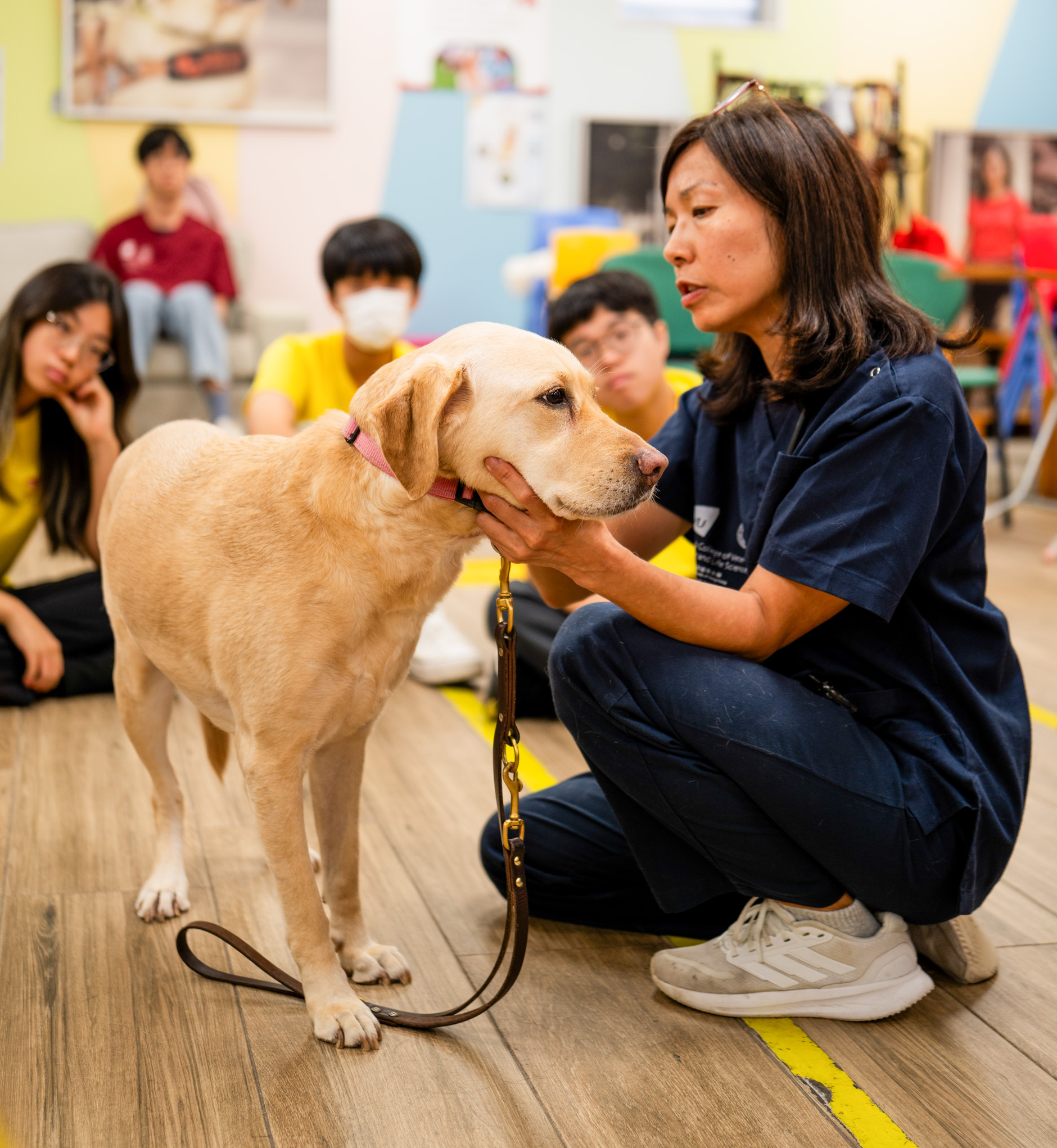
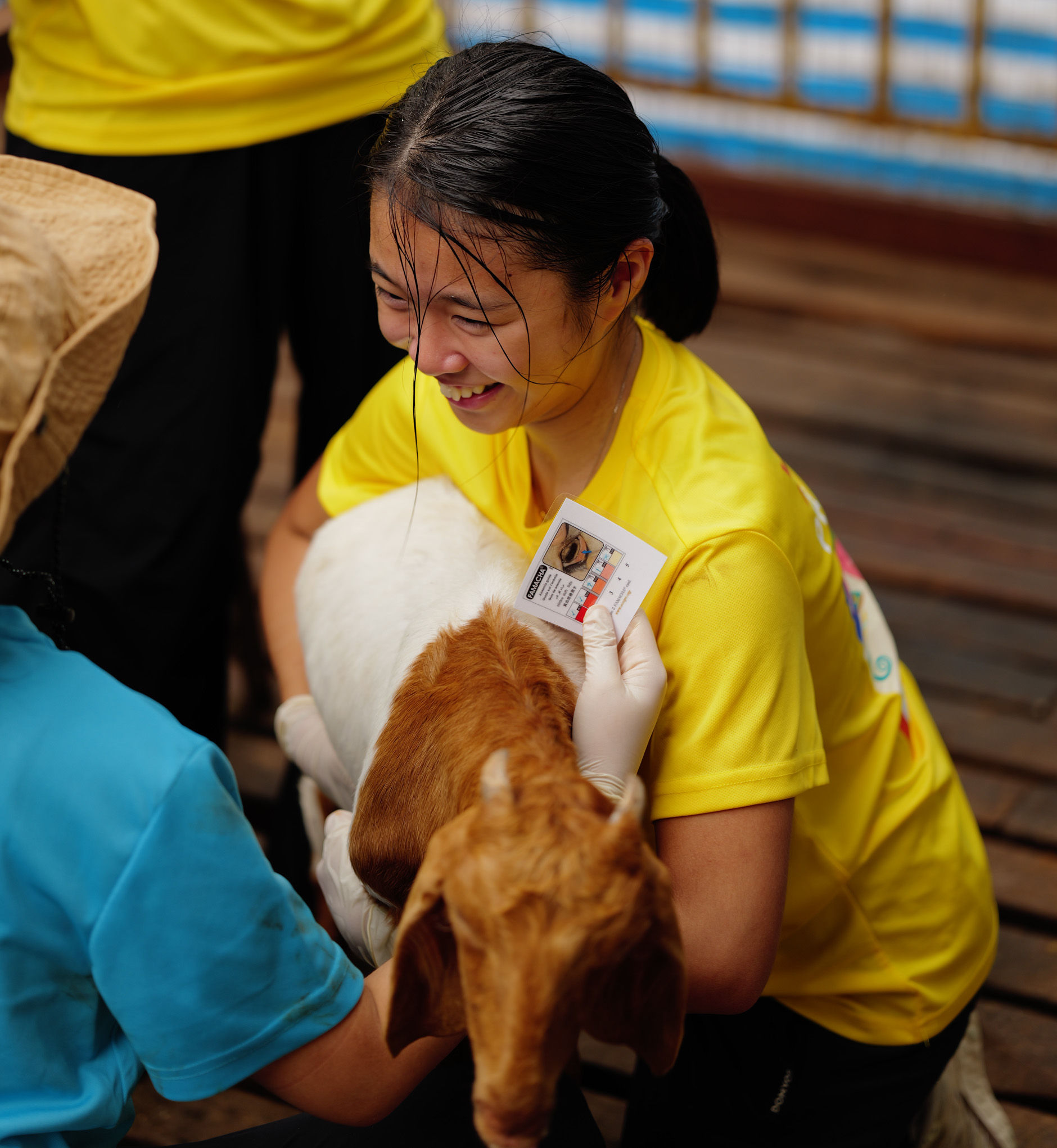
Students who completed the programme received a Certificate of Attendance and accumulated hours of animal experience required under the non-academic admissions criteria for CityUHK's Bachelor of Veterinary Medicine (BVM) degree, providing a useful head start for those set on a veterinary career.
The programme's deepest value lies in helping each student better understand their own interests and aspirations and providing opportunities to discuss them with JCC professors and other veterinarians teaching the course. By the end of the two weeks, many came away keener than ever on veterinary medicine, more certain that this is the path they want to take and clearer about the knowledge, patience, resilience and commitment the profession demands. Identifying their career direction early and preparing for the studies ahead and for what may become a lifelong career may well be one of the most important benefits of the programme.
CityUHK's six-year Bachelor of Veterinary Medicine programme is the only one in Asia to hold dual accreditation from both the Australasian Veterinary Boards Council (AVBC) and the Royal College of Veterinary Surgeons (RCVS). The rigorous accreditation process ensures that the programme meets local and international standards, and that its teaching methods and curriculum are effective in producing professionally qualified graduates. For more information, please visit the College's website.