CityUHK leads “Future Computing · Future Computing Power” forum and launches Quantum Intelligence Industry Alliance
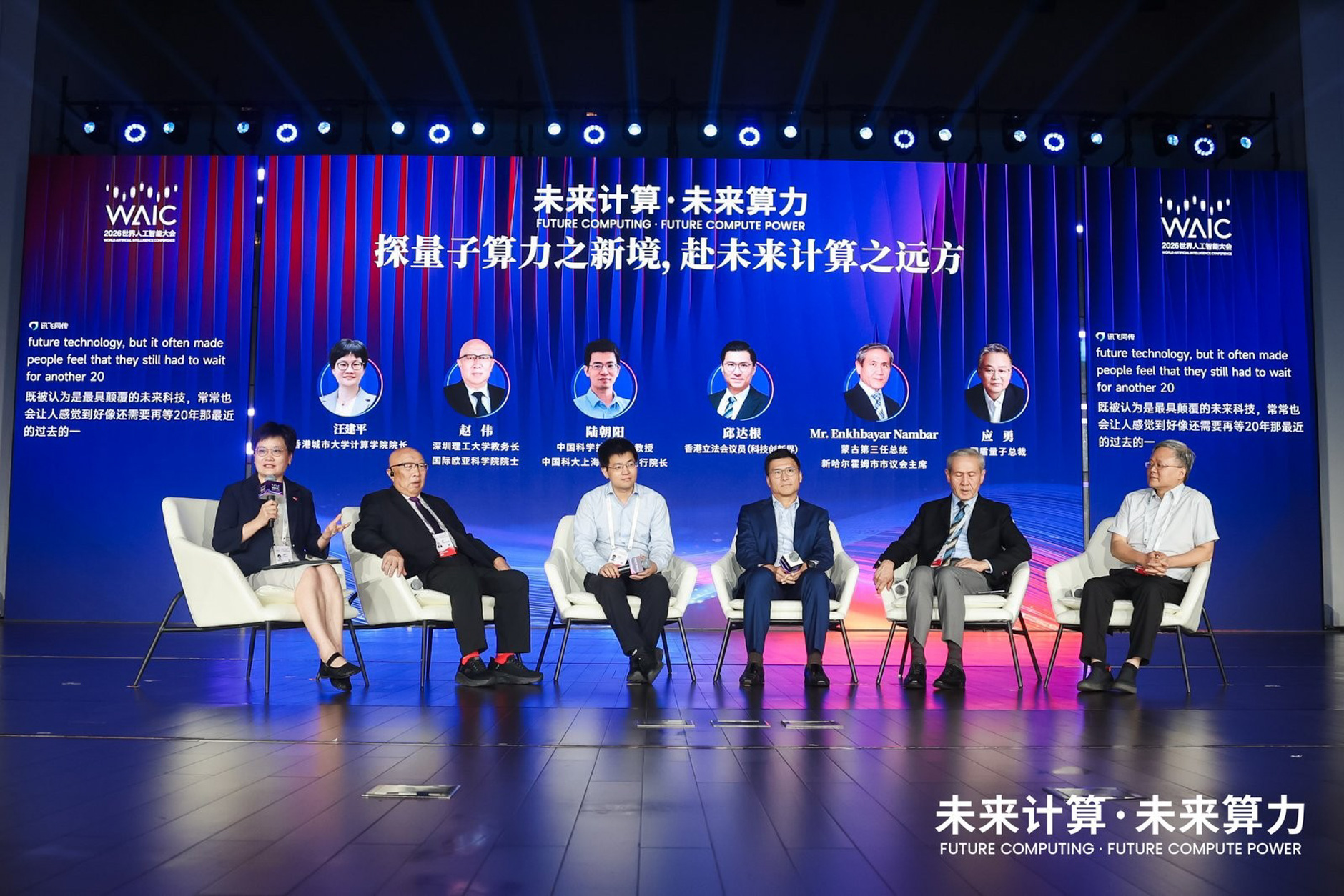
The “Future Computing · Future Computing Power” thematic forum, hosted by the College of Computing at City University of Hong Kong (CityUHK), was held on 18 July in the Red Hall of the Shanghai World Expo Center. As one of the flagship thematic forums of the 2026 World Artificial Intelligence Conference (WAIC), the premier global gathering in the field of artificial intelligence (AI), it brought together leading scholars, academicians, entrepreneurs and investors from the United Nations, China, the United States, Europe and Japan for an in-depth dialogue across disciplines, regions and generations on computing power supply, computing power networks, space data centres and quantum computing.
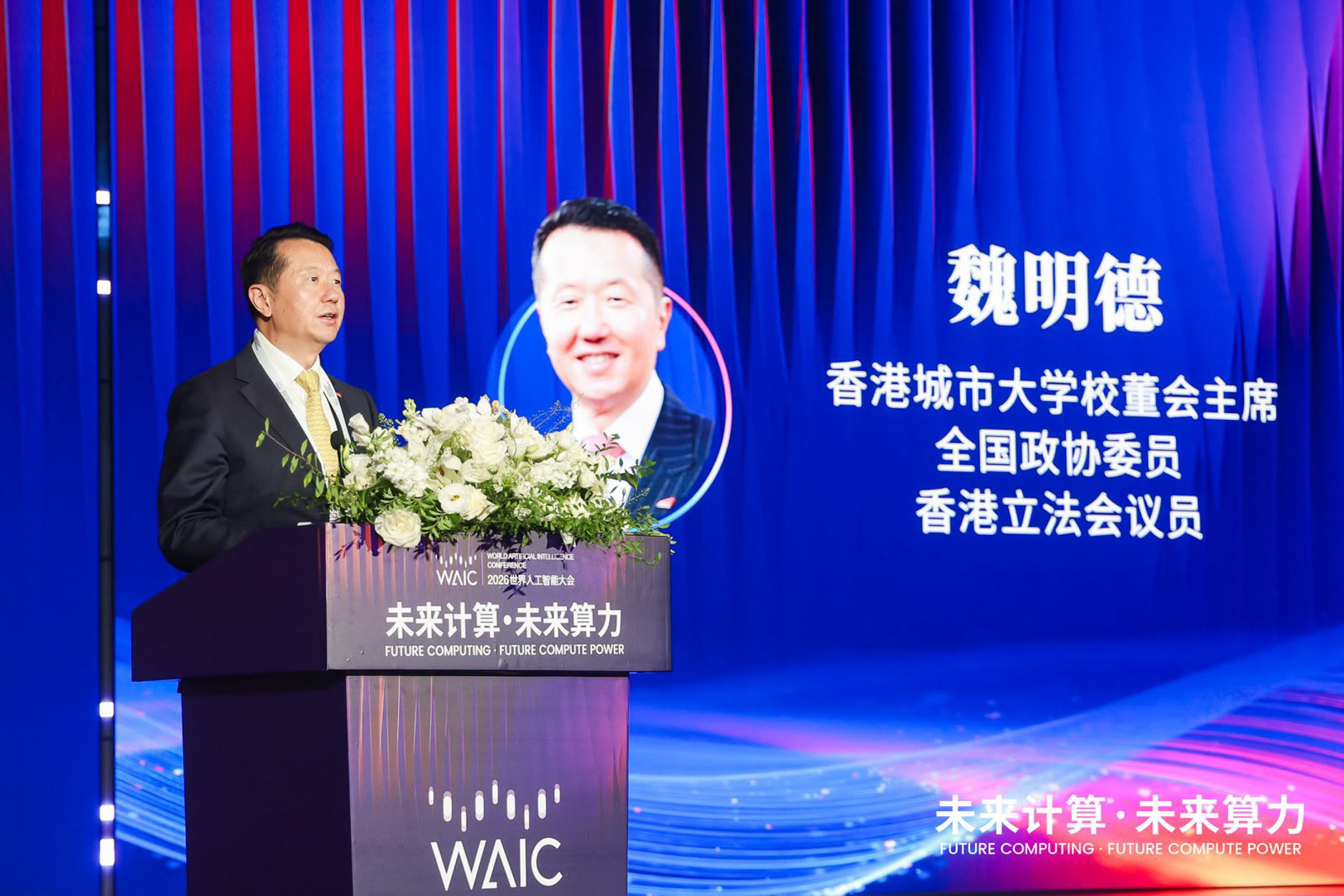
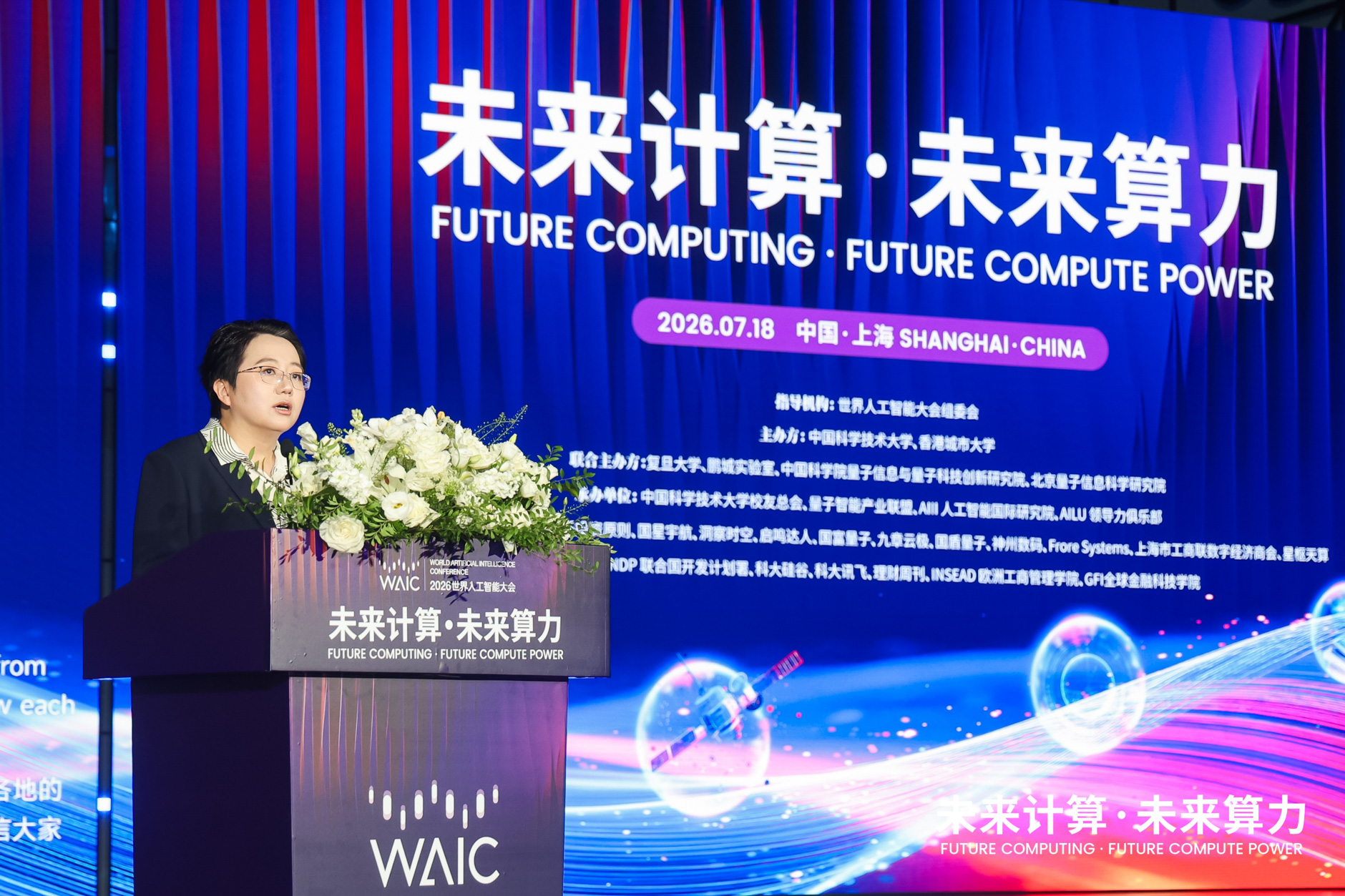
Mr Alexander De Croo, Administrator of the United Nations Development Programme (UNDP) and former Prime Minister of Belgium, attended the forum and delivered the opening address. In his address, Professor the Honourable Michael Ngai, CityUHK Council Chairman, said: “Advanced computing power and computing are becoming the infrastructure of our era, determining the productivity ceiling of a society.” He stressed that amid this transformation of infrastructure, universities should play three roles:
(1) The core of civilisational change: Only universities can commit long-term investment to frontier questions that have yet to develop into markets or industries, such as quantum and space computing power.
(2) A public platform for cross-sector collaboration: Universities are among the very few places where various disciplines, such as physics, materials science and public policy, can engage on equal terms and advance together.
(3) An open interface for international collaboration: Hong Kong’s distinctive value lies in its openness and inclusiveness, and CityUHK is ready to serve as a key international interface for national hard technology projects, connecting talent, capital and academic collaboration.
The academic programme was chaired by Professor Lin Jing, from the CityUHK College of Computing. In her opening remarks, Professor Lin asked: “Now that artificial intelligence has reached its current state, where should computing and computing power go next? Does the classic Von Neumann architecture still hold? We must recognise that true intelligence means doing the most with the fewest resources.”
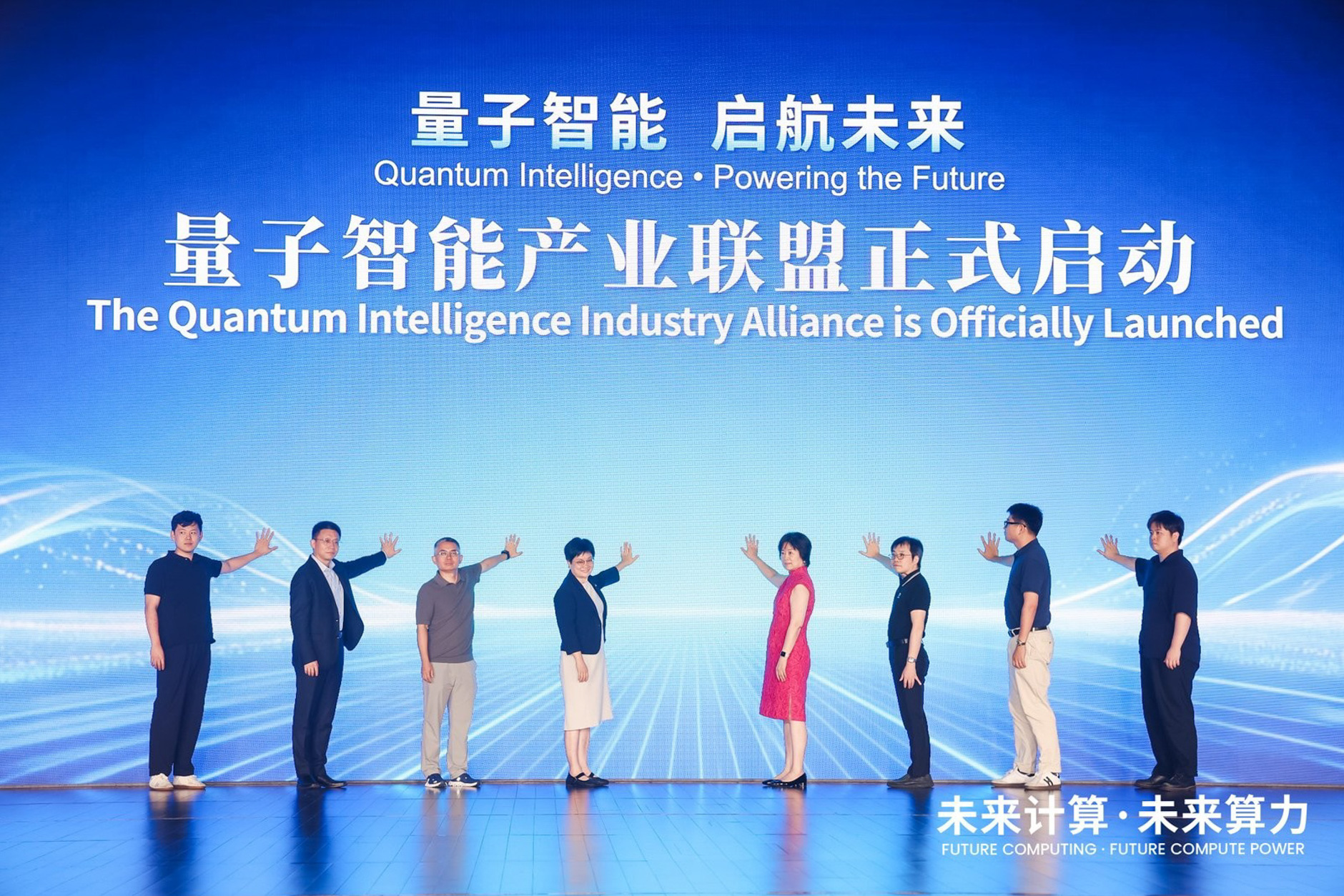
During the roundtable “Exploring New Frontiers in Quantum Computing Power, Journeying Towards the Future of Computing”, chaired by Professor Wang Jian-ping, Dean of the College of Computing at CityUHK, panellists discussed the real distance between application-specific quantum advantages and universal quantum computers. They examined core challenges, including industrialisation bottlenecks, technology roadmap choices and gaps in the software ecosystem. The discussion also set out practical pathways for the differentiated positioning of Hong Kong and emerging economies in the quantum race. At the forum’s closing “Global Ecosystem Setting Sail” ceremony, the Quantum Intelligence Industry Alliance, initiated by CityUHK, was officially launched. China’s leading quantum computing enterprises, including GoFintech Quantum, SpinQ Technology, Huayi Quantum, QuantumCTek and Insight Space, and Liangxi Technology, together with industry accelerator platforms, such as USTC Silicon Valley, became its first members and took the stage together for the launch.
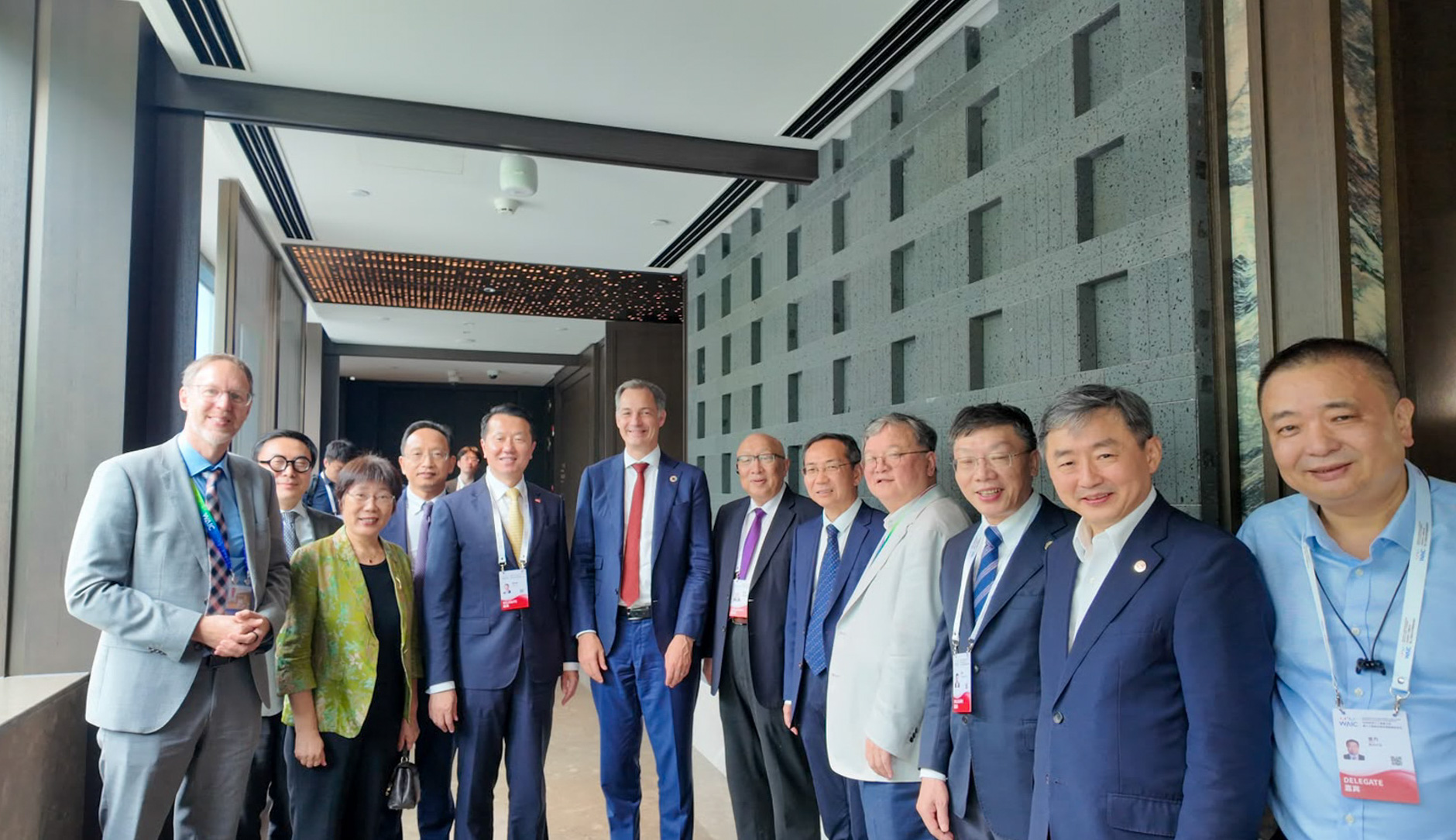
Before the CityUHK forum opened, the UNDP hosted a high-level roundtable for universities, chaired by Mr De Croo, with Professor Michael Ngai as an invited guest. The meeting focused on sustainable AI infrastructure, green data centres and AI capacity building for the Global South. Mr De Croo stressed: “We must ensure that AI is as green as possible and that it genuinely serves the Global South.” Professor Ngai expressed CityUHK’s clear commitment: “The University is ready to draw on its openness and international strengths to become a long-term partner of the UNDP on these issues, jointly advancing collaborative research and capacity-building projects in developing countries.”
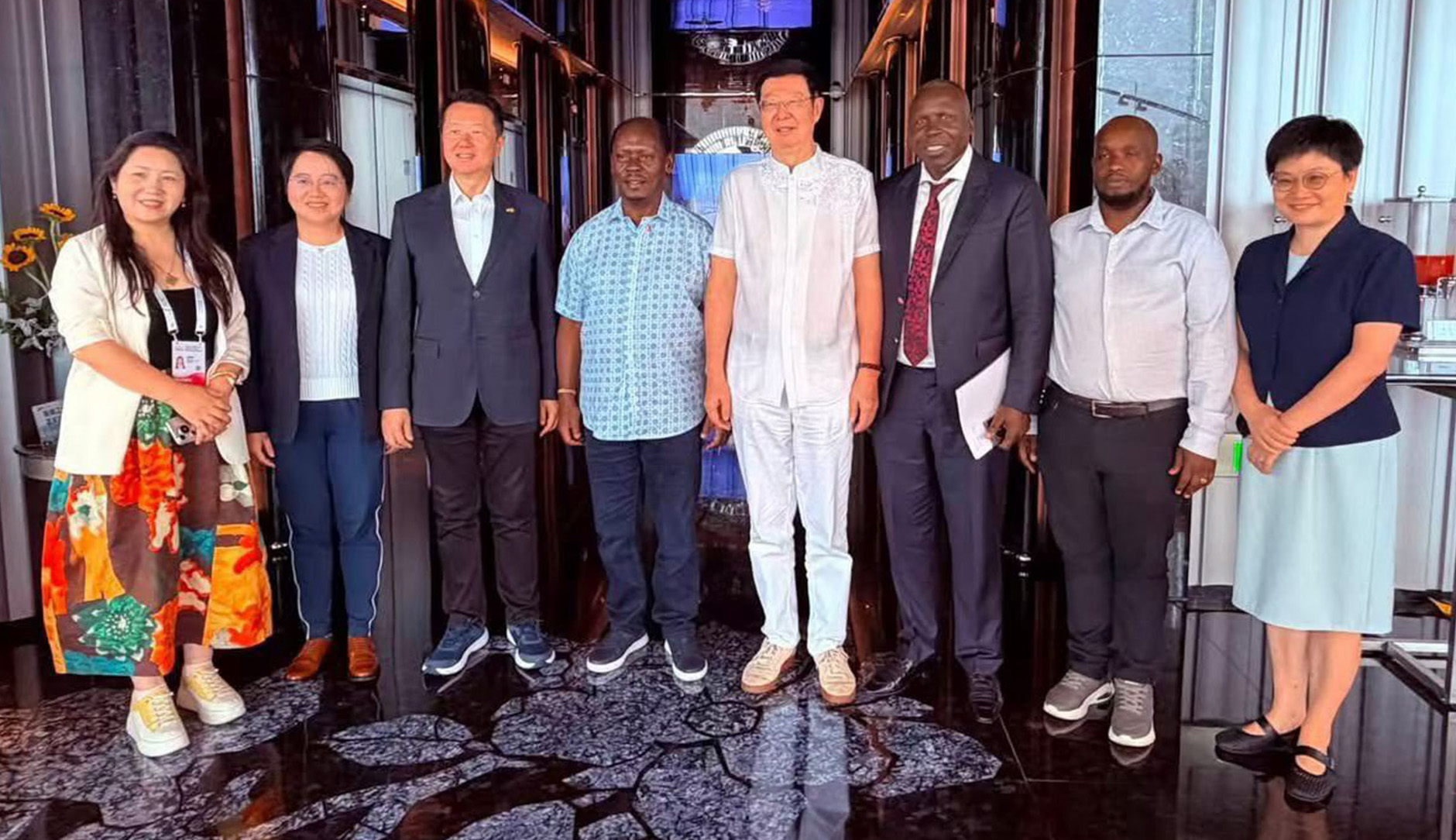
During the WAIC, a CityUHK delegation met H.E. Hon. William Kabogo Gitau, Cabinet Secretary of Kenya’s Ministry of Information, Communications and Digital Economy, and his team, as well as H.E. Mr Willy Bett, Ambassador of Kenya to China. The two sides exchanged views on digital education and AI capacity building, and discussed how CityUHK’s accumulated research strengths could be combined with Kenya’s local resources to build an education model suited to Kenya’s circumstances.
The cooperation directions initially explored during the exchange include combining CityUHK’s AI research with Kenya’s local resources to develop a digital education model suited to Kenya’s circumstances; building an education paradigm, with digital education and AI capacity building at its core, that can be extended across the Global South; and advancing the inclusive development of AI in line with World Artificial Intelligence Cooperation Organization (WAICO)’s vision of bridging the digital and intelligence divides. These directions align closely with the purpose of the WAICO, the world’s first intergovernmental organisation in the field of AI, whose establishment was signed at the 2026 WAIC, and high-level meetings on global AI governance.