CityUHK leads two core pillars at GSDC 2026; driving resilient cities and digital innovation
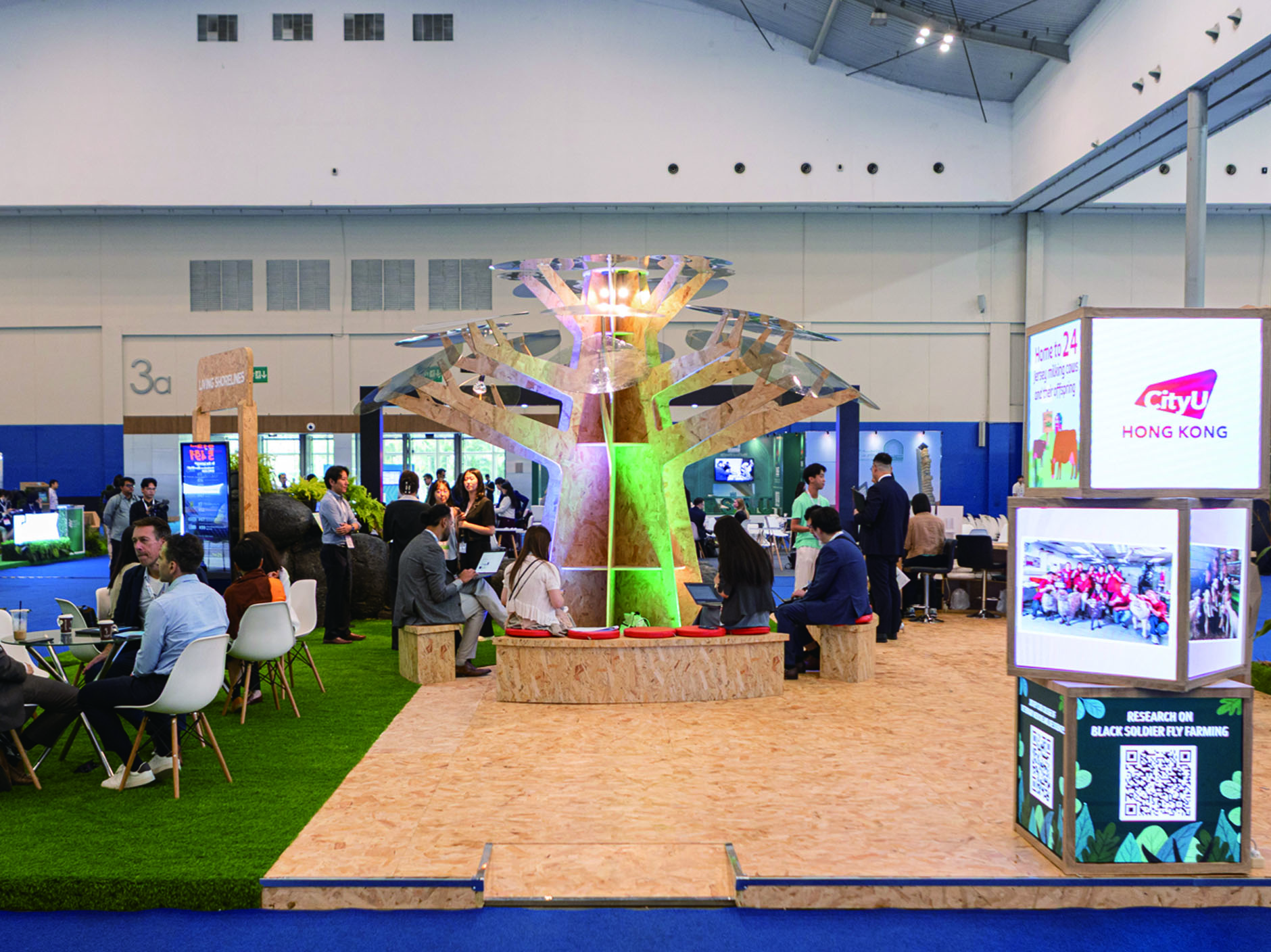
City University of Hong Kong (CityUHK) took a leading role in global climate action at the Global Sustainable Development Congress (GSDC) 2026, held in Jakarta from 22-25 June. As the summit's sole Green Innovation Partner for the third consecutive year, CityUHK is driving the agenda by playing the Track Partners for two critical core pillars of the Congress, namely "Cities and Communities" and "Digital Innovation", bringing together insights and expertise from diverse fields to drive sustainable development.
Through these two distinct tracks, CityUHK experts showcased how academic breakthroughs—ranging from EV battery circularity and marine-friendly coastal engineering to solar innovation—translate into scalable, real-world impact.
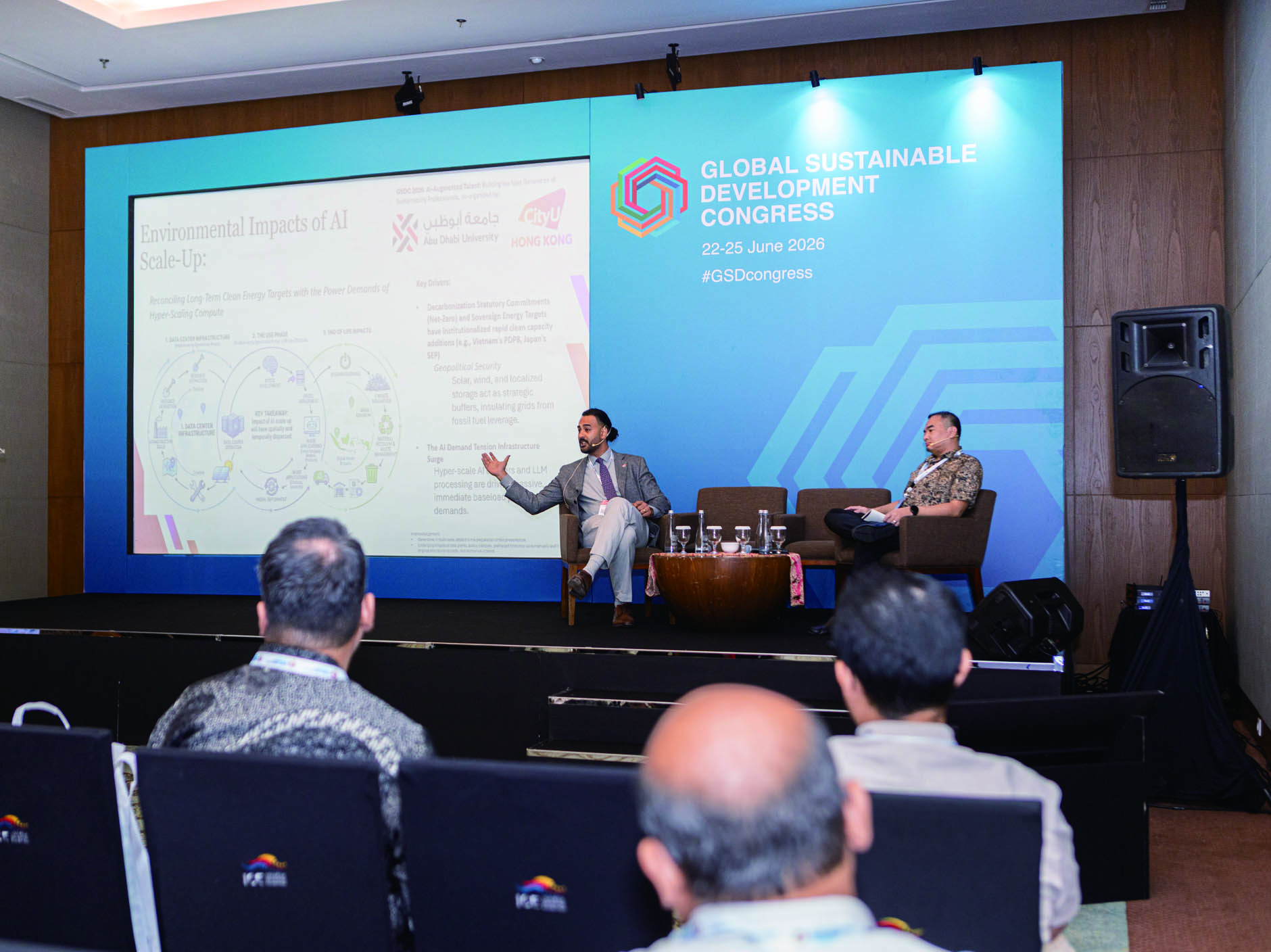
Pillar 1: Cities and Communities — Resilient urban infrastructure
CityUHK, together with the United Nations Local2030 Alliance, was co-leading this pillar forum, bringing together the insights of participants to deliberate on how to address the pressing social and technological challenges posed by rapid urbanisation, climate resilience and sustainable finance.
Professor Shauhrat Chopra, Associate Dean of the School of Energy and Environment, emphasised the necessity of cross-sector synergy to make cities thrive, "The solution to complex urban challenges is rooted in transdisciplinary innovation. Great ideas in the lab can only go so far without a supportive ecosystem to bring them to life. We provide the scientific breakthroughs, but scaling them requires government policy, industry capital, and community trust."
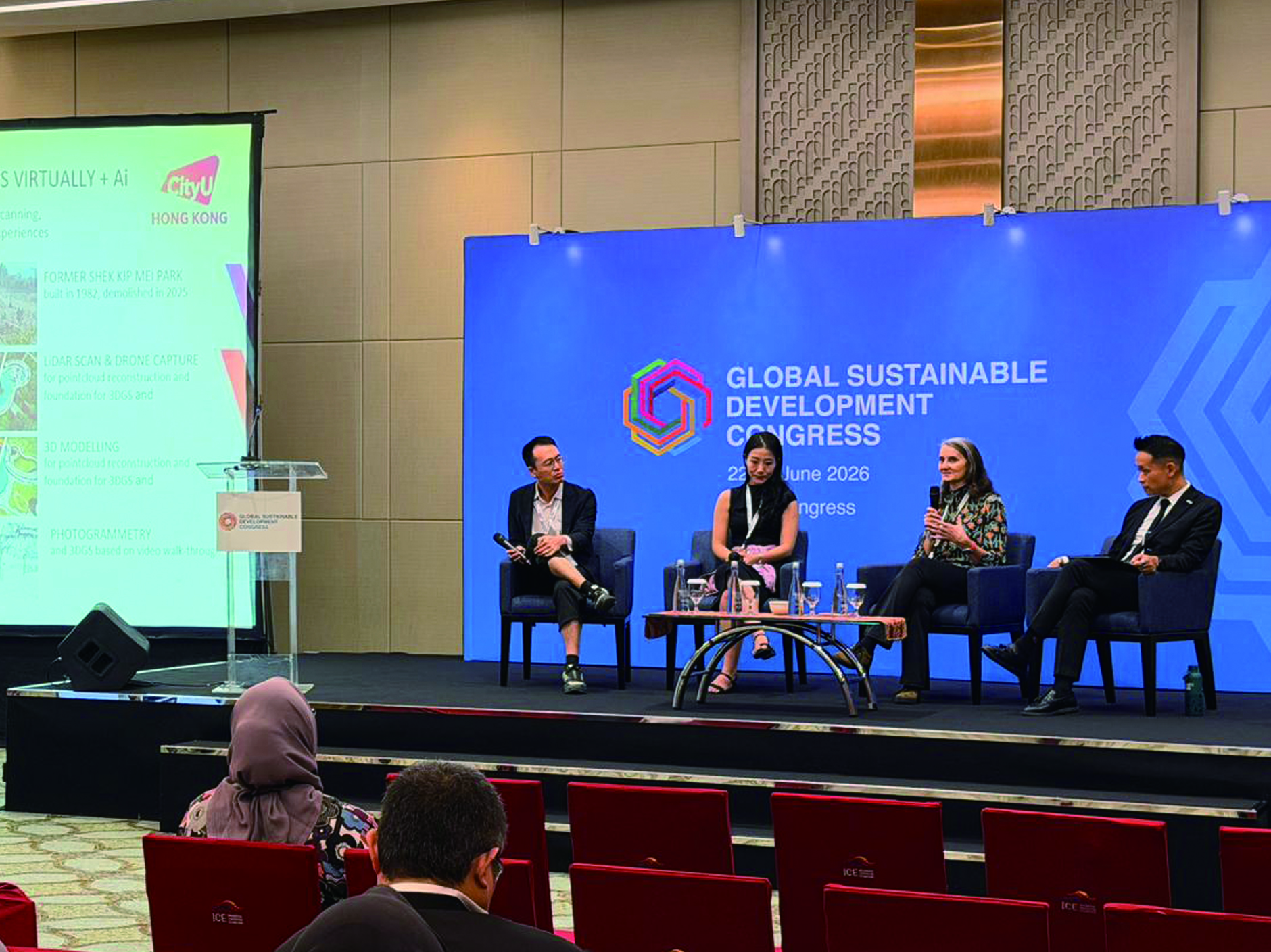
Pillar 2: Digital Innovation — Tech-driven social impact
Delivered in partnership with the Tech for Good Institute, this pillar focused on harnessing deep-tech—including AI, data analytics, and the Internet of Things (IoT)—to deliver ethical, measurable environmental and social outcomes.
Professor Elke Reinhuber, Associate Professor in the School of Creative Media, shared how advanced computing can transform cultural preservation into interactive reality, contributing to the advancement of sustainability goals. She noted, "Emerging technologies enable us to translate abstract sustainability goals into tangible, experiential realities. By integrating AI, sensor technologies, and interactive storytelling, we move beyond passive documentation toward the creation of living histories, making the urgency of sustainable preservation personal and immediate.”
By leading these two primary pillars, CityUHK reinforced its position as a global leader in sustainability, moving research out of the laboratories to directly benefit regional policymakers, industries and communities.
Please visit the thematic website for more information about CityUHK sustainability experts sharing their insights at GSDC 2026.