Thriving beyond tomorrow: CityUHK pilot projects bridge between ideas and sustainable solutions

On Day 2 of the Global Sustainable Development Congress (GSDC) 2026 held in Jakarta, experts from City University of Hong Kong (CityUHK) continued to share views and insights on strategies tackling the world’s most challenging environmental issues.
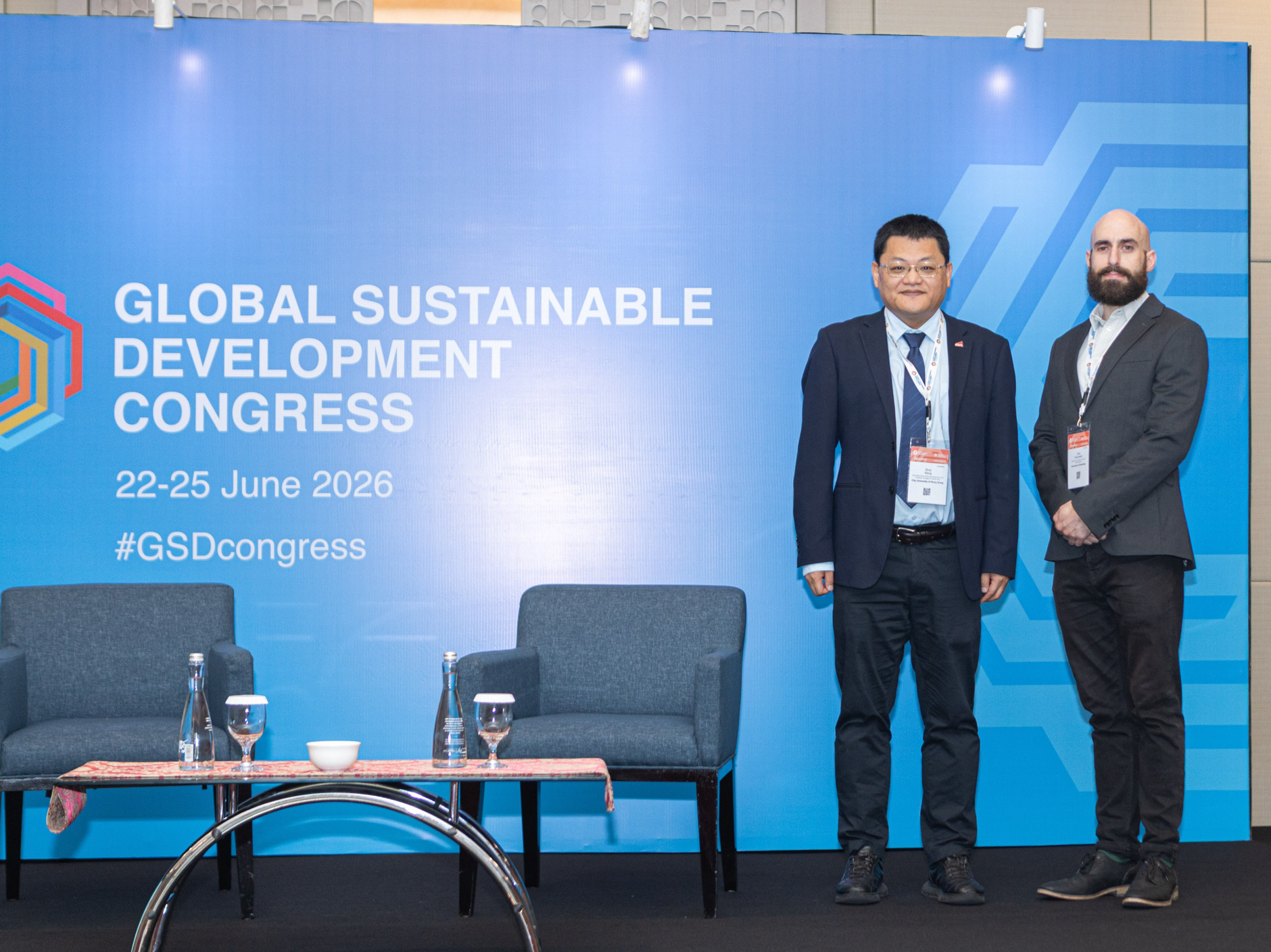
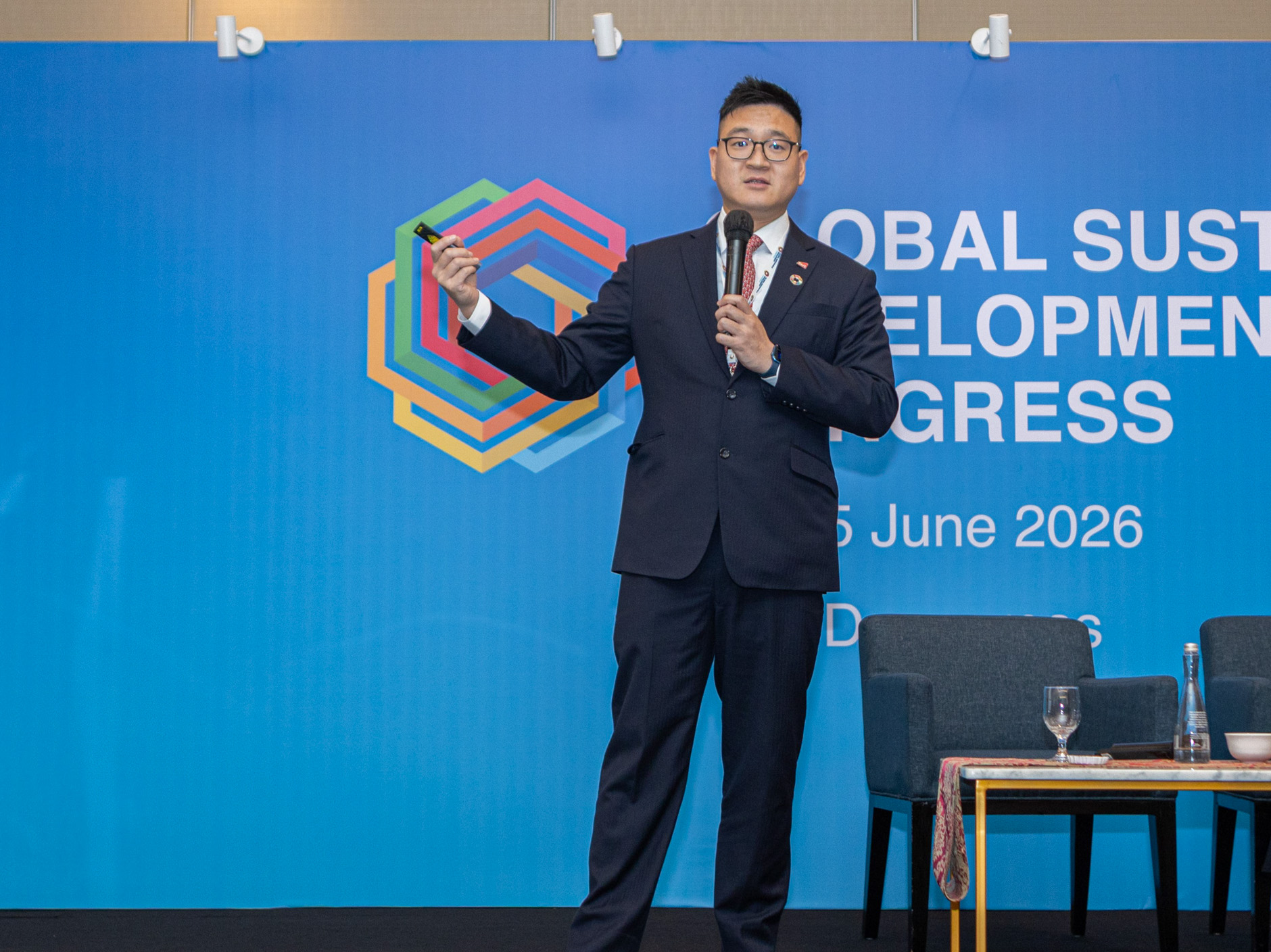
Professor Wang Shiqi, Associate Dean (Internationalisation and Industry), College of Computing, shared on how technology is being harnessed at CityUHK HKAI-Sci to empower research and teaching, including his research team’s self-developed Large Language Model (LLM). He noted, “HKAI-Sci is leading pioneering AI-driven scientific research. In 2025, we launched SciencePal, an AI-agent-driven research workstation streamlining the research chain and empowers researchers to work with exceptional efficiency.”
“We must ensure that as we continue to develop and create new technologies, accessibility to those technologies must be scaled up accordingly.” said Professor Chris Macdonald, Director and Founder of the Immersive Technology Lab at the University of Cambridge. In 2025, he developed a first-of-its-kind virtual reality platform that treats public-speaking anxiety through neuroscience tools and tailored course materials. The platform was named the Innovation of the Year by Times Higher Education in 2025.
Professor Edwin Tso Chi-yan, Associate Dean (Internationalisation and Outreach) of the School of Energy and Environment (SEE), spotlighted CityUHK’s UNESCO-endorsed Fostering Innovation for Resilience and Sustainable Transformation (FIRST) Programme. It harnesses CityUHK’s research strengths to develop affordable technologies to promote sustainability and enhance quality of life, particularly in underprivileged regions.
In 2025, FIRST launched pilot cooling innovation projects in Chinese Mainland, and introduced and demonstrated the electricity-free cooling technology at a secondary school in Hong Kong. In 2026, FIRST has expanded its outreach through the “Cool Future” Technology Public Welfare Experience Day, a community-based technology pilot held in Vietnam. It also plans to expand operations to Bangladesh, Bhutan, Cambodia and Indonesia in this year. Beyond the deployment of cooling technologies, it also engaged local students to partake in hands-on STEM workshops, experiments, and demonstrations.
“Through FIRST, we are connecting with local non-government organisations across the globe with the help of our 100+ partners to scale and adapt our sustainable technological solutions across cultures and climates through community-based pilot projects.” said Professor Tso, who co-founded i2Cool, a start-up nurtured under HK Tech 300, CityUHK’s innovation and entrepreneurship programme. Alongside the passive cooling coatings developed by i2Cool, the FIRST Programme also encompasses three more key sustainable innovations: affordable, printable solar films, biomass waste-to-value conversion, and a human-powered sanitation system for generating potable water.
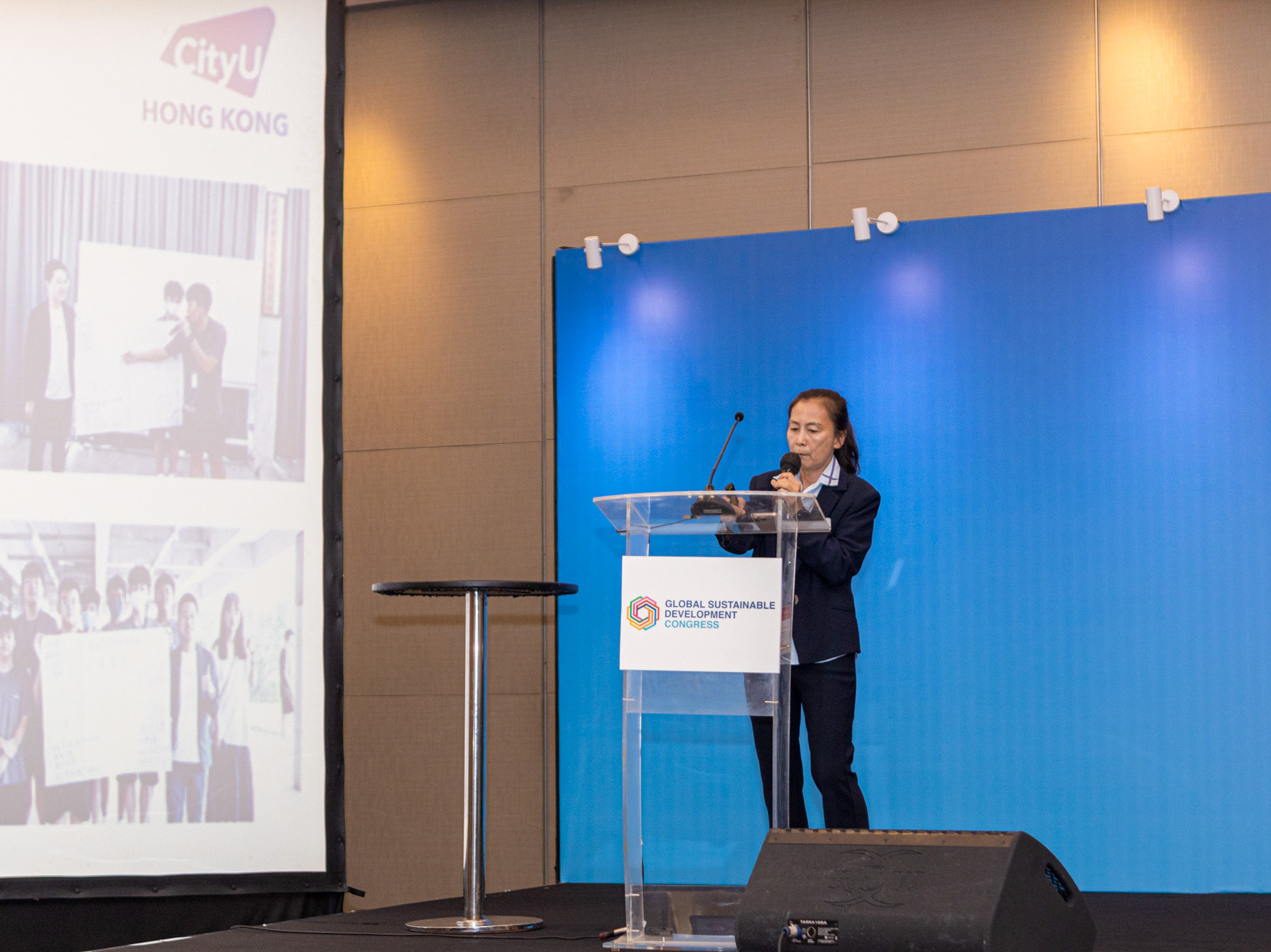
Professor Tso was joined on stage by Ms Poh Choo Kang, a teacher at the Chinese High School in Batu Pahat, Malaysia. She shared on how FIRST’s passive cooling paint has allowed her school’s 2,000 staff and students to enjoy a more comfortable learning environment in Malaysia’s hot and humid temperatures. Ms Poh said, “FIRST has inspired our own students to become future sustainability leaders, turning ESG principles into action.”
In the afternoon, Professor Shauhrat Chopra, Associate Dean (Undergraduate Studies) of SEE, partnered up with Professor Sharul Dol, Director of the Research Institute for Sustainable Futures at Abu Dhabi University, to share expertise on how to foster the next generation of sustainability professionals in the age of AI. Their talk focused on the necessary skills young leaders in sustainability must develop in order to excel and fuse AI with STEM-grounded rigour.
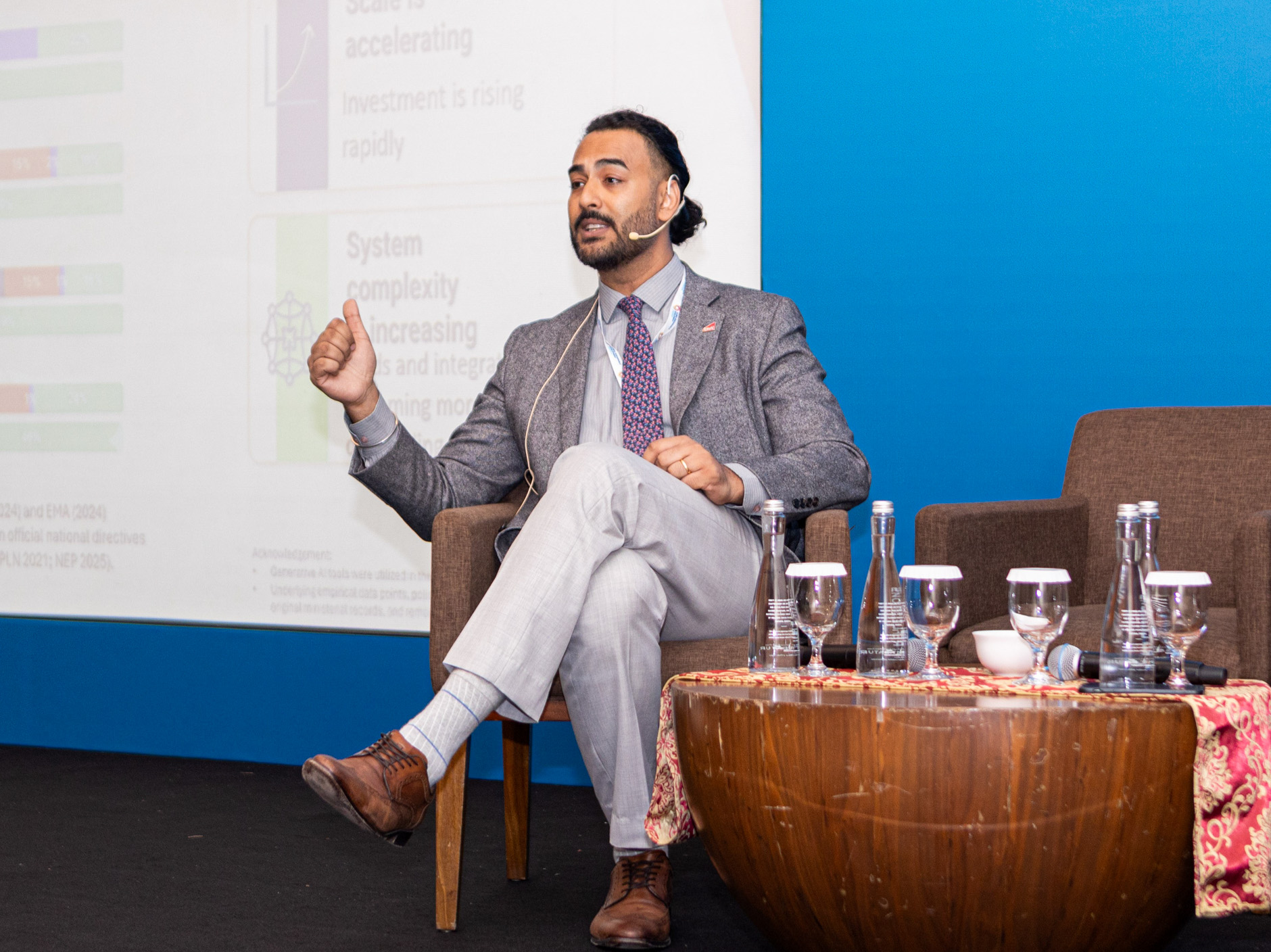
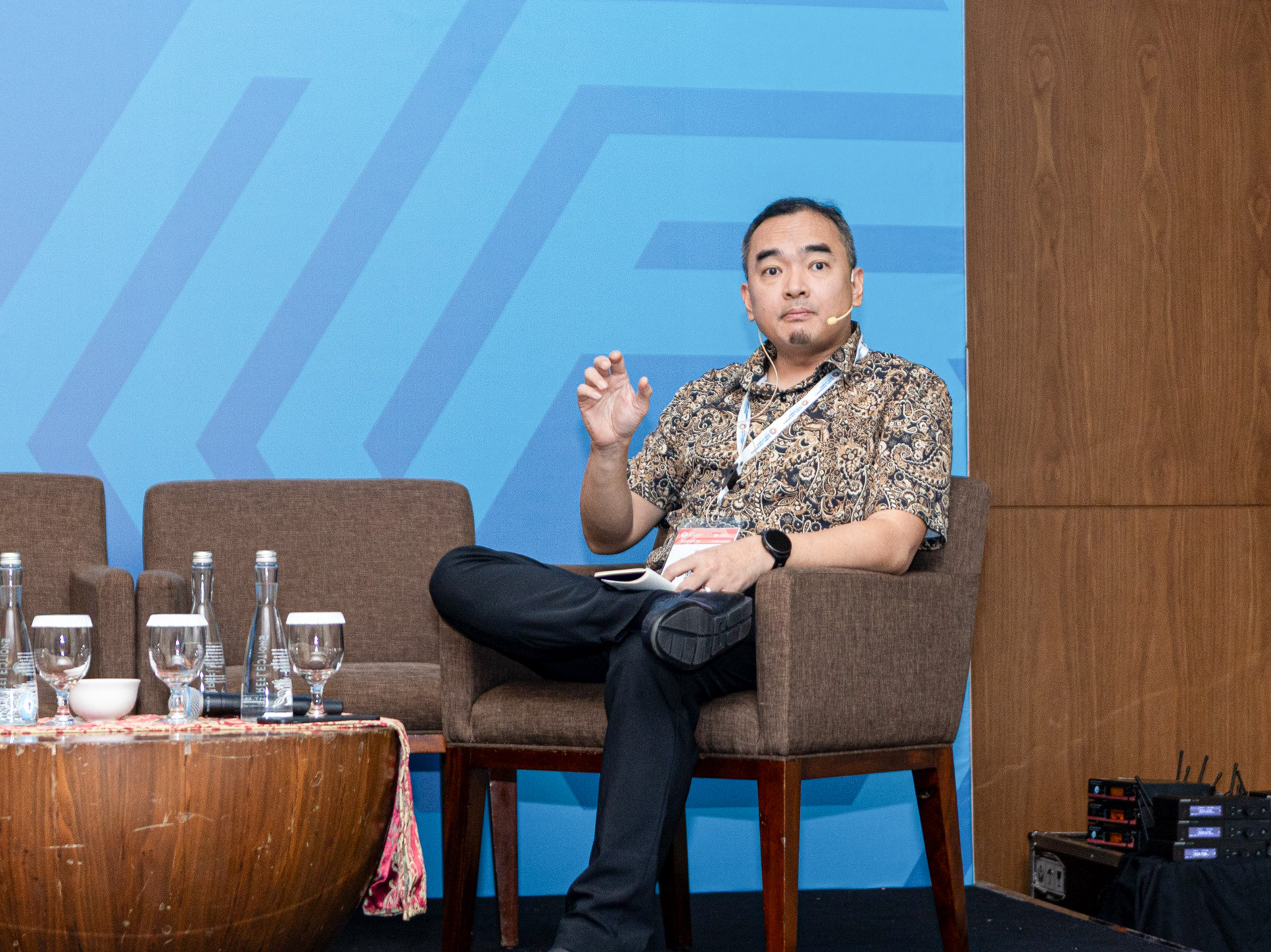
Professor Chopra explained that global decarbonisation is rapidly accelerating, driven by the energy transitions in East Asia and the MENA region, but a scarcity of specialised professionals capable of navigating complex systems could undermine long-term sustainability goals.
Professor Chopra noted, “To prepare our students for the AI-powered workforce, we are empowering them to become responsible leaders and entrepreneurs through team-based learning and gamified training tools.” He emphasised that professionals must shift from a static mindset to a more robust, dynamic journey of adapting to rapid global environment shifts. He also stressed that AI should serve as a critical partner that enhances human capability, rather than a crutch that hampers complex data analysis and decision-making.
Developing the AI-augmented education framework will be crucial in pivoting existing skills to ones that effectively meet the urgent demands of both the AI boom and the needs of the Green Industry. “The bottleneck of AI adaption lies in the high demand of talent that are qualified to use AI tools. Through identifying skill gaps, we can design more effective curriculum that enables AI-augmented training.” said Professor Dol.
Please visit the thematic website for more information about how CityUHK sustainability experts are sharing their insights at GSDC 2026.