HKIAS welcomes distinguished UK higher education leader to share secrets of success
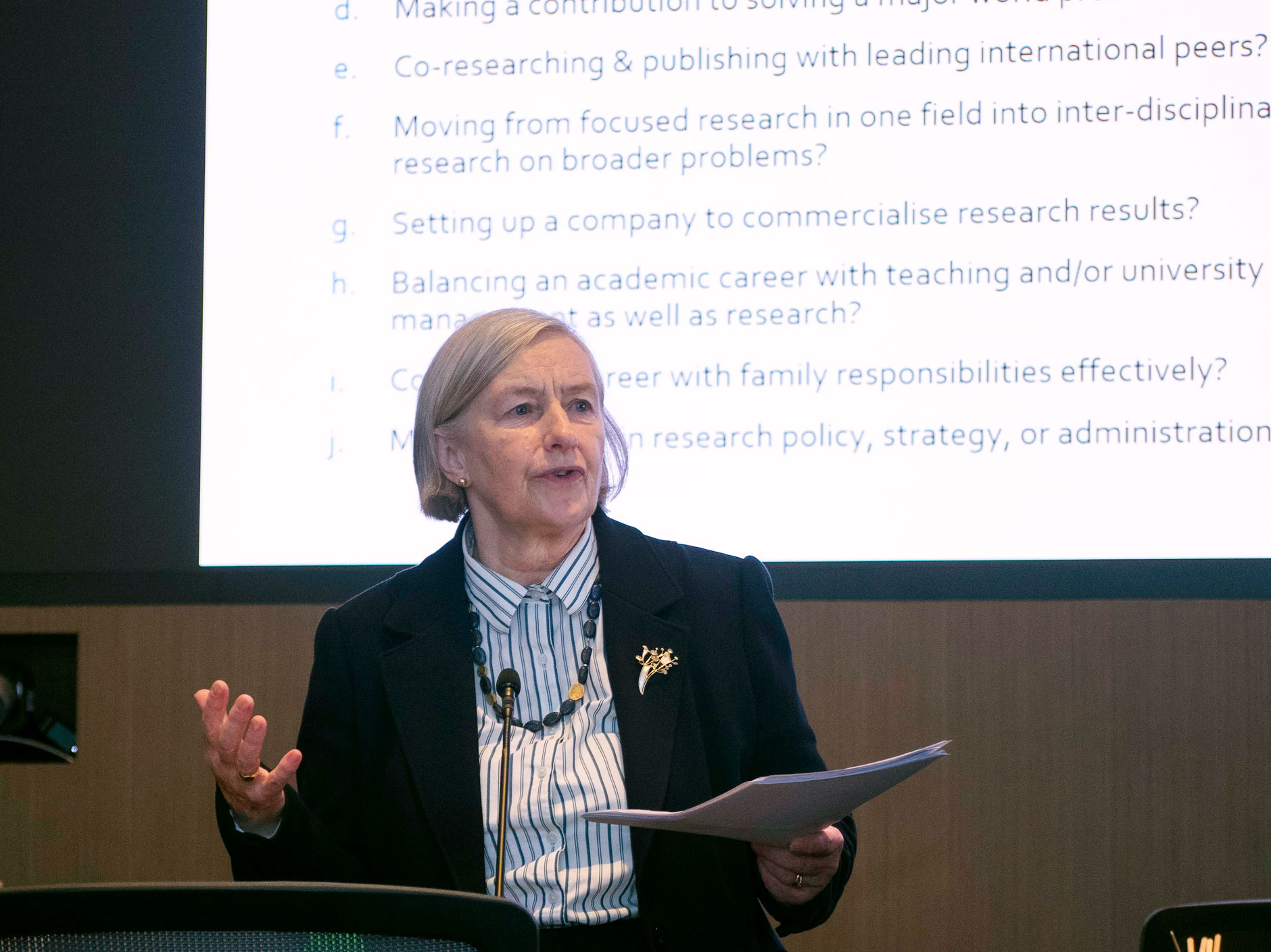
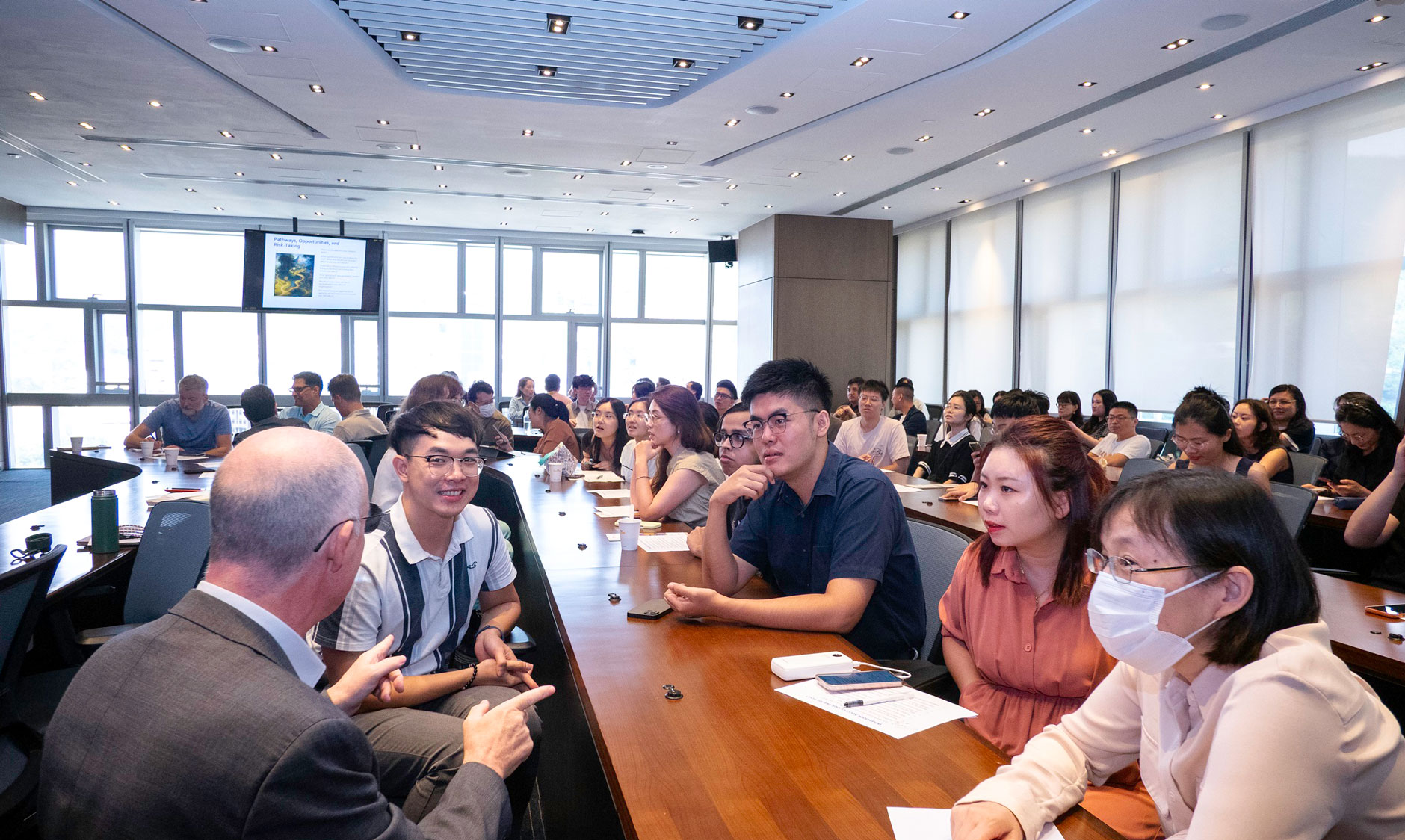
The Hong Kong Institute for Advanced Study (HKIAS) at City University of Hong Kong (CityUHK) recently hosted an inspiring workshop led by Professor Dame Madeleine Atkins, a Senior Fellow at the HKIAS and former President of Lucy Cavendish College at the University of Cambridge. Drawing from her distinguished career, Dame Madeleine shared valuable insights into diverse career paths, emerging opportunities, and the top skills employers seek from highly skilled graduates.
CityUHK is dedicated to inviting world-renowned scholars, researchers and leaders to inspire faculty and students through diverse perspectives and real-life experiences. In this interactive session, Dame Madeleine guided early-career researchers through her journey—from her early academic years to her transformative presidency at Cambridge—exploring paths in academia, industry, government policy and beyond.
The session kicked off with a participant vote on the definition of “personal success”, with options ranging from breakthrough discoveries and commercialising research via start-ups to potential careers in research policy and academic administration. “Making a contribution to solving a major world problem” topped the list with the most votes among the 10 indicators of what would count for participants as “success” for themselves individually.
Dame Madeleine emphasised that almost every university, including CityUHK, had a major objective to address complex global challenges, adding that global issues like climate change can add an international dimension to students’ career trajectories, enabling researchers to work across borders and transcend political divides.
Dame Madeleine highlighted essential attributes for thriving in today’s global landscape. She pointed out that some graduates can struggle initially in the commercial world as they may never have faced setbacks during their academic careers, where they have usually received good grades and positive feedback. She suggested allowing negative emotions to surface first but then bouncing back, seeking feedback, and learning from one’s errors. She underscored the importance of being adaptable, innovative, enterprising, open-minded and resilient — all of which are essential qualities looked for by graduate employers.
In closing, she pointed out that many of the most talented and successful scientists pursue passions and interests outside their comfort zones, noting that they do not just focus on their labs and academic work, but instead enjoy pushing themselves to learn something new completely outside their field.