CBM Seminar Series – The Theory of Modular Neuromotor Control and Its Relevance to Personalized Neuro-rehabilitation for Stroke Survivors
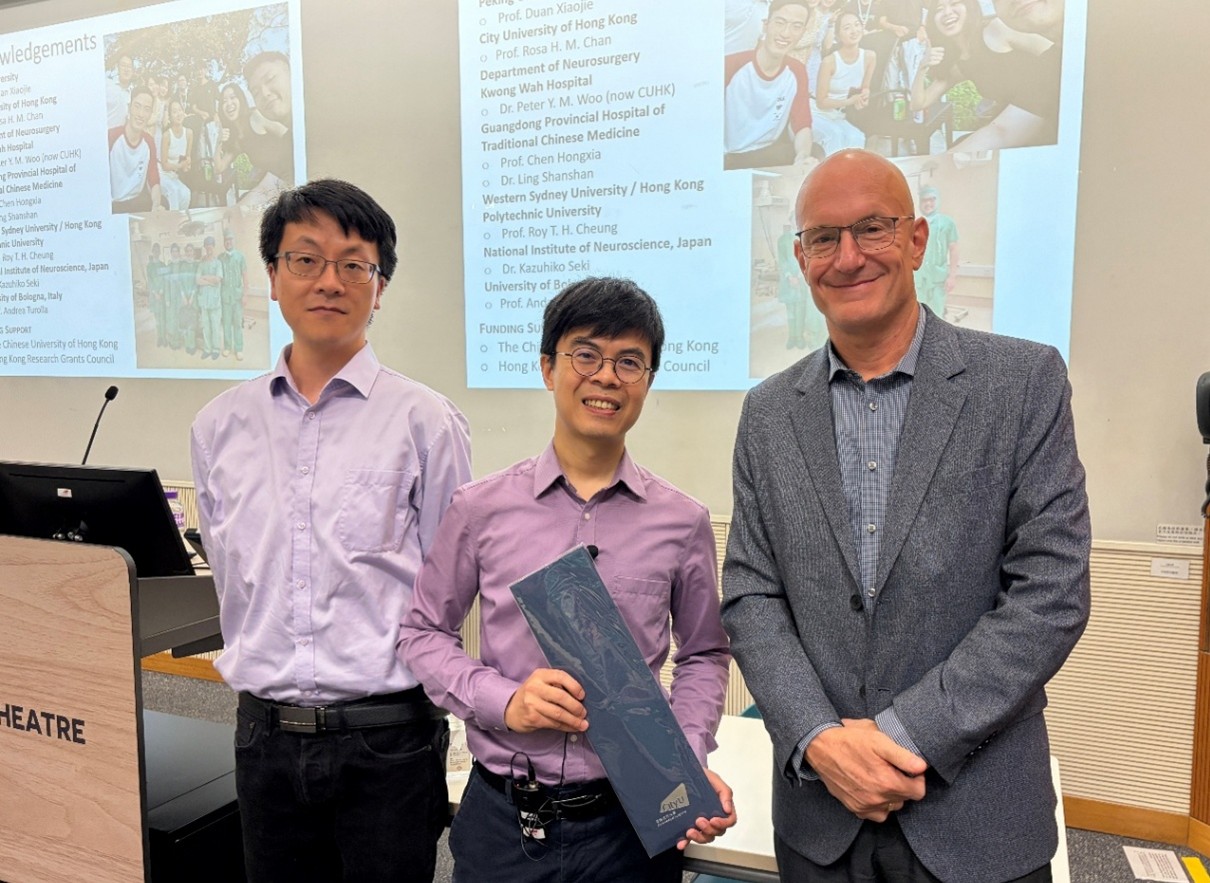
The College of Biomedicine was pleased to host Professor Vincent C. K. Cheung from the School of Biomedical Sciences, and Gerald Choa Neuroscience Institute, The Chinese University of Hong Kong, Hong Kong, as a distinguished speaker in the CBM Seminar Series on 19 January 2026. Professor Cheung’s research focuses on understanding how the central nervous system controls voluntary movement and translating this knowledge into new neuro-rehabilitation strategies.
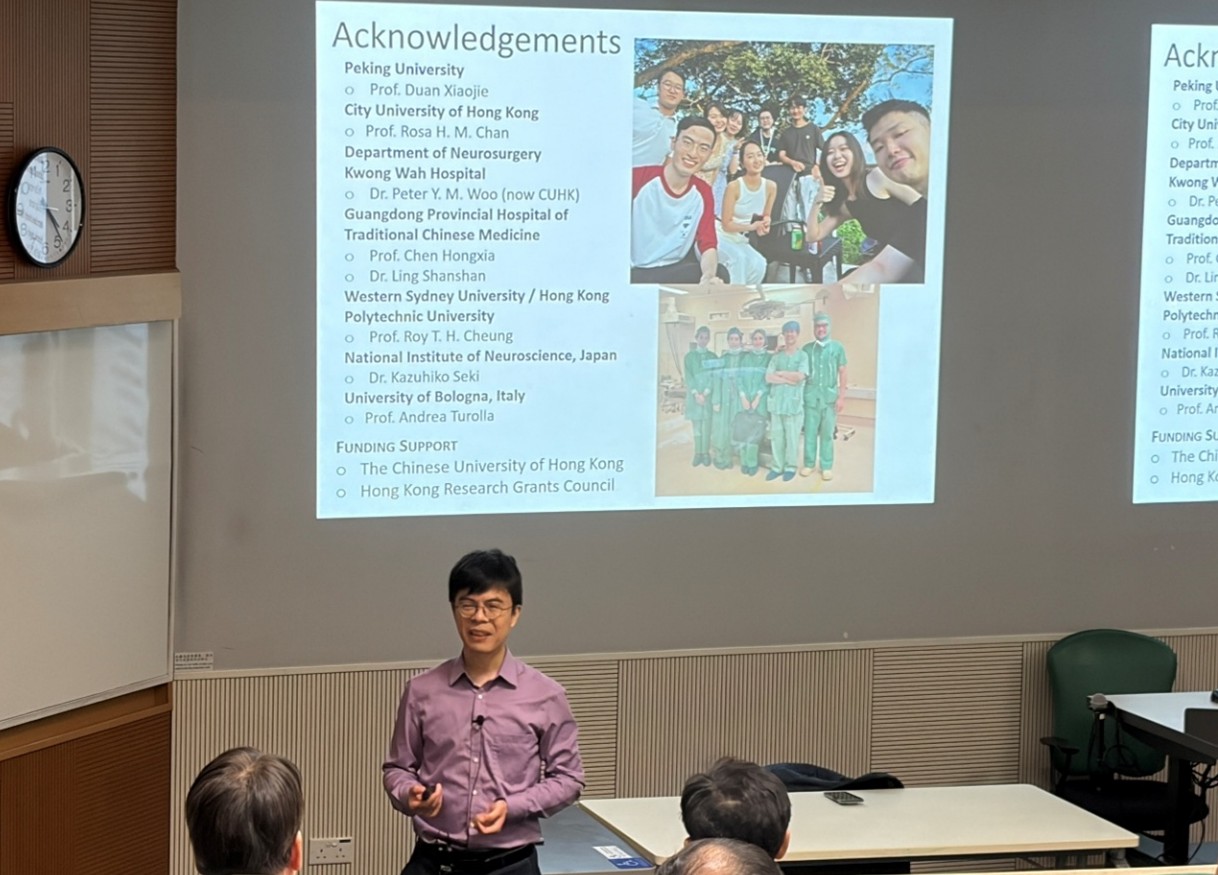
In his talk entitled “The Theory of Modular Neuromotor Control and Its Relevance to Personalized Neuro-rehabilitation for Stroke Survivors”, Professor Cheung introduced the theory of modular neuromotor control, which posits that the central nervous system generates complex movements by combining a limited number of coordination modules, commonly referred to as muscle synergies. He explained how this framework provides insights into fundamental questions in motor neuroscience, including the neural basis of movement control, motor learning, and adaptability following neurological injury.
Drawing on findings from both animal and human studies, Professor Cheung elaborated on how muscle synergies are encoded by spinal interneuronal populations and accessed by the motor cortex. He further highlighted the role of synergy plasticity in shaping motor behaviour during learning and recovery. The seminar also explored the translational implications of this theory, emphasizing how muscle synergies may serve as biomarkers and therapeutic targets for personalized neuro-rehabilitation, particularly for stroke survivors. The seminar stimulated active discussion and highlighted the importance of integration of integrating fundamental neuroscience with clinical applications in advancing rehabilitation research.