Showing 91 to 100 of 315 results
23 Feb 2023
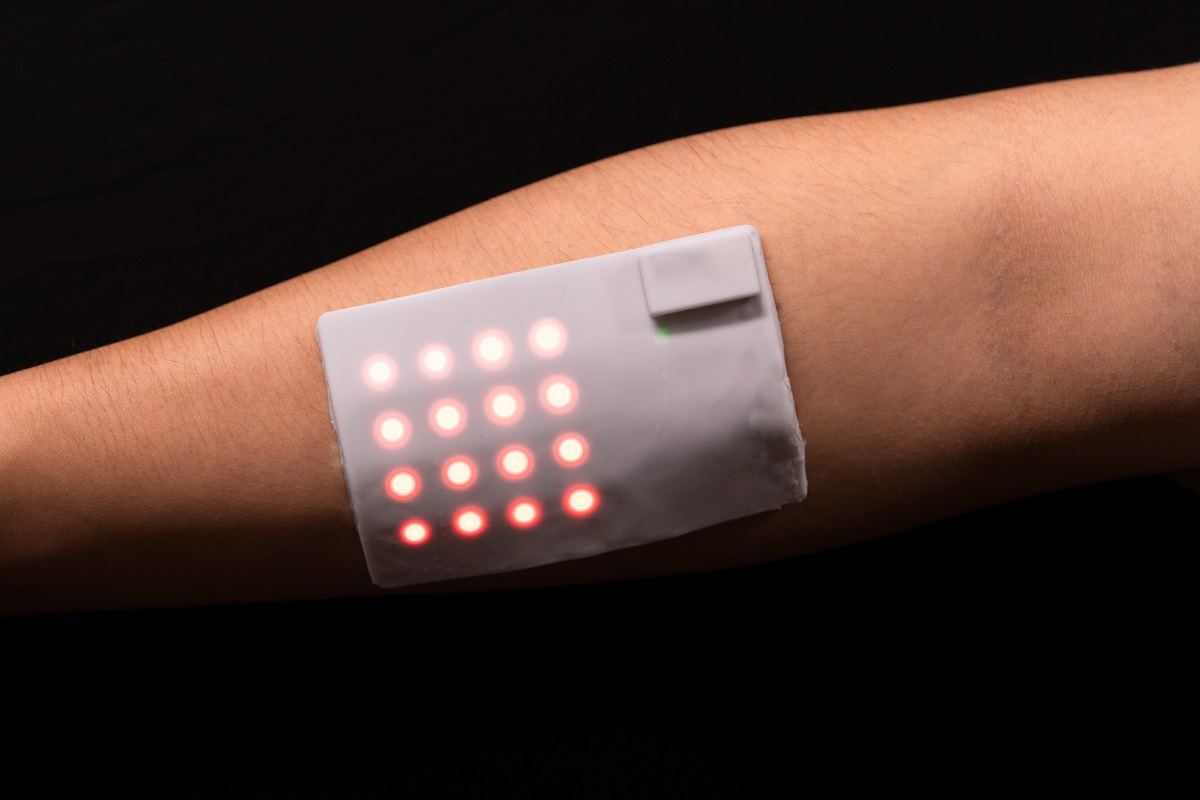
A research team led by City University of Hong Kong (CityU) recently developed a wireless, soft e-skin that can both detect and deliver the sense of touch, and form a touch network allowing one-to-multiuser interaction. It offers great potential for enhancing the immersion of distance touch communication.
16 Feb 2023
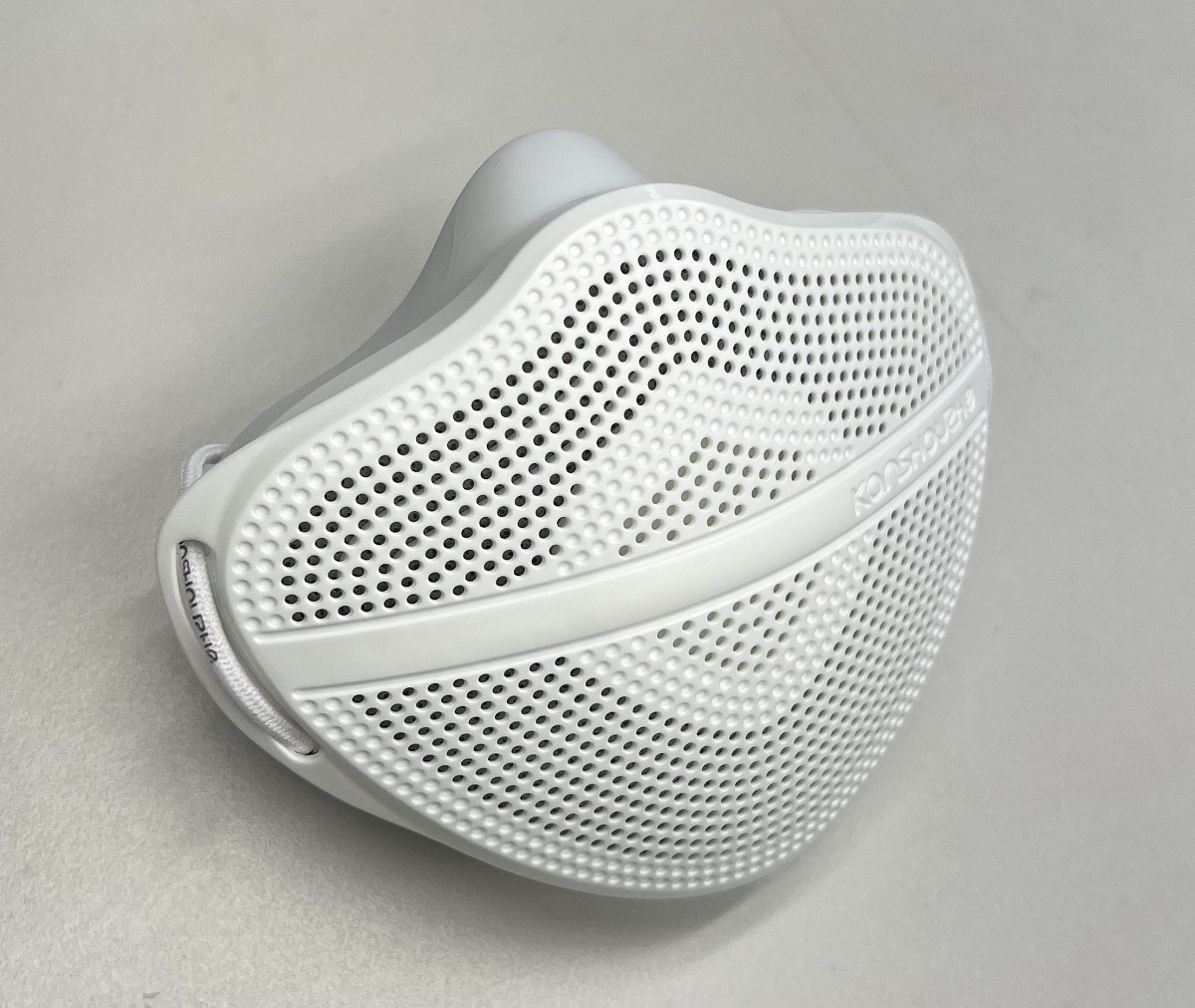
A research team at City University of Hong Kong (CityU) successfully engineered a breath-to-charge electrostatic face mask that can “self-charge” through the user’s breathing and continuously replenish its electrostatic charge as the user wears and breathes through the mask.
10 Feb 2023
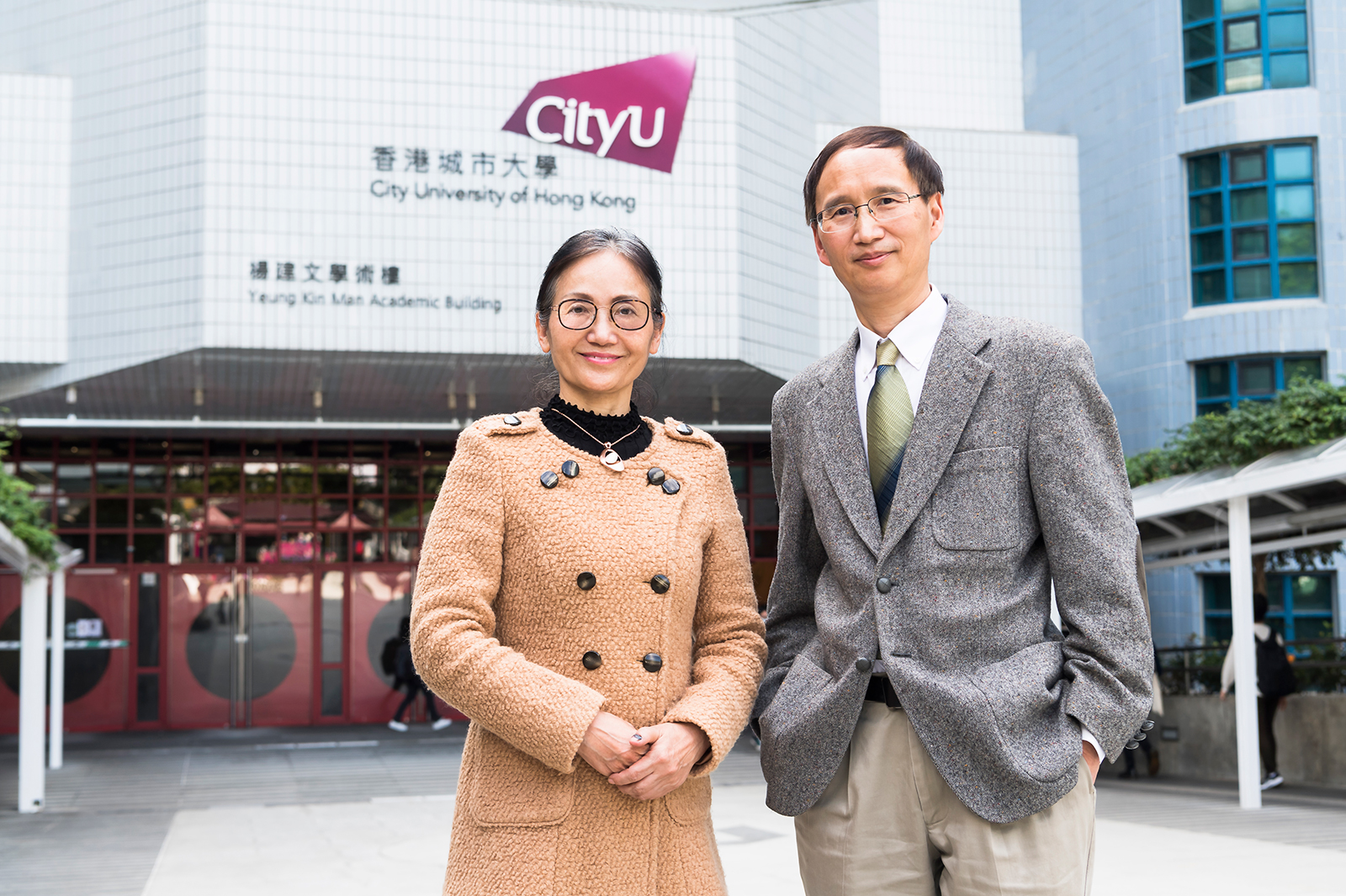
Professor Hu Jinlian and Professor Zhu Yuntian have been elected as the 2022 class of Fellows of the National Academy of Inventors. <br />

06 Feb 2023
A research team from City University of Hong Kong (CityU) recently developed a metadata-hiding analytic system, called Vizards, which enables data owners to securely define their data authorisation and control who can use their data, providing potential applications in various sectors, such as precision medical research.
01 Feb 2023
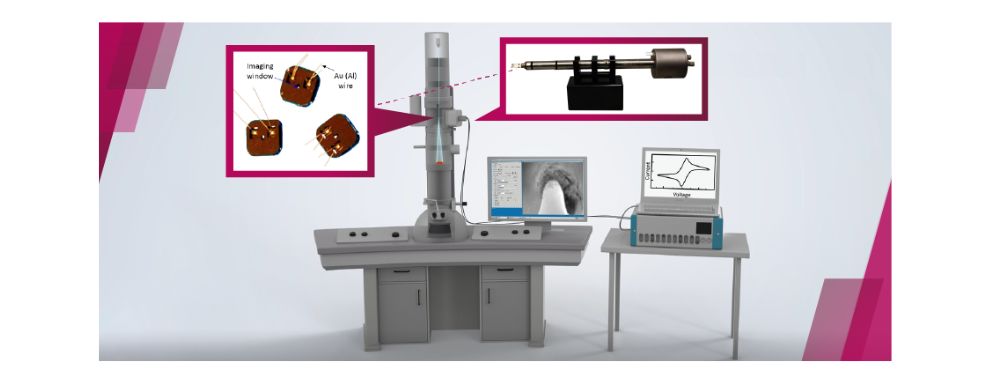
A research team led by a scholar from City University of Hong Kong (CityU) recently developed a novel, tiny device to hold liquid specimens for transmission electron microscopy (TEM) observation, opening the door to directly visualizing and recording complex electrochemical reactions at nanoscale in real-time at high resolution.
19 Jan 2023
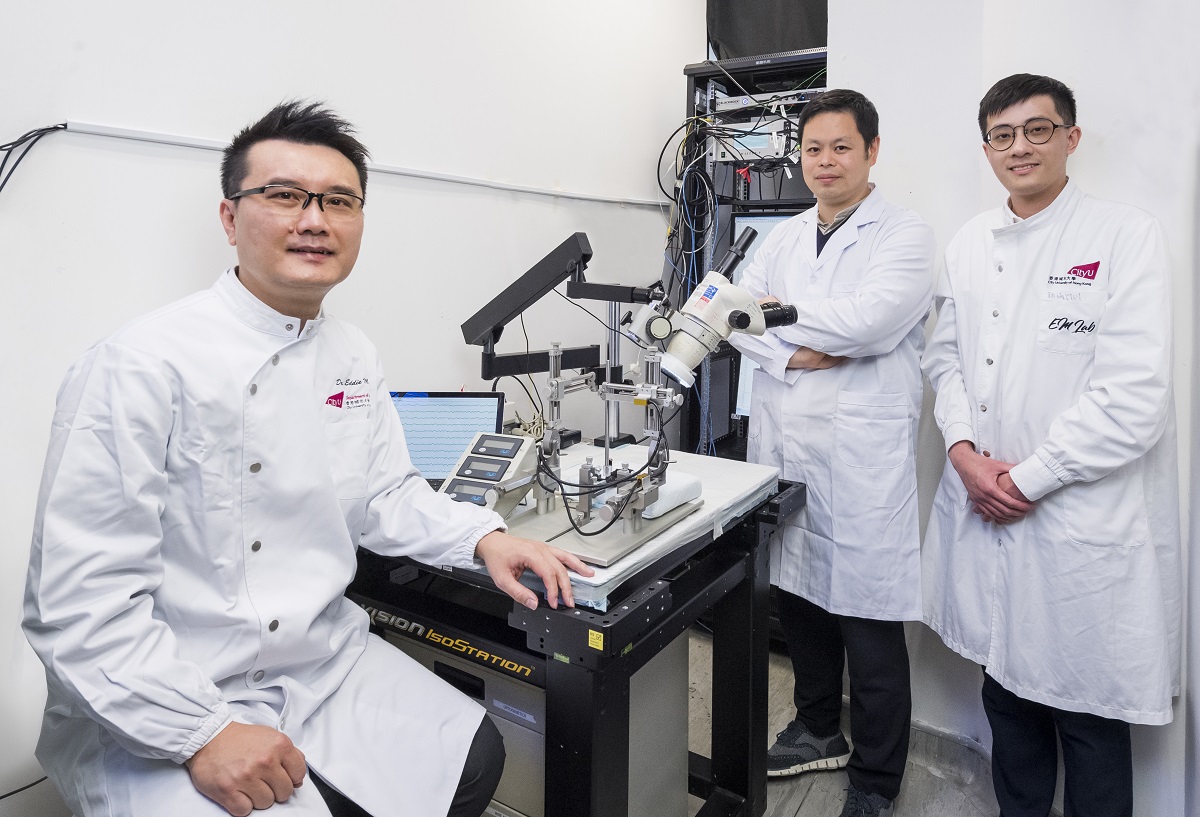
Neuroscientists from City University of Hong Kong (CityU) recently identified and demonstrated a small molecule that can effectively stimulate nerve regeneration and restore visual functions after optic nerve injury, offering great hope for patients with optic nerve injury, such as glaucoma-related vision loss.

13 Jan 2023
A research team from City University of Hong Kong (CityU) recently developed a lead-free perovskite photocatalyst that delivers highly efficient solar energy-to-hydrogen conversion.

12 Jan 2023
Recently, a team co-led by researchers at City University of Hong Kong (CityU) triggered a significantly faster and more efficient pyro-catalytic reaction using localized plasmonic heat sources to rapidly and efficiently heat up the pyro-catalytic material and allow it to cool down.

04 Jan 2023
A research team led by scholars from City University of Hong Kong (CityU), Australia and Germany successfully mediated the poor charge carrier transport at low voltage by adding phosphorus to a metal oxide catalyst, which reduced energy losses during water splitting. The findings offer a potential option for achieving carbon neutrality.
21 Dec 2022
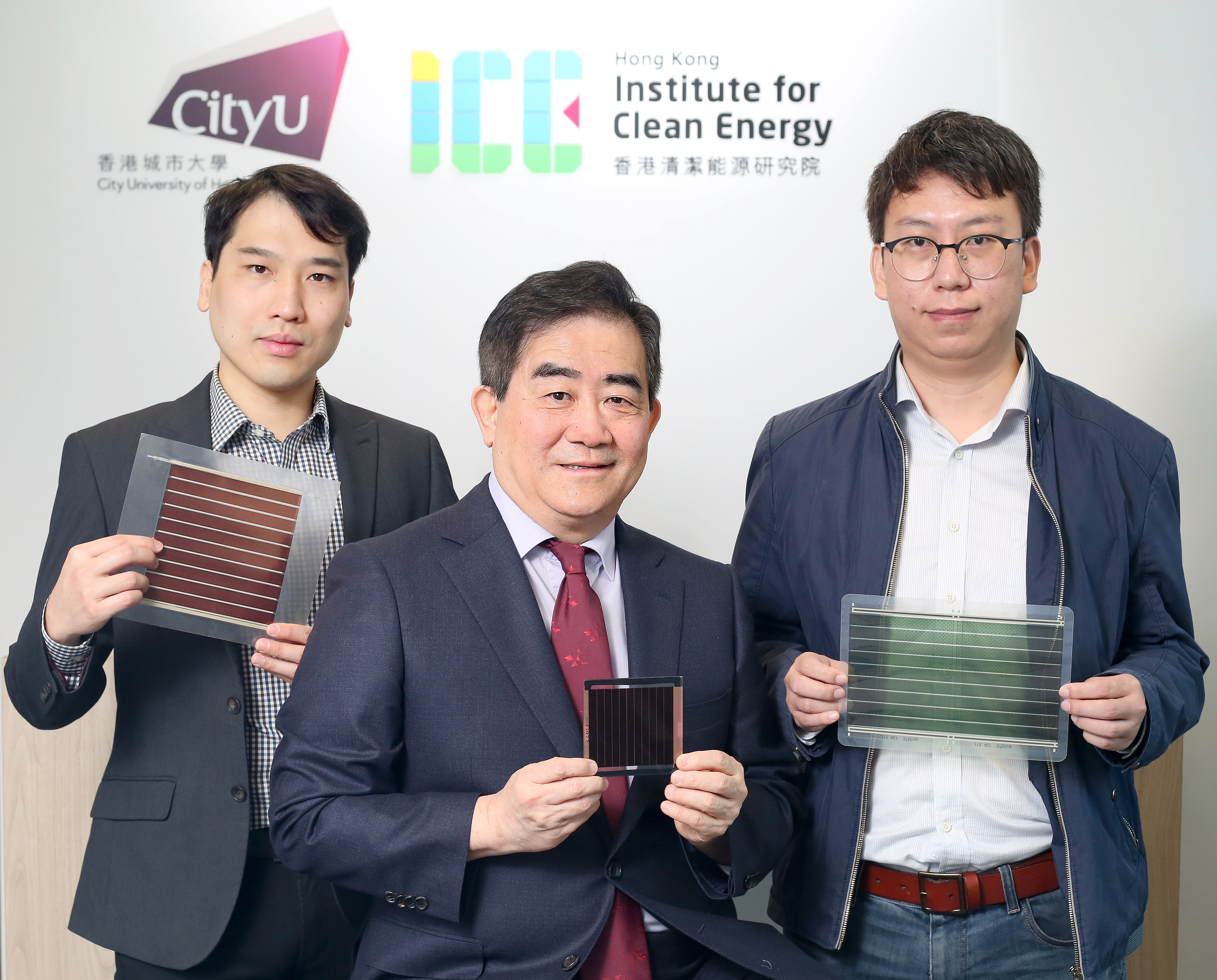
Recently, researchers from City University of Hong Kong (CityU) overcame this obstacle by inventing a novel device-engineering strategy to successfully suppress the energy conversion loss, resulting in record-breaking efficiency. <br />