CityUHK scholars develop new infrared-transparent aerogel, boosting cooling performance by up to 5.2°C
As global warming continues, people tend to switch on fans or air conditioners during hot weather. But the more we use electrical appliances, the more energy and carbon dioxide we consume and produce. With continuous breakthroughs in electricity-free cooling, City University of Hong Kong (CityUHK) recently developed a new infrared-transparent aerogel, which boosts the cooling performance of subambient daytime radiative cooling materials by up to 5.2°C. The findings were published in Energy & Environmental Science, in an article titled “Decoupling solar reflection and thermal emission enables deep subambient radiative cooling for building energy savings”.
Subambient daytime radiative cooling (SDRC) reflects solar radiation and emits thermal radiation into outer space, reducing surface temperature without consuming energy. But existing SDRC relies on a single exposed surface for both solar reflection and thermal emission, making deep subambient cooling vulnerable to parasitic heat gain.
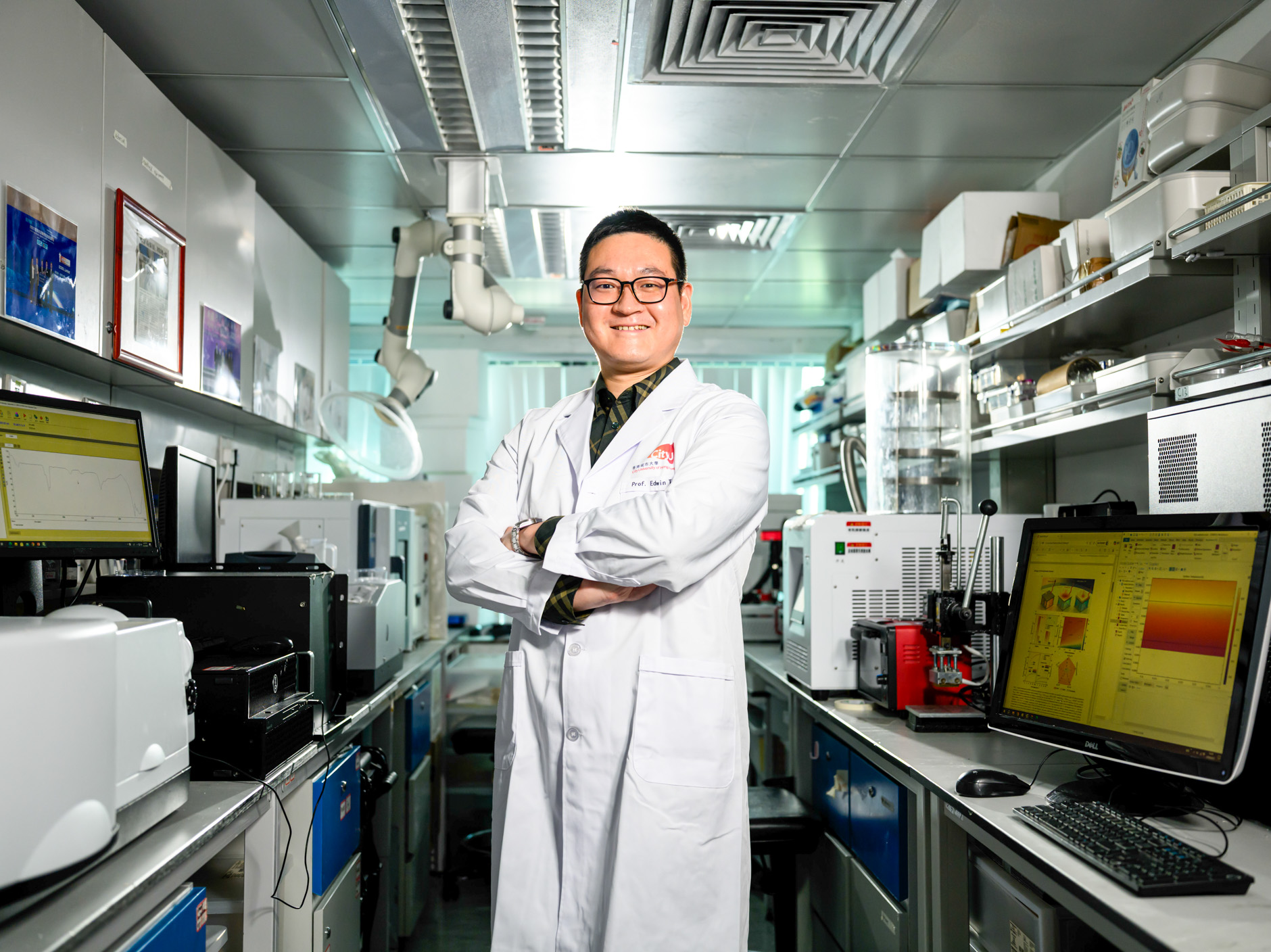
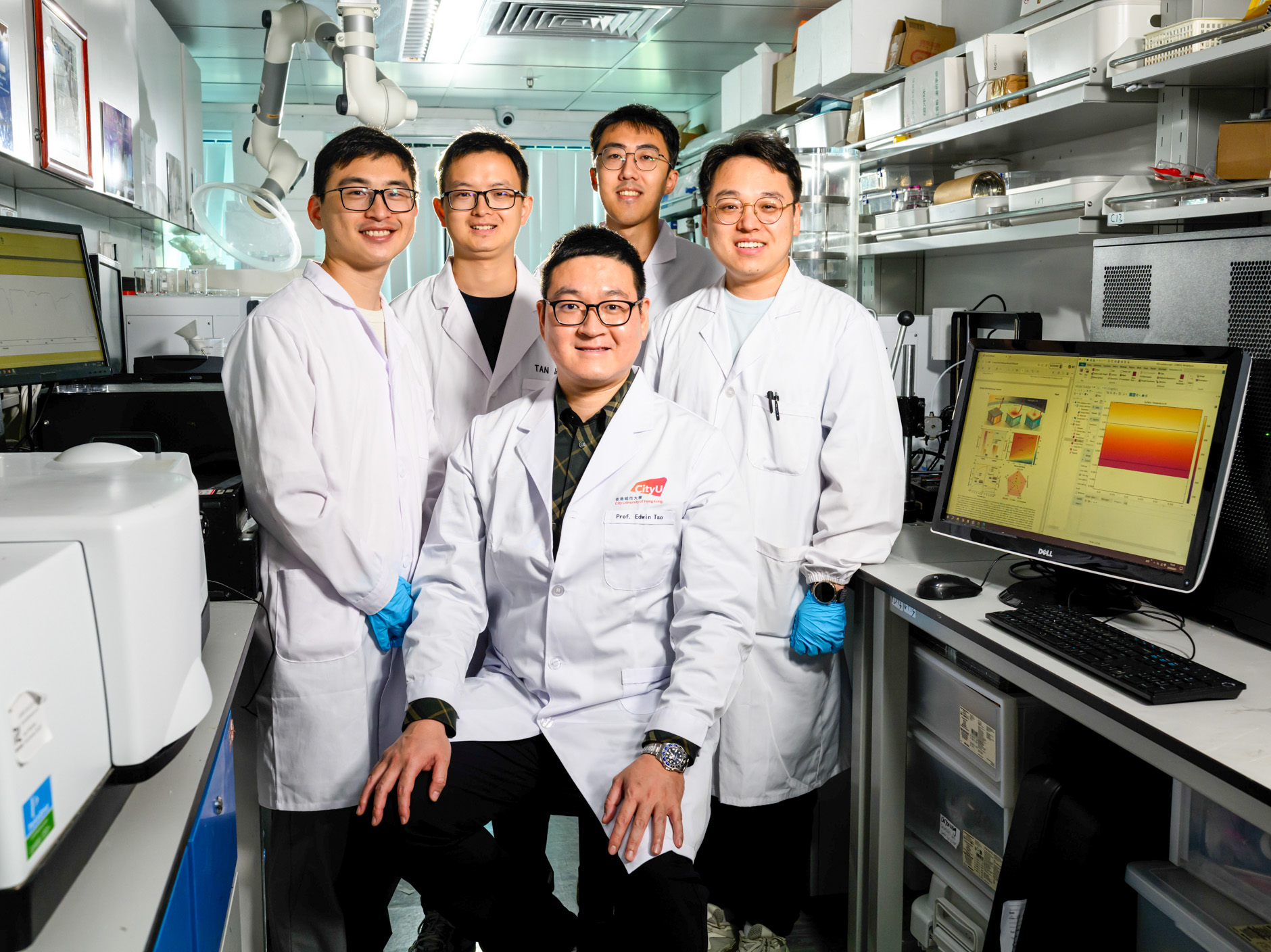
Led by Professor Edwin Tso Chi-yan, Associate Dean (Internationalisation and Outreach) and Chair Professor of the School of Energy and Environment (SEE) at CityUHK, the research team developed a white infrared-transparent aerogel (WITA) that spatially decouples solar reflection and thermal insulation. Using a simplified one-step solvent-exchange process, the team innovatively adopted ultra-high-molecular-weight PE (UHMWPE) as the substrate. Compared with the conventional high-density polyethylene, UHMWPE offers a higher entanglement density and stronger physical cross-linking, enabling the aerogel to maintain its stable three-dimensional porous structure. The resulting WITA exhibits high optical performance, achieving atmospheric-window transmittance of up to 94.5% and solar reflectance of 96.6%.
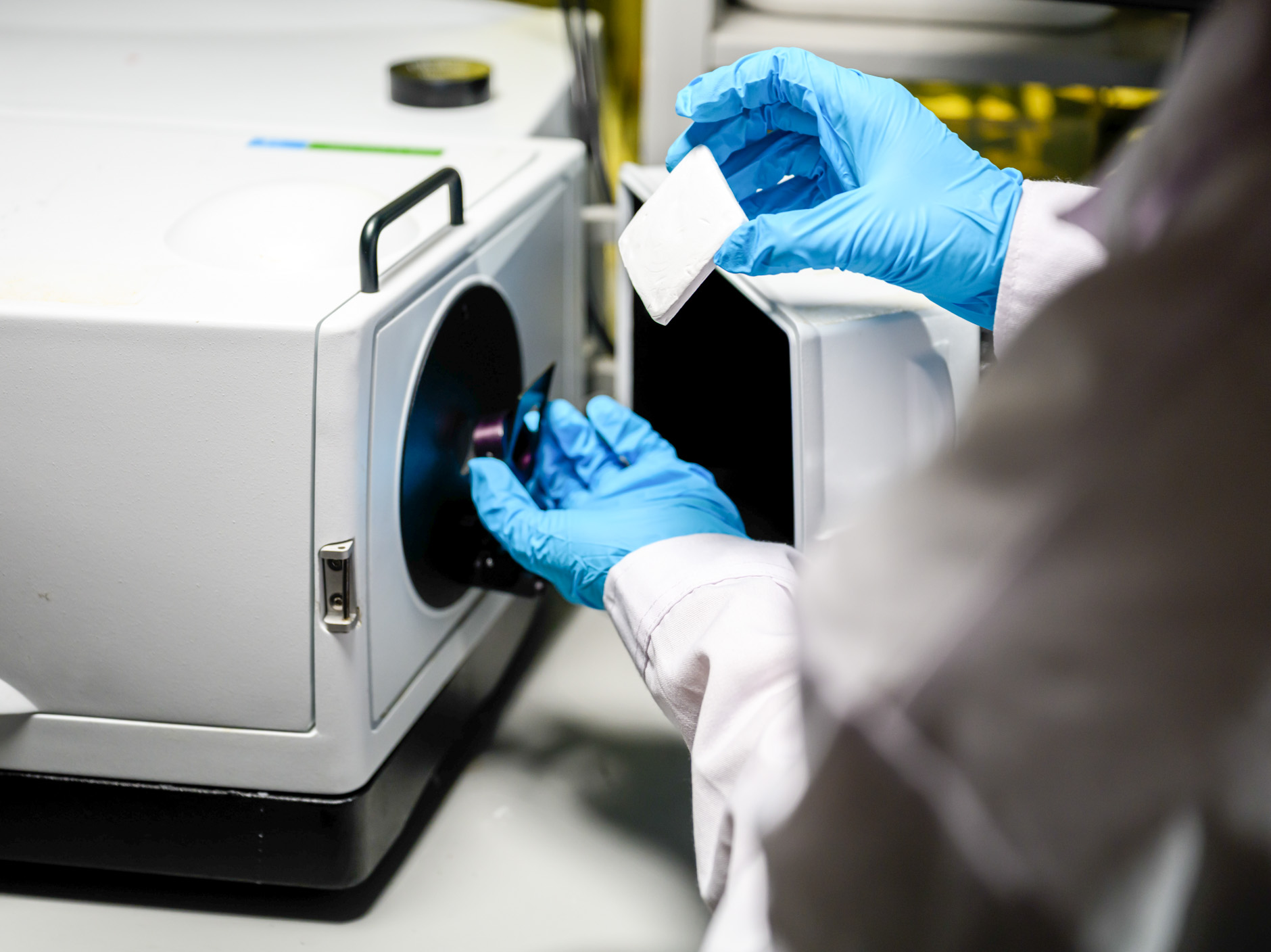
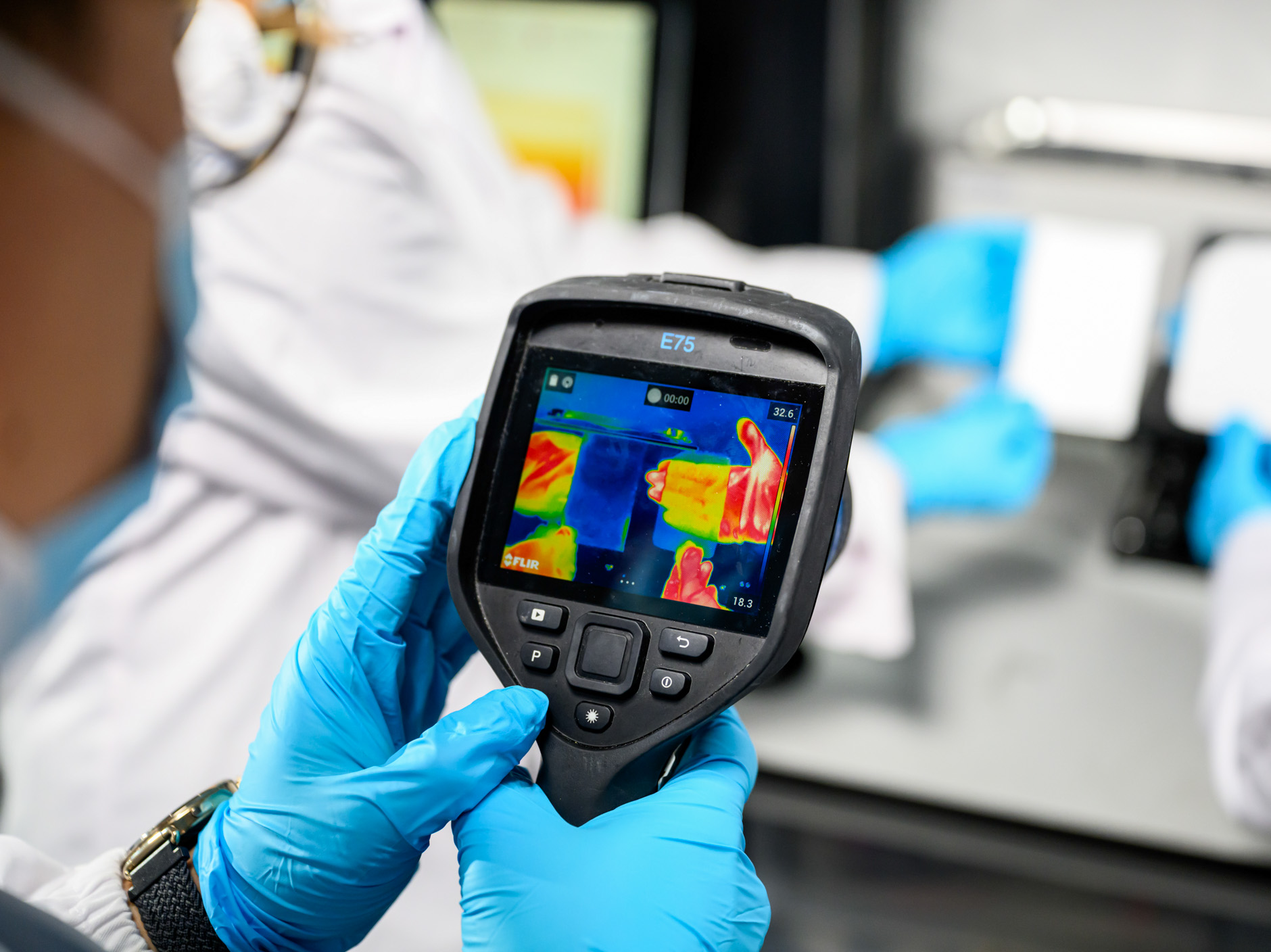
The team established a multiscale optical-thermal model that bridges the light-scattering and heat-transferring mechanisms of WITA, directly linking material formulations to spectral response and cooling performance. This experimentally validated model can predict the cooling performance of WITA based on parameters such as material composition and thickness, enabling the identification of optimal designs for specific substrates and weather conditions.
Additionally, the research team developed a building energy model with WITA parameters and conducted outdoor field tests in Hong Kong and Abu Dhabi. The results showed that applying WITA over commercial white coatings and SDRC coatings enhanced their cooling performance. In Hong Kong, the WITA-covered SDRC coating achieved a maximum additional subambient temperature reduction of 5.2°C compared with bare SDRC coating. In Abu Dhabi’s extremely hot and arid climate, the WITA-covered SDRC coating consistently outperformed the bare SDRC coating, delivering superior subambient cooling over extended periods of outdoor exposure.
Furthermore, the team evaluated the annual energy consumption of a four-storey apartment building and found that a WITA-covered SDRC roof can reduce energy consumption. In Abu Dhabi, for example, the SDRC roof effectively reduced annual energy consumption by 14.6 GJ compared with a conventional roof. When covered with WITA, the SDRC roof achieved an additional temperature reduction, boosting SDRC savings by about 55%.
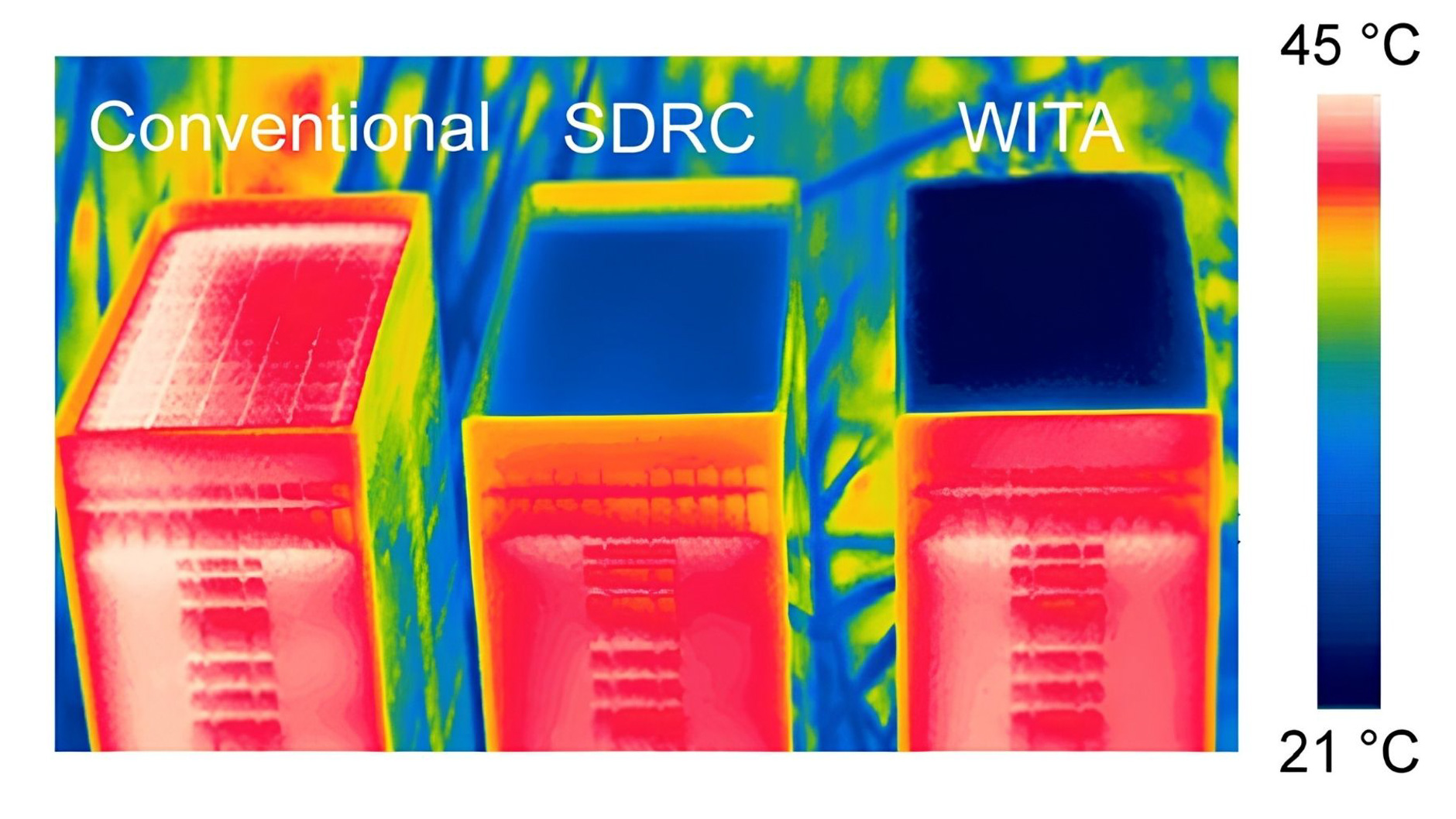
Beyond its outstanding cooling performance, WITA is durable and safe for extended use. The team exposed a WITA-SDRC sample to ultraviolet irradiation at 40°C for 75 days (equivalent to approximately two years of outdoor UV exposure in Hong Kong). Its solar reflectance and infrared transmittance within the atmospheric window remained virtually unchanged after the accelerated aging test, demonstrating its resistance to long-term sunlight exposure and its suitability for long-term outdoor applications.
In addition, WITA exhibits satisfactory hydrophobicity, helping to mitigate rainwater-induced contamination while providing self-cleaning properties. After treatment with a commercial hydrophobising agent, the material did not ignite during fire-resistance testing, showing only shrinkage. Compared with existing organic SDRC materials, WITA performs better in cooling performance and fire resistance. The team also successfully developed red, yellow and blue variants of WITA that maintain the material’s performance, demonstrating its suitability for aesthetically diverse building applications.
Professor Tso noted, “This research presents a highly efficient radiative cooling material, as well as a prediction framework from material design to building energy efficiency. By connecting material formation, cooling performance and actual energy efficiency, we aim to accelerate the widespread application of passive cooling technology and reduce building energy consumption, contributing to solutions for global warming and urban heat islands.”
The study was a collaborative effort between CityUHK and Xi’an Jiaotong University. The corresponding authors are Professor Tso, Professor Lin Kaixin from SEE at CityUHK, and Professor He Yaling from the School of Energy and Power Engineering at Xi’an Jiaotong University.