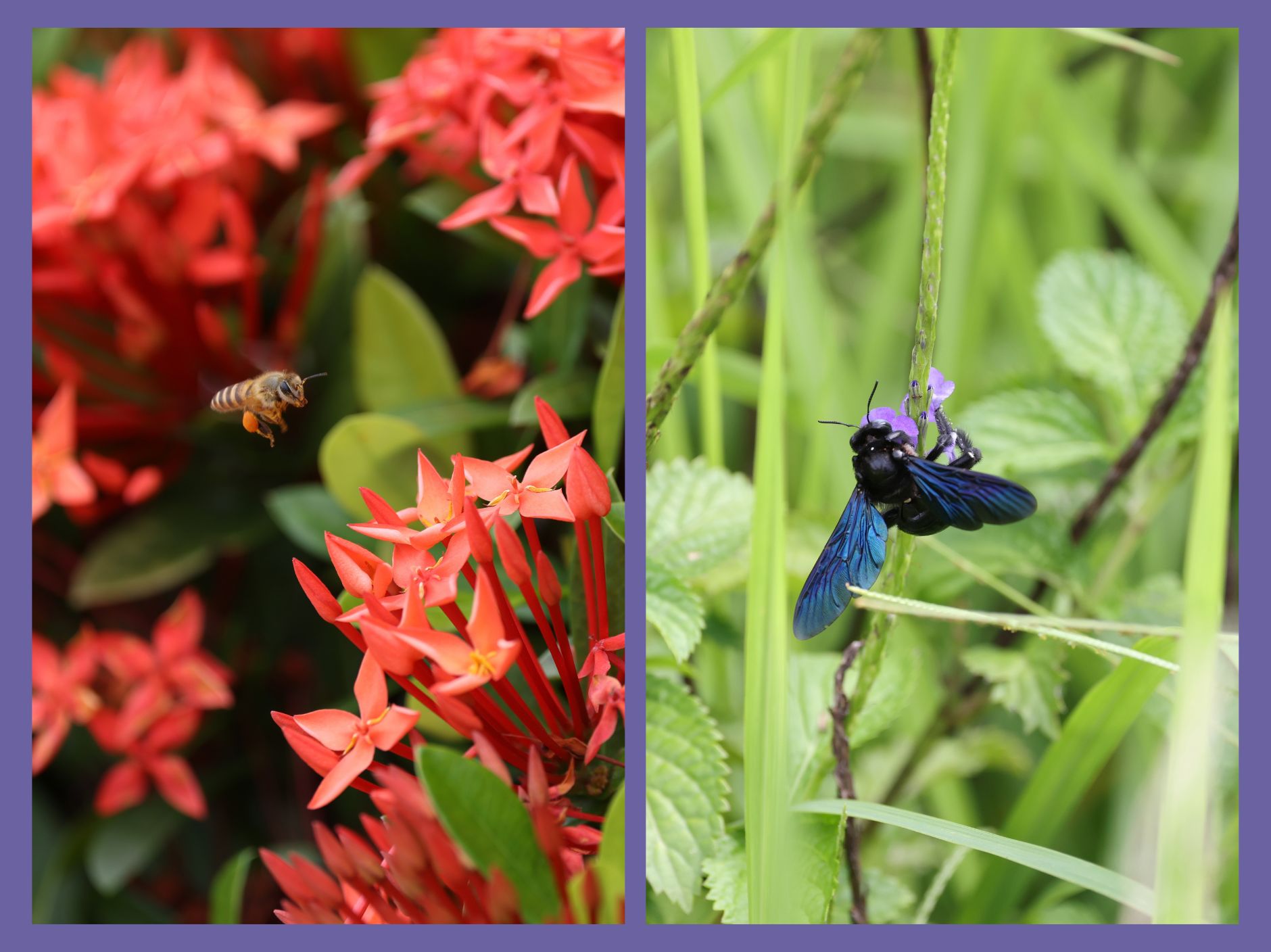
Rooftop oasis in the heart of the city: CityUHK’s Biodiversity Garden infuses urban campus with nature
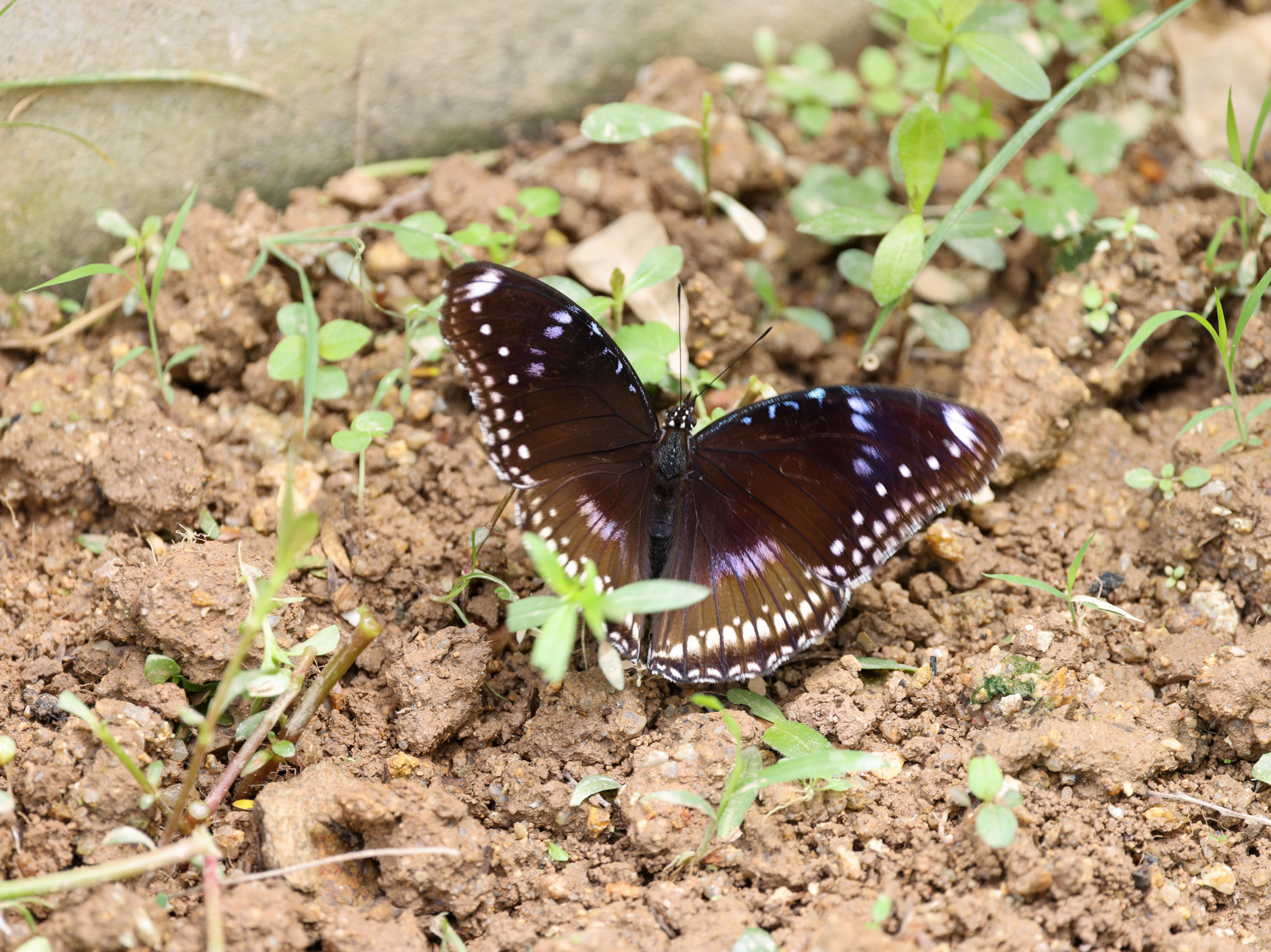
City University of Hong Kong (CityUHK) earlier commissioned Kadoorie Farm and Botanic Garden (KFBG) to conduct a year-long butterfly monitoring survey at the “Biodiversity Garden”, located on the rooftop of the Li Dak Sum Yip Yio Chin Academic Building. The survey, a key initiative in advancing urban campus biodiversity, revealed that the rooftop garden successfully attracted a diverse range of butterfly species, recording 18 species over the course of a year and providing valuable insights for future campus greening and ecological enhancements.
Located in the heart of the city, CityUHK is surrounded by high-rise buildings and heavy traffic. Through ecological design, the University has actively created an oasis within this urban landscape. In June last year, CityUHK introduced native plant species to the rooftop garden to enhance its ecological value and invited KFBG to undertake professional phased monitoring.
The data collected showed a steady upward trend in butterfly species richness, increasing from six species in the initial survey in June last year to 12 species in the third survey conducted in June this year, covering the Papilionidae, Pieridae, Lycaenidae and Nymphalidae families.
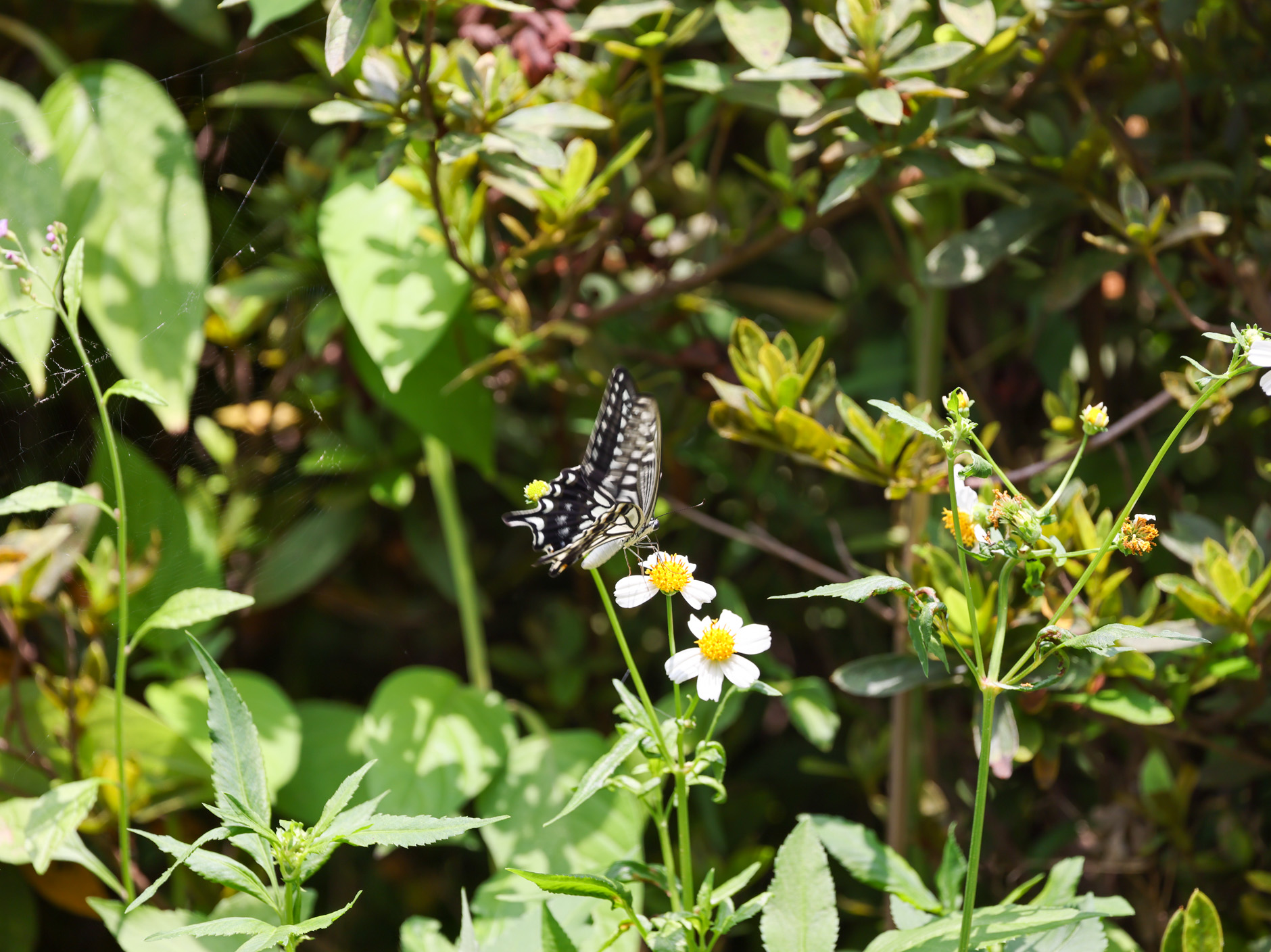
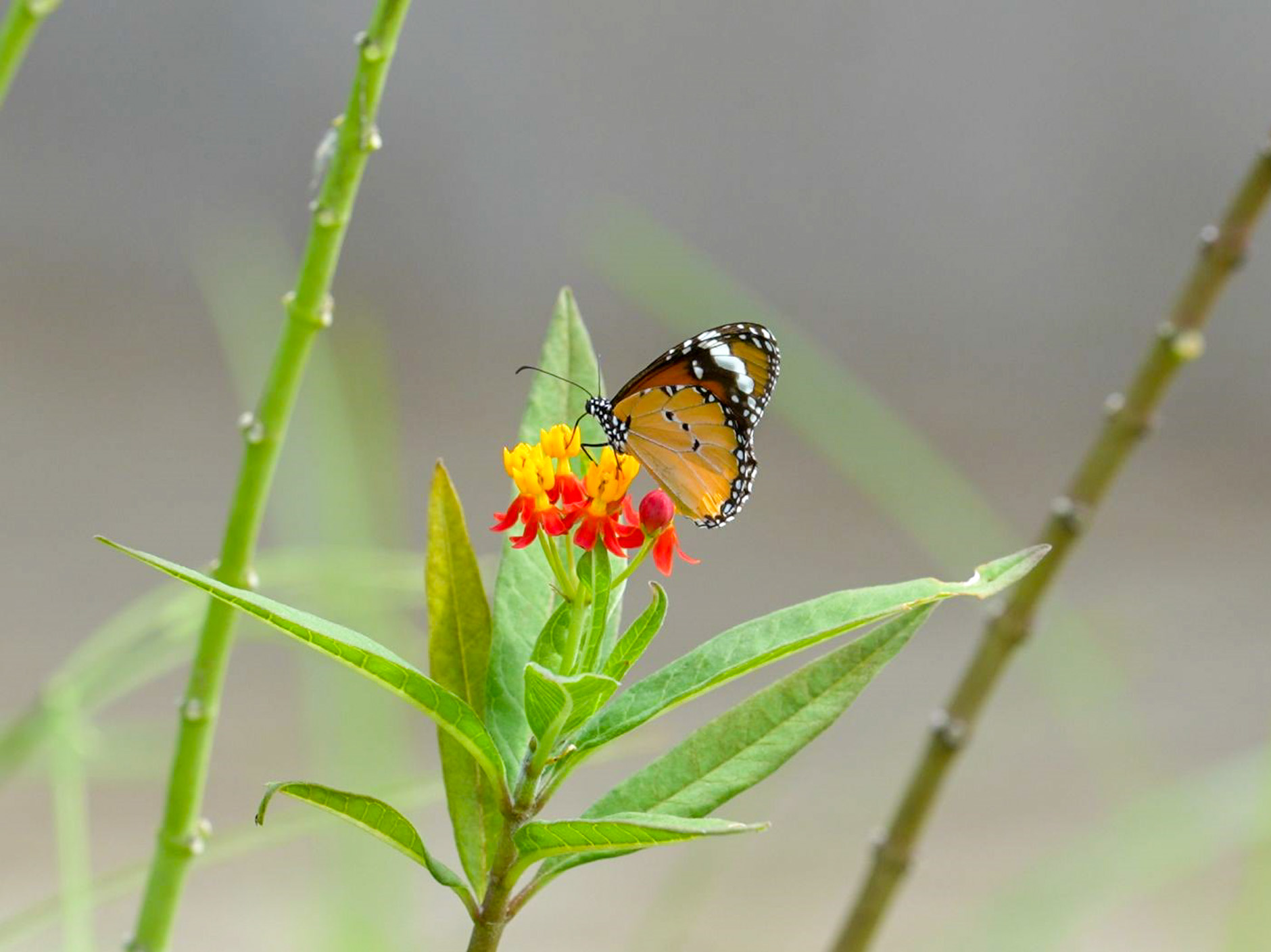
Among the 18 butterfly species recorded throughout the monitoring period, in addition to common urban species, the survey notably recorded the Asian Swallowtail (Papilio xuthus), which is categorised as “uncommon” by the Agriculture, Fisheries and Conservation Department. These findings show that these carefully crafted green spaces not only beautify the campus environment, but also deliver tangible ecological benefits, serving as a natural habitat that attracts local wildlife.
There were 18 butterfly species recorded in the survey:
| Family | Species |
|---|---|
| Papilionidae | Common Bluebottle (Graphium sarpedon), Tailed Jay (Graphium agamemnon), Common Jay (Graphium doson), Lime Butterfly (Papilio demoleus), Asian Swallowtail (Papilio xuthus), Great Mormon (Papilio agenor), Paris Peacock (Papilio paris) |
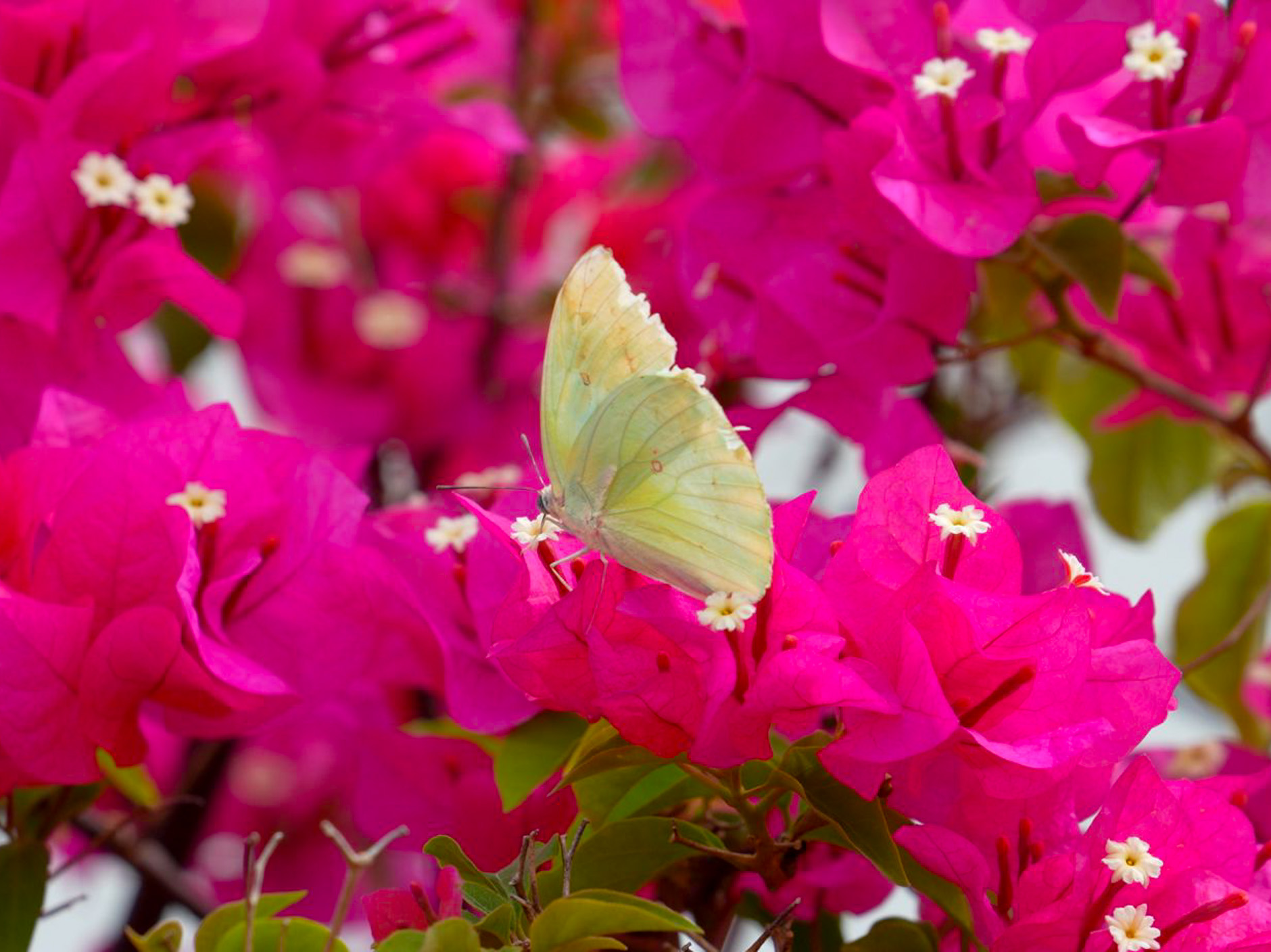
| Pieridae | Lemon Emigrant (Catopsilia pomona), Small Cabbage White (Pieris rapae), Great Orange Tip (Hebomoia glaucippe) |
| Lycaenidae | Pale Grass Blue (Pseudozizeeria maha), Lesser Grass Blue (Zizina otis), Common Hedge Blue (Acytolepis puspa), Tailless Lineblue (Prosotas dubiosa) |
| Nymphalidae | Tawny Rajah (Charaxes bernardus), Lemon Pansy (Junonia lemonias), Great Egg-fly (Hypolimnas bolina), Blue-spotted Crow (Euploea midamus) |
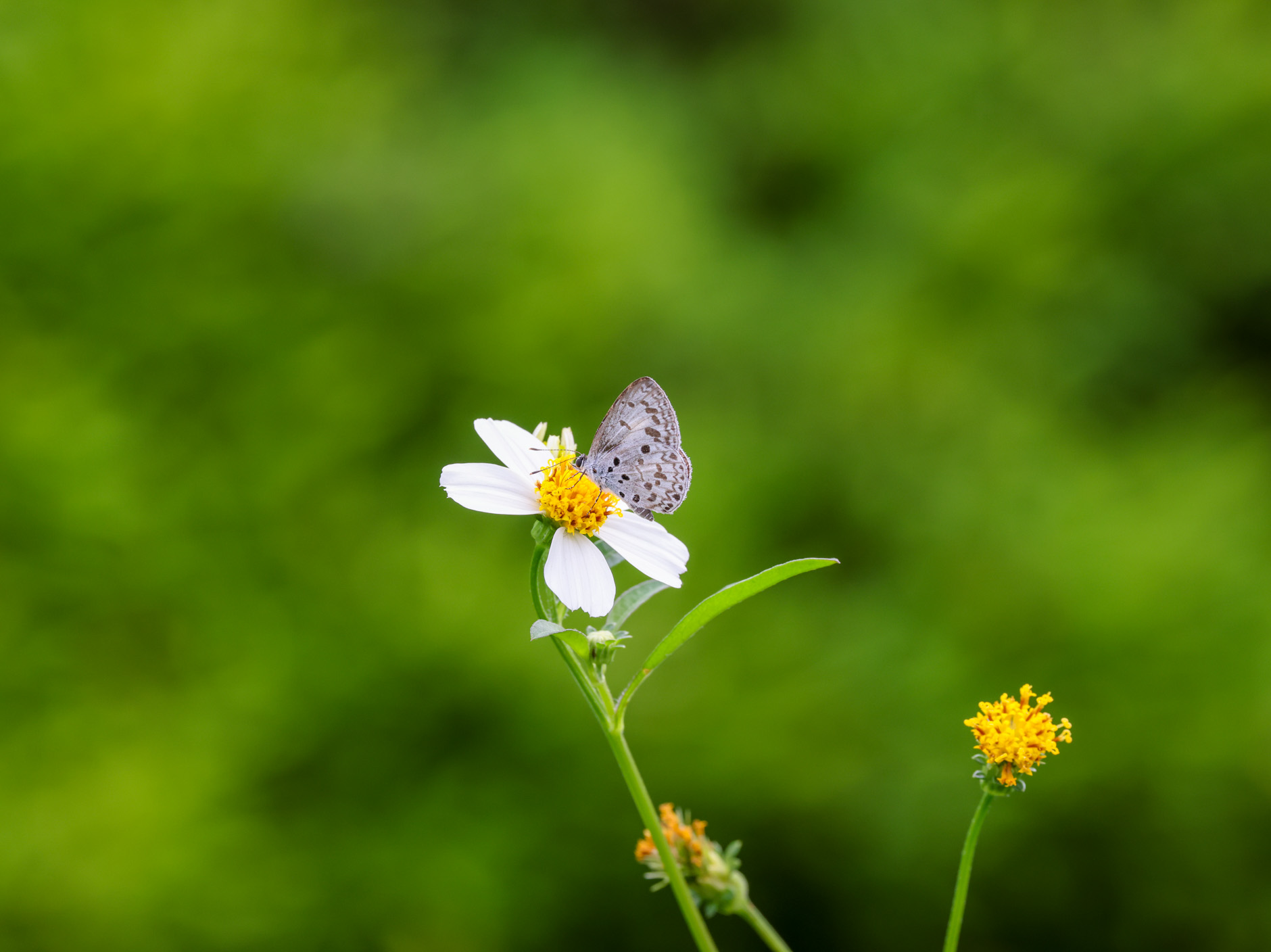
The Biodiversity Garden serves as a hub for the GROW community planting initiative, which is both a source of fresh produce for the campus “food cycle system” and a functional ecological habitat. The survey observed various butterfly species engaging in natural behaviours among the garden's crops and vegetation. For instance, oviposition by the Great Egg-fly was recorded on sweet potatoes in the staff kitchen garden, a pupa of the Small Cabbage White was found near a planter, and adult species, such as the Great Orange Tip, Asian Swallowtail and Common Hedge Blue, were seen visiting flowers of Bidens pilosa and Bougainvillea for nectar.
To further enhance the ecological functions of the rooftop habitat, CityUHK will actively adopt the professional assessments and recommendations provided by KFBG. The University will undertake targeted improvement works, including selecting planting locations based on plant growth habits, installing support structures for large climbing plants to allow newly introduced native species to thrive, improving soil quality, and strengthening routine horticultural care to maximise ecological benefits.
In addition, CityUHK plans to extend the next phase of ecological improvement works to the lushly vegetated Chinese Garden on the ground level. Building on the location's existing rich flora and solid ecological foundation, the University will supplement specific nectar and larval host plants to connect the rooftop and ground-level green spaces, further infusing natural vitality into the urban campus.
Looking ahead, CityUHK will continue to uphold the dual concepts of “resource recycling” and “ecological conservation” while expanding its green footprint across the campus. The University aims to closely integrate natural ecology with environmental education, embedding sustainability into every aspect of campus life to build a vibrant and resilient green campus in the heart of the city.