Lost in translation: CityUHK research unveils hidden “home court advantages” in the market

In an era of instant translation and global connectivity, a commonly shared assumption is that foreign investors have access to the same data as local ones. However, new research reveals a startling reality: the “home court advantage” is not merely a byproduct of culture or geography; it is actively engineered by companies to favour local stakeholders.
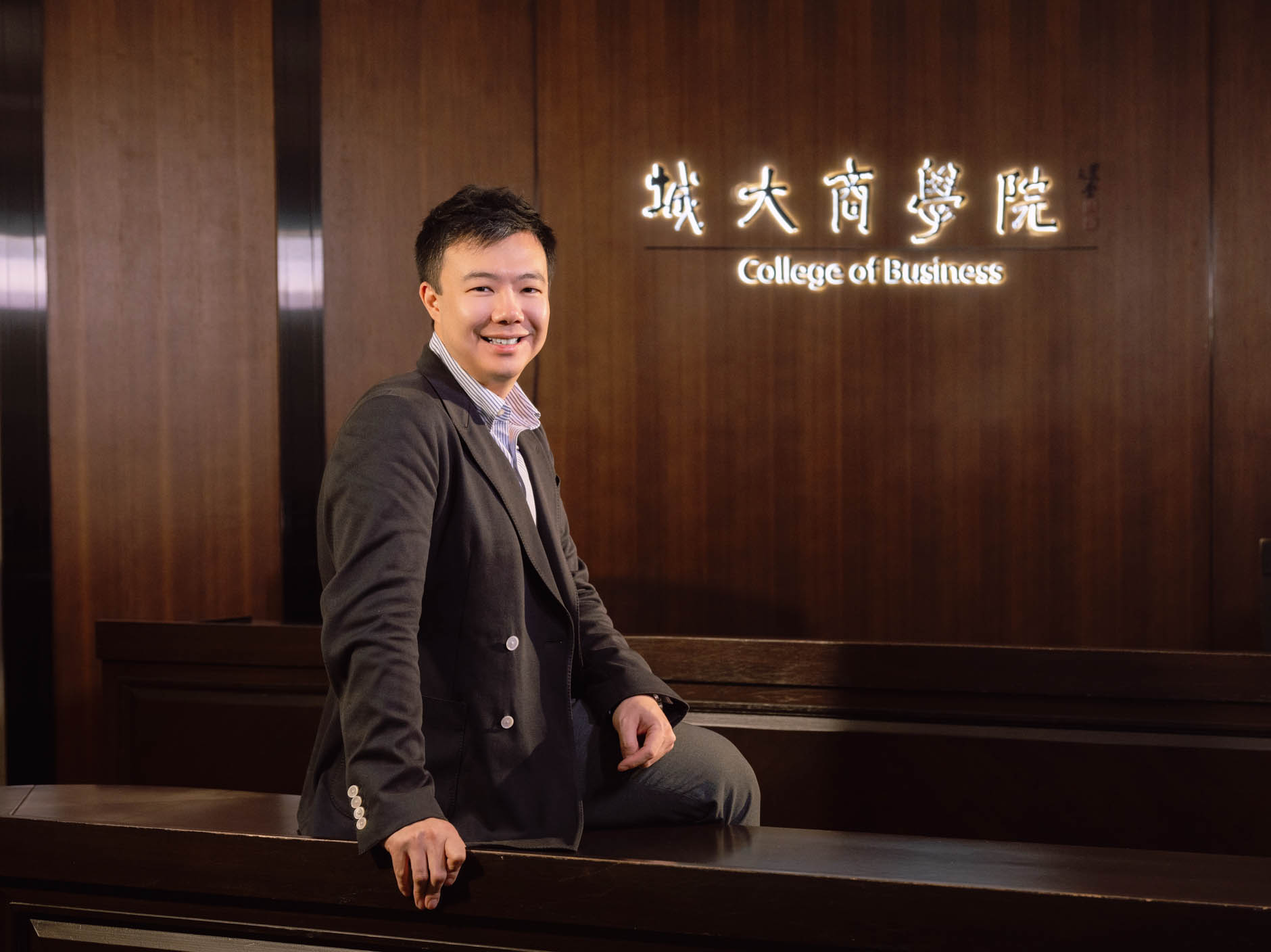
A research team led by Professor Forester Wong Yu-ting, Assistant Professor in the Department of Accountancy at City University of Hong Kong (CityUHK), pioneered a novel approach to detecting this phenomenon, termed “differential communication”. The study, titled “Differential Communication and Local Information Advantage: Revelations from Translation Differences”, was recently published in The Accounting Review, a top-tier journal in the field of accounting.
The study was inspired by an everyday shopping experience. Professor Wong noticed translational differences in the Chinese and English versions of a return policy after making a purchase at a multinational retail store. Catching this detail, he hypothesised that companies might do the same in their high-stakes corporate disclosures, which led to the initiation of the study.
Historically, this strategic bias has operated in the shadows—often concealed within private emails and off-the-record calls—making it extremely difficult to detect or quantify. To pierce this veil, the team developed a new conceptual framework: comparing the English and Chinese versions of the same annual report. This approach uncovered strategic discrepancies that mirror those private conversations.
Standard analysis tools typically rely on translating both the English and Chinese versions into a third “pivot” language (such as French) to create a baseline for comparison. However, this double-translation process introduces significant noise and errors and often fails to distinguish between minor stylistic variations and meaningful discrepancies that affect investors’ understanding of a firm’s performance.
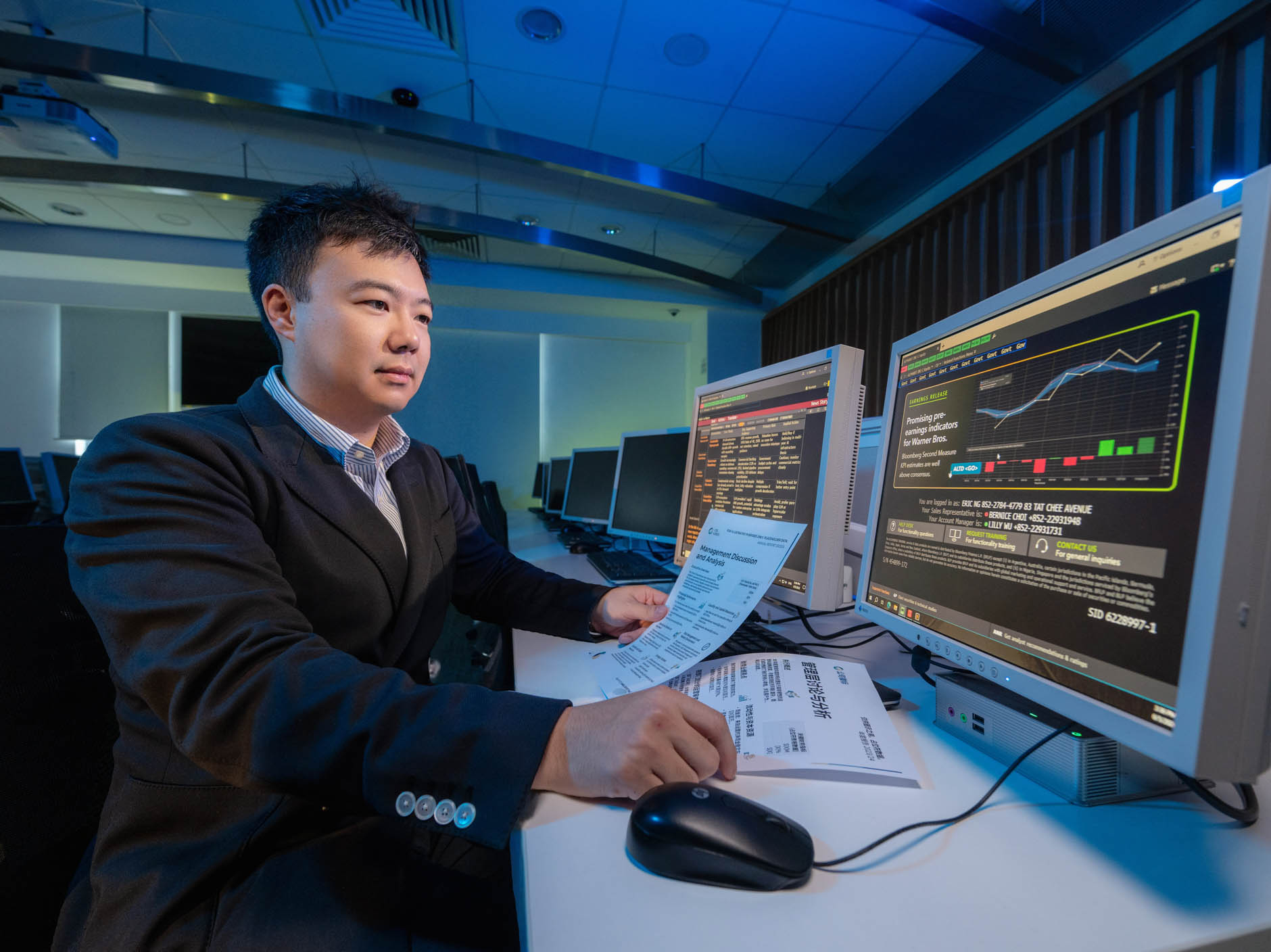
To address this limitation, the team engineered a breakthrough machine learning methodology using a joint-language model and also another artificial intelligence (AI) methodology. Unlike previous methods, these tools compare the documents directly, bypassing the “pivot” step entirely. Crucially, the model separates signals from noise by filtering out stylistic variations and identifying only discrepancies that are material to a firm’s performance, ensuring that the detected “gaps” are economically significant.
Since these tools do not rely on intermediate translation, it is generalisable and can be applied to broader contexts, such as detecting hidden discrepancies in legal contracts, government treaties or any other high-stakes bilingual settings.
The tools identify subtle “translation gaps”—instances where the English version of a report conveys significantly different information from the Chinese version. The study found that when such gaps are detected, there is a measurable increase in information asymmetry between local and foreign investors, quantifying the extent to which the playing field is tilted.
The findings show that these information gaps are systemic rather than accidental. Foreign investors face a structural disadvantage, as information asymmetry increases when both local and foreign investors are present. Even professional foreign analysts receive lower-quality disclosures and produce significantly less accurate forecasts. Firms strategically withhold complex, relationship-based information while emphasising accounting details in English to align with foreign investors’ governance priorities.
To confirm that these gaps reflected intentional strategies rather than translation errors, the team conducted a bold field experiment by posing as investors to contact firms directly. The results were striking: firms with high translation gaps were significantly less likely to respond to inquiries from foreign investors, confirming a deliberate strategy to keep foreign stakeholders uninformed.
This research serves as a wake-up call for global regulators, supported by both technical innovation and a proven track record of policy impact. The project’s cutting-edge AI methodology—recognised and supported by the competitive Google Cloud Research Credits Program—demonstrates that firms actively engineer disadvantages for international investors. This industry validation from a major technology firm underscores the technical feasibility of the team’s new machine learning tool. However, the findings reveal a critical limitation: technology alone cannot level the playing field.
Without regulatory mandates ensuring the identical provision of information, foreign capital will remain structurally disadvantaged. This conclusion carries particular weight given Professor Wong’s experience in shaping market supervision. His research has been cited by the United States Securities and Exchange Commission (SEC) in multiple rulings—including the 2023 Final Rule on Modernization of Beneficial Ownership Reporting and the 2024 Final Rule: Short Position and Short Activity Reporting—and by Deutsche Bundesbank as a foundation for addressing climate-related data gaps. Building on this established influence, the current study offers vital evidence for regulators seeking to close the translation gaps and uphold the integrity of global markets.