
This past summer, I had the extraordinary opportunity to participate in the University of British Columbia’s Vancouver Summer Programme (VSP), an experience that profoundly shaped both my academic and personal growth. As a student passionate about medical research, I enrolled in the intensive Med I programme focusing on laboratory techniques and medical diagnostics, which exceeded all my expectations.
The academic component challenged me from day one. In the histochemistry lab, I progressed from fumbling with basic Haematoxylin & Eosin staining to confidently performing specialised techniques like Periodic Acid-Schiff and Masson’s trichrome stains. What began as frustrating failed attempts gradually transformed into precise, reproducible results through persistent practice and guidance from UBC’s supportive faculty. The highlight came during our final group project when we successfully identified mystery tissue samples by analysing their unique staining patterns - a moment of genuine scientific triumph.
Equally valuable were the medical case studies that simulated real clinical diagnostics. Working in international teams, we learned to synthesise patient histories, symptoms, and lab results to reach accurate diagnoses. These sessions not only improved my analytical skills but also taught me the importance of clear communication when presenting complex medical information. The diversity of our team - with members from Asia, Europe, and the Americas - brought fascinating perspectives to each case discussion.
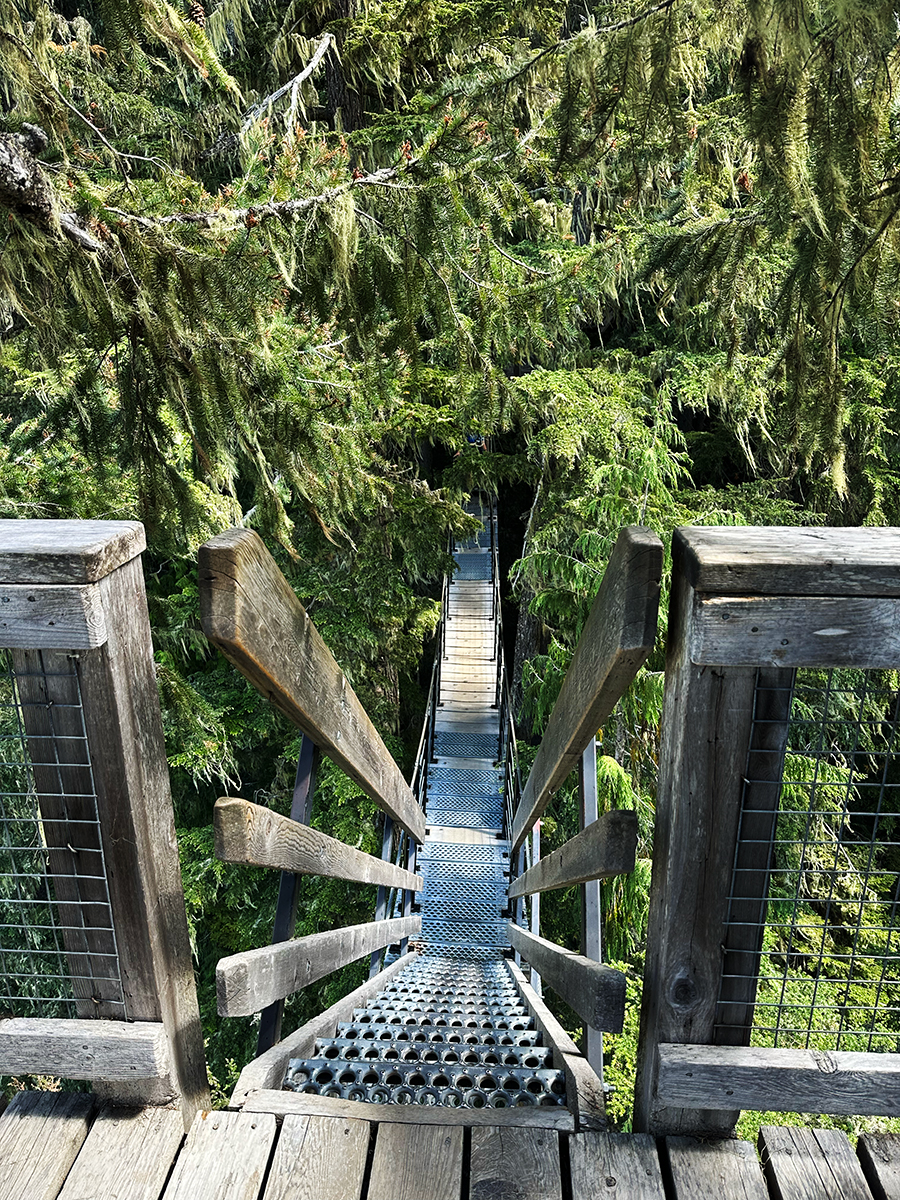
Beyond academics, Vancouver itself became an extension of our classroom. The city’s breathtaking landscapes, from the ancient cedars of Stanley Park to the dramatic coastal mountains, provided constant inspiration. I’ll never forget watching the sunset over English Bay after long lab sessions, or the weekend hike to Lynn Canyon where we cooled off in crystal-clear pools. These natural wonders offered perfect balance to our rigorous schedule.
Cultural immersion happened organically through interactions with locals and fellow participants. A simple trip to Granville Island’s market turned into a culinary world tour as we sampled foods from dozens of cultures. The annual cultural festival was particularly memorable, where I learned about indigenous traditions and tried my hand at Coast Salish art forms. These experiences gave me new appreciation for Canada’s multicultural fabric.
When my backpack was stolen during a city excursion, what could have been a disastrous situation became an unexpected lesson in kindness. UBC staff helped me file police reports and access emergency funds, while local shopkeepers offered free meals and supplies. This generosity amidst adversity showed me the true character of Vancouver’s community.
The programme’s greatest gifts were the intangible skills I developed: adaptability when experiments failed, resilience during stressful deadlines, and cross-cultural communication in our diverse teams. These competencies will serve me well as I pursue medical research. I returned home not just with enhanced technical abilities, but with broader perspectives on global healthcare challenges and potential solutions.
For future participants, I recommend arriving with an open mind and willingness to step outside comfort zones. Some of my most valuable learning happened during informal conversations over coffee or while exploring the city’s hidden gems. Take full advantage of both the structured curriculum and spontaneous opportunities for growth.
This experience reaffirmed my passion for medical science while showing me its human dimension. The connections I made - with inspiring professors, talented peers, and the vibrant city itself - will continue to influence my academic journey. UBC’s programme didn’t just teach me laboratory techniques; it helped me become a more capable, culturally-aware researcher and global citizen.

Last modified: 29 October 2025