
 Facebook
 Instagram
 YouTube
 X
X LinkedIn
 Weibo
Weibo WeChat
 Xhs
Xhs“The Mongol Empire: Opening a New History of Eurasia” Seminar; Prof. H. K. Chang. Analyzes the Macro-history of the Steppe Silk Road
Organized by the City University of Hong Kong (CityUHK) Press, the “Hong Kong Book Fair 2026: International Vision Seminar Series — The Mongol Empire: Opening a New History of Eurasia” was held at the Hong Kong Convention and Exhibition Centre on 18 July 2026. The event featured a special keynote presentation by Prof. Chang Hsin-kang, GBS, JP, former president and University professor at CityUHK. The talk attracted a large number of history enthusiasts and readers, resulting in a full house and a lively atmosphere of intellectual exchange.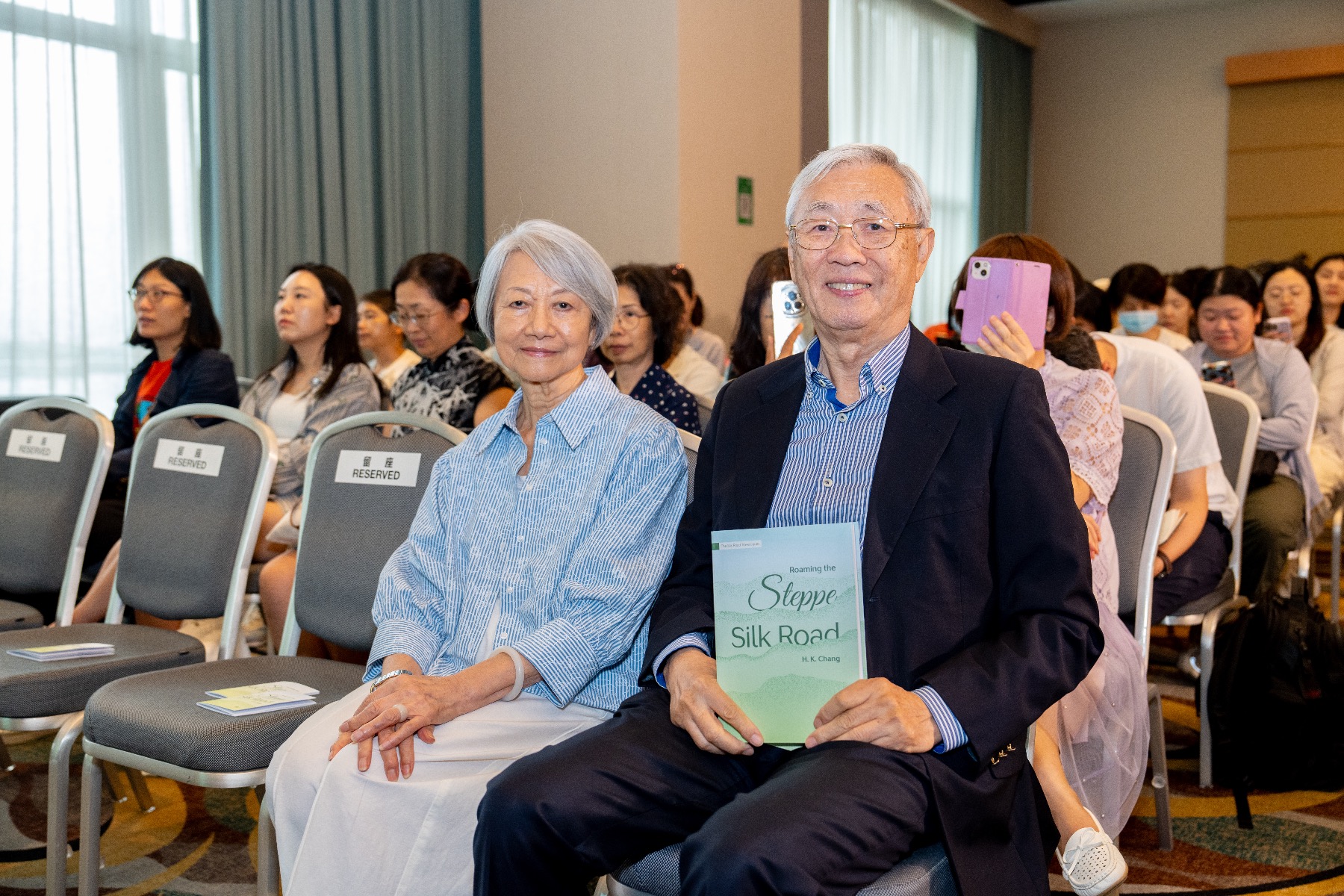
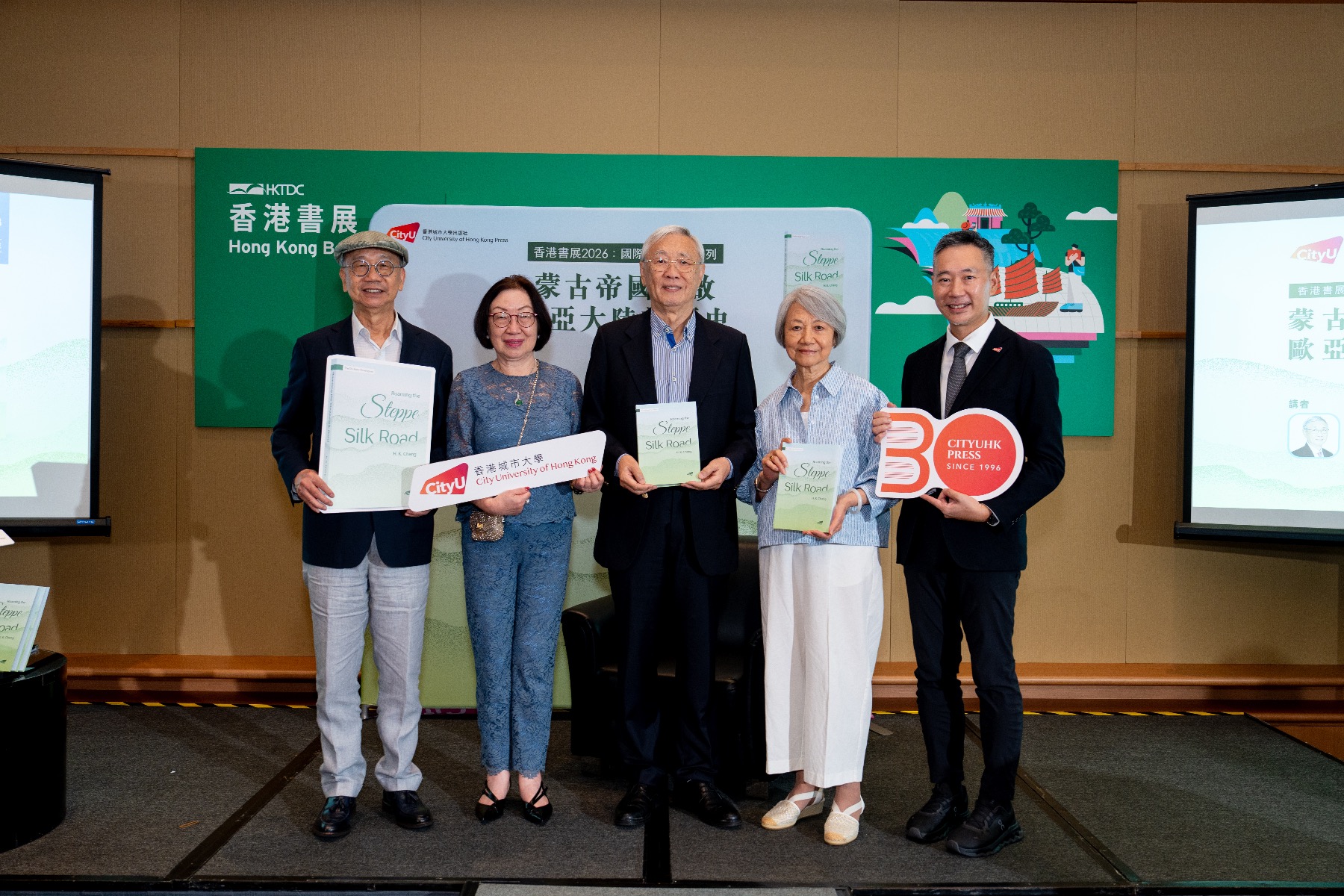
Combining Diverse Academic Perspectives to Revisit the Historical Integration of Eurasia
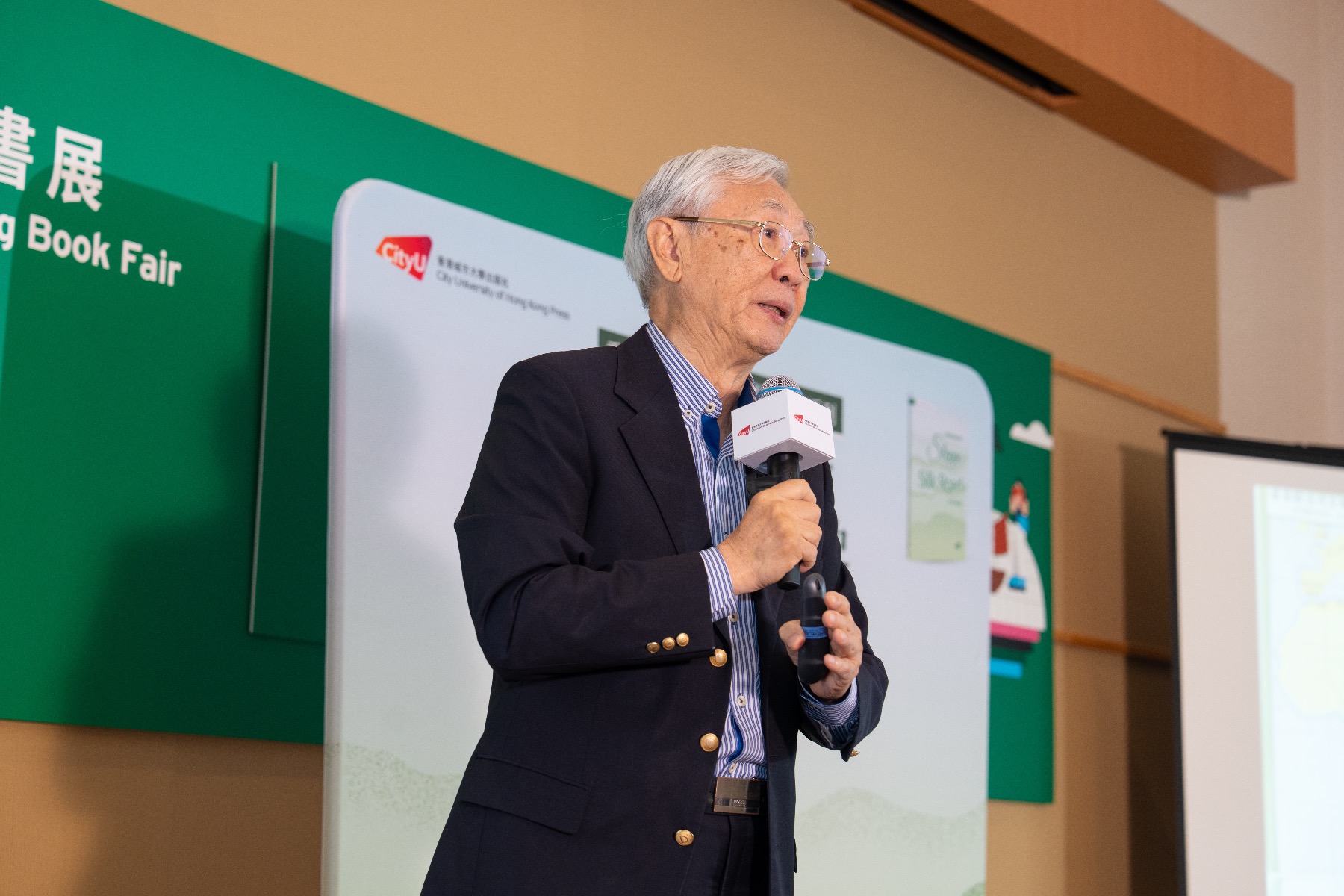
Integrating research findings from history, linguistics, geography, and other academic fields, and sharing his personal travel experiences across multiple countries along the Steppe Silk Road, Prof. Chang guided the audience through a retrospective on the rise of the Mongol Empire 800 years ago. During his presentation, he pointed out that the Mongols created a vast empire of unprecedented scale, which exerted a profound impact on trade, military development, and geopolitics across Eurasia.
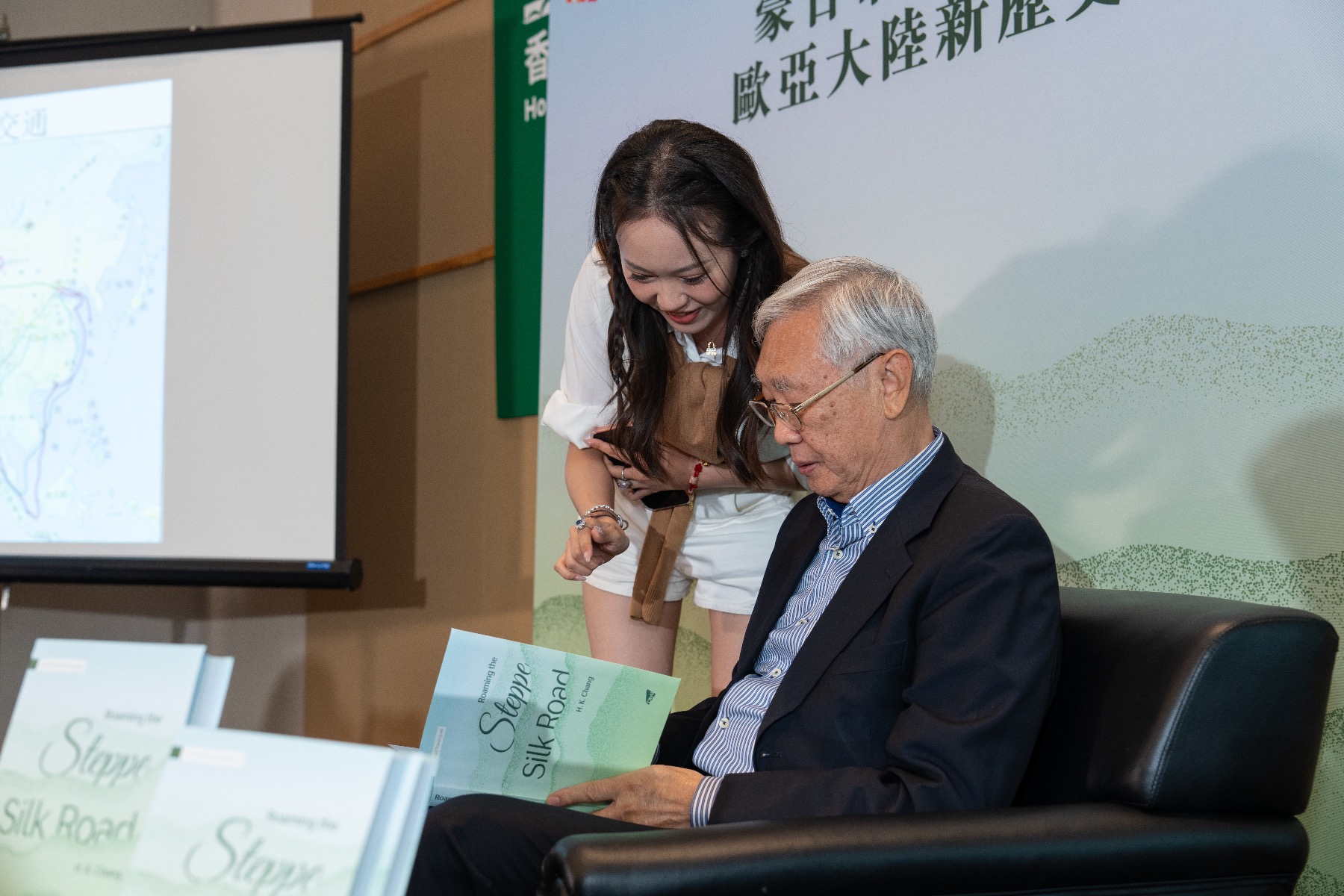
In addition, Prof. Chang provided an accessible yet detailed analysis of cultural and religious dissemination during the Kushan Empire. He explained how Buddhism flourished and was adopted as a state belief during that era, illustrating the integration of science, art, and economics across Eurasia from a macro perspective. Following the talk, a book signing was held, where numerous readers lined up for signatures and took commemorative photos with Prof. Chang.
Roaming the Steppe Silk Road Offers Readers a Macro View of the World
The seminar centered on the newly released book, Roaming the Steppe Silk Road, published by CityUHK Press. As the first volume in the Silk Road Travelogues series, the book spans across China, Mongolia, Russia, and Kazakhstan. It chronicles the intertwining of a contemporary traveler’s footprints with the echoes of history, offering readers a fresh perspective to examine this ancient corridor. Two additional volumes in the series are forthcoming, continuing to lead readers on an exploration of the countries along the Silk Road.
Roaming the Steppe Silk Road is highly recommended for anyone interested in Eurasian history, Sino-Western cultural exchange, and geopolitics. Copies are available for purchase on the CityUHK Press website:
www.cityu.edu.hk/upress/roaming-the-steppe-silk-road