

ICMPE‑11 and YES-2026 Joint Conference Successfully Concluded in Jeju Island
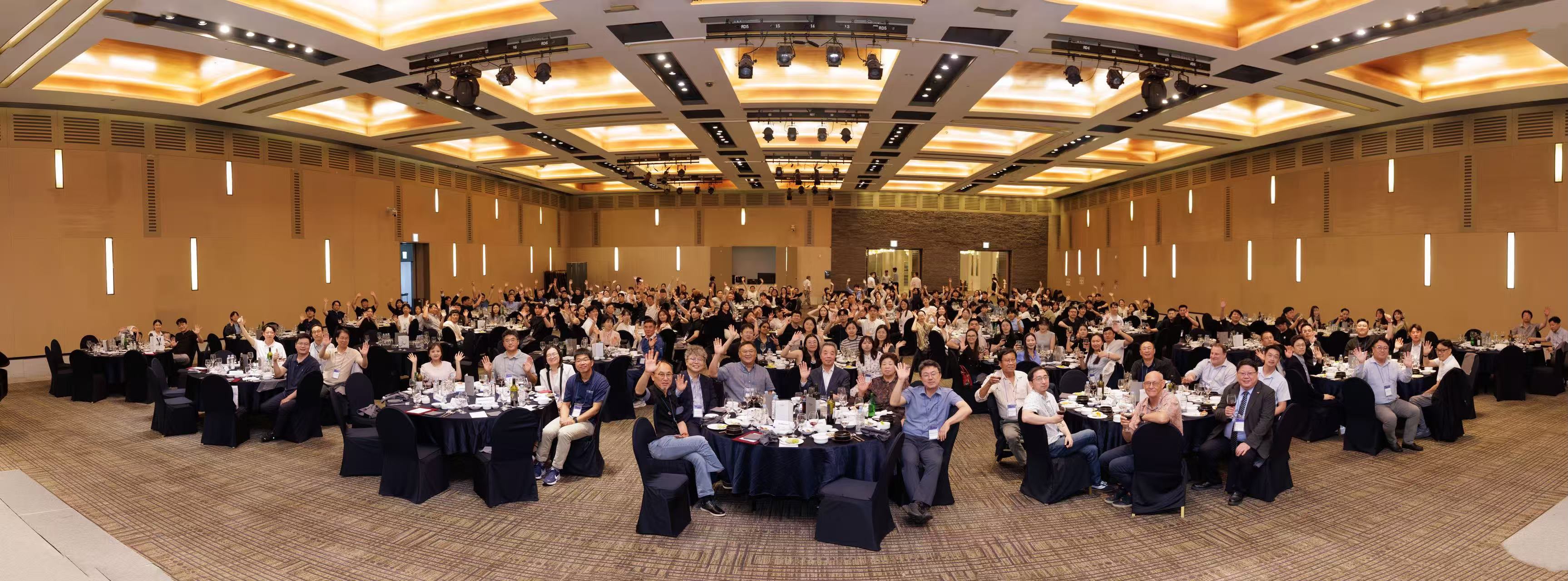
The 11th International Conference on Marine Pollution and Ecotoxicology (ICMPE-11) and the 10th Yellow Sea–East China Sea–South China Sea Ecosystem Symposium (YES-2026) were successfully held in Jeju Island, Republic of Korea, from 19 to 22 August 2026. Approximately 350 marine scientists from around the world participated in the event.
ICMPE-11 serves as an international academic platform for sharing research progress in marine pollution, ecotoxicology, and environmental risk assessment, while YES-2026 provides a forum focused on ecosystem health and ecological security in East Asian coastal and continental shelf waters, including the Yellow Sea and the East China Sea. This event marks the first joint conference hosted by ICMPE and YES, aiming to address critical marine environmental challenges through integrated scientific, policy, and innovative approaches.
At the opening ceremony, Professor Kenneth Leung, Director of SKLMEH at City University of Hong Kong and Co-Chair of the Organising Committee, together with Professor Jong Seong Khim from the School of Earth and Environmental Sciences at Seoul National University, delivered welcome remarks.
Professor Leung pointed out that the world's oceans are facing five major threats: climate change, pollution, biological invasions, overfishing, and habitat loss. He emphasised that to address marine pollution in particular, it is essential to identify the extent and concentration of pollution, pinpoint pollution sources, and develop solutions integrating technology and policy based on scientific observations.
Professor Leung also introduced the Global Estuaries Monitoring (GEM) Programme, which brings together more than 150 scientists worldwide to investigate pollution in approximately 180 estuaries by using standardised methods. He noted that this conference provided an opportunity to assess pollution levels and ecotoxicological impacts, and to jointly explore solutions through technological and policy measures.
The joint conference featured research presentations across four thematic areas: Environmental Chemistry and Pollutant Behaviour; Environmental Toxicology and Ecological Risk; Environmental Ecology and Ecosystem Health; and Environmental Sustainability, Solutions, and Governance. The conference covered a wide range of marine environmental issues that have recently attracted international attention, including emerging pollutants (such as PFAS), microplastics and nanoplastics, harmful algal blooms, biodiversity, climate change, ecosystem restoration, seafood safety, sustainable aquaculture, and marine carbon neutrality. Selected outstanding papers will be published in special issues of Marine Pollution Bulletin and Regional Studies in Marine Science.