

Four CityUHK projects receive funding in the second batch of the RAISe+ Scheme Enhancing diverse R&D development and the industrialisation of innovation and technology
Four research teams from City University of Hong Kong (CityUHK) were awarded funding as part of the second batch of projects under the “Research, Academic and Industry Sectors One-plus Scheme (RAISe+) Scheme”. The projects encompass groundbreaking advancements in new materials, new energy, electrical and electronic engineering, and health and medical sciences. This recognition underscores CityUHK’s commitment to advancing knowledge transfer and industry applications, contributing to society through impactful and innovative research, and further enhancing Hong Kong’s status as an international innovation and technology hub.
With an allocation of HK$10 billion, the RAISe+ Scheme was established by the Government of the Hong Kong Special Administrative Region (HKSAR) of the People’s Republic of China in 2023. It aims to provide matching funds to eight UGC-funded universities, unleashing the potential for the transformation and commercialisation of R&D outcomes, while facilitating collaboration among the government, industry, university and research sectors.
Recently, the Scheme announced the results of its second round of funding, awarding HK$1 billion for 25 projects. With the five projects funded in the first batch, CityUHK now boasts a total of nine projects selected under the Scheme.
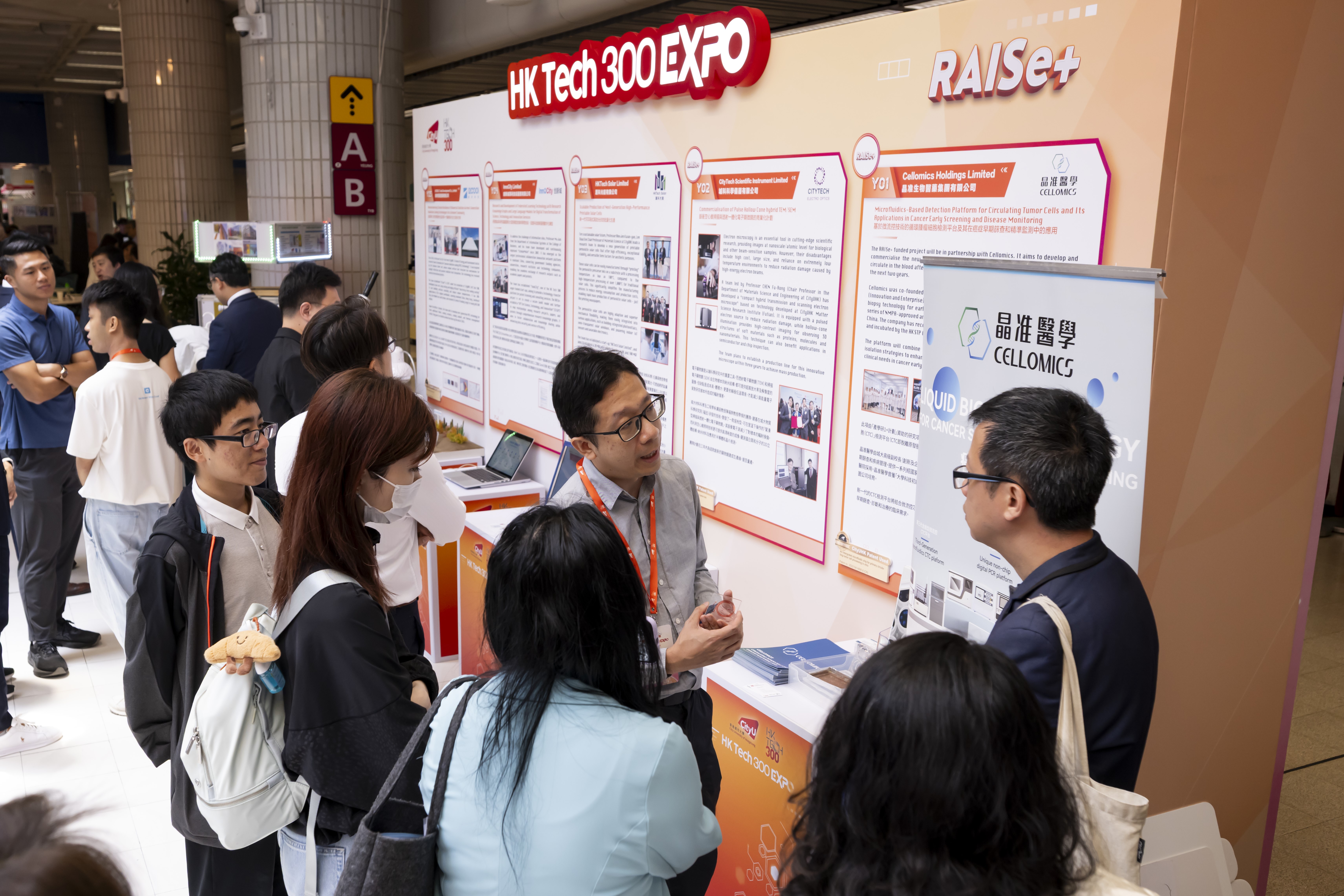
Highlighting cutting-edge research
Professor Freddy Boey, President and University Distinguished Professor of CityUHK, extended his congratulations to all the awarded scholars and their teams. “CityUHK is dedicated to fostering an innovative and entrepreneurial spirit, transforming research outcomes into practical applications and collaborating closely with both government and industry. I am confident that the breakthrough technologies developed by CityUHK scholars will not only lead to industry-wide innovation in fields such as energy, materials science and biomedicine, but also contribute significantly to Hong Kong’s development as an international innovation and technology hub, benefiting our community.”
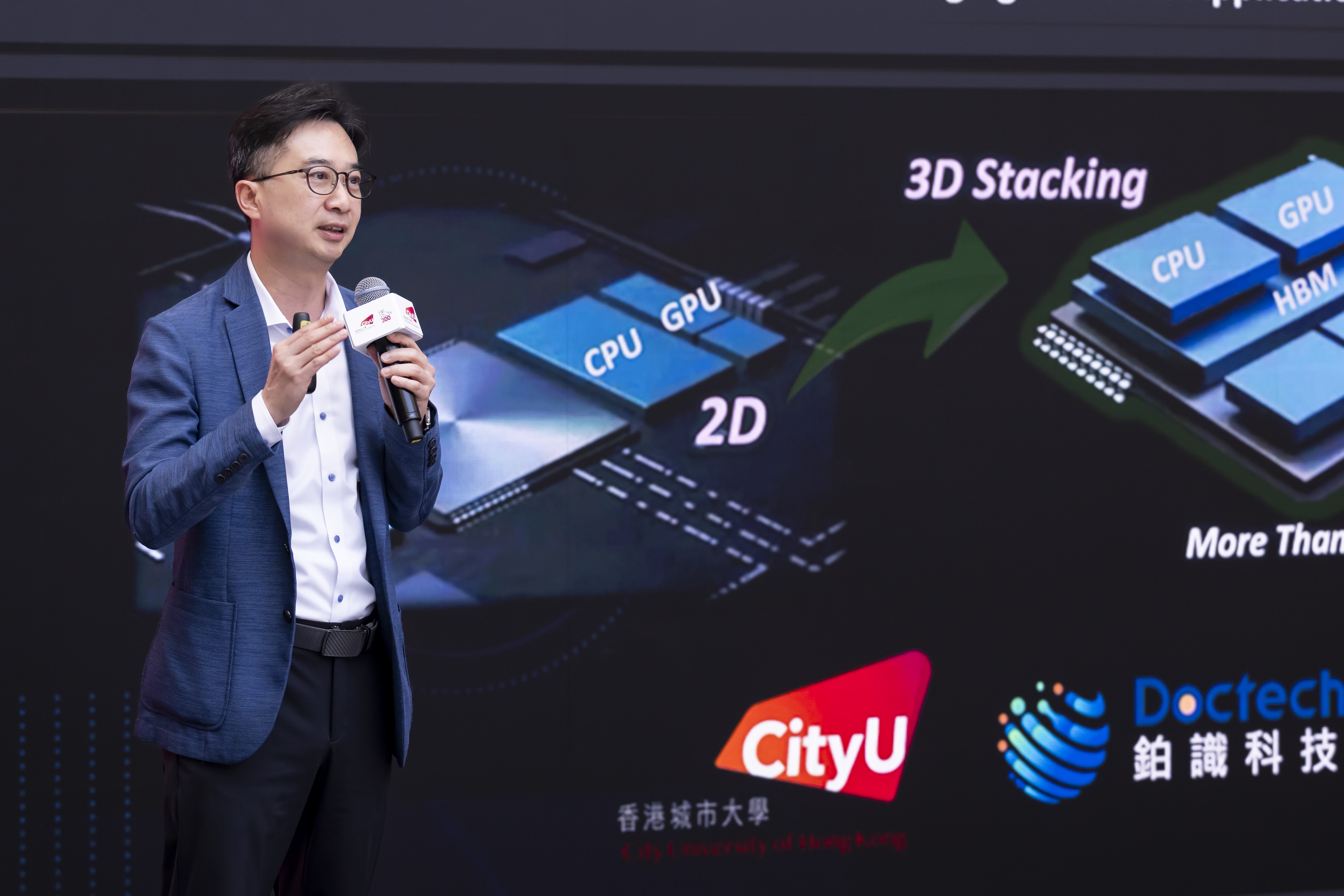
Professor Feng Shien-Ping, from the Department of Systems Engineering at CityUHK. (Credit: City University of Hong Kong)
Among the four awardees, Professor Feng Shien-Ping, from the Department of Systems Engineering, leads a project titled “Chemical Additive-Enabled Advancements in Electroplated Copper for Advanced Electronic Packaging and 3DIC Applications”. This project focuses on overcoming the complex metallisation challenges in the packaging of three-dimensional integrated circuit (3DIC) semiconductor chips.
In 2022, Professor Feng and his team established the company Doctech. Their goal is to develop smaller, more powerful chips with more stable connections. They are developing a series of patented chemical additives for the copper electroplating process, providing customised micro-structured copper for different layers in 3DICs to ensure reliable performance in high-density, three-dimensional heterogeneous stacked packages. Currently, Doctech has successfully established collaboration with industry-leading companies and plans to build an automated intelligent manufacturing line in 2026. In the future, they plan to develop other key specialty chemicals for advanced packaging, aiming to become a leading supplier of semiconductor materials in the industry.
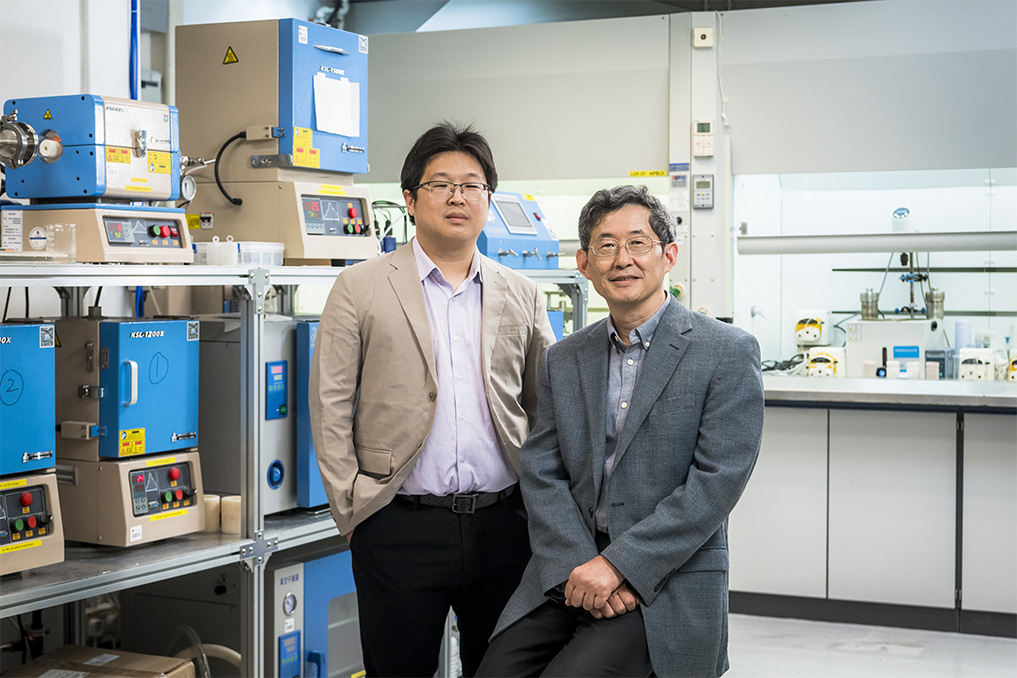
From left: Professor Liu Qi, from the Department of Physics at CityUHK; Professor Ren Yang, Head and Chair Professor of the Department of Physics at CityUHK. (Credit: City University of Hong Kong)
Professor Liu Qi, from the Department of Physics, leads a project titled “Breakthrough Cathode Materials for Next-generation Lithium-ion Batteries”, which has achieved significant breakthroughs in enhancing the performance of core lithium battery materials. Professor Liu and his team have successfully addressed the voltage-decay problem in lithium-rich layered oxides (LLOs) for the first time.
To build on this innovative technology, Professor Liu and the technical team founded a start-up, named SuFang New Energy Technology Co., Ltd., dedicated to the production of high-performance LLOs. The company has established a production line with an annual capacity of 100 tons and is planning to set up a 1,000-ton production line in Southeast Asia or South Korea, specifically for the production of high-performance LLOs.
Bringing innovative solutions to patients worldwide
Professor Zhang Qichun, from the Department of Materials Science and Engineering, leads a project titled “Development and application of large-scale energy storage and UPS systems based on intrinsically safe aqueous batteries”. His team is dedicated to developing a revolutionary aqueous zinc-ion battery.
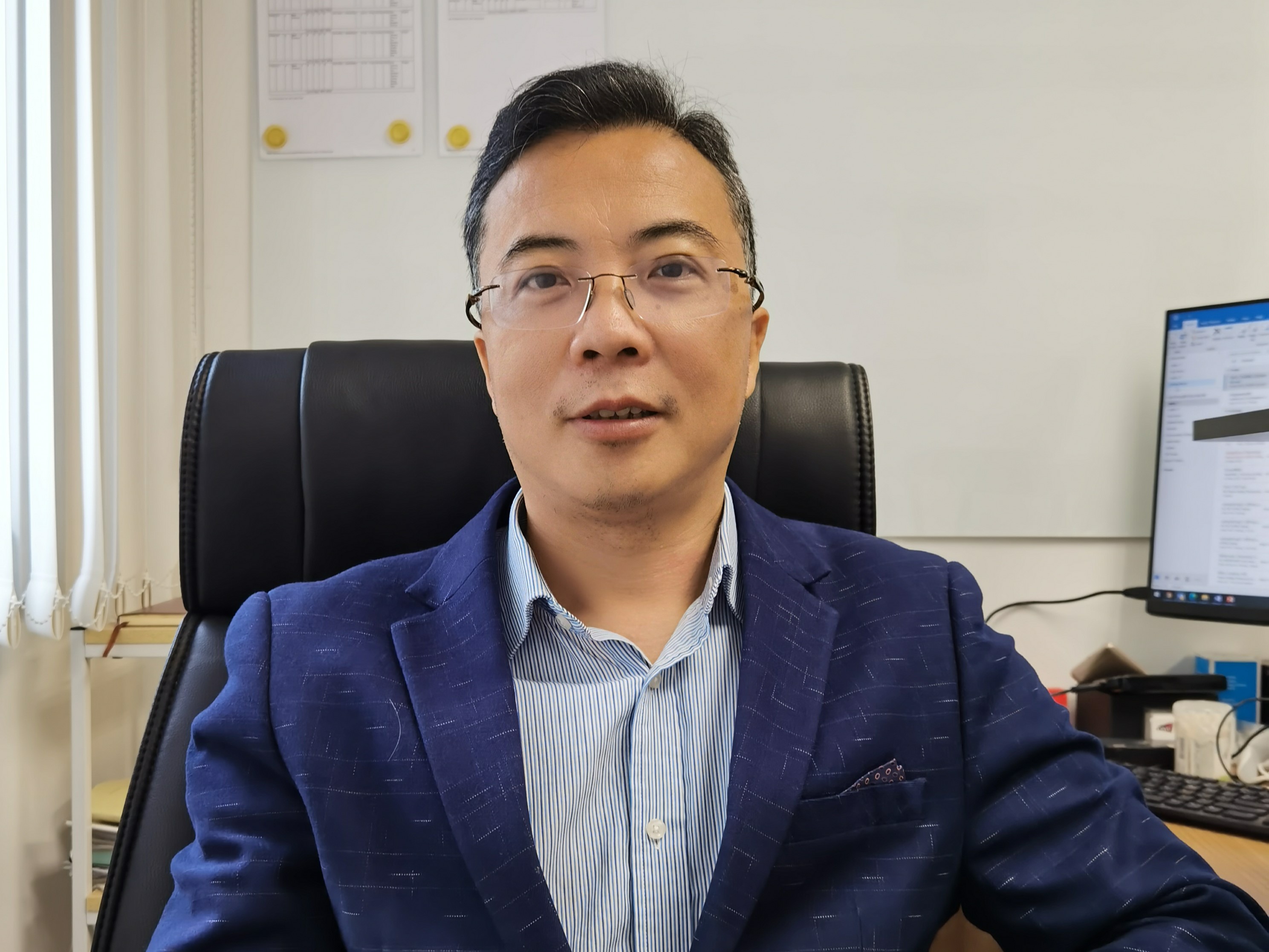
To address the potential safety hazards of current lithium batteries and the large size and low power capability of lead-acid batteries, Professor Zhang’s team developed aqueous zinc-based batteries that offer significant advantages, including high safety, high power, low cost and environmental friendliness, making them an ideal choice for next-generation UPS systems for data centres. The team established a company named AmaZinc Energy Limited, which aims to provide an ultimate solution for the safe operation of AI facilities.
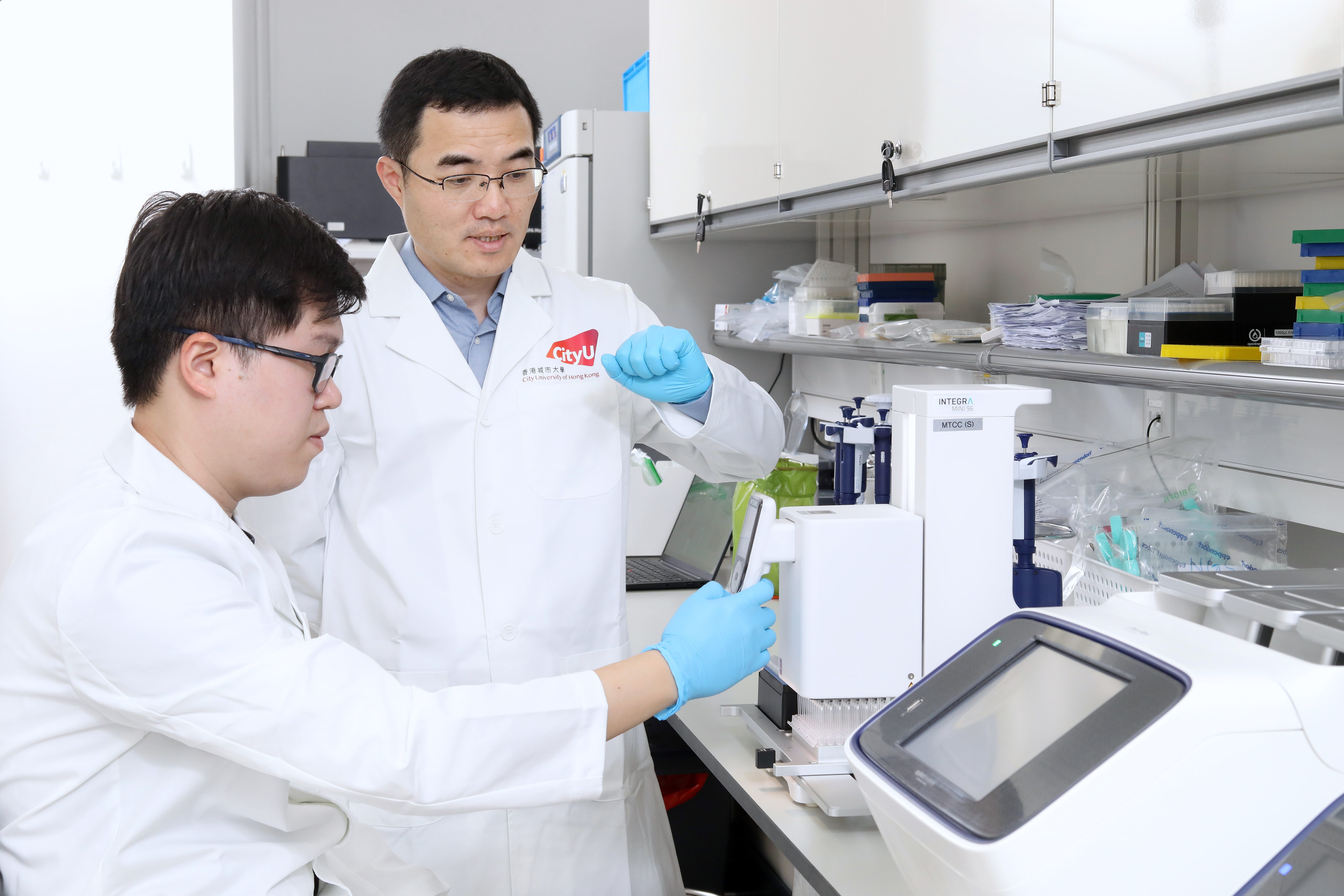
Professor Zheng Zongli, from the Department of Biomedical Sciences, leads a project titled “In Vivo Somatic Human Genome Editing for Genetic Diseases: Translating Novel Genome Editing and Engineered Delivery Vectors into Clinical Trials”. He founded the start-up “GenaXBio”, which is dedicated to developing a revolutionary genome editing medicine, taking a “DNA surgery” approach to fundamentally fix defective genes.
Precision genome editing, or “DNA surgery”, is a promising strategy for eliminating the root causes of diseases. Unlike traditional treatments that require long-term or even lifelong medication, often with diminishing effects over the later stage of every treatment cycle and the risk of recurrence, their approach aims to provide one-and-done solutions. Professor Zheng’s team is developing DNA surgery technology for programmable and curative therapies. The team’s mission is to provide safe, effective and affordable medicines for diseases with unmet medical needs.
Enhancing I&T transformation through HK Tech 300
Through HK Tech 300, CityHK has incubated over 1,000 start-ups and teams, with more than 100 public and private institutions joining as strategic partners, co-investment partners and supporting organisations. “The support from the RAISe+ Scheme will further accelerate the process of I&T industrialisation, benefiting both local and global communities,” said Professor Michael Yang Mengsu, Senior Vice-President (Innovation and Enterprise) of CityUHK.