

Technology Leads, Connecting the World: A Review of CityUHK’s Institute of Digital Medicine in 2025
City University of Hong Kong (CityUHK) has positioned life and health technology as a cornerstone of its strategic development. The University is dedicated to advancing digital health initiatives across various dimensions, aligning with the national strategy and bolstering the development of Hong Kong as an Internationals Health and Medical Innovation Hub.
CityUHK established the Institute of Digital Medicine (IDM) in April 2024. Last year, the IDM achieved meaningful successes in advancing digital health research, facilitating clinical transformation, nurturing talent, and promoting global collaboration between research and industry. CityUHK will continue to foster interdisciplinary collaboration and translate emerging technologies in digital medicine to support the "Healthy China" initiative and address global challenges by providing sustainable digital health solutions.
1. Gathering Global Forces: Building a Digital Medicine Ecosystem
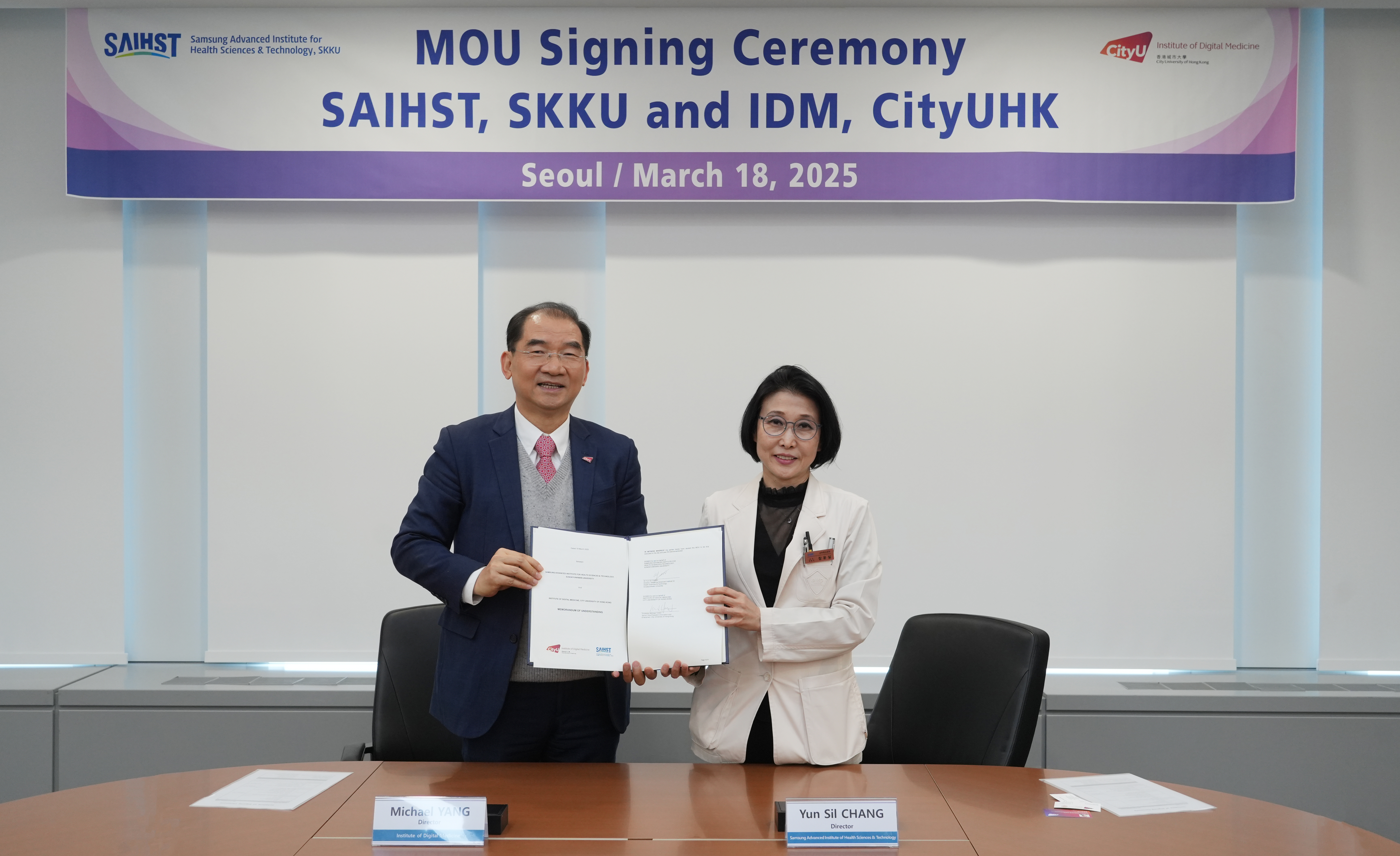
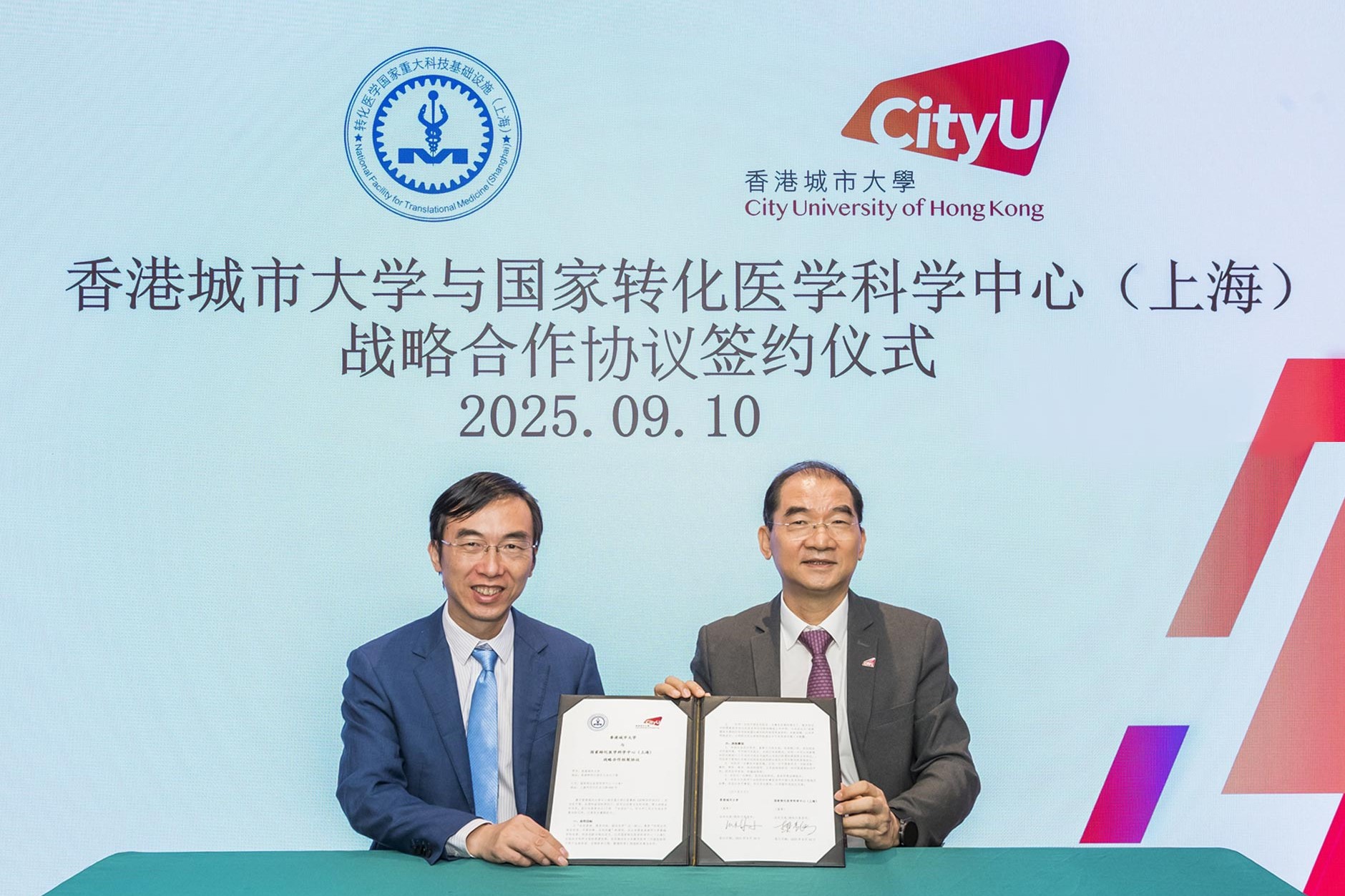
- In 2025, the IDM partnered with 20 renowned universities and medical schools, as well as clinical and industry partners, and health tech investors worldwide. Notable collaborations included the Samsung Advanced Institute for Health Sciences & Technology (SAIHST) in Korea, Tianfu Jincheng Laboratory (Frontiers Medical Center) in Sichuan, and the National Center for Translational Medicine (Shanghai). These partnerships foster win-win cooperation through talent incubation, facilitating visits for researchers and scientists, and promoting resource sharing, thereby accelerating the industrialisation of digital medicine solutions
2. Attracting Global Talent: Fostering Knowledge Sharing
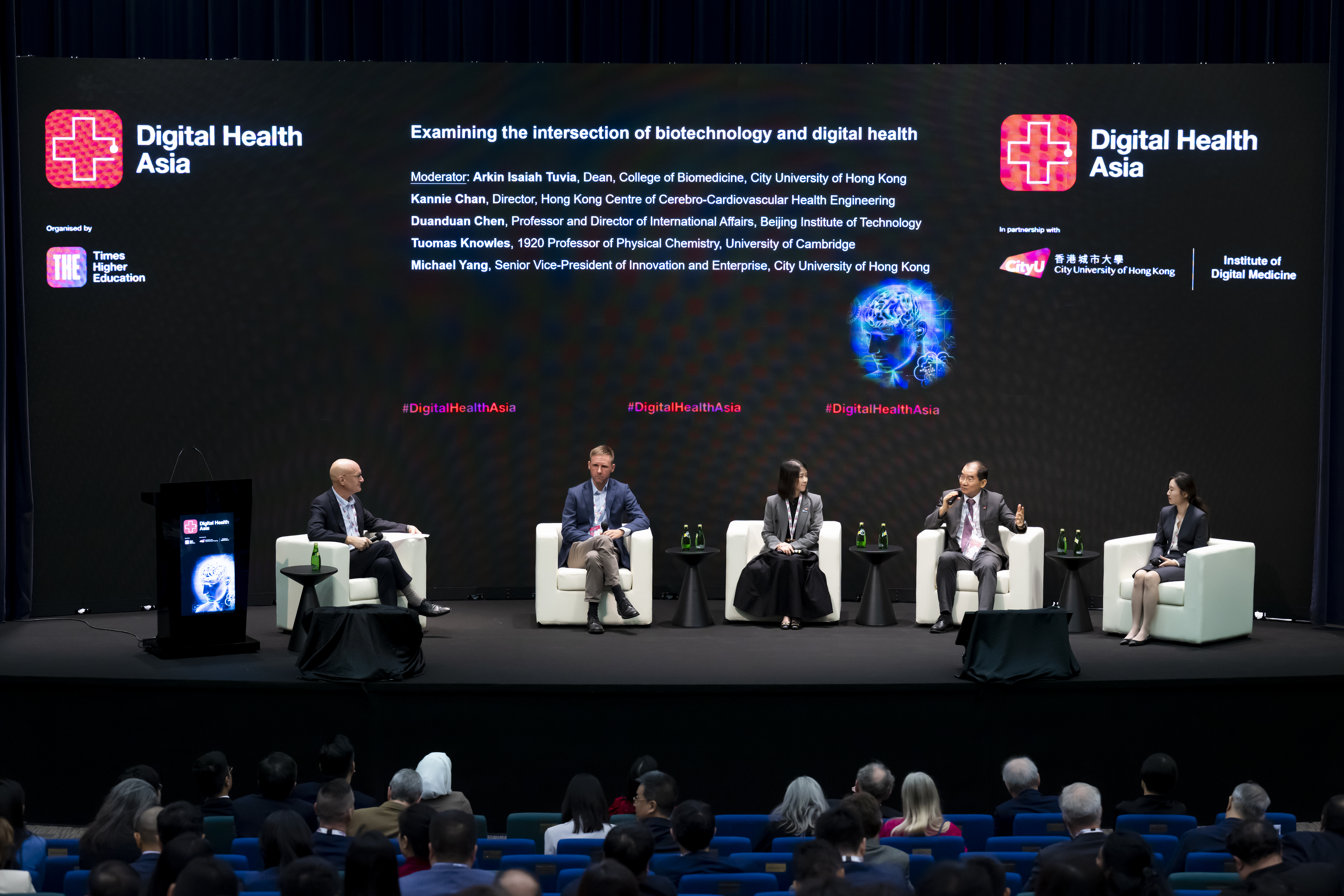
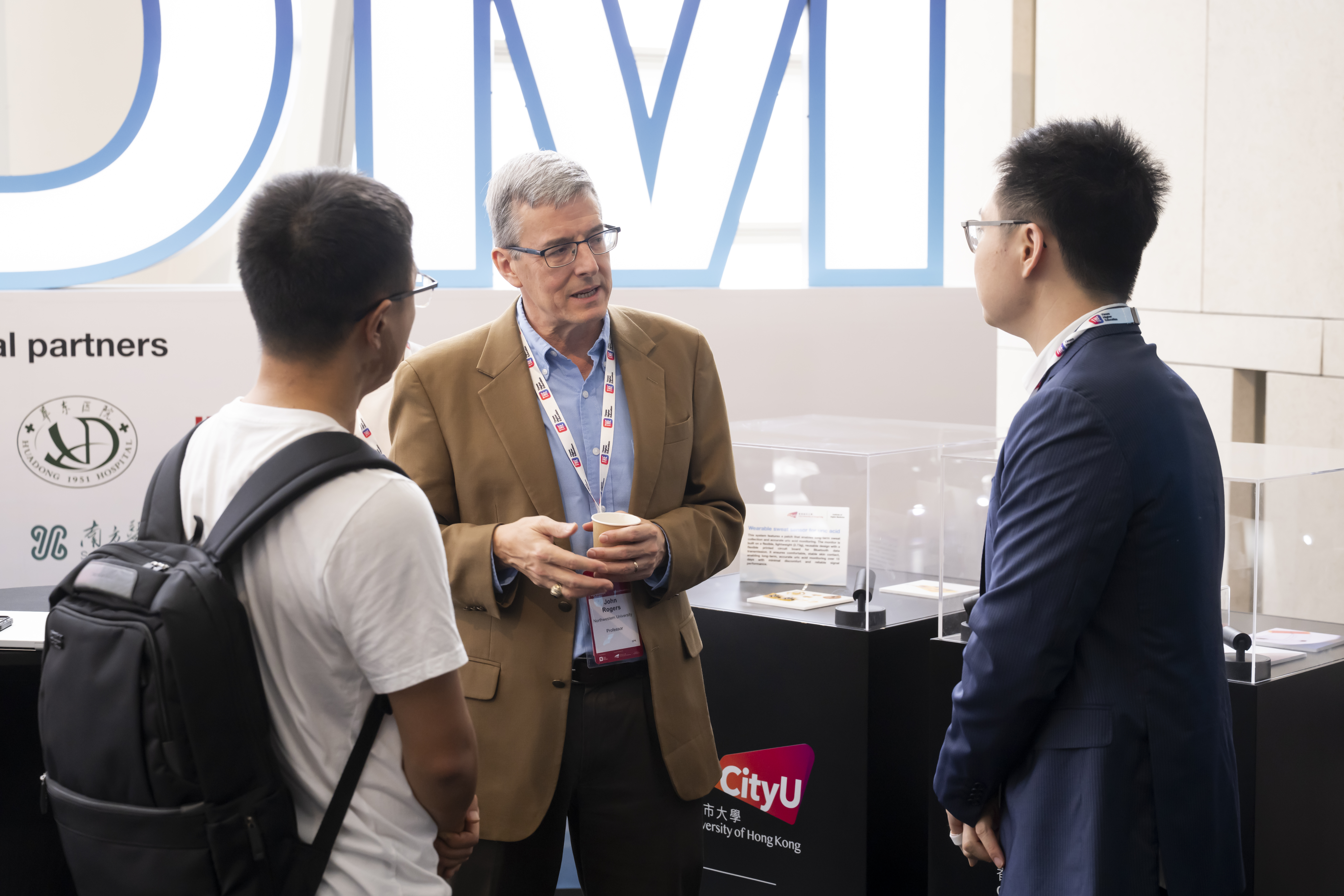
- CityUHK and Times Higher Education (THE) held “Digital Health Asia 2025 (DHA 2025)” in September 2025. The three-day summit brought together over 420 delegates from 17 regions and featured over 50 experts at the symposiums and seminars from various countries, including China, the U.S., the U.K., Australia, France, Japan and Korea, to foster knowledge exchange on topics such as gene therapy, organoids, early cancer screening, AI and big data. Notable speakers included Professor Sir Mark Welland, Fellow of the Royal Society and Deputy Vice-Chancellor of the University of Cambridge; Professor Yonggang Huang, from Northwest University and Foreign Member of the Chinese Academy of Sciences; and Professor John Rogers, from Northwest University and Member of the National Academy of Sciences.
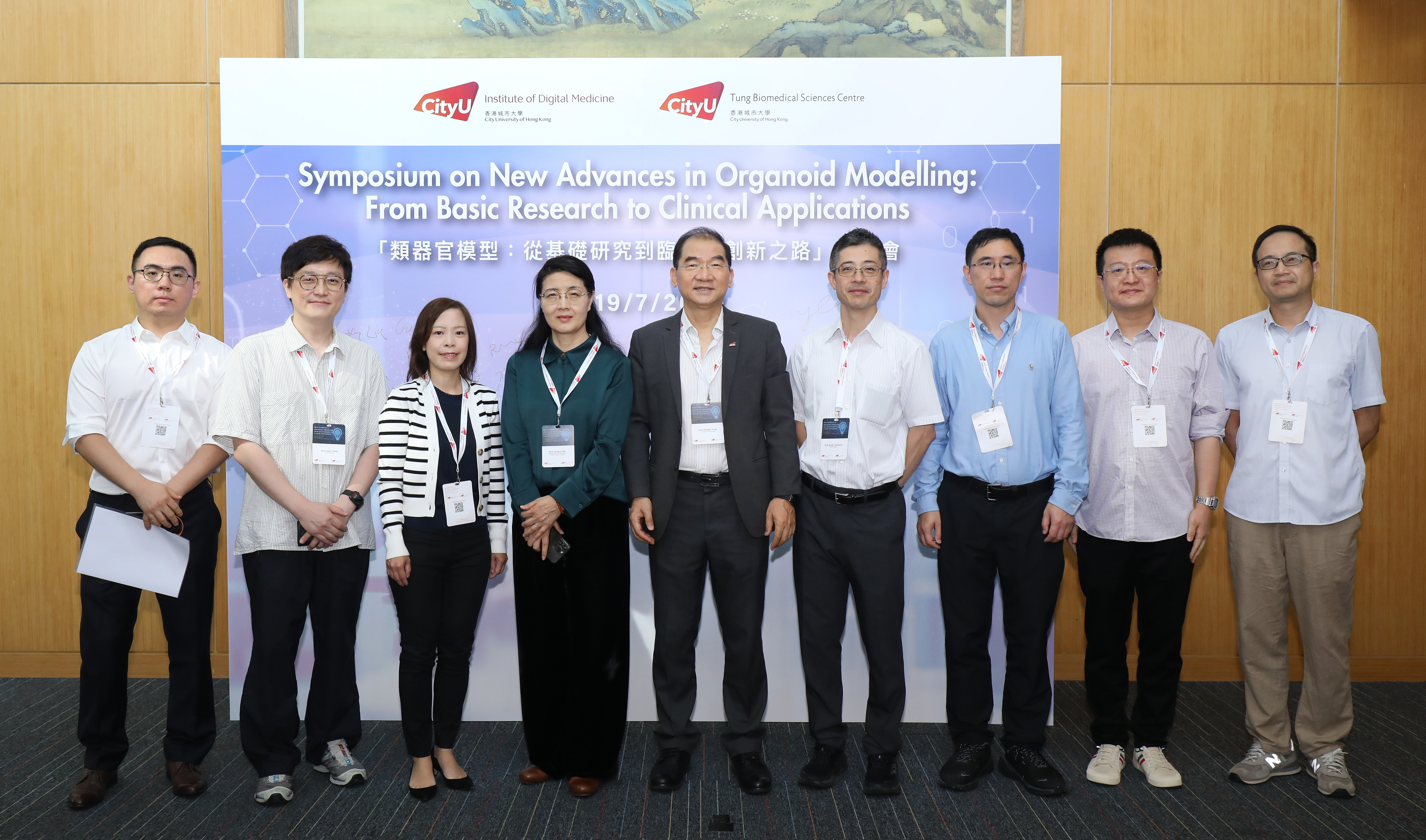
- In July 2025, the IDM hosted a symposium on new advances in organoid modelling, bringing together 18 international experts and over 200 delegates from the technology and investment sectors. The symposium addressed the challenges and potential of organoid modelling. Speakers included Professor Qin Jianhua, from the Dalian Institute of Chemical Physics and the Chinese Academy of Sciences, and Dr Stephanie Descroix, from the Institut Curie in France.
3. Interdisciplinary Research: Propelling Innovative Success
The IDM has established three core research clusters, with 18 projects in progress, including:
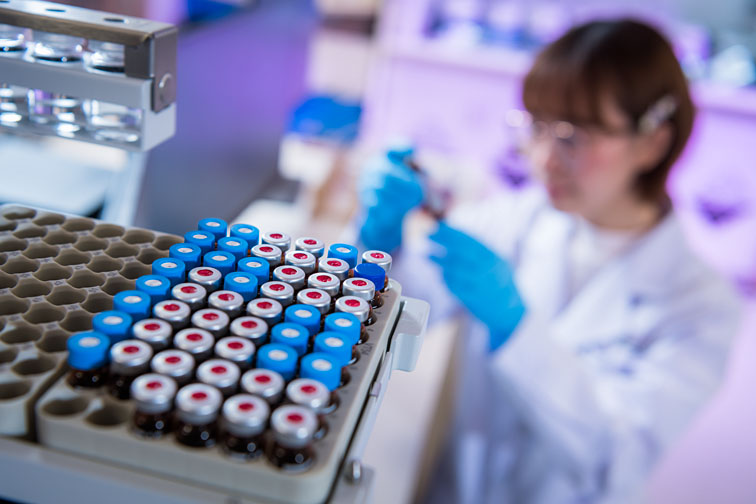
o Biomarkers, Diagnostics and Therapeutics – nine projects
o Health Data and Models – five projects
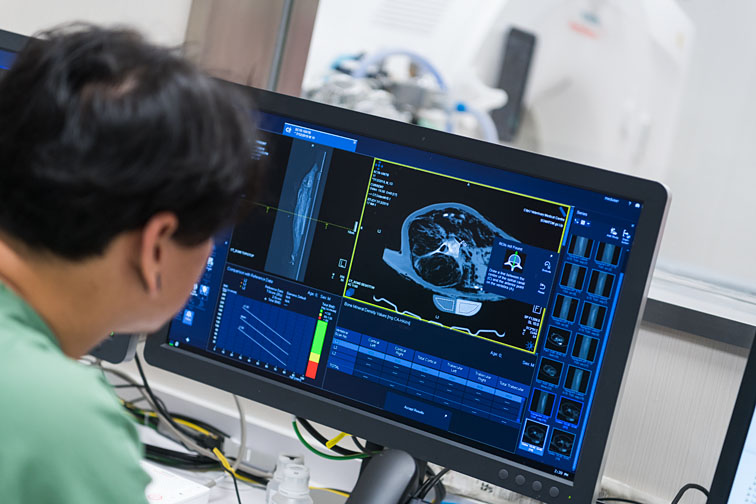
o Wearables, Sensors and Imaging – four projects
- The professors leading these projects have achieved significant accomplishments in the field of biomedicine, publishing over 15 articles in top-tier international academic journals, such as The Lancet, Proceedings of the National Academy of Sciences, and Nature, along with more than 20 articles in other academic journals.
- Professor Yu Xinge, Associate Director of the IDM was honoured with the 3rd Zhong Nanshan Youth Science and Technology Innovation Award, in recognition of his exceptional achievements in digital medicine.
4. International Advisory Committee: Facilitating the Transformation of Digital Medicine
- The IDM held its Annual General Meeting in December 2025. The IDM Advisory Committee comprises 14 international experts from academia, industry, investment and clinical fields, who collaborate to promote interdisciplinary research and development in life and health technologies, data science, AI with medical science, and public health. It aims to develop innovative digital health solutions for the future of healthcare, benefiting both doctors and patients in the long term.
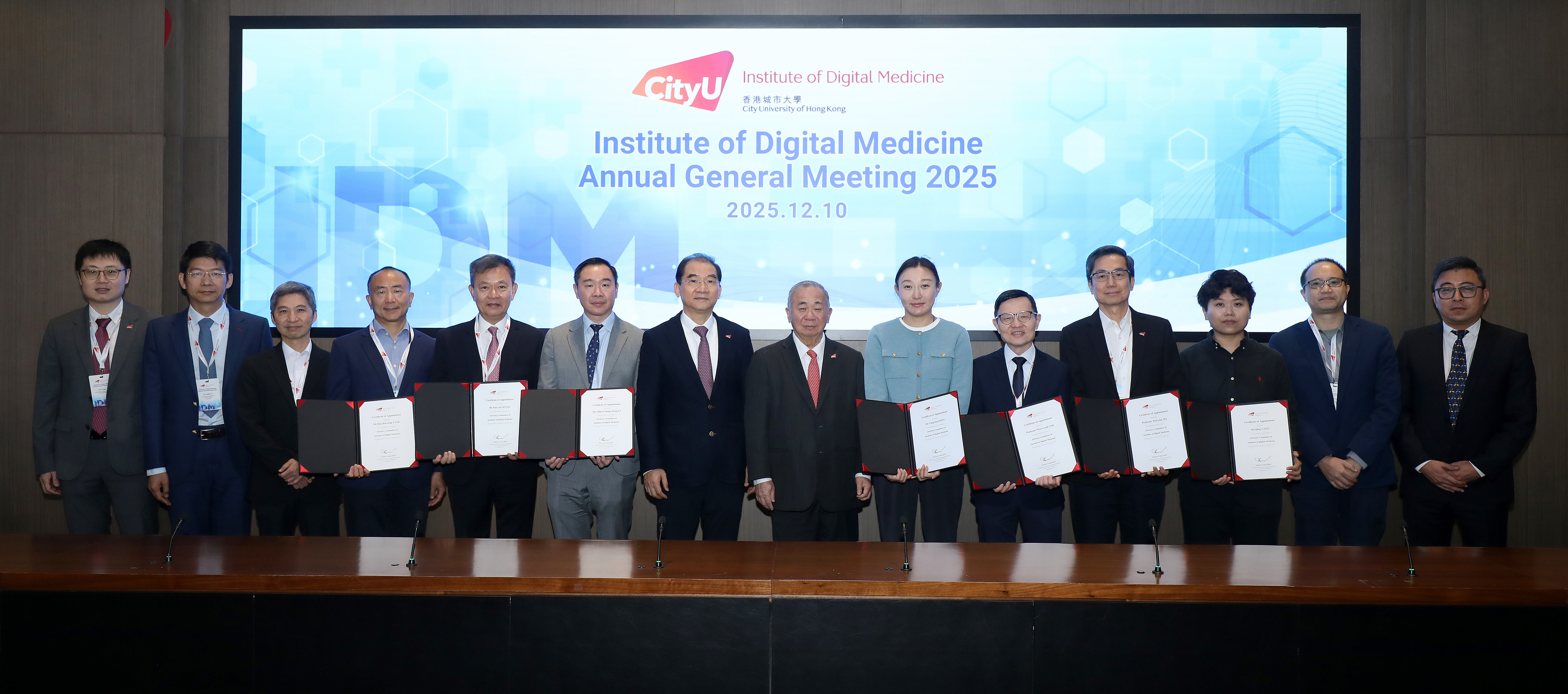
Members of the IDM Advisory Committee (in order of English surnames):
- Professor Freddy Boey — President and University Distinguished Professor at CityUHK
- Professor Juhee Cho — Chair of the Department of Clinical Research Design and Evaluation at the Samsung Advanced Institute for Health Sciences and Technology at Sungkyunkwan University, South Korea
- Professor Fan Chunhai — Academician of the Chinese Academy of Sciences, Executive Director of the Institute of Translational Medicine at Shanghai Jiao Tong University
- Professor George Gao Fu — Academician of the Chinese Academy of Sciences; Professor and Director at the CAS Key Laboratory of Pathogenic Microbiology and Immunology, Institute of Microbiology, Chinese Academy of Sciences, China
- Ms Gong Yingying — Founder and Executive Director of Yidu Tech
- Dr Jin Dong — Chief Expert, Medical Artificial Intelligence of Zhejiang Provincial People’s Hospital
- Dr Leung Pak-yin, SBS, JP ,SBS,JP — Former Chief Executive of the Hong Kong Hospital Authority, CityUHK Council Member
- Mr Gilbert Li — Chief Financial Officer and Board Secretary of Pharmaron
- Professor Lim Chwee Teck — Fellow of the Royal Society, Director of iHealthtech at the National University of Singapore
- Professor Ma Wei-Ying — Chief of AI, Director of the Hong Kong Institute of AI for Science at CityUHK
- Mr Narayan Venkataraman — Deputy Director of Data Science and Intelligence at Changi General Hospital, Singapore
- Mr Wang Guoxin — Former Chief Scientist at JD Health
- Mr Ray Yang — Partner at Marathon Venture Partners
- Ms Yang Qing — General Manager of Baidu Intelligent Cloud Healthcare Products Department
5. CityUHK’s Vibrant Ecosystem: Nurturing Digital Health Start-ups
- In collaboration with HK Tech 300, CityUHK’s flagship innovation and entrepreneurship programme, the University is fostering a dynamic ecosystem in digital medicine, with 20% of HK Tech 300’s start-ups focusing on the biotech and health technology.
- Nine start-ups from HK Tech 300 showcased their innovations at the DHA 2025 exhibition in September.
- In the same year, seven start-ups from HK Tech 300 exhibited at BIOHK 2025, highlighting CityUHK's fruitful achievements in promoting innovation and entrepreneurship in digital medicine.
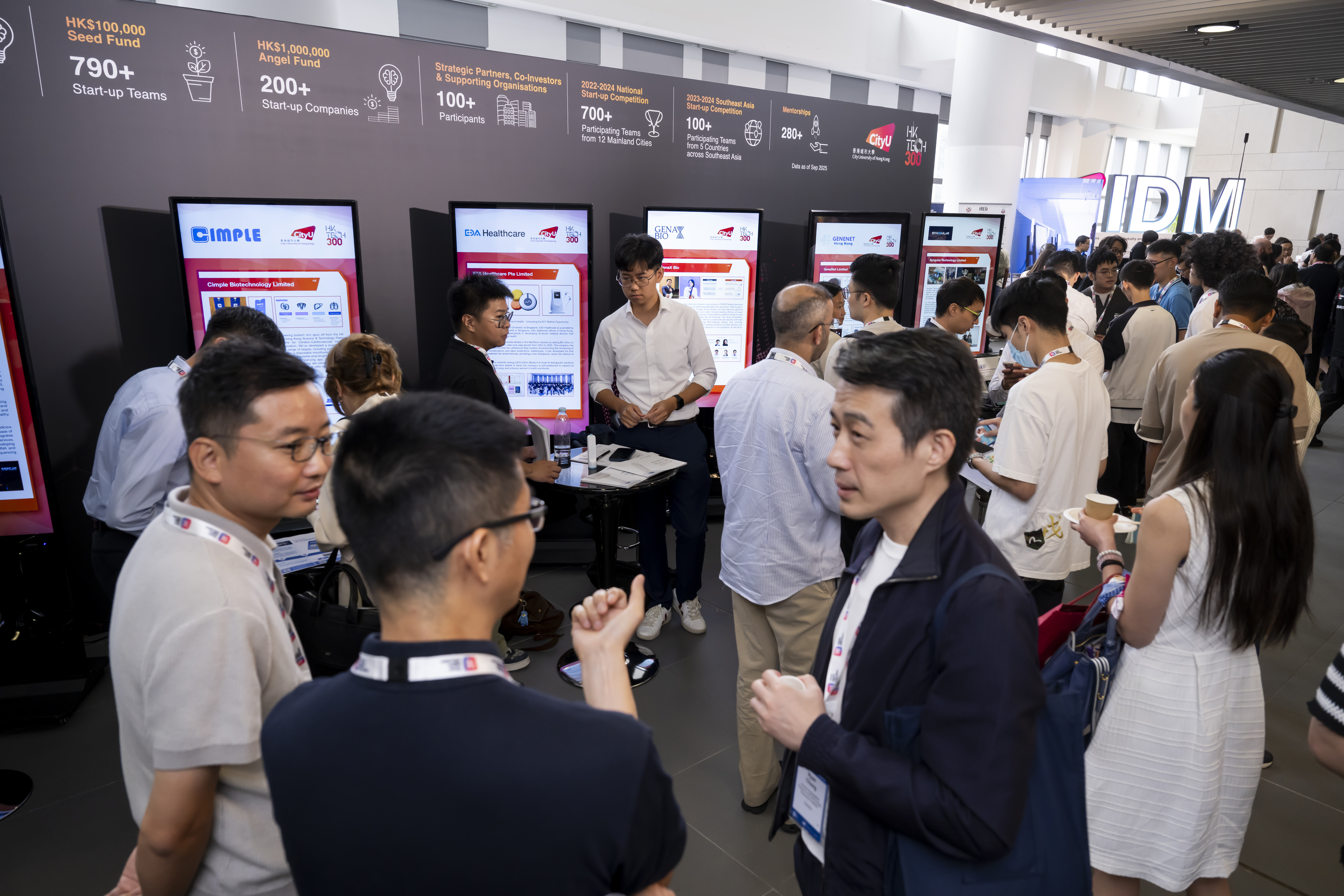
HK Tech 300 start-ups participating in DHA 2025 and BIOHK 2025:
- AniTech— Advancing medical development and brain health through the power of AI.
- ASA Robotics— Developing an autonomous patient transfer robot and a robotic cat sensor that prevents patients from falling.
- Belun— Providing preventative healthcare solutions through patented AI algorithms and health fingerprints.
- Cellomics— Specialising in liquid biopsy technology for early cancer screening and disease management.
- Cimple— Providing quantitative rapid test kits for home-based healthcare screening and management.
- E3A Healthcare— Developing innovative medical devices for maternal and child health.
- GenaX Bio — Providing affordable, single-use gene therapy for patients with genetic disorders.
- GeneNet— Combining AI and genetic circuit technology for biopharmaceutical applications.
- LuMAT-SERS—Focusing on surface-enhanced Raman (SERS) technology.
- MetaPred X— Developing microfluidic models mimicking CTC attachment to epithelial cells for the evaluation of organ specific metastasis.
- Syngular— Creating AR-based surgical assistance software solutions.
- Taikangnuo Biotechnology—Focusing on smart monitoring solutions for epilepsy, utilising a multi-model approach to provide efficient neurobehavioral data services for pharmaceutical and research institutions.