

Research Stories

Prof. Leo Lai CHAN
Associate Director of SKLMEH (CityUHK)
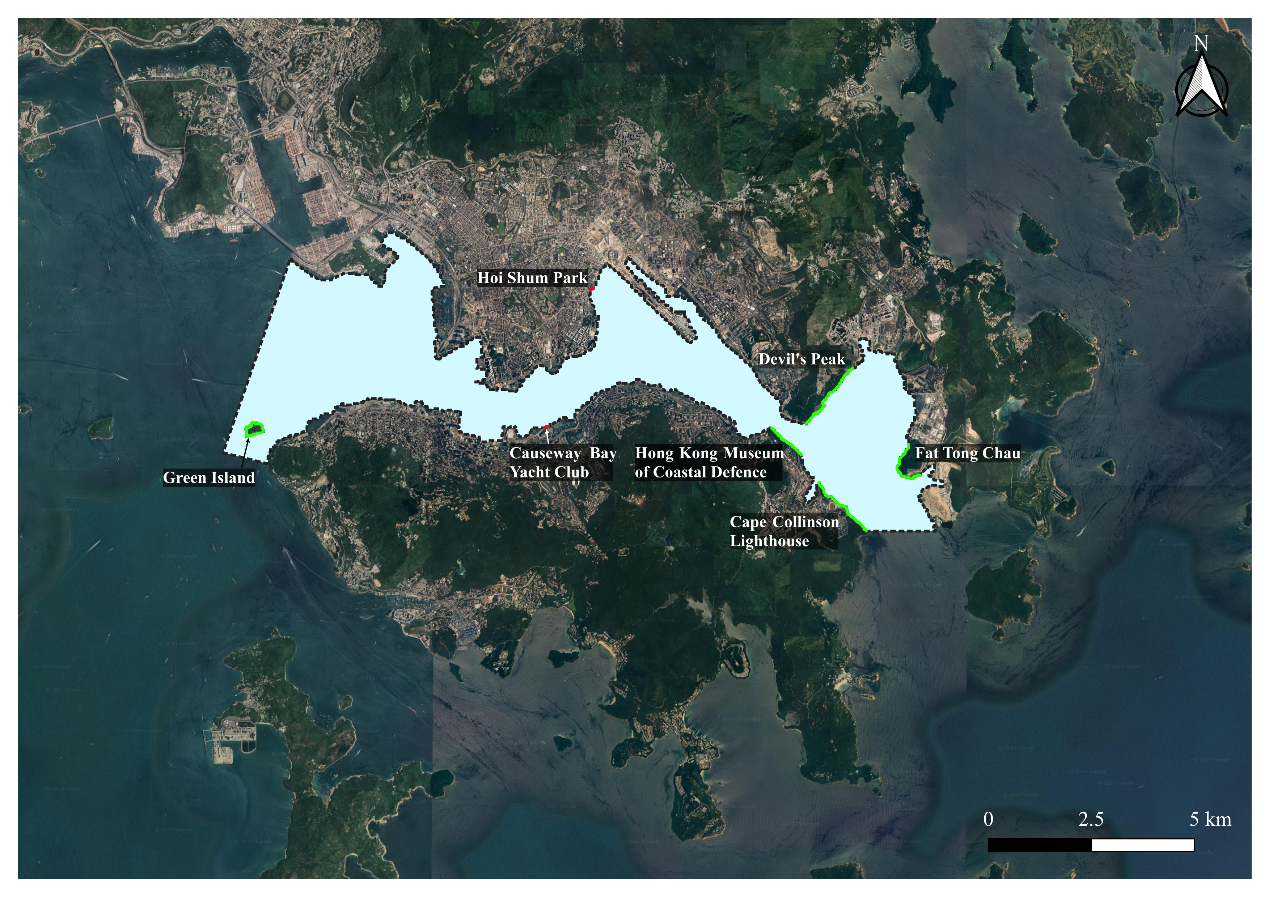
Victoria Harbour, the iconic landmark of Hong Kong, is globally renowned for its deep waters and natural shelter, making it one of the world’s busiest economic ports. However, beneath the prosperity of shipping and urban development, what is the true ecological health status of the harbour's seabed? Recently, Professor Leo Lai CHAN, Associate Director of the State Key Laboratory of Marine Environmental Health (SKLMEH) at City University of Hong Kong, in collaboration with Professor James Kar-hei FANG from the Department of Food Science and Nutrition at The Hong Kong Polytechnic University, and Professor Xiaoshou LIU from the College of Marine Life Sciences at the Ocean University of China, unveiled the hidden ecological secrets of Victoria Harbour by publishing their latest findings on benthic biodiversity and ecological status.
Dr. Chan Lai Leo
Associate Director, State Key Laboratory of Marine Pollution
Victoria Harbour was a highly developed area with water pollution in the past, which was caused by discharging sewage and reclamation projects. To rectify the problem, the Hong Kong SAR Government implemented the Harbour Area Treatment Scheme (HATS) to collect and treat the wastewater. The scheme had implemented to phase 2a, aiming to improve water conditions, coupled with the cessation of reclamation. However, a comprehensive and systematic investigation into the distribution, extent, diversity, and coverage of coral communities within the harbour has not been conducted.
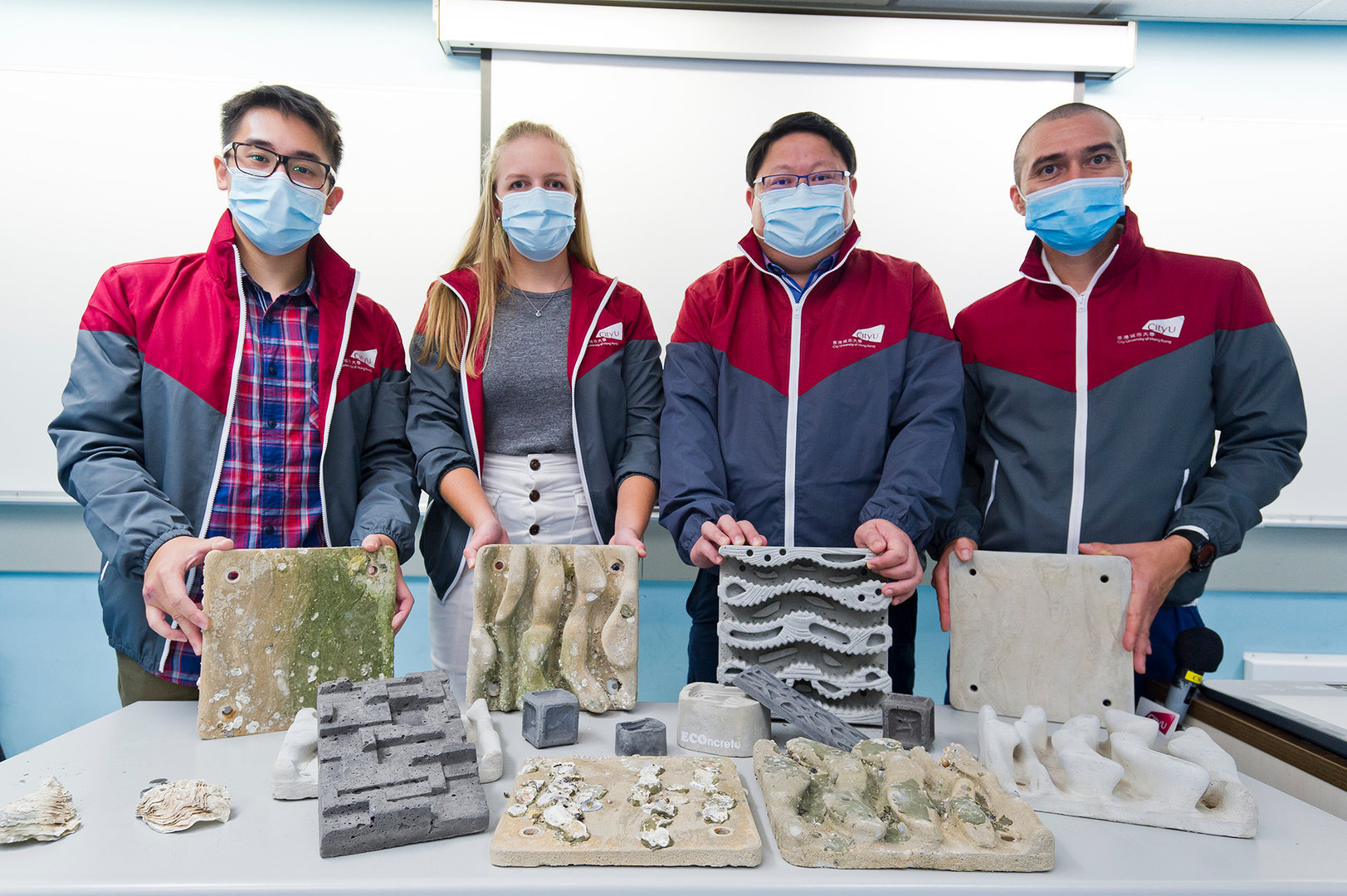
Professor Kenneth Mei Yee Leung
Director of SKLMP (CityU)
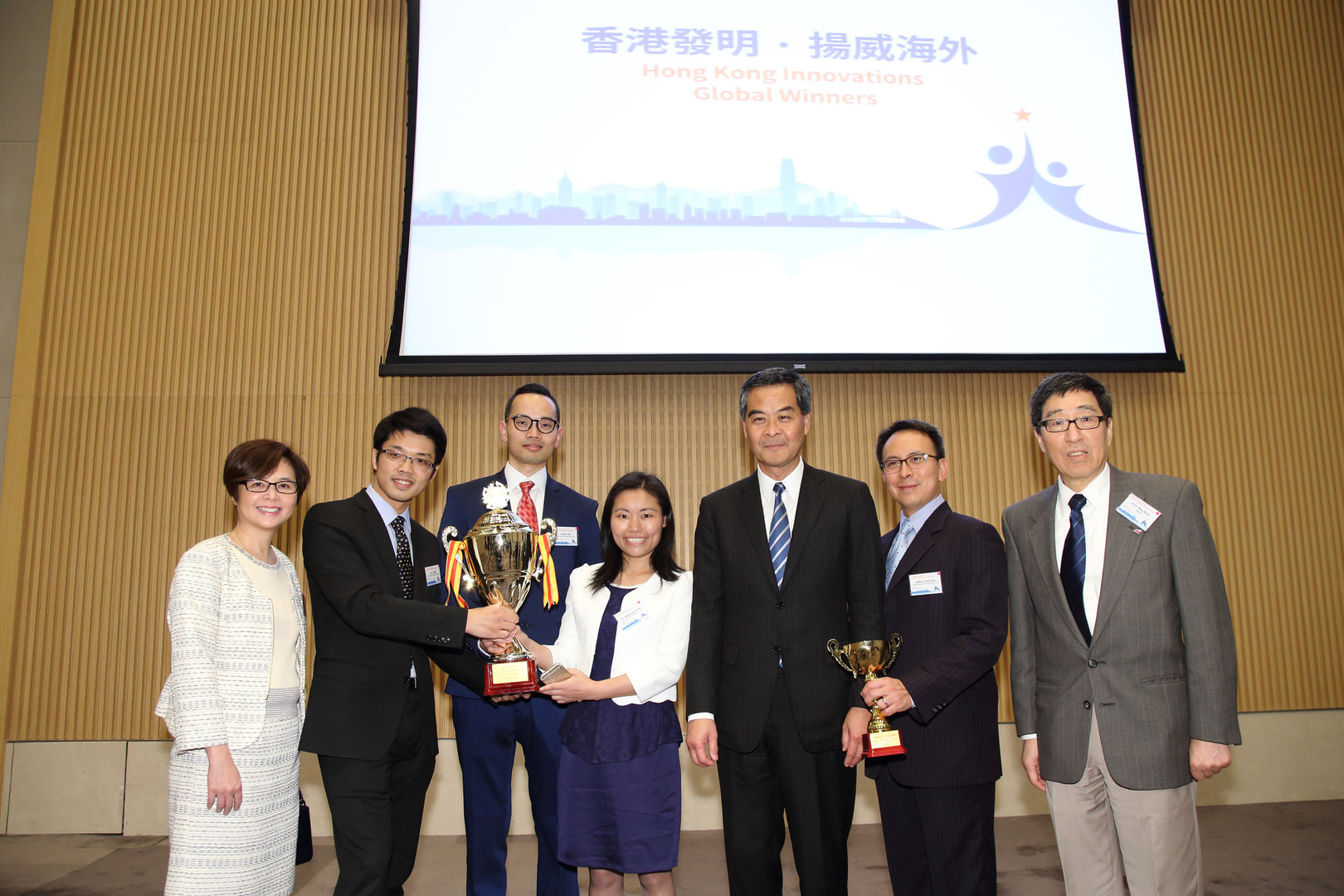
Dr. Xueping Chen
Chief Technology Officer, Co-founder of Vitargent
Hong Kong universities have long been renowned for their achievements in exceptional basic research. Nevertheless, technology transfer is their weakest link. Dr. Xueping Chen, an outstanding scientist nurtured by SKLMP, successfully transferred her co-invention “Transgenic medaka fish technology” into commercial products and eventually co-founded Vitargent Biotechnology. Backed by prominent investors including PwC, Nan Fung Group, and WI Harper Group and supported by Mr. Wan Gang, Vice Chairman of the CPPCC National Committee to help settle in Beijing, Vitargent has been providing its services to over 100 global enterprises worldwide.
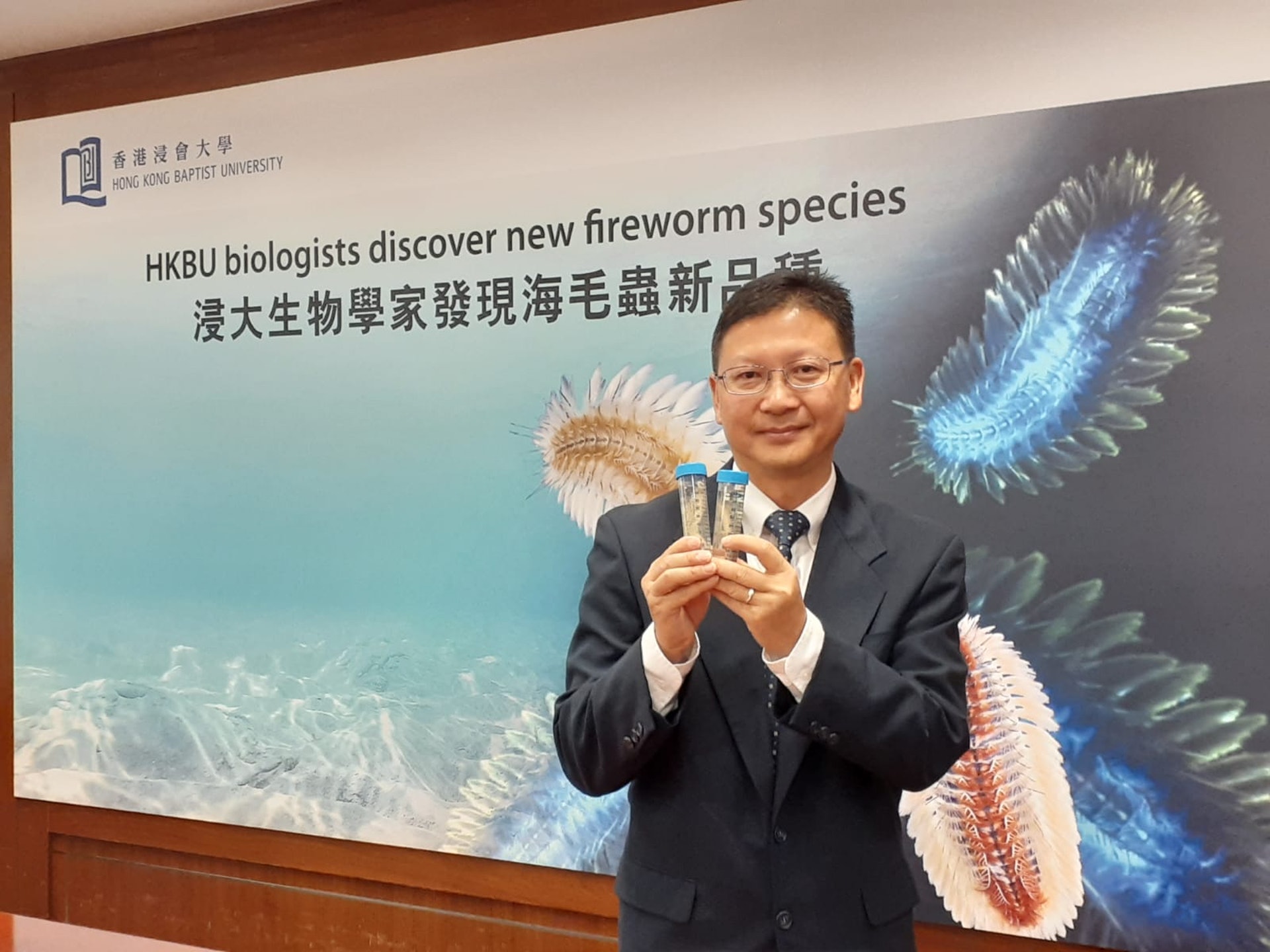
Professor Jianwen Qiu
Associate Head, Department of Biology, HKBU
Nothing is more scary than encountering creatures with venomous bristles for the first time, but such encounters are apparently fascinating to taxonomists who conduct rigorous research to name and classify these organisms. Professor Jianwen Qiu, Associate Head of the Department of Biology at HKBU, has already discovered 17 new species over the last decade. He is concerned about the society and passionate about solving biology related problems. In 2018, when he noticed that fireworms had been spotted at numerous beaches in Hong Kong, he led a research team to identify the species and successfully named a new fireworm. When he learnt that the damage of local coral by bleaching and predation, he was determined to study the harm of predators to corals, and by sheer chance discovered three species of sea rabbit (nudibranchs). He is a down-to-earth biologist who combines biological expertise with social responsibility to resolve practical issues.
Professor Shing Yip Lee
Director Simon F S Li Marine Science Laboratory (CUHK)
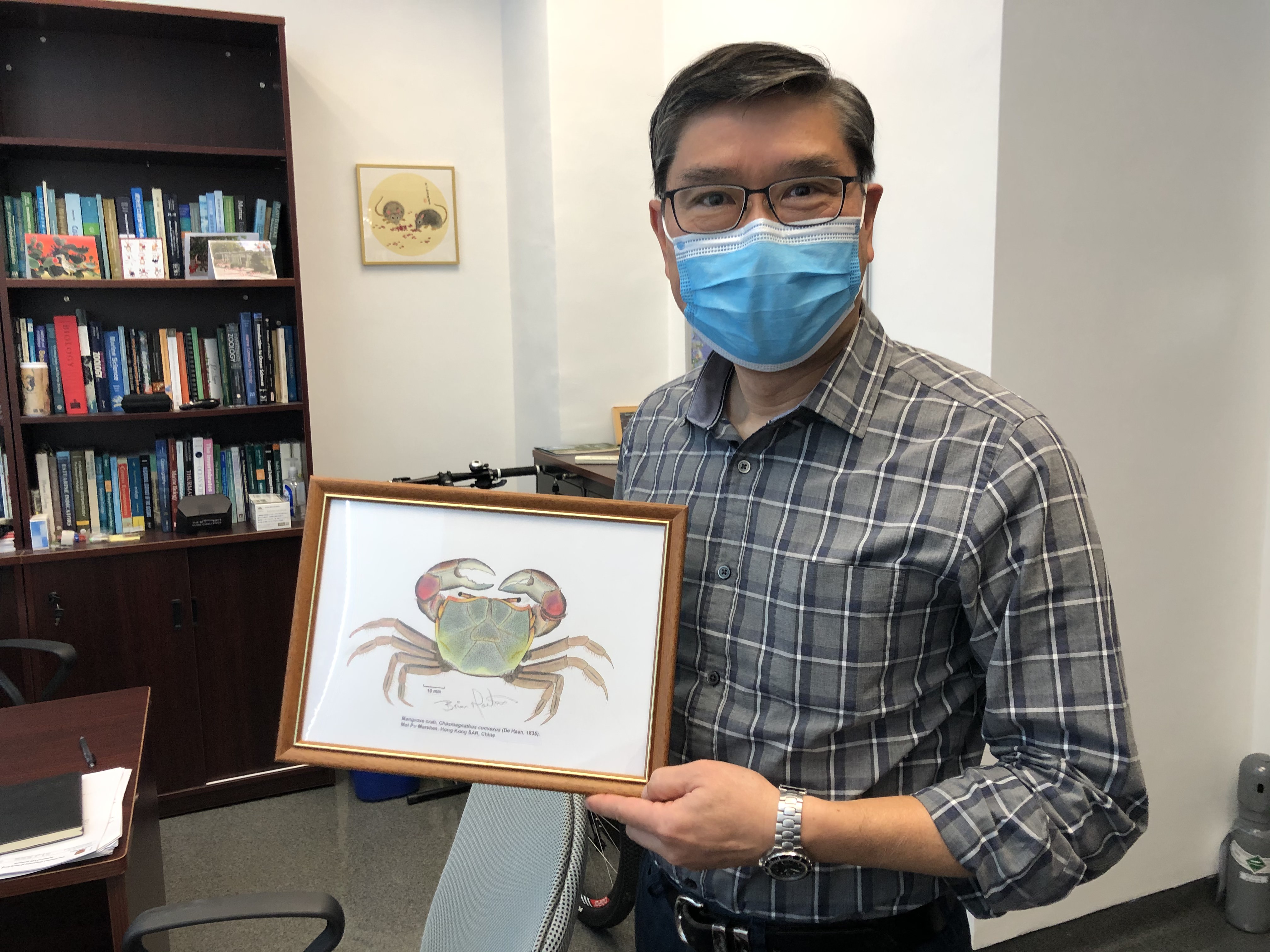
Mangroves are an incredibly effective tool against climate change by storing carbon. However, in the past 30 years, the mangrove habitat has been generally regarded as an exporter of materials, including carbon, to the coastal ocean, among other services such as providing stopover sites or nursery areas for migratory birds, fish and mammals. Their carbon storage role, however, has not been seriously considered. Professor S.Y. Joe Lee, Director of Simon F.S. Li Marine Science Laboratory of CUHK and a mangrove specialist who has been researching coastal wetlands for more than three decades. His recent work with his postdoctoral fellow Dr. X. Ouyang found that the conversion factor conventionally used for assessing mangroves carbon stock was wrong and confirmed that mangroves and other marine wetlands stored 23% more carbon from the atmosphere than previously estimated, which exemplifies the astonishing impact of “Blue Carbon” in mitigating climate change.