
The 2nd Global International Organization Youth Talent Development Summit Forum (Hong Kong SAR, China) Successfully Held at City University of Hong Kong
23 Jul 2026 (Thu)
The 2nd Global International Organization Youth Talent Development Summit Forum (Hong Kong SAR, China) was successfully held at City University of Hong Kong (CityUHK) on 23 July 2026. Co-organised by the Department of Public and International Affairs of CityUHK, the Hong Kong Sino-Foreign Exchange Centre and the Global SDGs and Leadership Development Center, the Summit aligned with global governance trends, supported the Government of the Hong Kong Special Administrative Region’s vision of developing Hong Kong into an international education hub and a centre for top talent, and promoted youth participation in international affairs and multilateral governance.
Building on the inaugural Summit’s focus on encouraging Chinese youth to engage in international affairs and strengthen their global competence, this year’s event centred on nurturing young talent with an international outlook and practical capabilities. Through multilateral dialogue, sharing by international organisation leaders, and cross-sector exchange, the Summit aimed to inspire outstanding young people to take part in the work of international organizations and multilateral issues, deepen their understanding of international norms, gain hands-on experience, and enhance their overall foreign affairs literacy. The Summit drew more than 300 participants from the Chinese Mainland, Hong Kong, and Macao. It brought together representatives from the United Nations, leaders of international organizations, renowned university scholars, and distinguished figures dedicated to youth development.
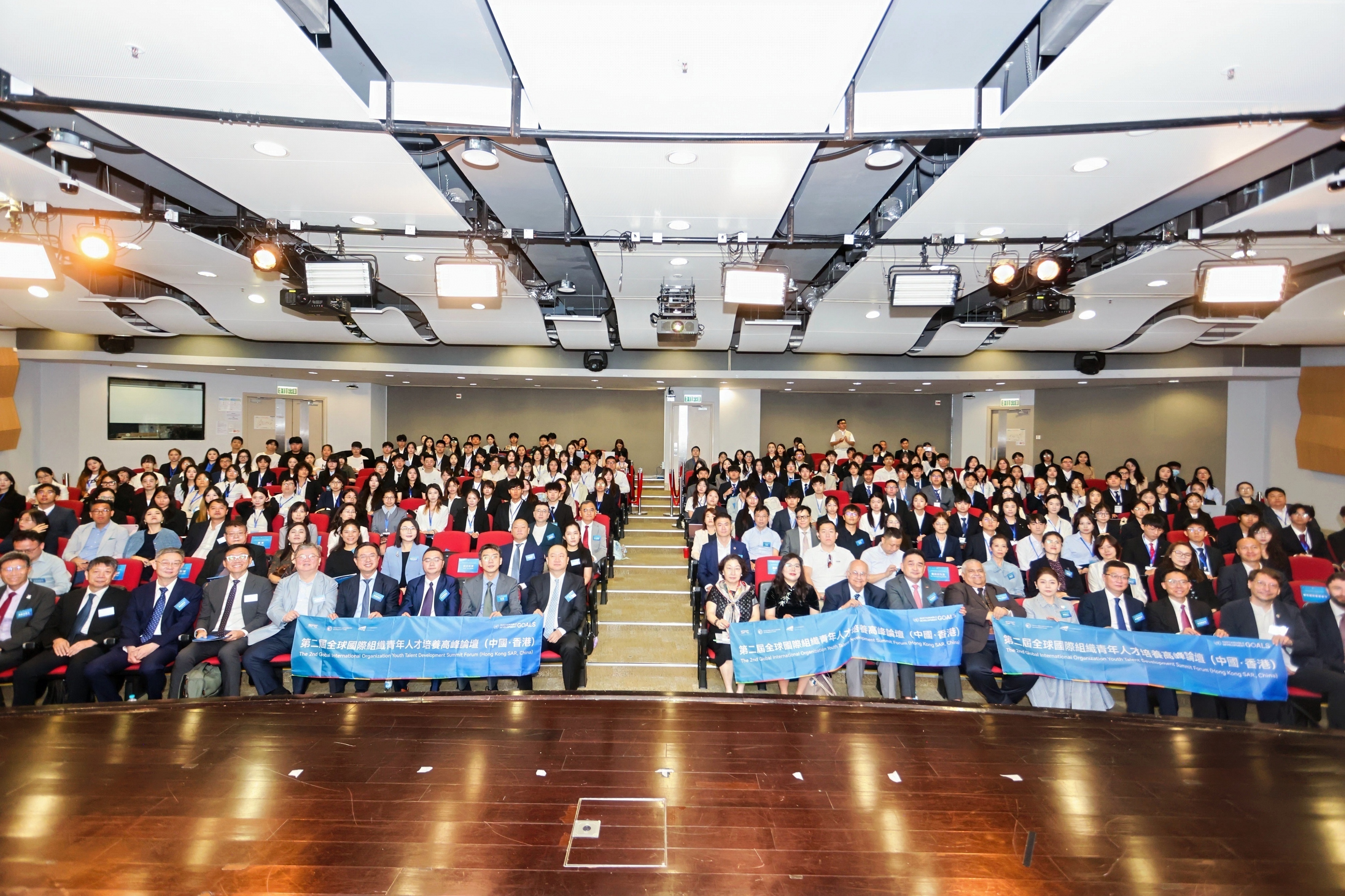
The programme featured four keynote speeches, an expert closed-door roundtable meeting, and two thematic forums, reflecting meaningful two-way engagement between international organizations and universities, as well as direct dialogue between speakers and young participants. With the participation of over 20 universities and more than 10 international organizations and non-governmental organizations, the event underscored Hong Kong’s distinctive role as a hub for international governance talent and a regional centre for multilateral institutions.
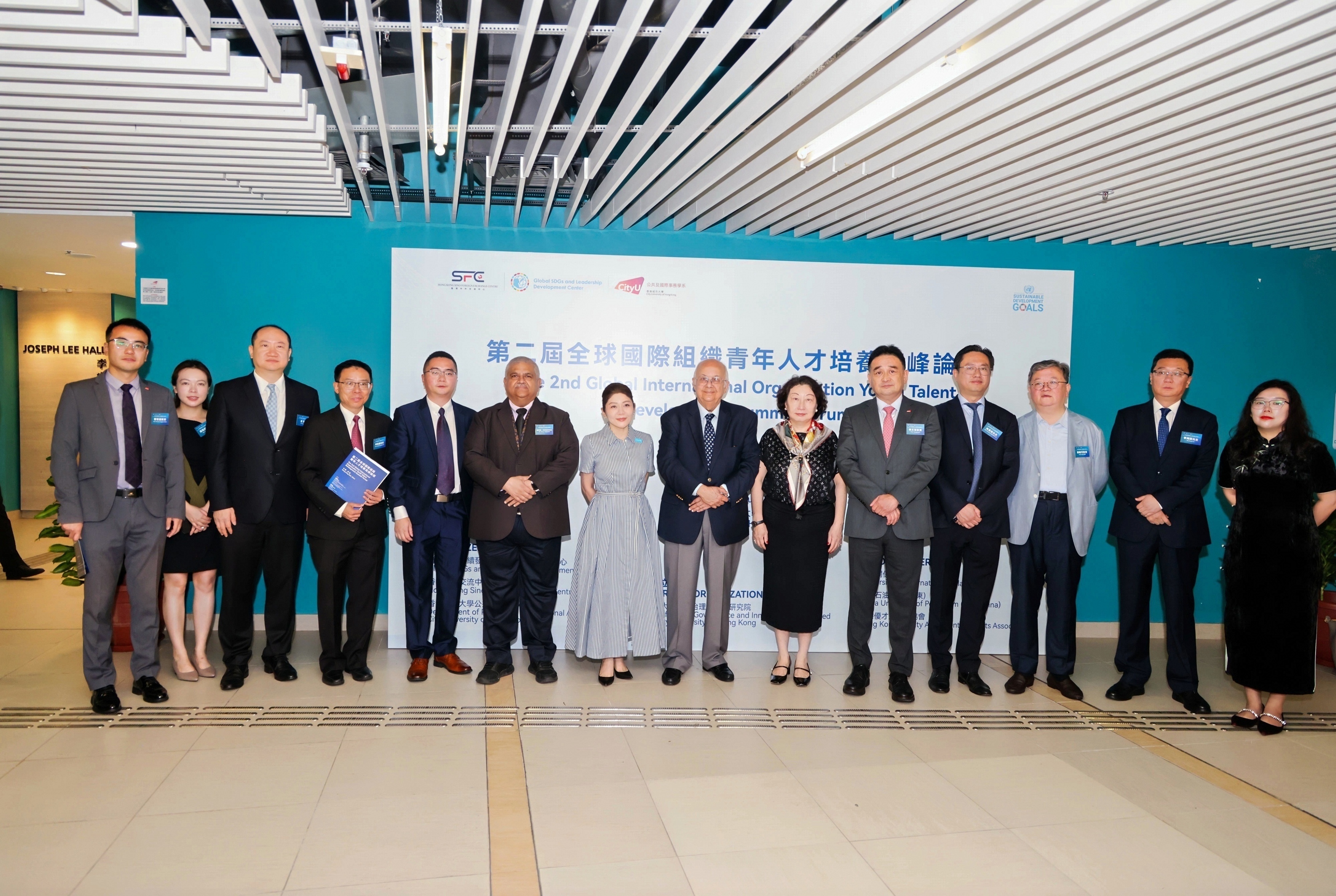
(From left to right: Professor Michael Jinghan ZENG, Head of Department of Public and International Affairs of CityUHK; Ms. Annie CHOW, Secretary-General of Hong Kong Sino-Foreign Exchange Centre; Counsellor Jian WANG, Director of the International Department of the Commissioner’s Office of China’s Foreign Ministry in HKSAR; Professor Alfred Tat-Kei HO, Dean of College of Liberal Arts and Social Sciences of CityUHK; Mr. Frank LI, Chairman of Hong Kong Sino-Foreign Exchange Centre; Mr. Satya S. TRIPATHI, Former Assistant Secretary-General of United Nations; Ms. Judy CHEN, JP, Chairman of Hong Kong Committee for UNICEF; Dr. Ismail SERAGELDIN, Former Vice President of World Bank; Professor Teresa CHENG, GBM, GBS, SC, JP, Secretary-General of International Organisation for Mediation; Professor Wen Jung LI, Vice-President (Talent and International Strategy) of CityUHK; Mr Hendrick SIN, HKSAR Deputy to the National People’s Congress; Professor Yike GUO, Provost of The Hong Kong University of Science and Technology; Mr. Haiou LI, Secretary of the Party Committee of University of International Relations; Ms. Grace GAO, Executive Director of Global SDGs and Leadership Development Centre)
【CityUHK: Multilateral Knowledge Network Nodes and the Global Public-Good Nature of Talent Development】
Speaking at the opening ceremony, Professor Wen Jung LI, Vice-President (Talent and International Strategy) of CityUHK, said that the Department of Public and International Affairs is one of the few leading academic units in Asia dedicated to both public governance and multilateral affairs in international organisations. He noted that the Department’s Public Administration discipline ranked seventh globally and first in Asia in the 2025 Global Ranking of Academic Subjects of The Academic Ranking of World Universities. Professor LI added that CityUHK is committed to providing a platform for young people to enhance their participation in global affairs and encouraged participants to seize the Summit as an opportunity for personal growth.
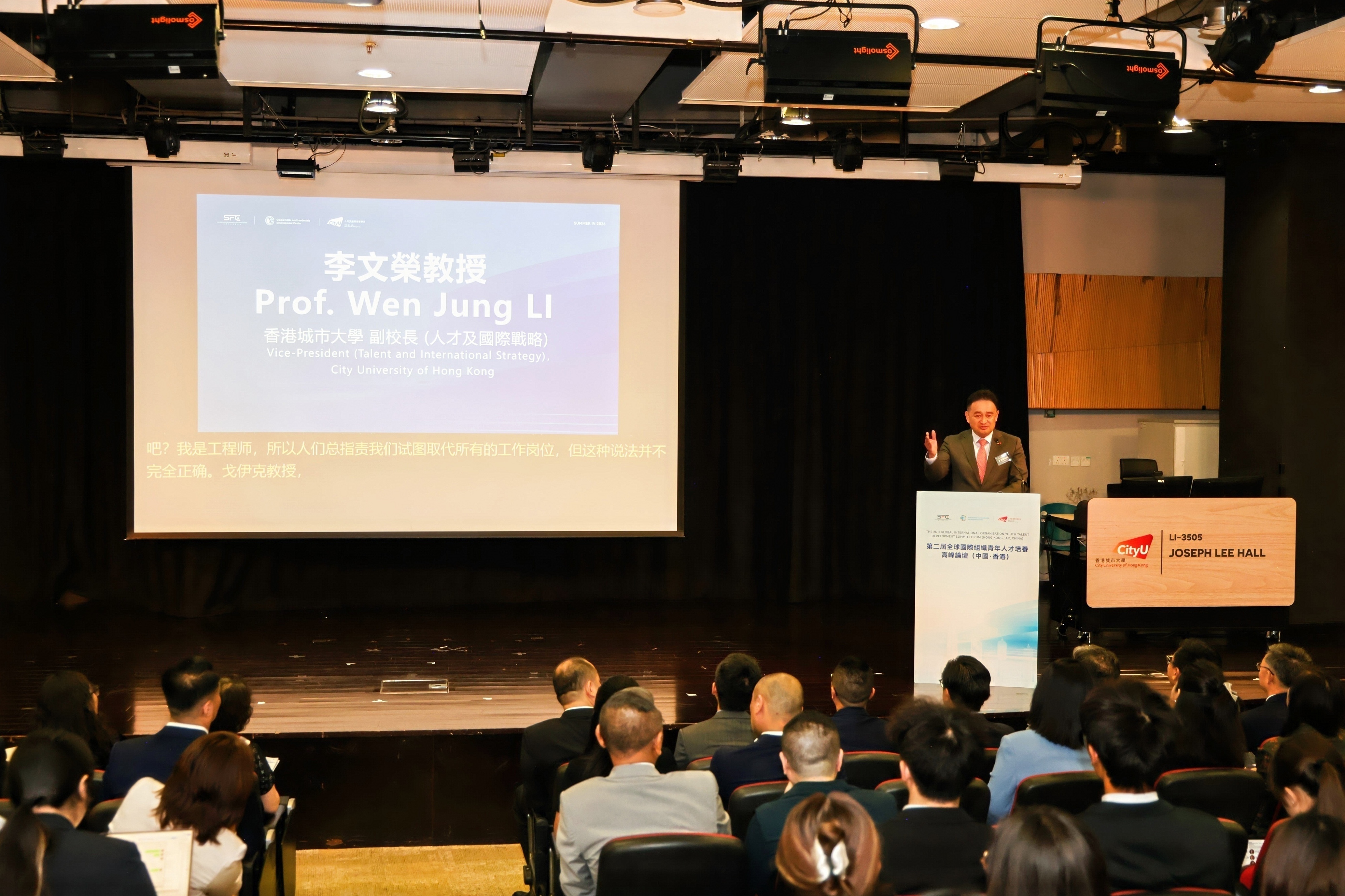
(Professor Wen Jung LI, Vice-President (Talent and International Strategy) of CityUHK)
【Hong Kong’s Locational Value and Institutional Advantages as a Hub for International Governance Talent】
Mr. Frank LI, Chairman of Hong Kong Sino-Foreign Exchange Centre, said the Summit has become the Centre’s annual flagship event. He thanked the experts from United Nations, representatives of international organisations in Hong Kong, and university leaders and scholars for their participation. Now in its second edition, the Summit has further deepened cooperation among international organisations, universities, and non-governmental organisations. Leveraging Hong Kong’s regional advantages and expert resources from international organisations, the Centre has continued to develop a collaborative youth talent cultivation framework for multilateral institutions and hopes to nurture more outstanding Chinese youth for international organisations in the future.
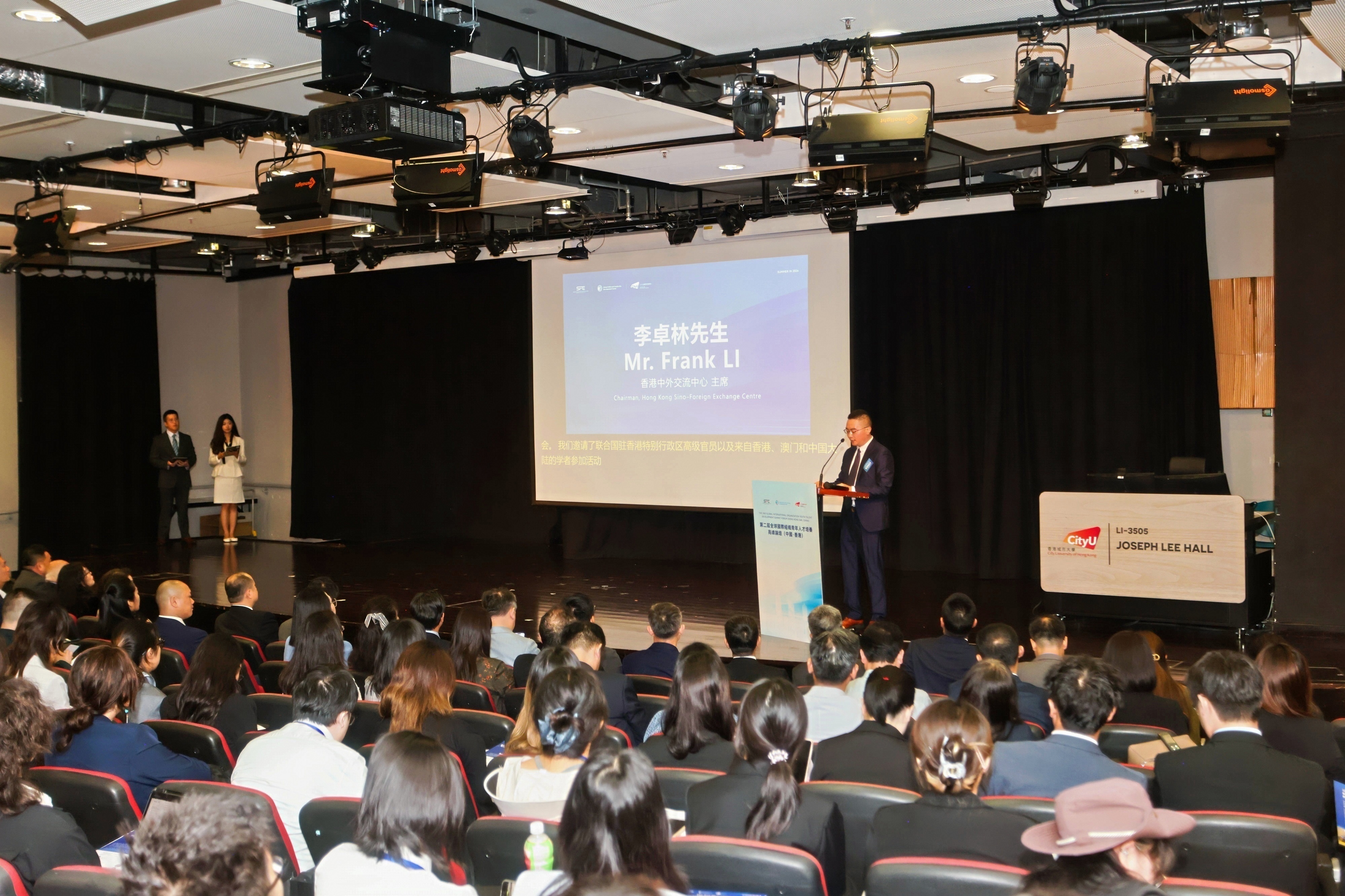
(Mr. Frank LI, Chairman of Hong Kong Sino-Foreign Exchange Centre)
【UN Sustainable Development Goals and the Centre for Leadership Development: Building a Full-Spectrum Talent Pipeline for International Organisations, from Capacity Building to Career Pathways】
Ms. Grace GAO, Executive Director of Global SDGs and Leadership Development Centre, said the Centre is committed to building a full pathway for young people from capacity development to careers in international organisations. The Centre has established partnerships with multiple international organisations and universities, and has launched the “Global SDGs Young Scholars Residency Research Programme” and practice-oriented micro-courses. These initiatives are designed around real governance scenarios, including international convention negotiations, multilateral project operations, and cross-cultural consultation, and cover frontier areas such as AI governance, digital cities, and international law. Through a progressive pathway of training, internships, and employment, participants are also connected with opportunities to join international conferences and on-site study placements. Ms. GAO described the Centre as both a “connector” and a “transformer”, turning frontline experience and expert resources from international organisations into accessible learning platforms and growth pathways for universities and young people.
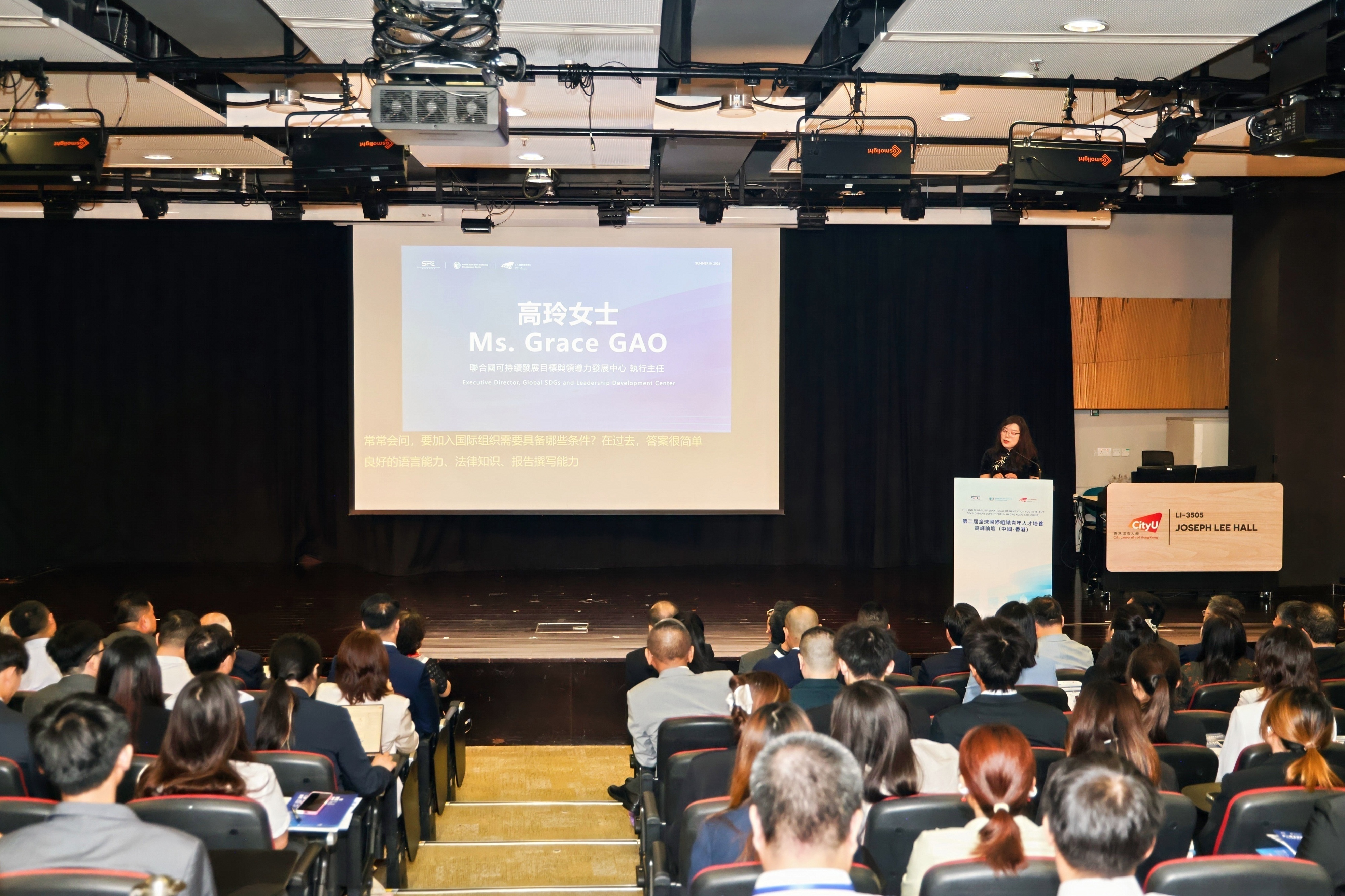
(Ms. Grace GAO, Executive Director of Global SDGs and Leadership Development Centre)
【The Mission of the International Organisation for Mediation and the Construction of an Ecosystem for Multilateral Dispute Resolution Mechanisms】
Professor Teresa CHENG, GBM, GBS, SC, JP, Secretary-General of International Organisation for Mediation (IOMed), noted that IOMed is the world’s first intergovernmental international legal organisation dedicated specifically to mediation. On the day of its establishment, IOMed signed the convention with 37 countries, and it now has 45 signatories. As the first intergovernmental international organisation headquartered in Hong Kong, IOMed will continue to enhance its talent development mechanism and welcomes more outstanding young people to engage in multilateral legal affairs.
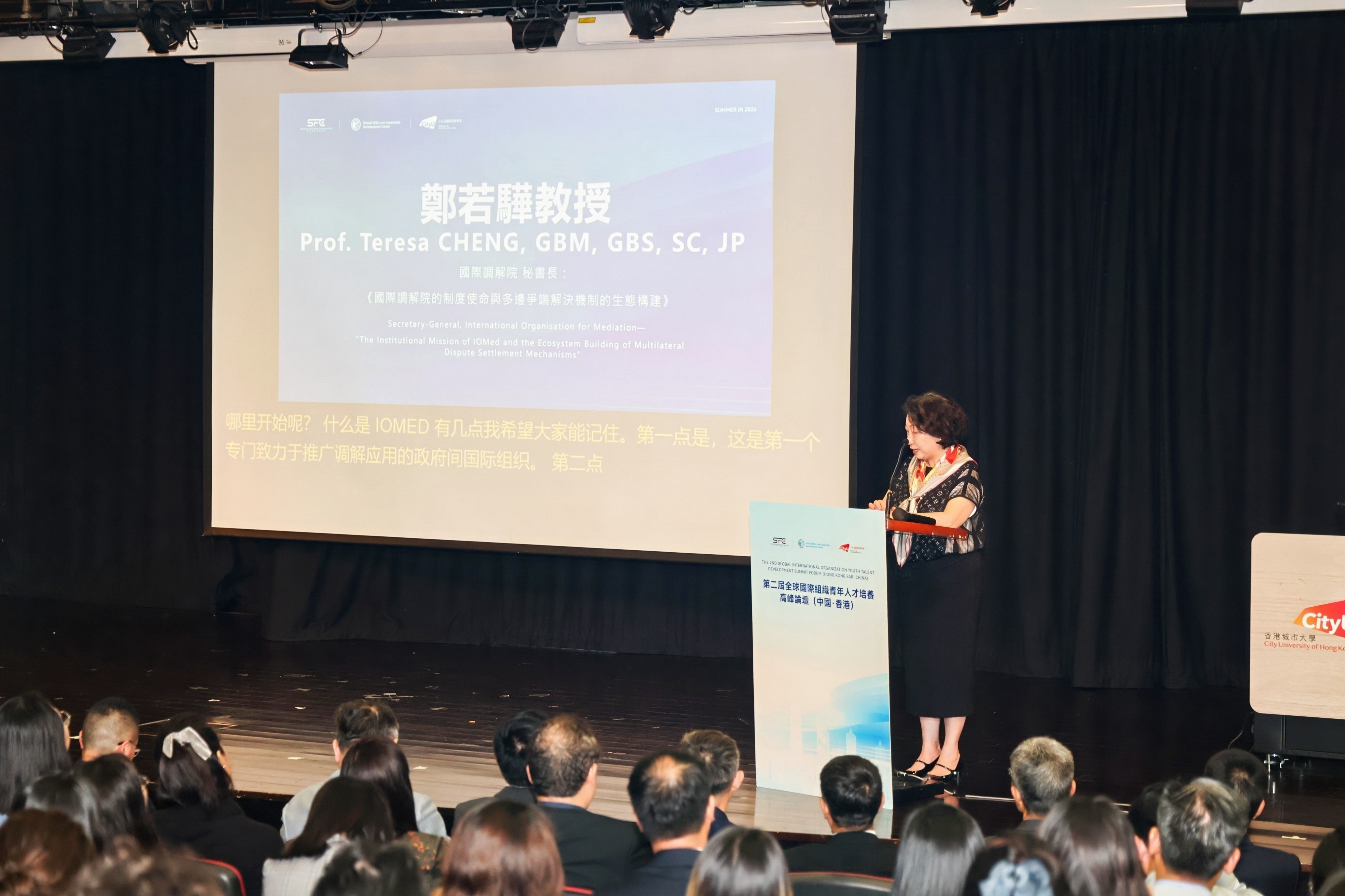
(Professor Teresa CHENG, GBM, GBS, SC, JP, Secretary-General of International Organisation for Mediation)
【Repositioning Multilateral Development Banks: The Logic of Governance-Structure Restructuring】
Dr. Ismail SERAGELDIN, Former Vice President of World Bank, reflected on the historical mission of the Bretton Woods system and emphasised that, amid the restructuring of the current international order, the World Bank and related institutions must continue to evolve. He encouraged young people to deepen their understanding of the United Nations financial system, pay attention to sustainable development, and strive to become future pillars of international organisations.
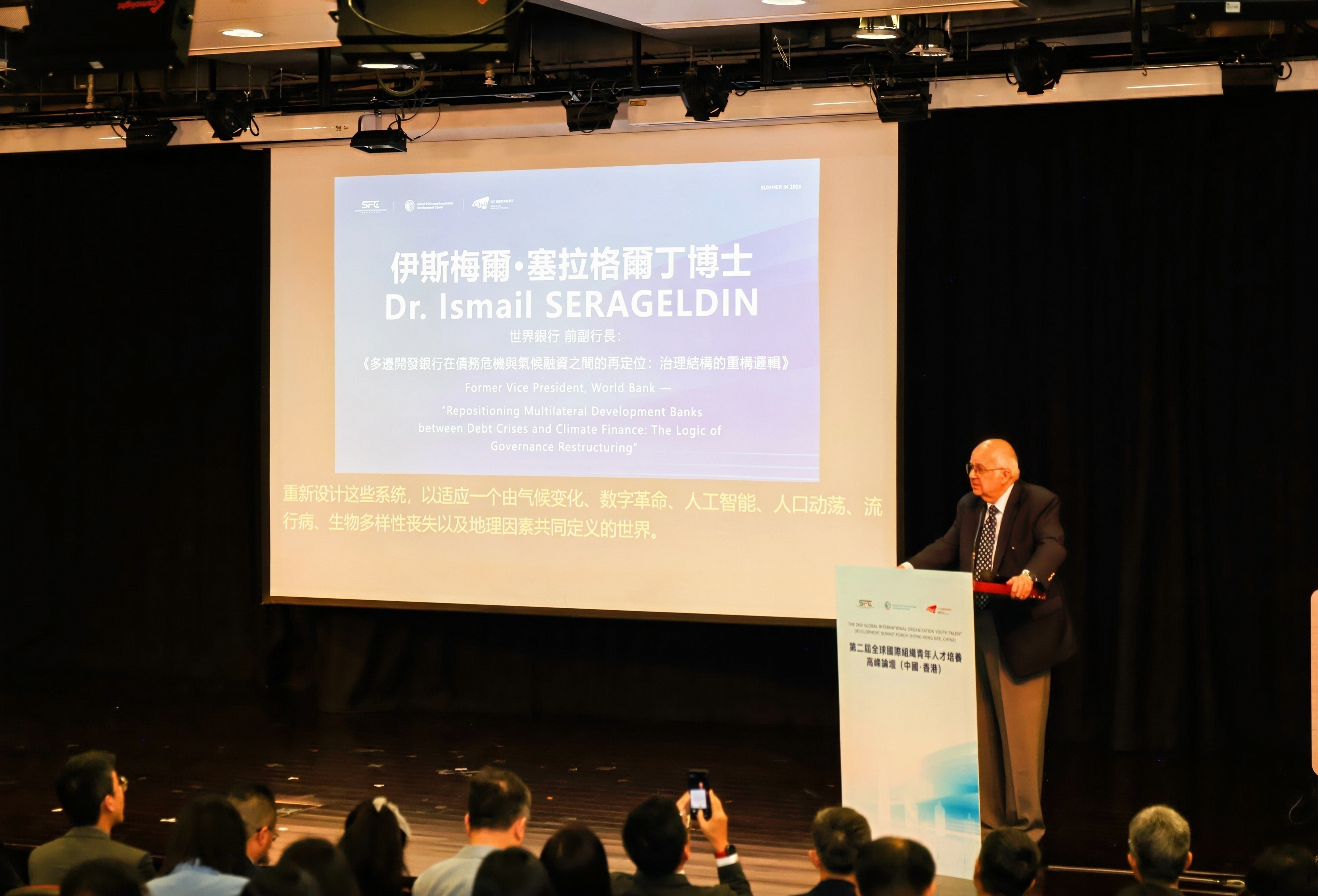
(Dr. Ismail SERAGELDIN, Former Vice President of World Bank)
【Mid-Term Review of the 2030 Agenda for Sustainable Development: Governance Capacity Deficits and Structural Adjustments to Personnel Systems】
Mr. Satya S. TRIPATHI, Former Assistant Secretary-General of United Nations, said that the 2025 ten-year review of the 2030 Agenda for Sustainable Development showed that only around 18% of the Sustainable Development Goals (SDGs) had been achieved and 17% had seen some progress, indicating that overall progress remained below expectations. He added that, beyond external shocks, structural challenges in global governance – including imbalanced talent mobility, a mismatch between education systems and SDG needs, shortages of teachers, and a lack of ESG professionals – remain key bottlenecks. He encouraged young people to view the SDGs as a career direction, continuously strengthen their capabilities, and contribute to the progress of global governance.
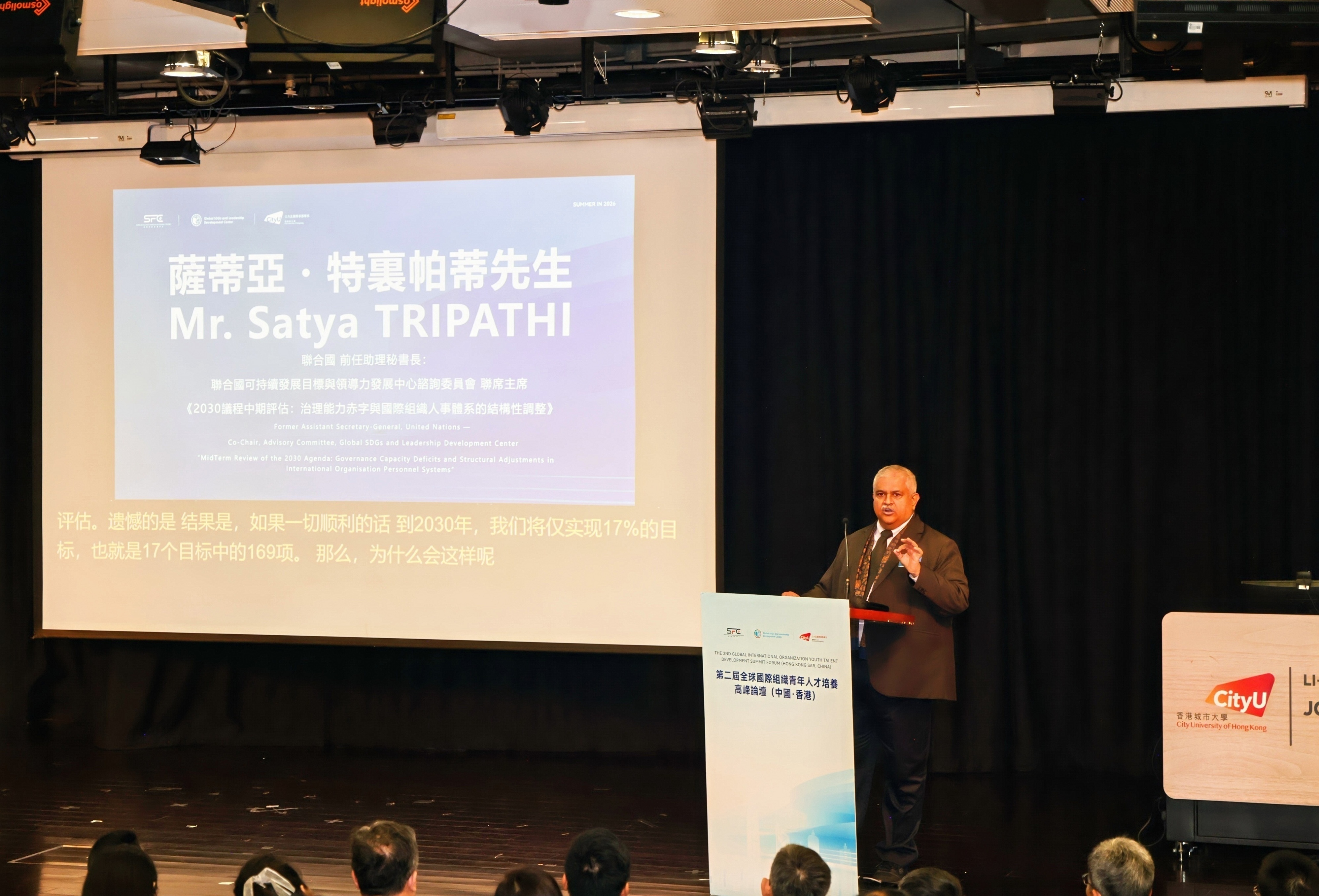
(Mr. Satya S. TRIPATHI, Former Assistant Secretary-General of United Nations)
【Beyond Education: From Children’s Rights to Intergenerational Equity — Institutional Design for the Protection of Vulnerable Groups in International Organisations】
Ms. Judy CHEN, JP, Chairman of Hong Kong Committee for UNICEF, delivered a keynote speech under the theme “Beyond Education”, stressing that education is far more than grades, qualifications, or reputation; it is a bridge between the classroom and the world, and a powerful force for change. Citing global data, she noted that 258 million children and young people worldwide are still out of school, while 617 million children, even when in classrooms, are unable to acquire basic literacy and numeracy skills. She urged participants to view education as both a right and a responsibility, and encouraged students and educators to apply what they have learned in everyday conversations, within communities, and in life practice, using knowledge to address real-world issues and speaking out on important topics.
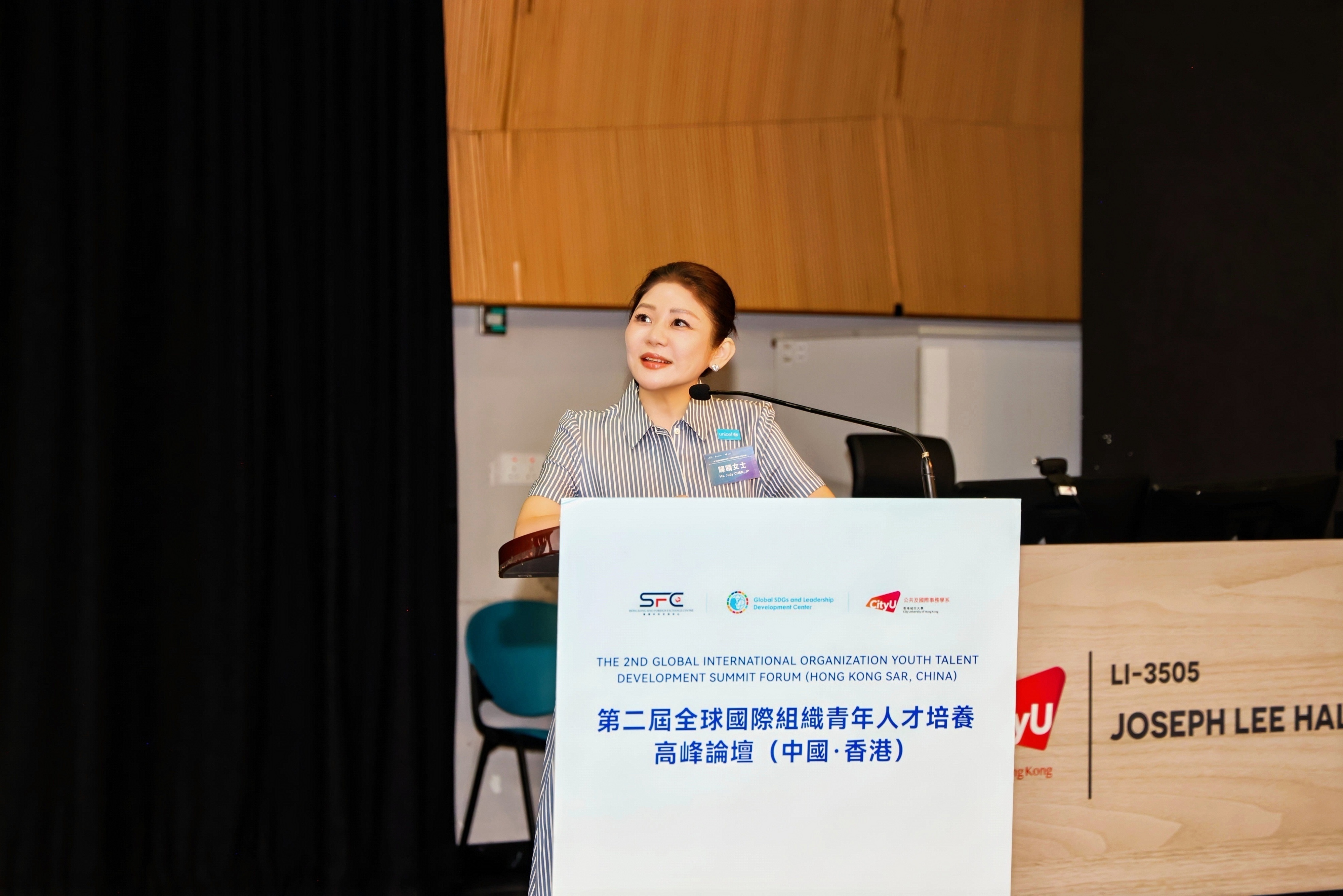
(Ms. Judy CHEN, JP, Chairman of Hong Kong Committee for UNICEF)
The Summit also held an expert closed-door roundtable meeting and two high-level thematic forums on “From Rule Takers to Rule Makers: Competency Transformation and Institutional Participation for International Legal Talent” and “China and Global Governance: Participants and Contributors within the Multilateral System”, where participants engaged in in-depth discussions.
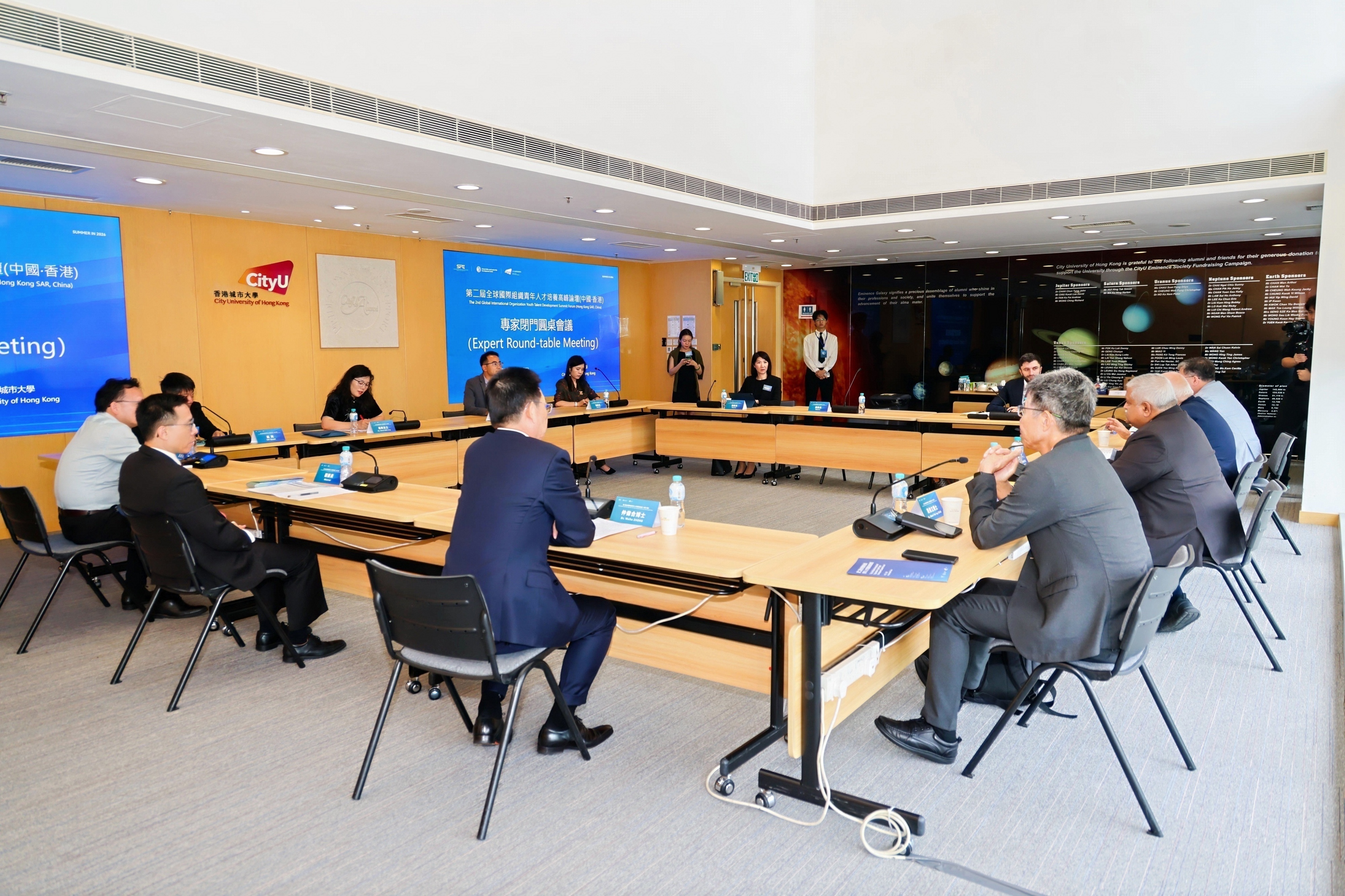
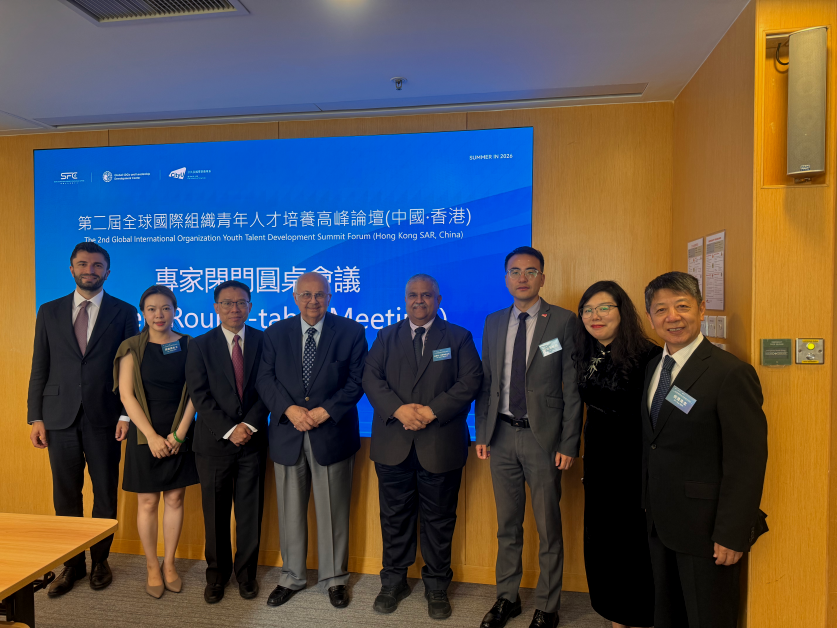
(Participants in the closed-door meeting included Dr. Ismail SERAGELDIN; Mr. Satya S. TRIPATHI; Professor Yike GUO; Dr. Albert CHAU, Vice-President (Teaching and Learning) of Hong Kong Baptist University; Professor Weihe ZHONG, Rector of Macau Millennium College; Professor Alfred Tat-Kei HO; Mr. Hao REN, Former Head of the Liaison Department of Red Cross Society of China; Mr. Rza ALIYEV, Secretary General of Nizami Ganjavi International Center; Professor Michael Jinghan ZENG; Ms. Grace GAO; Professor Hua HUANG, Assistant Rector of Macau Millennium College; Ms. Annie CHOW)
The first thematic forum, “From Rule Takers to Rule Makers: Competency Transformation and Institutional Participation for International Legal Talent”, was chaired by Professor Lu CHENG, Associate Professor of Sichuan International Studies University. The session brought together scholars and experts from The University of Hong Kong, CityUHK, Sichuan International Studies University, Jiangxi University of Finance and Economics, and the Global SDGs and Leadership Development Centre for in-depth discussion.
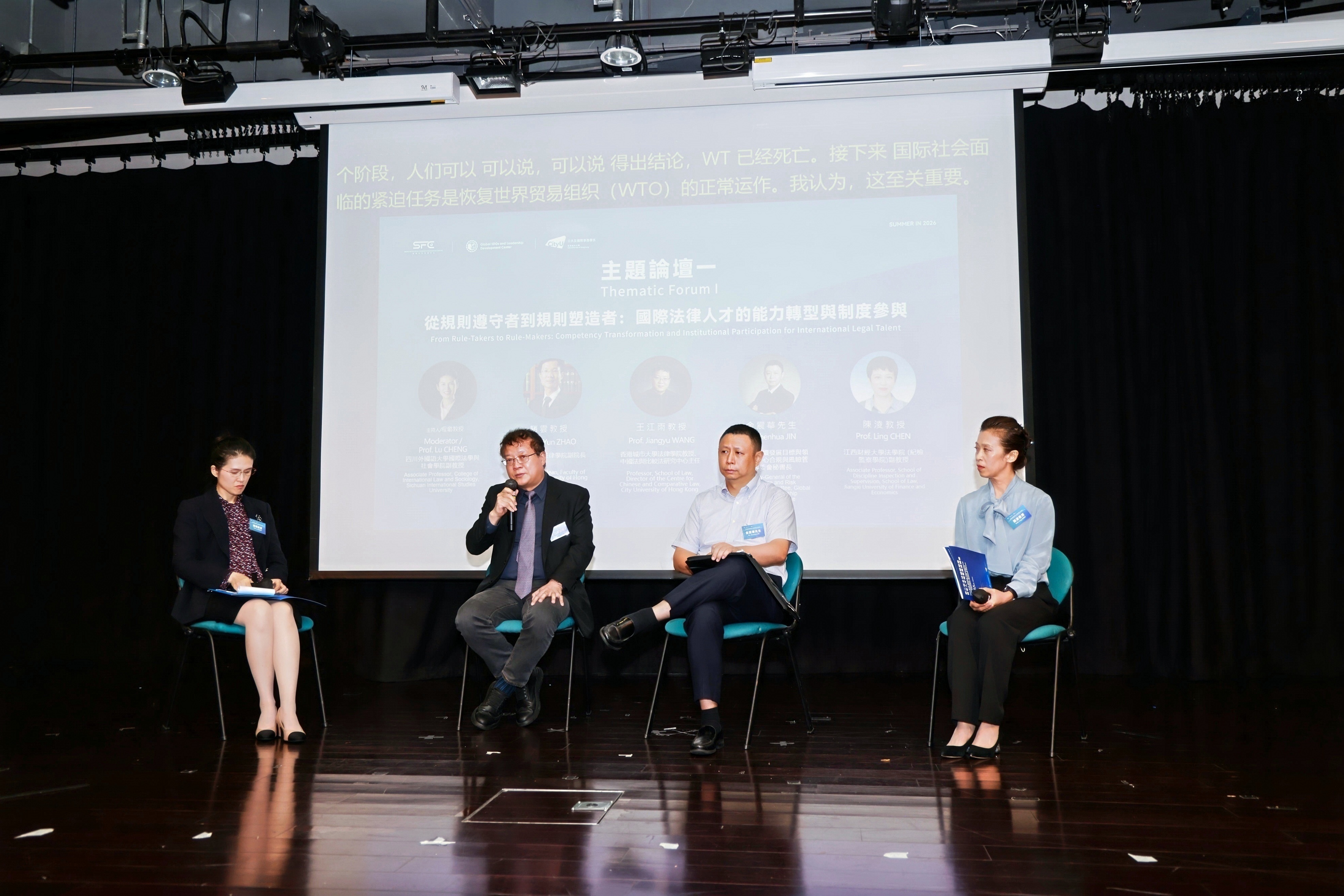
(From left to right: Professor Lu CHENG, Associate Professor of Sichuan International Studies University; Professor Jiangyu WANG, Professor of School of Law and Director of the Centre for Chinese and Comparative Law of CityUHK; Mr. Zhenhua JIN, Secretary-General of the Compliance and Risk Management Committee of Global SDGs and Leadership Development Centre; Professor Ling CHEN, Associate Professor of School of Discipline Inspection and Supervision and School of Law of Jiangxi University of Finance and Economics)
The second thematic forum, “China and Global Governance: Participants and Contributors within the Multilateral System”, was chaired by Professor Michael Jinghan ZENG, Head of Department of Public and International Affairs of CityUHK. Featuring scholars and experts from The University of Hong Kong, CityUHK, The Chinese University of Hong Kong, China University of Petroleum (East China), United Nations University, and Nizami Ganjavi International Center (NGIC), the session explored Hong Kong’s institutional advantages as a “testing ground” for the international governance agenda, the relationship between China and global governance, and the roles of participants and contributors within the multilateral system. The discussion was lively and drew keen attention from the audience.
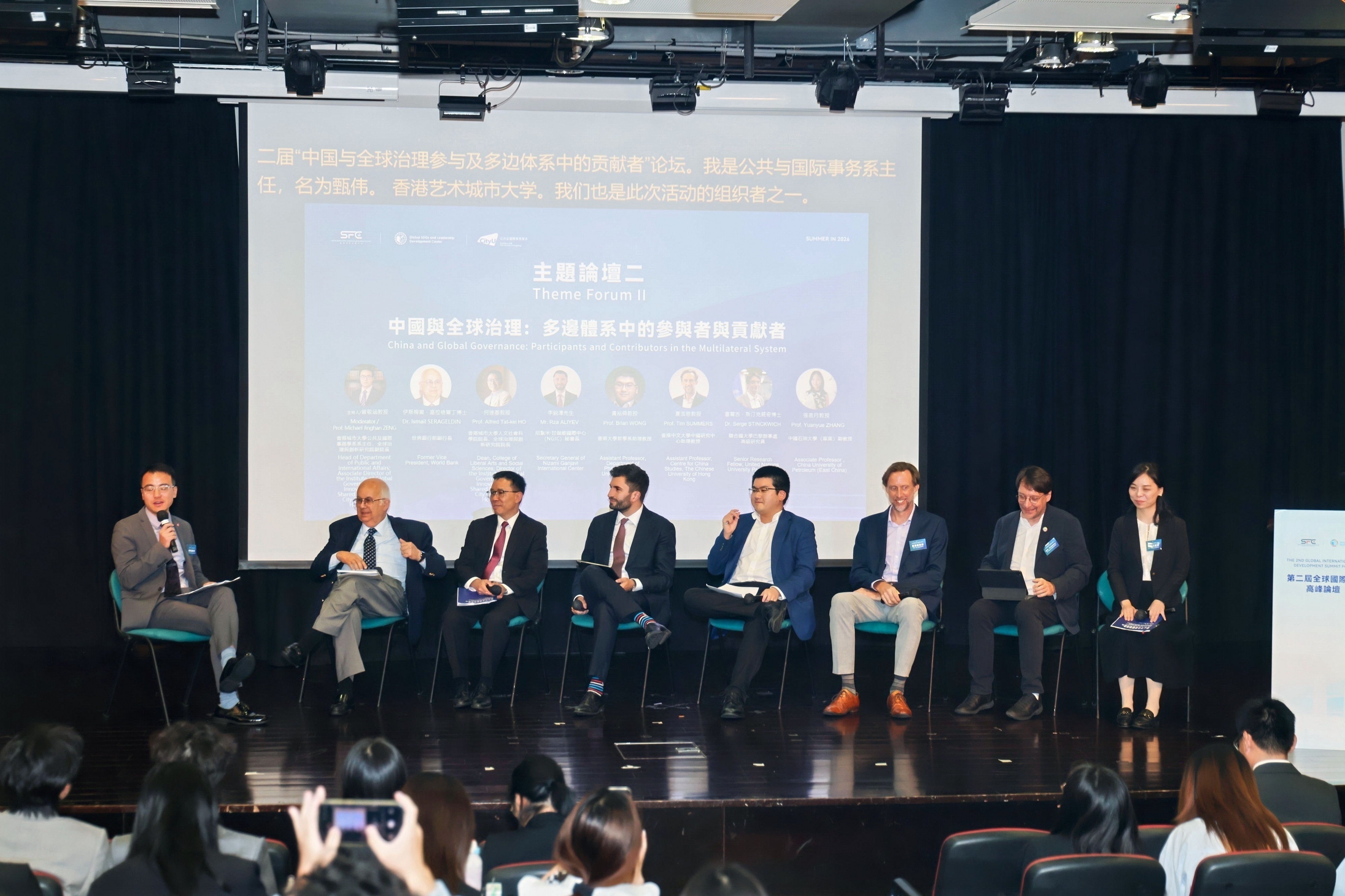
(From left to right: Professor Michael Jinghan ZENG; Dr. Ismail SERAGELDIN; Professor Alfred Tat-Kei HO; Mr. Rza ALIYEV; Professor Brian WONG, Assistant Professor of Department of Philosophy of The University of Hong Kong; Professor Tim SUMMERS, Assistant Professor of Centre for China Studies of The Chinese University of Hong Kong; Dr. Serge STINCKWICH, Senior Research Fellow of United Nations University Paris Office; Prof. Yuanyue ZHANG, Associate Professor of China University of Petroleum (East China))
The Summit was supported by the University of International Relations, China University of Petroleum (East China), Jiangxi University of Finance and Economics, Institute of Global Governance and Innovation of CityUHK, Macau Millennium College, and Hong Kong Quality and Talent Migrants Association. It also received extensive media coverage from Bauhinia, People’s Daily, Hong Kong Commercial Daily, Kin Liu HK, China Youth Daily, and other media outlets, reflecting the growing public interest in international organisation talent development in Hong Kong.
Looking ahead, the Global International Organization Youth Talent Development Summit Forum (Hong Kong SAR, China) will continue to serve as a flagship platform in Hong Kong for promoting youth talent development for international organisations. The Summit will further connect international organisations, universities in China and overseas, non-governmental organisations, social organisations, and government departments concerned with youth development in international affairs, providing Chinese youth with greater access to experts from the United Nations and other core international organisations. Together with scholars and UN departments, the Summit will continue to build a talent development and practice platform aligned with the global governance needs of the SDGs.
Organizational Structure of the 2nd Global International Organization Youth Talent Development Summit Forum (Hong Kong SAR, China)