

Innovating for Better Governance and Sustainable Development
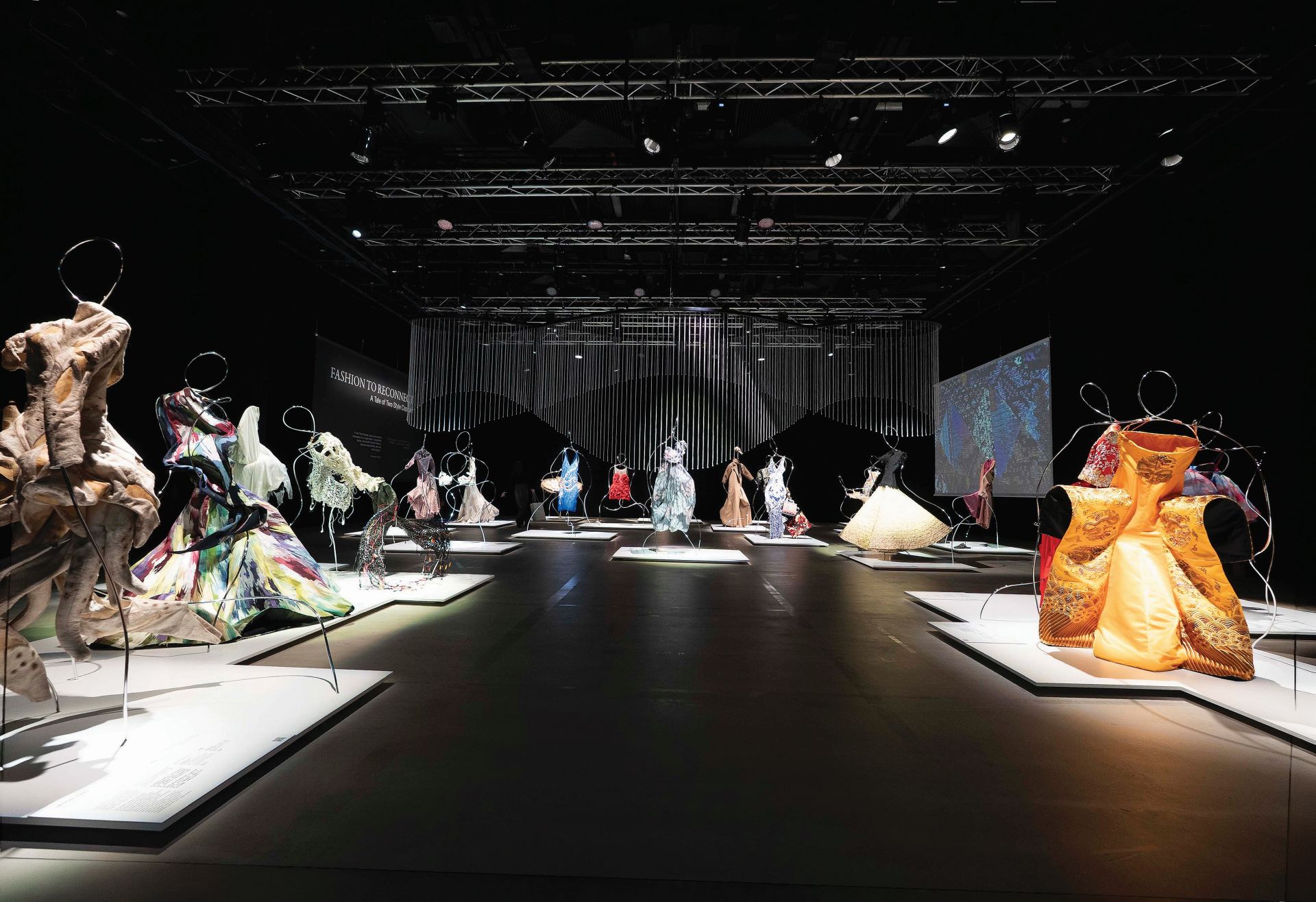
Fashion to Reconnect: A Tale of Two Style Capitals shows how cultural innovation—through fashion—can become a powerful driver of systemic change.
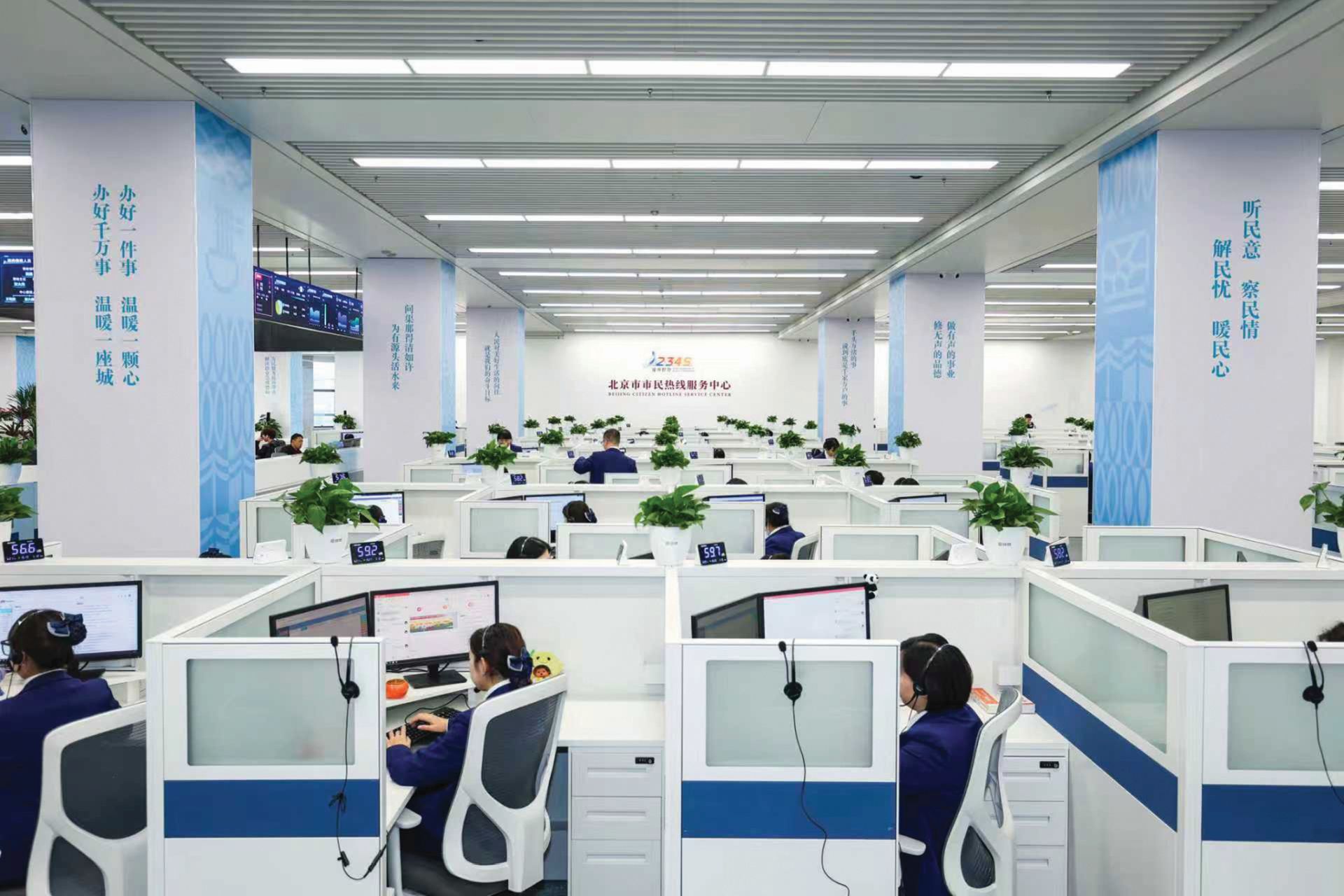
The idea for 12345 hotline is to create a single access point for everyday civic concerns.
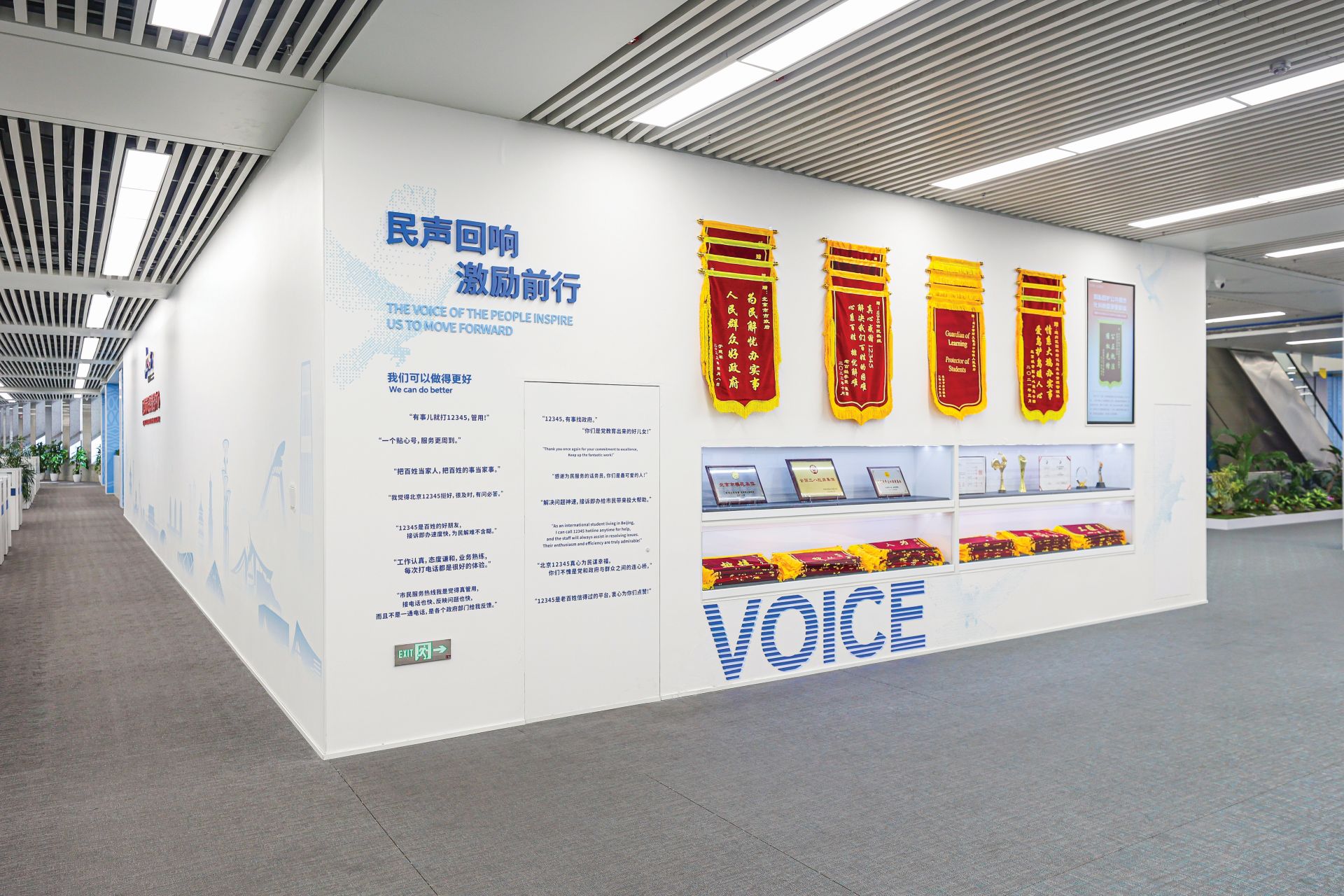
The 12345 hotline shows how public governance can foster coordinated, data-driven and citizen-centred innovation.
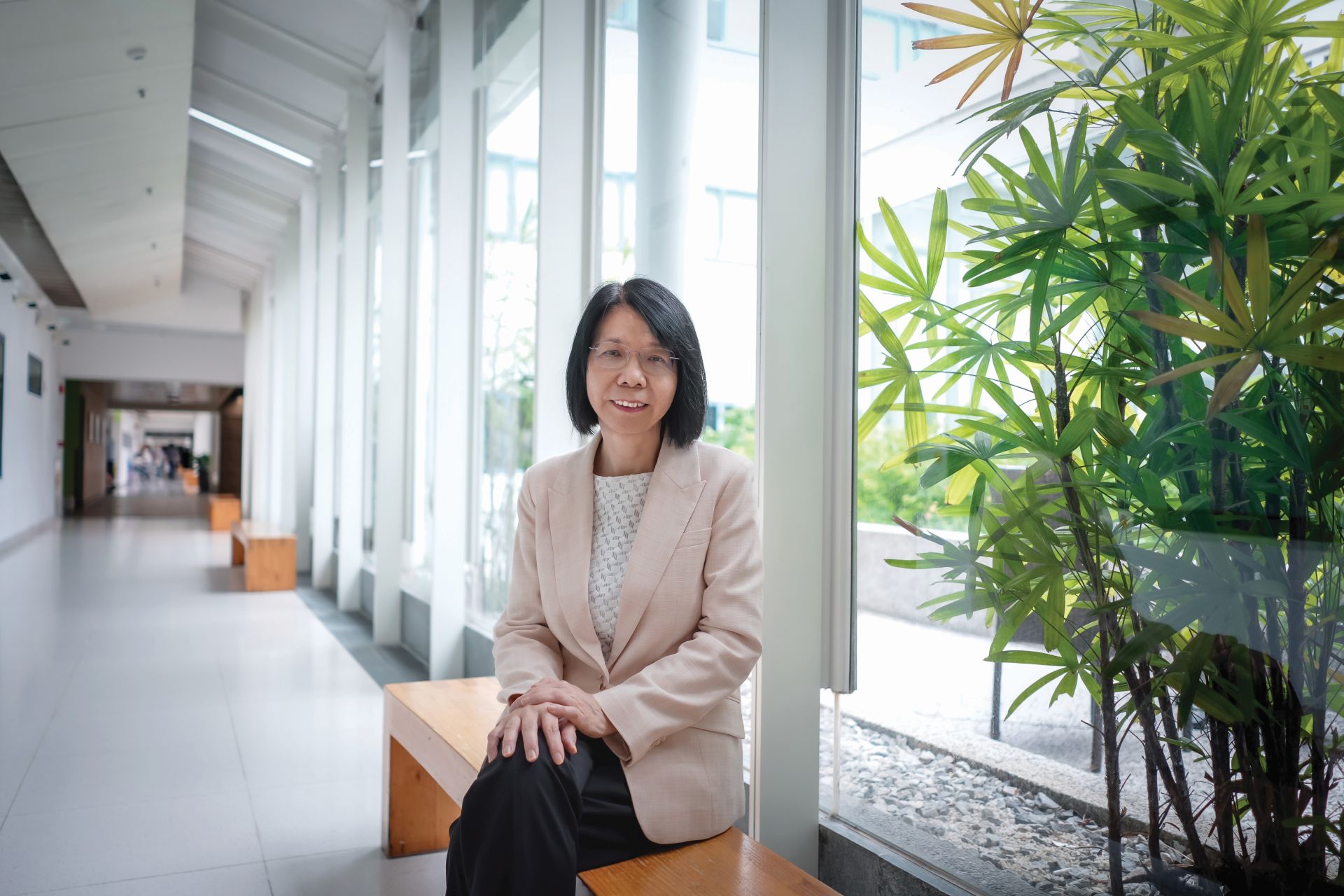
Professor Kwok is shifting the focus from using a deficit model to a strength-based one.
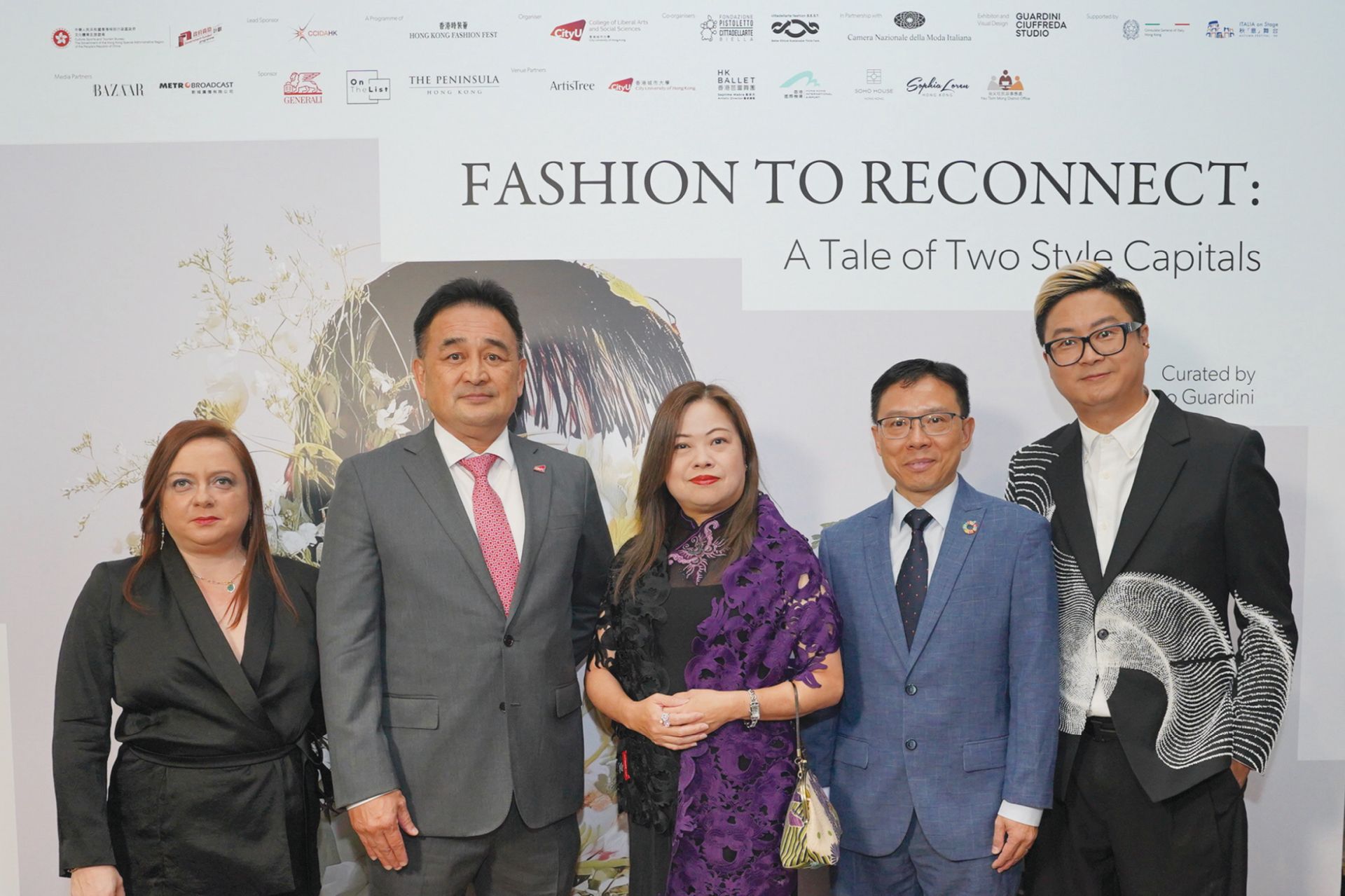
The opening ceremony for the Fashion To Reconnect exhibition at ArtisTree in Taikoo Place.
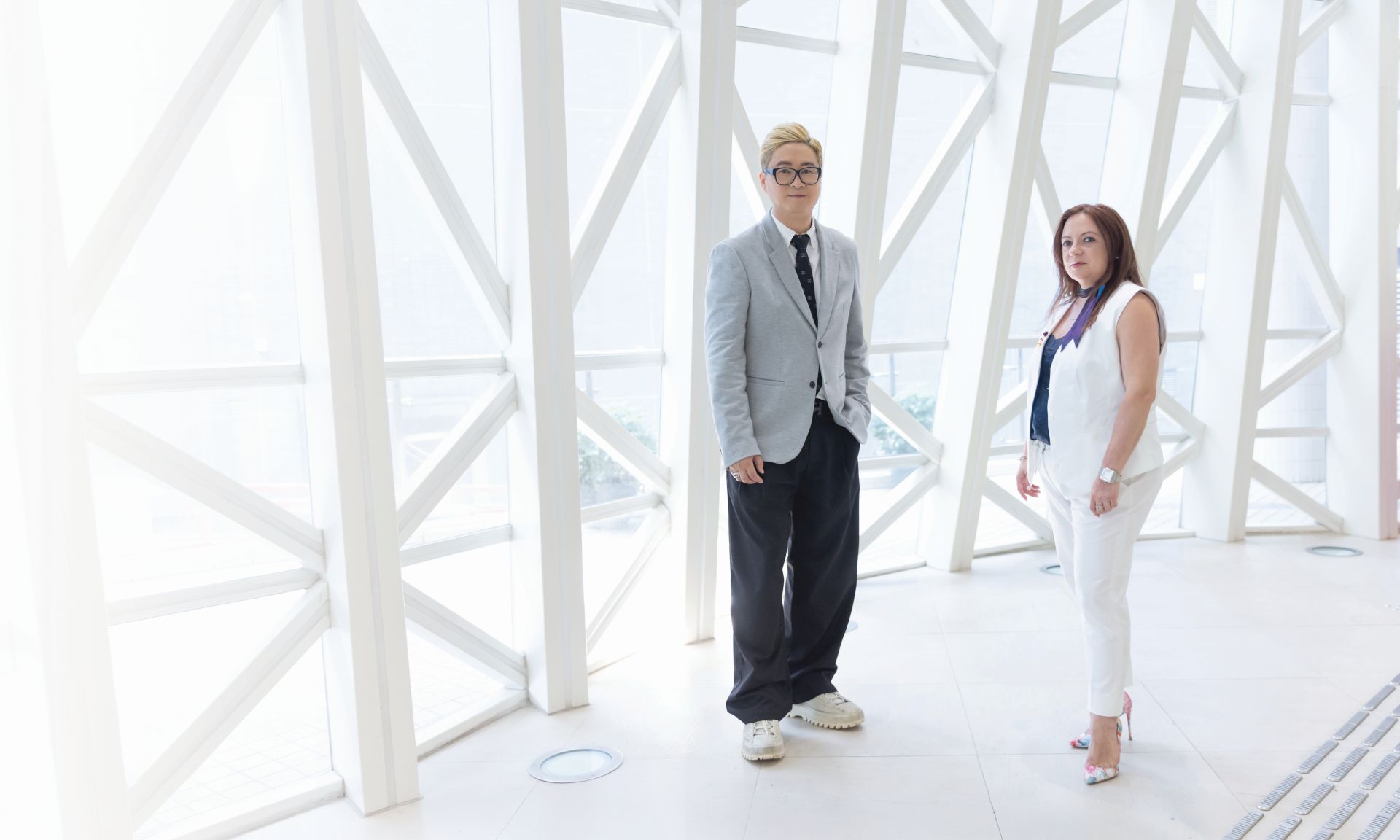
Professor Ho and Professor Nervino bring together designers from Hong Kong and Italy for their cultural initiatives.
As environmental and social challenges grow more complex, pioneering innovation for better governance and sustainable development requires more than policy ambition—it demands new forms of collaboration, accountability and knowledge creation. Solutions increasingly sit at the intersection of disciplines, sectors and communities, and universities play a pivotal role in this transformation. By convening scholars, industry partners and policymakers—and by encouraging cross-disciplinary study that bridges public sector, culture, technology and the humanities—they help translate ideas into practical, scalable models for change.
The three stories in this issue of CITY CLASS illustrate that dynamic in action. The first story on China’s 12345 Citizen Hotline explores how institutional innovation can reshape governance systems and improve public responsiveness. The second examines fashion’s sustainability transition, showing how design, materials science, supply chain management and consumer behavioural change must work together to reduce impact in one of the world’s most resource-intensive industries.
The third turns to Hong Kong’s mental health system, where Professor Sylvia Kwok’s work on schizophrenia care demonstrates how research-led psychological innovation, community-based practice and policy reform can converge to rethink recovery—shifting the focus from symptom management to citizenship, dignity and long-term well-being.
Together, these features underscore a central lesson: sustainable development is not the domain of any single discipline. It thrives where research, business, communities and education intersect and where universities serve as catalysts for integrated, cross-sector governance and human-centred change.
HOW CHINA’S 12345 HOTLINE IS REWIRING CITIZEN SERVICES
In cities around the world, the mechanics of local government often grind slowly: a pothole reported but not repaired, a noise complaint logged but unanswered, a maze of departments passing responsibility from one counter to another. Yet across China, a simple five-digit number—12345—is reshaping how governments respond to citizens and, increasingly, how they anticipate problems before they arise.
What began decades ago as a basic telephone hotline has evolved into one of the most citizen-centric and innovative public sector projects in urban governance. For Professor Alfred Tat-Kei HO, Dean of the College of Liberal Arts and Social Sciences (CLASS) at City University of Hong Kong (CityUHK), the system represents something rare: a smart-city vision that has moved from rhetoric to reality.
“The dream, the vision was there. Everybody talked about that globally,” says Ho. “Citizen service should be easy, should be convenient, should be accountable, should be participatory, should be transparent. But who has been able to implement that vision and really carry it out effectively? Not many cities in the world, and yet Chinese cities are now leading the way.”
The challenge for Hong Kong is to build a system that is unique, grounded in the Hong Kong context
Professor Alfred Ho
From Fragmentation to One-stop Governance
The intellectual roots of 12345 hotline lie in earlier reforms abroad. The US led the early stage of e-government reform in the world. Also, emergency hotlines such as 911 were eventually complemented by 311 call and web-based systems for non-emergency complaints such as barking dogs and garbage collection. The idea was to create a single access point for everyday civic concerns.
Ho himself wrote in 2002 about the possibility of “one-stop shopping” for city services, envisioning an integrated platform where citizens could file complaints online and departments would coordinate behind the scenes. The promise was greater responsiveness and accountability.
But implementation proved difficult. Governments needed technical capacity to standardise complaints, route them accurately, track progress and close cases. They also needed political will and cross-departmental cooperation. Without that, complaints languished, citizens grew frustrated and agencies retreated into silos. “It is a good vision, but it’s not easy to implement,” Ho notes. Governments require “a lot of capacity … a lot of IT investment … cross-departmental coordination”.
Building the Infrastructure for Responsiveness
China’s 12345 system, first launched in Shenyang more than 40 years ago, was transformed roughly 15 years ago through e-government reforms. Today it operates as a multi-channel platform: citizens can call, use smartphone apps, submit requests via websites, or visit civic centres in person.
Behind the scenes, complaints are converted into standardised digital work orders and routed automatically to the relevant department. Response times are monitored, often with expectations of resolution within 48 hours. In many cities, officials call or email residents to confirm that issues have been resolved.
The scale is formidable. In Beijing alone, the system handles more than 25 million calls annually. At the city’s civic centre, a room-sized dashboard displays real-time data: number of incoming calls, categories of complaints, geographic hotspots. The information is visible to policymakers, managers, frontline workers and community stakeholders.
“With that kind of data, you can track the issues and allocate internal resources to address those problems more effectively,” says Ho.
This is not simply a customer service improvement. It is an administrative redesign that integrates citizen input directly into the machinery of government.
From Reactive to Predictive Governance
The latest evolution of 12345 hotline pushes the model beyond reactive complaint handling toward predictive governance. Cities are combining hotline data with other datasets—including traffic flows from ride-hailing platforms—to identify patterns before they become crises.
For example, if congestion on a particular street steadily worsens at rush hour, planners can consider expanding the road or building parking nearby. “Through analytics, you not only address issues proactively, but even prevent those issues,” says Ho.
Some cities have extended monitoring to publicly available social media posts. In one widely reported case, an elderly resident posted online about a dangerous pavement in her neighbourhood. Officials detected the post, contacted her directly and dispatched a repair team the same day. “They don’t even need to wait for citizens to pick up a phone to complain,” Ho says.
A Cultural Shift in Public Service
Aside from technology, Ho emphasises a parallel cultural shift—moving away from narrow departmental mandates toward collaborative problem-solving.
In one Beijing case, an elderly woman living in a fifth-floor walk-up requested help installing an elevator. Since it is technically not a standard government responsibility, instead of rejecting the request, hotline staff and district officials spent nearly a year mediating among apartment owners. The elevator was eventually installed.
“The 12345 system essentially says: ‘You know what? I notice you have a problem. Let me see how we can rally different people to help you solve that problem’,” Ho explains.
This cross-sectoral approach brings together government departments, neighbourhood associations, private actors and residents themselves. It requires an elaborate IT backbone and a mindset change.
“It’s a cultural shift to: we are here to help,” Ho says.
Implications Beyond Mainland China
The implications extend beyond the mainland. In Hong Kong, the 1823 hotline functions largely as a referral system, with fragmented authority across departments. Ho argues that while Hong Kong’s “small government” model differs from mainland cities, it could develop its own version of integrated service delivery by leveraging NGOs and community organisations more systematically.
“The challenge for Hong Kong is to build a system that is unique, grounded in the Hong Kong context,” he says, emphasising cross-sector partnerships.
As cities worldwide confront aging populations, infrastructure strain and climate pressures, the lesson of 12345 hotline is not merely technological. It is institutional. By integrating citizen voices into data systems, aligning departments under shared accountability, and shifting from reactive fixes to predictive planning, governments can transform complaints into a feedback engine for continuous improvement.
In that sense, 12345 is more than a hotline. It is a blueprint for how public governance can evolve from bureaucratic fragmentation toward coordinated, data-driven and citizen-centred innovation.
FROM PATIENTS TO CITIZENS: RETHINKING SCHIZOPHRENIA CARE IN HONG KONG
In Hong Kong, around 40,000 people live with schizophrenia. Many move through a system designed to stabilise symptoms—reduce hallucinations, manage medication, shorten hospital stays. But once the symptoms are controlled, a more difficult question lingers: what kind of life are people returning to?
For Professor Sylvia KWOK from the Department of Social and Behavioural Sciences (SS) at City University of Hong Kong (CityUHK), that question exposes a deeper structural issue. “Our present psychiatric service has an existential vacuum,” she says. “For a holistic recovery, they need to build up their hope, their identity, and they also need to have life goals.”
Yet the system, she notes, continues to define success narrowly. “In the past, they only used bed occupancy or reduction of symptoms.”
Over the past decade, Kwok has been working inside Hong Kong’s halfway houses to examine a different approach—one that shifts the focus from illness to human potential. What has emerged is not just a therapeutic model, but a rethinking of how mental health systems can be governed.
At the core of her critique is the dominance of what Kwok calls a deficit model. “Usually they focus on what is wrong,” she explains. “They just focus on the patient having things like hallucinations, social withdrawal, cognitive deficits, and they just focus on how to decrease these symptoms.” This way of thinking shapes everything from frontline care to policy priorities, basically narrowing the system’s responsibility to stabilising illness before discharge.
Her alternative begins with a simple but powerful shift in perspective. “My focus is to shift to a strength-based model—what the patient has—and to build up the person’s internal resources,” she says. “Everyone has their unique character strengths … their capacity for gratitude, for forgiveness … their capacity for resilience.” In this model, recovery is not defined solely by what disappears, but by what is cultivated.
This philosophy comes to life inside halfway houses, where residents spend one to two years rebuilding routines and preparing for community living. Each resident follows a rehabilitation plan co-designed with social workers, continues medical treatment, and often works during the daytime.
By introducing strength-based positive psychotherapy alongside meaning-centred therapy, Kwok has helped transform these settings into what she describes as “a micro community for them to build their social capital”. Here, residents do more than comply with treatment. They learn to live with others, practise empathy, and gradually rebuild confidence and agency in a shared environment.
Everyone has their unique character strengths … their capacity for gratitude, for forgiveness … their capacity for resilience
Professor Sylvia Kwok
“In the past, there was mainly medical treatment, but limited psychological treatment, so patients usually felt uninspired and the relapse rate was high,” she says.
These spaces also serve another purpose. With stable housing and consistent medication in place, halfway houses allow Kwok’s team to observe more clearly the effects of psychological and social interventions.
Over 10 years, the programme has expanded to all halfway houses in Hong Kong, reaching more than 300 people. The outcomes, she notes, are encouraging, with improvements in recovery and well-being that persist even months after the programme ends.
A defining feature is the programme’s focus on meaning-making. Schizophrenia, Kwok explains, often disrupts a person’s sense of self. “Usually there is a shattering of the self,” she says. Rebuilding that sense of self requires individuals to reframe their previous experiences and unlock their potentials.
Through guided exercises, participants are encouraged to accept difficult experiences and recognise their capacity for change. Over time, this process reshapes how they see their condition. Symptoms may persist, but they no longer define the person. “They can find meaning in their struggle and gradually transform negative life experiences into positive energy or a coherent narrative of growth,” Kwok explains.
These individual transformations point to a broader question about governance. What should mental health systems be accountable for? If success is measured only by symptom reduction, then recovery remains incomplete. Kwok argues that systems must expand their metrics and add measures such as well-being and quality of life alongside the usual clinical indicators.
She also sees a clear role for scaling effective practices. Strength-based programmes, she suggests, should be embedded into daily routines in halfway houses and extended to Integrated Community Centres for Mental Wellness.
At the same time, professionals need to be trained in these approaches, and public perceptions must shift. “In Hong Kong, they usually have a stereotype,” she notes, alluding to the persistence of social stigma.
Employment is another area where change is needed. “Nowadays the government also has sheltered workshops,” Kwok says, “but they only do very tedious work like packaging.” She argues that this overlooks people’s potential, pointing out that some may be good at things like drawing, writing, acting or playing sports, and a more effective system would focus on “different career placement … so that they can utilise their strengths”.
Ultimately, Kwok’s work calls for a fundamental shift in how people with mental health conditions are understood, and recommends that, “We shift them from the patient identity to a citizen identity.”
It is a subtle change in language, but a profound change in thinking. While one frames individuals in terms of deficits and dependency; the other recognises capacity, agency and belonging. “This is where we need to go—from a deficit model to a strength-based model,” says Kwok.
HOW CULTURAL INNOVATION IS SHAPING BETTER GOVERNANCE AND SUSTAINABLE DEVELOPMENT
When policymakers talk about sustainable development and better governance, the conversation usually centres on regulation, compliance and economic reform. Rarely does it begin with a runway. Yet in late 2025, Fashion to Reconnect: A Tale of Two Style Capitals showed how cultural innovation—through fashion—can become a powerful driver of systemic change.
Organised by the College of Liberal Arts and Social Sciences (CLASS) at City University of Hong Kong (CityUHK), in partnership with Fondazione Pistoletto Cittadellarte and Camera Nazionale della Moda Italiana, funded by the Cultural and Creative Industries Development Agency of the Hong Kong SAR and supported by the Consulate General of Italy in Hong Kong, the initiative brought together 9 Hong Kong designers and 16 Italian designers. The cross-cultural exhibition drew inspiration from Michelangelo Pistoletto’s Third Paradise.
I think the most beautiful thing that happened is that we were able to activate the whole city
Professor Esterina Nervino
But beyond the garments and installations, the project functioned as a living laboratory for governance and sustainability—pairing symbolic expression with measurable impact.
“At first it may look like it’s simply a fashion event,” says Professor Esterina NERVINO, Associate Professor at the Department of English (EN) at CityUHK and Project Coordinator. “Actually, it combines fashion, sustainability and art … and was designed to promote sustainability on a large scale, because fashion is part of everybody’s life.”
That universality is key. Fashion touches individuals across all demographics, making it a natural entry point into broader conversations about consumption, responsibility and community. For Nervino, however, cultural innovation must go beyond inspiration—it must also be measurable.
Measuring What Matters
Unlike many cultural initiatives, Fashion to Reconnect embedded accountability at its core. The team developed an impact index to evaluate cultural events across five levels: individual, community, city, institution and economic development. Fashion to Reconnect was the first event to be assessed through the index.
“These five layers are essential to understanding the return on investment when running these kinds of events,” Nervino explains. More than 1,700 participants were surveyed to assess shifts in sustainability awareness and perceptions of Hong Kong’s creative identity. The findings will be published in an upcoming publication and the methodology in a white paper that will be made available to the public.
“I think the ability to measure impact is crucial,” Nervino says. “How do we know it’s working?”
In an era of heightened scrutiny around ESG claims and public spending, frameworks like this elevate cultural initiatives into the realm of governance infrastructure. “It’s not marketing,” she adds. “It’s communication so others can adopt and build on it.”
Equally important, cultural innovation must be tangible and visible. Professor Dorian HO, Adjunct Professor at the Department of Media and Communication (COM) at CityUHK, project consultant and exhibiting designer, emphasises this point:
“Fashion is one of the most direct ways to communicate values,” he says. “People may not read a policy paper, but they understand what they wear.”
The sustainability philosophy was reflected throughout the event: minimal printed materials, no plastic bottles at receptions, and active student involvement across departments. Secondary school students recreated the Third Paradise symbol in a flash mob linked to the Sustainable Development Goals—turning spectators into participants.
“I think the most beautiful thing that happened is that we were able to activate the whole city,” Nervino recalls.
Ho agrees that activation is absolutely critical: “Sustainability cannot stay on the runway. It has to enter daily life. Otherwise, it remains just a concept.”
Rewriting Power Through Design
If Nervino brings measurement to cultural innovation, Ho brings narrative power. His centrepiece, Dragon Glow, reimagines a vintage imperial dragon robe—once the exclusive reserve of emperors—as a contemporary evening gown.
“In the past, only the emperor could wear this,” Ho explains. “People see it as very masculine. Then suddenly, it becomes something feminine, while preserving the original embroidery and golden dragon.”
The transformation is aesthetic, cultural and political. Historically, wearing imperial dragon motifs without permission could result in punishment. By reinterpreting the robe as modern couture, Ho symbolically redistributes power.
“Fashion allows us to respect tradition while also questioning hierarchy,” he says.
The piece is also an act of upcycling, extending the life of an existing garment rather than creating something new. Yet Ho is pragmatic about its limitations. “Upcycling is not always practical,” he admits. “It works at a small scale, but it’s difficult to apply in mass production.”
Instead, he sees sustainability as requiring systemic innovation. “There’s a lot of work being done in developing new materials such as bamboo, coffee-based textiles, recycled plastics,” he says. “Designers, manufacturers, and policymakers need to collaborate.”
For Ho, sustainability also includes preserving craftsmanship. “I deeply admire embroidery,” he explains. “Many younger designers no longer learn these techniques. Through my work, I want to encourage appreciation for this art.”
Here, sustainability extends beyond the environment to include cultural continuity—preserving knowledge, skills and identity across generations.
Redefining Luxury and Responsibility
Both professors argue that sustainability is reshaping the very meaning of luxury today.
“Luxury is a concept that evolves with time and context,” Nervino observes. “In the past, it was centred on product and brand. Today, it is increasingly centred on people.”
Ho sees this shift reflected in consumer behaviour. “A garment is no longer just something to consume,” he adds. “It becomes a precious object—something that can be inherited. Sustainability itself has become a new form of exclusivity.”
In this framing, true luxury is no longer defined by excess, but by responsibility.
An Ecosystem of Giving Back
At its core, Fashion to Reconnect demonstrates how cultural innovation can strengthen governance when it operates as an ecosystem. “I think ‘ecosystem’ is the right word,” agrees Nervino. “It’s not enough to create a sustainable design if the overall experience isn’t sustainable.”
From student engagement to public installations, the project blurred boundaries between academia, industry, government and the wider community.
For Ho, the vision is both artistic and civic. “Fashion should be an elegant bridge—connecting past and future, tradition and innovation, humanity and nature,” he says.
The exhibition ultimately suggests that governance and policy do not always have to be technical or bureaucratic. Sometimes, they can be cultural, stitched together through creativity, accountability and shared responsibility.
Fashion should be an elegant bridge—connecting past and future, tradition and innovation, humanity and nature
Professor Dorian Ho
A SHARED INTENT TO DIRECT KNOWLEDGE, ENTERPRISE AND INNOVATION TOWARDS THE GOOD OF THE PUBLIC
The various initiatives led by the University show how governance systems can be redesigned to become more transparent, responsive and citizen-centred—strengthening trust between institutions and the communities they serve.
Whether it’s in fashion or social services efforts, cross-sector collaboration between public sector leaders, entrepreneurs, local residents and university researchers illustrates how social and cultural innovation can enhance people’s lives and contribute to livelihoods.
These examples also affirm the role of CityUHK and our partners as contributors, not just commentators. Through interdisciplinary research, practical engagement and collaboration across sectors, we can help shape solutions that extend beyond campus boundaries.
Giving back to the community is not a peripheral activity; it is embedded in the way we teach, research and innovate. These initiatives remind us that sustainable development begins with responsibility—and flourishes through collective actions.
Across these three example initiatives in 2025-2026, a shared message emerges: innovation is most powerful when it is rooted in people-centred service. Whether through institutional reform, industry transformation or cultural innovation, each story demonstrates that knowledge and enterprise can be directed towards the public good.