

University Media and Events

City University of Hong Kong (CityUHK) attaches great importance to supporting the well-being of students. Apart from providing various cultural exchange activities and opportunities off campus, the Chow Yei Ching School of Graduate Studies (SGS) launched the Home Hospitality Programme (HHP) this year fostering cultural connections for non-local postgraduate students. On 7 September, CityUHK senior management, host families and postgraduate students came together at the first Greet-and-Meet Lunch Gathering.
The HPP will last for 10 months, from September to next June. The programme attracted over 1,200 new postgraduate students and more than 180 host families, including CityUHK staff, alumni and church members. During the period, host families and students will meet at least twice per semester and engage in regular communication and interaction.

Professor Freddy Boey, CityUHK President, expressed gratitude to the host families for showing the students what the Hong Kong lifestyle is like beyond the campus. “The best way to learn about Hong Kong society is by connecting with a local family,” he said. “This programme links non-local students with local residents to learn about life in Hong Kong as the locals live it.”
President Boey encouraged the students to excel in their studies, become more globally minded, cultivate a curiosity about diverse aspects of life beyond their academic pursuits, and enjoy the inspirational, interactive and innovative education at CityUHK.
Professor Sylvia Kwok Lai Yuk-ching, Associate Dean of the SGS, expressed overwhelming delight at the response to the HHP, adding that the programme offers students an immersive, multidimensional experience that encompasses social, cultural and linguistic aspects of life in Hong Kong.
The HPP has three main goals: to facilitate wider exposure of non-local students to local communities and enhance their understanding of Hong Kong; to make it easier for non-local students to adjust to living in Hong Kong; and to enhance cross-cultural interaction and integration among non-local and local participants to promote the well-being of non-local students.
CityUHK also encouraged the HPP participants to collaboratively plan and join activities of mutual interest, such as shared meals, hiking, community service and sports, to foster meaningful relationships and support one another.


CityUHK collaborates with The WEMP Foundation to promote positive education

City University of Hong Kong’s (CityUHK) Positive Education Laboratory joined hands with The WEMP Foundation (WEMP) to hold the Launch Ceremony and Symposium for the Positive Education and Mental Health Promotion Ambassador Programme on 29 June, with the aim of promoting positive education among teachers and parents through various courses and activities between 2024 and 2026 to further enhance student well-being and mental health.

Speaking at the ceremony, Mr Lester Garson Huang, CityUHK Council Chairman, said that he was delighted to witness the collaboration between CityUHK and WEMP to promote positive education. He believed that with the research and practical experience of the Positive Education Laboratory, as well as the multi-disciplinary experts gathered by WEMP, they can promote a positive culture on campus and in the community, creating a better environment for the next generation.

Mrs Jennifer Yu Cheng, Director of The WEMP Foundation, said: "Sustainable social development depends on the mental well-being of the younger generation. WEMP is committed to collaborating with parents and schools to nurture children’s positive thinking." She also expressed her hope that collaborating with CityUHK will help children tap into their talents and contribute to a happy, healthy future society.
Dr the Honourable Ko Wing-man, GBS, JP, Member of the Executive Council of the HKSAR said that the Education Bureau is committed to implementing “Positive Education” and “Enhancing Campus Well-being” though a multi-pronged approach to support student growth by optimising in-school education, strengthening home-school co-operation, inspiring students’ positive thinking and promoting their mental health. He also encouraged cooperation among government, business and the community to further enhance community support and social worker training, ultimately creating greater value for society.
During his speech, Professor Lee Chun-sing, CityUHK Provost and Deputy President, said that he was grateful for the collaboration between CityUHK and WEMP to support positive education programmes. He added that the Positive Education Laboratory has promoted a positive culture in Hong Kong for over a decade and that it not only nurtures CityUHK students, but also contributes its research findings and practical experience to foster a better growth experience for students in primary schools, secondary schools and other universities.


CityUHK’s Positive Education Laboratory has been dedicated to promoting mental health and positive education for many years. Collaborating with over 400 primary and secondary schools over the years, it has offered diverse courses and activities for teachers, parents and students. To strengthen positive emotions and promote mental well-being in students, the upcoming two-year programme will be fully funded by WEMP, providing free 20-hour certificate courses and related activities.
Also at the symposium, Professor Sylvia Kwok Lai Yuk-ching, from the Department of Social and Behavioural Sciences, shared the results of a mental health survey conducted among 4,002 local primary and secondary school students, teachers and parents.
In terms of students’ mental health, nearly one-third of primary students perceived themselves as having a moderate to high level of depression (27.4%), anxiety (21.6%) and stress (29.2%). Additionally, 40.6% of primary students reported moderate or high levels of fear related to the pandemic, reflecting the highest levels of depression, anxiety and stress during 2020-21 over the past three years. As for secondary students, although more than 82.7% of the respondents believe they possess moderate or high resilience, they also experience moderate to severe levels of depression (46.4%), anxiety (38.3%) and stress (52.1%).
Regarding parents’ mental health, secondary student's parents exhibit higher levels of depression, anxiety and stress than primary students' parents. Only about 12.6% of primary students' parents experience moderate or high levels of depression, and 7.1% report anxiety symptoms. In contrast, over 36.3% and over 15.5% of secondary student's parents experience moderate or high levels of depression and anxiety, respectively. During the COVID-19 pandemic, over 75.3% of primary students' parents faced moderate or high stress levels related to parenting.

Regarding teachers’ mental health, more than 24.1% of primary school teachers and 21% of secondary school teachers had scores indicating moderate or high negative emotions. Over the past three years, primary school teachers experienced an increase in negative emotions, with significant declines in job satisfaction and satisfaction with school management. Among primary school teachers, over 16.1% reported facing moderate or high stress levels during the pandemic.
Professor Kwok said that the survey found that the overall well-being, depression, anxiety and stress of students can be predicted by parents’ negative emotions, physical condition and stress. If the relationship between parents and students deteriorates, along with their physical condition, it may exacerbate negative emotions in students.
She added that the programme effectively helps students, parents and teachers face challenges from studies, life and work with a positive mindset. Learning various emotional coping strategies and leveraging character strengths enhances learning motivation and resilience while reducing the occurrence of negative emotions. “The mental health of parents and teachers is closely related to the psychological well-being of children,” she said. “We recommend that schools adopt the whole-school positive education approach to enhance the mental health of parents and teachers. Therefore, CityUHK and WEMP are collaborating to provide free Positive Education and Mental Health training courses for teachers and parents to promote positive education and improve the mental health of parents and teachers.”

Congratulations to Dr. Sylvia Kwok
Recipient of the University Grants Committee Team Teaching Award 2021
CityU SS Newsletter - Issue 32: https://ssweb.cityu.edu.hk/files/Issue32.pdf

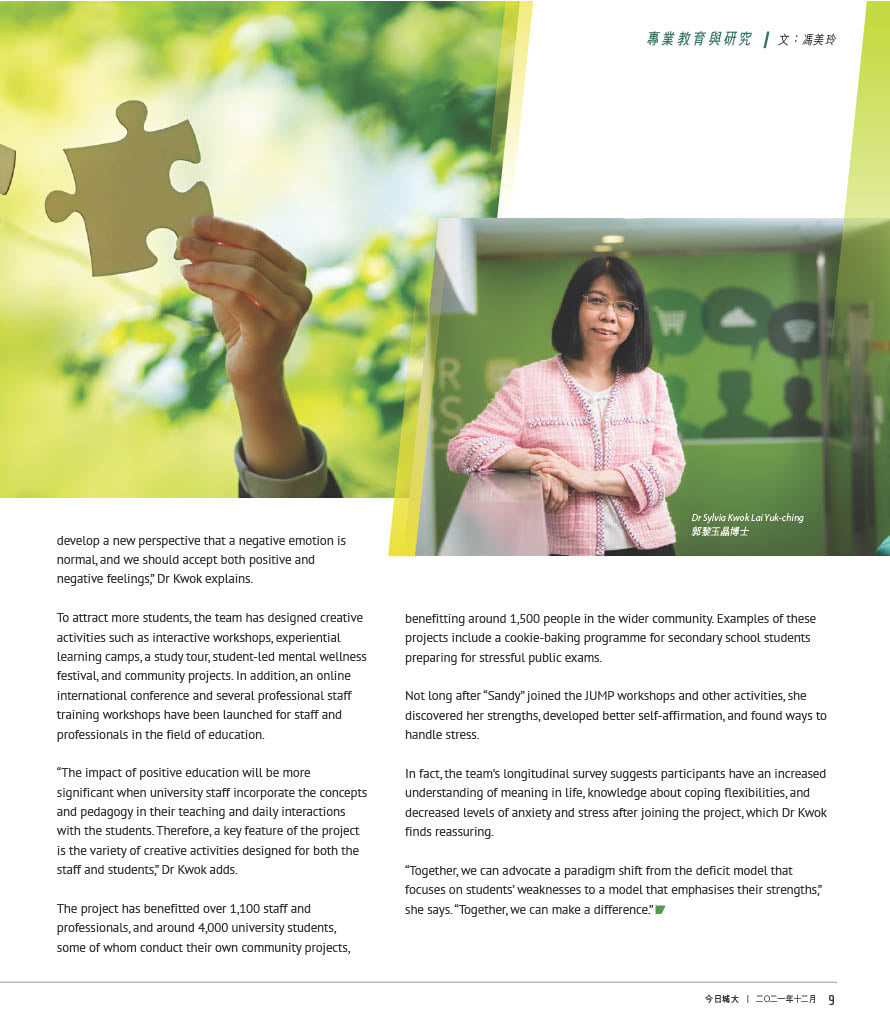
The meaning of life is to give life meaning
CityU Today Dec2021 https://www.cityu.edu.hk/cityutoday/en/ct-69/meaning-life-give-life-meaning
CityU educator receives UGC teaching award for promoting positive education
Class Pulse Sep2021(2021年9月28日): https://www.cityu.edu.hk/media/news/2021/09/28/cityu-educator-receives-ugc-teaching-award-promoting-positive-education
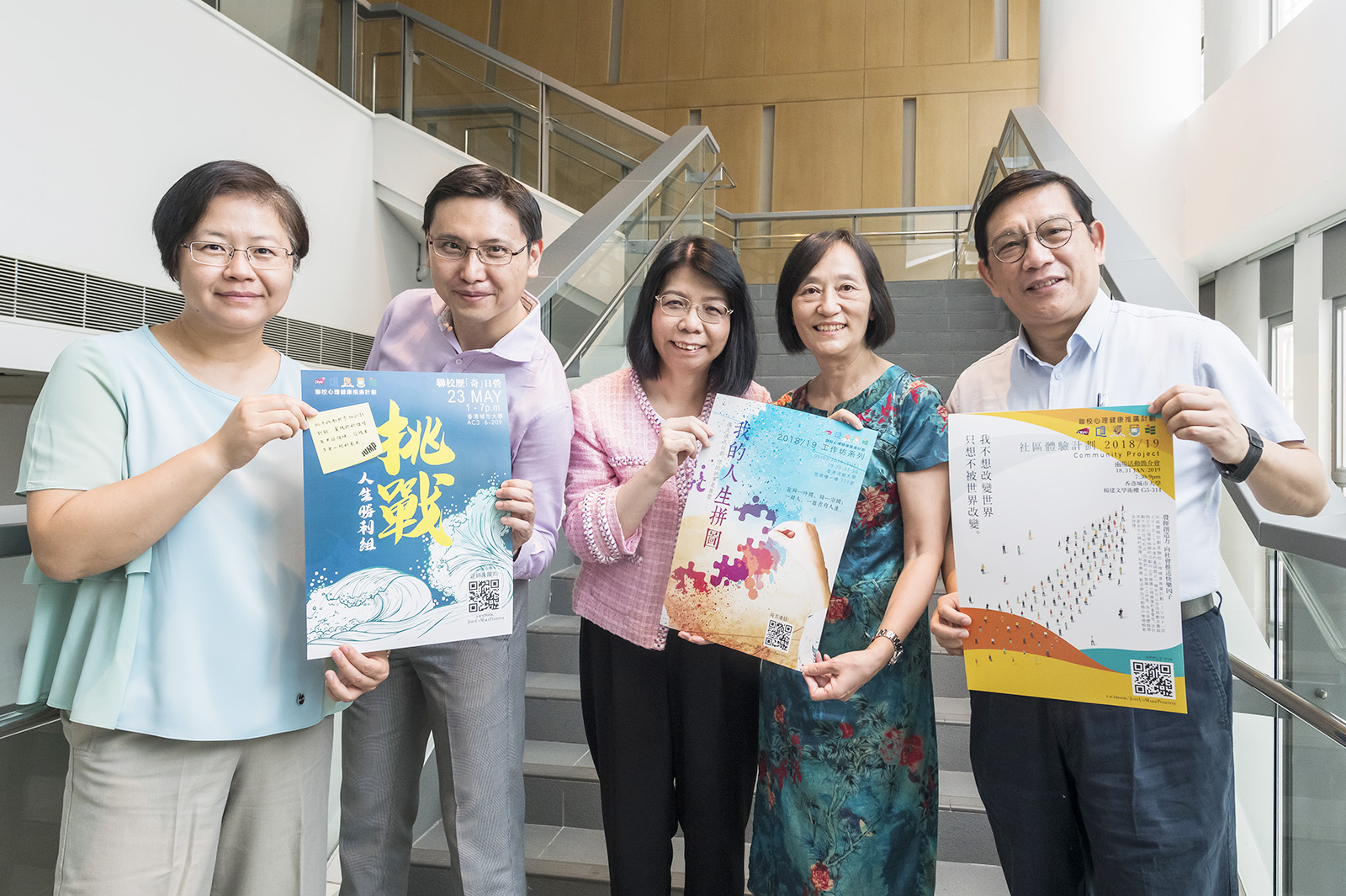
A City University of Hong Kong (CityU)-led inter-institutional project team promoting positive education among university students won the 2021 University Grants Committee (UGC) Teaching Award (the Award).
Dr Sylvia Kwok Lai Yuk-ching, Associate Professor in the Department of Social and Behavioural Sciences at CityU is the Principal Investigator of the Joint University Mental-wellness Project (JUMP), which aims to enhance university students’ well-being, increase their resilience to face adversity and challenges, and nurture them to contribute to society.
Since its launch in 2017, the project has benefitted around 7,000 staff, professionals and students, and many more in the community.
This is the fifth time that CityU faculty members have been honoured with a UGC teaching award since the inception of the Award in 2011.
Professor Way Kuo, President of CityU, congratulated Dr Kwok for winning the prestigious award. “CityU is committed to providing students with the best professional education. Our aim is to infuse the campus with the spirit of discovery, innovation, creative thinking and entrepreneurship in response to the fast-changing economic and technological landscape,” said President Kuo.
“Dr Kwok is an exemplar of CityU teachers and the embodiment of our emphasis on students’ well-being and positive learning experiences,” he added.
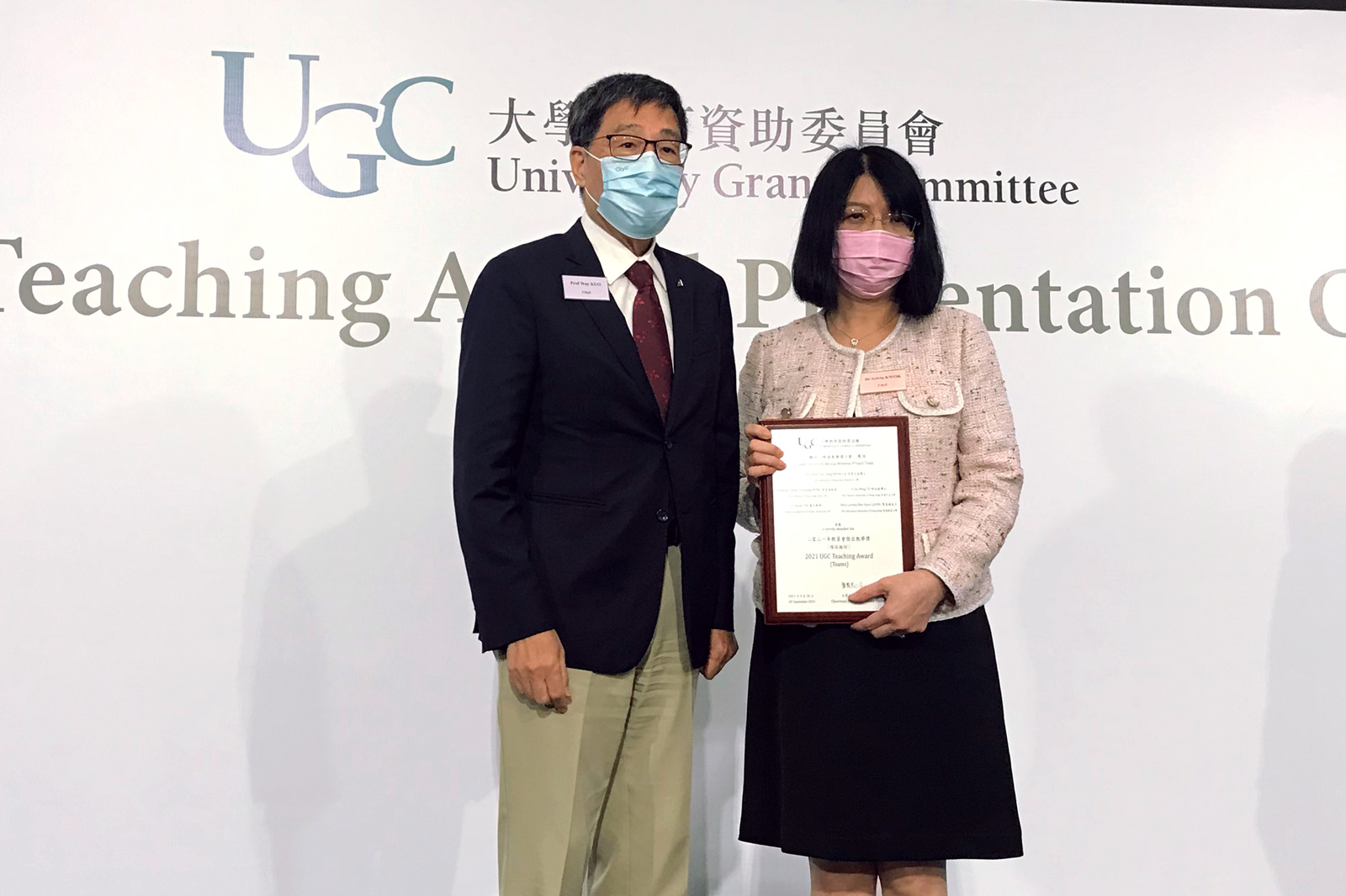
Dr Kwok said she felt overwhelmed at receiving the award. “As an academic, my mission is to prevent mental health problems and promote the well-being of people. As I realised my students’ needs, I invited other experts to join the project, and together we advocated a paradigm shift from the deficit model, focusing on students’ weaknesses, to a model that emphasises their strengths,” she said.
She is also the Regional Representative Lead of the Positive Education Division of the International Positive Psychology Association.
To achieve the project’s aims, the team employed a strength-based, process-oriented approach to maximise students’ potential and capacity.
“We adopted a positive transformational learning pedagogy, integrating ‘positive education’ and ‘transformational learning’,” said Dr Kwok. Through a six-step transformational learning pedagogy – to learn, live, reflect, conceptualise, apply, and embed – the team aimed to establish a positive culture in the university and the community.
Six elements critical for long-term well-being were adopted in positive education – character strengths, positive emotions, engagement, relationships, meaning and accomplishment.
“The impact of positive education will be more significant when university staff incorporate the concepts and pedagogy in their teaching and daily interaction with the students,” explained Dr Kwok. “Therefore, a key feature of the project was to provide a wide variety of creative capacity-building activities designed for both staff and students.”
The project has benefitted over 1,350 staff and other professionals, and about 4,000 university students. Moreover, the university students have carried out community projects of their own design, benefitting an additional 1,500 members of the wider community.
A longitudinal survey the team conducted provides evidence that the participants experienced an increase in meaning in life and coping flexibility, and a decrease in anxiety and stress after joining the project.
The team will use the award to expand the positive transformational learning model and the unique features of JUMP to engage more students and academics. It is hoped that this model will be implemented in a long-term, sustainable manner and that all eight UGC-funded universities will become involved.
The Co-Investigators of the project are Professor Daniel Wong Fu-keung from The University of Hong Kong, Dr To Siu-ming from The Chinese University of Hong Kong, Ms Lorette Leung Mee-kuen from The Education University of Hong Kong, and Dr Pan Jiayan from Hong Kong Baptist University.
The UGC Teaching Award was set up to honour teachers who have made a real and sustained impact in promoting teaching excellence in higher institutions.
Tackling Hong Kong’s Bullying and Suicide Crises
City CLASS Issue 9: http://www.cityu.edu.hk/class/media_events/magazine/issue9/en/tackling-hongkongs-bullying-and-suicide-crises.html
Hong Kong is one of the worst places in the world when it comes to instances of bullying. Experts from CityU are at the forefront of research on the topic and have solutions that could help save lives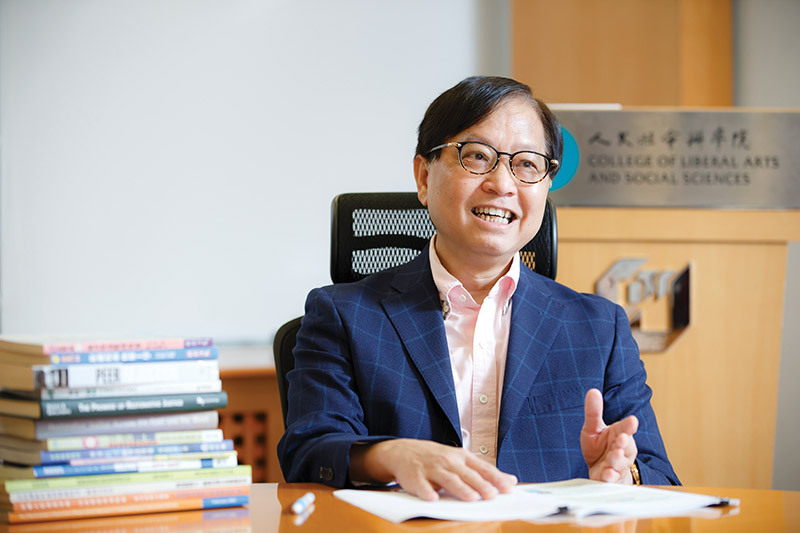

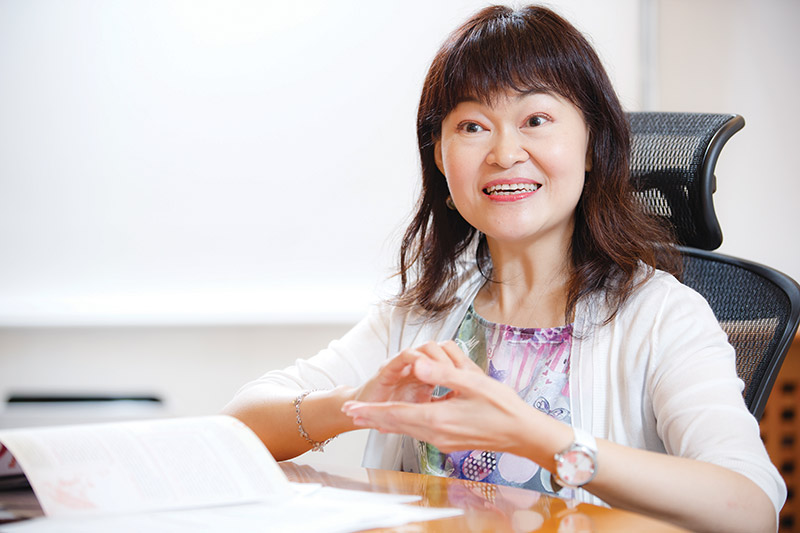
Associating bullying solely with aggressive behaviour oversimplifies the problem, says Dr Annis Fung Lai-chu.
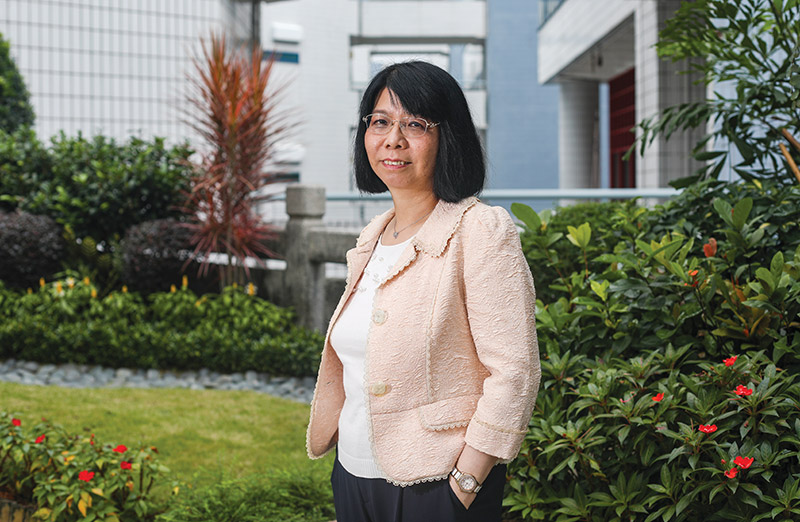
Dr Sylvia Kwok Lai Yuk-ching believes that children who are blamed by parents for their own problems can “explode”, and will lash out at others or attempt suicide.
Childhood bullying is one of the most serious and overlooked problems facing Hong Kong today. So say faculty members of the College of Liberal Arts and Social Sciences (CLASS), City University of Hong Kong (CityU). Fortunately, those academics, who have conducted much of the most important research on the subject in Hong Kong, have shared their ideas on how the city’s parents, teachers and the government can work together to combat the matter.
Identifying the problem
Bullying can be surprisingly difficult to define. CLASS criminology expert Professor Dennis WONG Sing-wing defines bullying as repeated acts of aggression by a person in a position of power with the intent to harm the victim. “This has always been the most traditional form of bullying, and it has existed in schools for hundreds of years,” Wong says.
Wong admits that it can be difficult to pinpoint clear-cut cases of bullying using this definition. After all, what counts as an act of aggression? How do we determine who is in a position of power? And how many times must hostile acts be repeated for them to constitute as bullying?
Associate Professor and bullying research specialist Dr Annis FUNG Lai-chu prefers a revised version of the traditional bullying model. “Typically, when one talks about bullying, people instantly associate the one with aggressive behaviour as the bully, which is oversimplified and misleading,” she says. “The fact is, bullying is definitely more complicated.”
Fung separates aggressors into two main archetypes – the proactive and the reactive aggressor.
Proactive aggressors are the ones we would typically identify as bullies and are prone to lashing out unprovoked. Reactive aggression, on the other hand, is defined as a “defensive reaction” to a real or perceived provocation. In some cases, children extremely prone to reactive aggression may feel like victims of bullying, even when they aren’t being bullied at all. Using this analysis, bullying can be considered a far more complicated topic than many people realise.
Bullying in Hong Kong
There is a very strong correlation between people who show signs of proactive aggression from a young age, and murderers. So this is a very serious problem that needs to be addressed
Dr Annis Fung Lai-chu
Fung’s research indicates that the bullying situation in Hong Kong is not just bad, it is “the worst in the world”.
“In a 2017 worldwide survey of 540,000 schoolchildren, the Programme for International Students Assessment, Hong Kong was ranked the worst for school bullying amongst 72 countries and regions,” Fung says.
The survey found that 32.3 per cent of Hong Kong students reported being victims of bullying – three times higher than that of Taiwan and nearly double that of the United States.
Fung believes that the reason bullying is so pervasive in Hong Kong is due to the alarmingly high number of reactive aggressors. These types of children are prone to several negative characteristics such as low self-esteem, anger management issues, impulsivity and poor social skills.
“Reactive aggressors are usually overlooked when it comes to bullying,” Fung states. “For both types of aggressors, poor parenting is often to blame. However, reactive aggression is more common in low-income families, and proactive aggression is more common in students from wealthier families.”
Fung’s research also indicates that proactive aggressors are more likely to suffer from mental illnesses like narcissism and psychopathic disorder – both of which are likely to lead to criminal behaviour.
“There is a very strong correlation between people who show signs of proactive aggression from a young age, and murderers,” claims Fung. “So this is a very serious problem Dr Annis Fung Lai-chu that needs to be addressed.”
The rise of cyber-bullying
It is not just traditional workplace or classroom bullying that is a problem anymore either. Modern technology has given rise to an entirely new form of aggression: cyber-bullying, a phenomenon which Wong has researched extensively.
“We have traditional forms of bullying, which can involve violence or name-calling in schools,” Wong explains. “This is still a very serious problem in Hong Kong. But nowadays, with so many kids being addicted to their mobile phones, cyberbullying might be even more common.”
When most people think of cyber-bullying, they usually imagine widespread public humiliation on social media platforms like Facebook. But Wong says this is actually an extreme example and that the majority of cyber-bullying is in fact much more subtle.
“A lot of cyber-bullying can take place on group chats on apps like WhatsApp and WeChat,” he explains. “It can range from starting rumours, to deliberately excluding [victims] from activities to make them feel like outcasts. These types of bullying are actually very serious, as they can make the victims feel lonely, frustrated, depressed, and afraid.”
When it comes to cyber-bullying, Wong says no platform is safe. Whether it is Facebook, Instagram, Twitter, Snapchat or a new platform that has not been invented yet, each of these platforms can include bullying on a scale never seen before. “It is extremely important for parents and teachers to learn more about the different types of cyber-bullying, in order to protect their children,” Wong says.
It is hardly a secret that children are increasingly addicted to smartphones and social media and, unfortunately, things only seem to be getting worse. Wong says these developments have led to an increased prevalence in cyberbullying. “Research has shown that the more involved a child is with online activities, the more likely he or she is to be involved with cyber-bullying; either as a perpetrator or a victim,” he says. “If you are always browsing social media, then it becomes your entire world, and you are more likely to become a victim of some form of cyber-bullying.”
Effects of bullying: suicide
Bullying can have a number of effects on the abused. At its worst, it can drive a person to suicide. Worryingly, Hong Kong has an alarmingly high number of suicide attempts among young people. “Our research has shown that Hong Kong has a very high number of children with suicidal potential – about 25 per cent of primary school students and 29 per cent of secondary students last year,” explains Associate Professor Dr Sylvia KWOK LAI Yuk-ching, who worked as a social worker for many years before joining CityU. “Although these numbers are lower than in previous years, there is still a lot of work to be done.”
The importance of parenting
Schoolwork and peer relationships can also play a role, but research has shown that parenting styles, and whether the parents have mental health or marital problems, play the biggest part in youth suicide
Dr Sylvia Kwok Lai Yuk-ching
Given its seeming ubiquity, what can be done to combat bullying? All three experts are in agreement that parenting plays arguably the most important role in youth behavioural problems – be it bullying, suicide or other issues.
“Schoolwork and peer relationships can also play a role, but research has shown that parenting styles, and whether the parents have mental health or marital problems, play the biggest part in youth suicide,” Kwok explains. “If parents have their own mental or marital problems, they will often scapegoat the child, or in other words, blame the child for their own problems. This leads to many types of emotional problems for the children.”
Kwok says that when children face this type of abuse from parents, they often suppress their negative emotions and “explode” either by attempting suicide or by acting extremely aggressively towards their peers. In fact, poor parenting has been shown to be one of the leading factors in bullying.
Positive education
Kwok, who is the convenor of the Positive Education Laboratory, believes another effective way to combat bullying, as well as improve children’s overall mental health, is through “positive education”, which involves teaching children the importance of attributes like gratitude and positive thinking.
She has implemented a positive education curriculum in dozens of primary schools across Hong Kong. This curriculum is based on six virtues of character strength: wisdom and knowledge, courage, humanity, temperance, transcendence, and justice. “On this foundation, we aim to build up children’s positive emotions, engagement, positive relationships, life meaning, and also a sense of accomplishment,” says Kwok. “This will allow them to live a more flourishing life.”
Kwok states that it is her “mission” to get Hong Kong schools to adopt positive education as part of the self-development curriculum. She is currently lobbying for more government support. “We have mathematics, science, languages as core subjects but we believe that positive education is equally, if not more important than other subjects,” Kwok argues. “But in fact, many primary schools have partnered with us and started adopting this curriculum and they have seen significant results.
Tackling online addiction
Wong believes parents and teachers must do a better job of educating children about the dangers of cyber-bullying and potentially dangerous online activities, while also limiting the amount of time their children are on the Internet. “Some kids spend a lot of time online, but they use the Internet to learn new things,” Wong says. “In that way, being online can be absolutely amazing for young people. But if kids are going online just for entertainment or for gossip and social media, it’s not good for their mental health, and we find it’s usually these kids that fall victim to cyber-bullying.”
Wong is convinced this explains Hong Kong youngsters’ declining physical health as online addiction has resulted in a waning interest in sports and outdoor activities. A lack of exercise can result in further mental health problems, which, in a vicious cycle, can lead to more instances of cyber-bullying.
The solutions Wong and his team have proposed is to urge parents against letting their children have unlimited access to technology from such an early age, and to instead encourage them to live fit, active lifestyles.
“You see it all the time at restaurants, the adults are tired from work and don’t have the energy to talk to their children, so they let them play on their iPads for the entire dinner,” Wong says. “That is just poor parenting.” He points out that the more healthy hobbies a child has, the less likely he or she is to fall victim to cyber-bullying and online addictions.
“If I were [the parents], I would take them swimming. I would take them cycling. I would take them hiking; maybe travelling. The more healthy substitutes the children have for cyber-space and the happier the children are with their parents, the less they will feel the need to spend all of their free time online,” says Wong.
Fung concurs that physical activity is a must, before adding that a sensible diet and dietary supplements like omega 3 fatty acids can also be useful tools in tackling mental illness.
Removing the stigma
For a final step in dealing with this problem, Fung insists that removing the stigma surrounding mental illness in Hong Kong is a must. Doing so would allow both proactive and reactive aggressors to get the treatment they need, whether it is through medication, therapy or both. This goes for parents as well as students. And if the mental health of Hongkongers improves, incidences of bullying and suicide will certainly decline, saving many lives.
Teaching Students the Skills to Cope with Life’s Challenges
City CLASS Issue 9: http://www.cityu.edu.hk/class/media_events/magazine/issue9/en/teaching-students-the-skills-to-cope-with-lifes-challenges.html
The College’s annual Teaching Innovation Award highlights the most creative and successful pedagogies among staff. The winners of this year’s team and individual awards share their effective strategies
Dr Oliver Chan Heng-choon, Dr Sylvia Kwok Lai Yuk-ching, Dr Julian Lai Chuk-ling developed a six-level teaching approach.
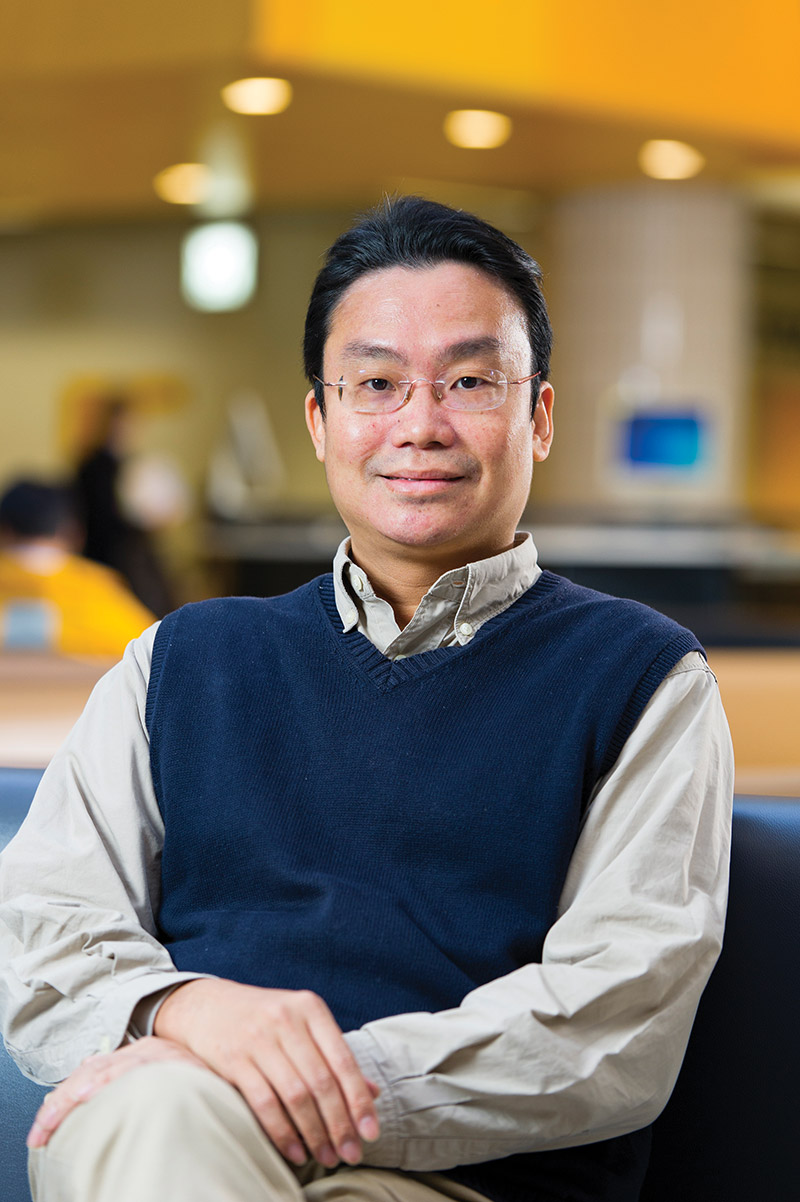
Dr Ho Wing-chung developed a six-level teaching approach.
The world we live in is rapidly changing. Whether it is the workplace, our everyday lives or at society level, we are thrust into contact with problems we have never encountered before.
To navigate this constantly changing world, young people need to develop a keen motivation to learn, the curiosity to discover, and be problem-solvers who can think critically and innovatively. They should be confident in themselves and able to thrive on challenges. To develop the qualities they need to succeed beyond the classroom, they need a great deal of support and guidance from their teachers.
Educators at the College of Liberal Arts and Social Sciences (CLASS) at City University of Hong Kong (CityU) are fully aware of their responsibility to nurture future leaders and have been busy evolving their teaching practices for the purpose. To encourage and recognise innovative, effective and well-implemented practices in teaching and learning, CLASS gives the annual Teaching Innovation Award, which also seeks to promote the sharing of outstanding teaching pedagogies among faculty members. The award is presented to a team as well as an individual.
Award-winning projects should be unique in design, inspiring in approach, and display synergy with CityU’s Discovery-enriched Curriculum, the guiding principle of teaching and learning at the university. Applicants are required to submit evidence of how the project has helped students learn more effectively, and explain ways that the quality of teaching is to be monitored and maintained, among other criteria. Meanwhile, the winner of the team category should demonstrate the impact of collaborative work.
Winners of the team and individual categories in this year’s Teaching Innovation Award share the mission to help students connect text-book knowledge with real-life situations. This has been achieved through ingenious curriculum design and enhancement - including the incorporation of practical components into the curriculum - which brings relevance to what the students are learning and thereby engages them more effectively. Applying theories and analytical frameworks in real life will enable students to sharpen their problem-solving and communication skills and develop a more positive mindset.
The teaching team which won this year’s team category comprises four Associate Professors from the Department of Social and Behavioural Sciences: team leader Dr Sylvia KWOK LAI Yukching who teaches social work subjects, Dr Oliver CHAN Hengchoon who specialises in criminology, sociologist Dr HO Wing-chung, and Dr Julian LAI Chuk-ling whose expertise is in psychology. They have designed and applied a new teaching approach to the course “Discovering the Mystery of Applied Social Sciences”.
The approach, a six-level pedagogy, is derived from integrating two existing education and learning theories. The six stages of the team’s teaching framework are: “learn it”, “live it”, “reflect it”, “conceptualise it”, “apply it” and “embed it”.
“Students are guided at every step to discover their strengths and potentials, while acquiring knowledge and skills in applied social sciences,” says Kwok. “They then tap into their creativity and apply the concepts and theories in real life, including a local primary school attended by ethnic minority children. Many students have shown personal growth during the process.”
Students are guided at every step to discover their strengths and potentials, while acquiring knowledge and skills in applied social sciences
Dr Sylvia KWOK LAI Yuk-ching
The team is determined to make learning engaging at every level of the teaching framework to help students internalise what they have learnt. At the “learn it” stage, for example, rather than being spoon-fed the information, students learn through debates and discussions, games, videos and experiential exercises in class.
For Chan, one of the intended learning outcomes of this stage is for students to develop the ability to think from different perspectives.
“When I teach the concept of school bullying, for instance, I ask my students to put themselves in the shoes of both the victim and the offender. We want to help students learn to reflect deeply on an issue from multiple angles,” he says.
Among the tasks undertaken at the “live it” stage are writing letters of appreciation to significant others (applying the concept of gratitude), setting and pursuing a goal and responding to others more constructively (putting positive psychology to use), and re-examining their own points of view in everyday conversations (recalling what they learn about biases in psychology).
Meanwhile, “apply it” requires students to form small groups and design an activity for ethnic minority children. Starting from the concepts and learning frameworks taken from psychology, sociology, criminology and social work, such as self-esteem, ethnic minority, discrimination, hierarchy of needs, and programme design, students have put in place a number of thoughtful programmes with the aims of building trust, increasing self-esteem and strengthening communication skills of the ethnic minority children.
Lai believes that by integrating the theories from different disciplines and applying them in a project, students can see the impact of what they learn in a real-life setting.
“This is very useful for knowledge retention. Hopefully the knowledge they have acquired will stay with them not only after graduation but many years after,” he says.
Helping his students connect the dots between theories and the real world is also what Dr HSIEH Chih-wei, winner of the individual category in this year’s Teaching Innovation Award, has been working tirelessly to achieve.
Since 2018, the Assistant Professor of CityU’s Department of Public Policy has revamped two courses, “Managing Human Resources in Public and Private Sectors” and “Managing Human Resources in the Public Sector”. As part of the new teaching practice, Hsieh illustrates concepts and theories with case studies - real or fictional - that shed light on the problems faced by human resources professionals in Hong Kong.
“The course content used to be excessively Western-centric and the delivery method primarily theory-oriented. We have brought in cases with a focus on Hong Kong and the Greater China region to address local issues,” says Hsieh.
Hsieh’s students are no strangers to the analytical challenges he poses in lectures, which touch upon controversial issues from the use of company property versus right to privacy, to overtime work and discrimination. In going over a case, students become the decision-maker and try to come up with a solution with a reasonable justification.
“This method relies on the students to explore a topic and think critically before reaching a solution or decision. Instructors no longer explain the problem to them or divulge the answer directly,” says Hsieh.
Also as a requirement of the courses, students have to investigate real-life problems in small teams. After coming up with a topic in consultation with Hsieh, they carry out research as well as interviews with stakeholders before making a recommendation. The topics they have investigated include breast-feeding in the workplace, inclement weather policy for street cleaners and strike prevention. Hsieh hopes to eventually develop a “case bank”, consisting of selected and modified case studies written by his students, to facilitate further learning and knowledge sharing within the Department of Public Policy as well as CLASS.
“Most students find the case study approach challenging initially,” says Hsieh. There are many possible solutions to each case and students find it difficult to embrace the idea that there is no absolute right or wrong. And of course it is no small feat having to justify their decision legally and meanwhile being reasonable to the parties involved.
Despite the challenges, helping his students improve their problem-solving capacity has certainly been the right thing to do. “In human resources you need to be sensitive to people’s needs. You need to put your books down, go outside the classroom, talk to the people affected and solve a problem,” Hsieh says.
Benjamin FRANKLIN, one of the founding fathers of the US, once said: “Tell me and I forget. Teach me and I remember. Involve me and I learn.” Through involving their students in real-life problem-solving activities, Hsieh, Kwok and her team have brought enthusiasm back into the classroom and helped their students develop essential skills for the future.
EARLY IDENTIFICATION OF POTENTIAL EMOTIONAL PROBLEMS IN YOUTH TO REDUCE SUICIDAL RISK
2019-03-27
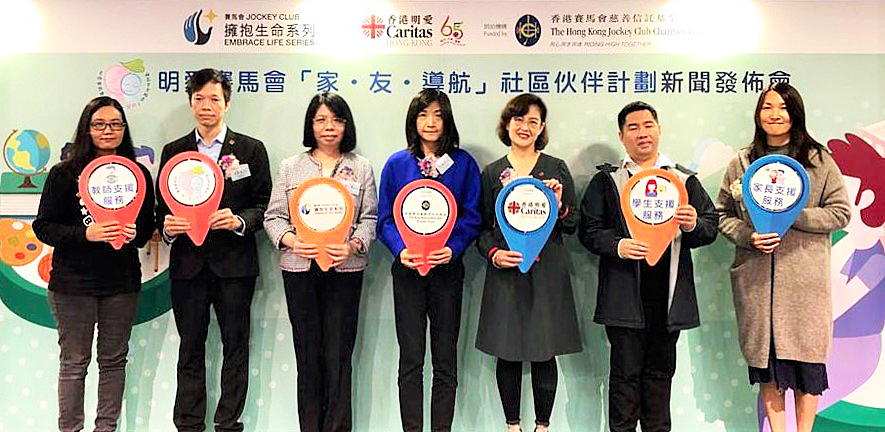
The recent rising student suicide rates alarm the Hong Kong educators and counsellors. In view of this startling trend, the Hong Kong Caritas Family Services launched Caritas Jockey Club “Family. Friends. Navigation” Community Partnership Program in 2018 to promote mental well-being and encourage students to treasure lives. The Program was funded by the Hong Kong Jockey Club Charities Trust and the Department of Social and Behavioural Sciences of the College of Liberal Arts and Social Sciences was invited to conduct a study on the effectiveness of this meaningful Program.
Aiming at reducing suicidal risk of students, the Program adopted three levels of intervention. At the first level (Universal Prevention), the Program educated the students and parents the message of positivity and provided mentor training for teachers, students and community members to identify and assist adolescents with emotional distress. At the second level (Selective Prevention), early intervention services will be given to support Primary 5 to Form 2 students and their families, while at the third level (Indicated Prevention), those with emotional distress among the group will be identified and given support. Dr Sylvia KWOK LAI Yuk Ching, Associate Professor of the Department of Social & Behavioural Sciences, who was responsible for evaluating the effectiveness of the program, shared that the “Three-tier Intervention Support Model” of the program achieved remarkable results in enhancing students’ subjective happiness, resilience and self-efficacy.
Dr Sylvia Kwok said that about 30% of the primary and secondary school students interviewed had potential emotional problems and suicidal potential. “The finding reflected that changes in family structure and environment, such as single parent families, progression to secondary school, adaptation to new social network, can easily cause emotional problems for students,” she said.
“Students who have strong feeling of hopelessness, thwarted sense of belonging, and perceived burdensomeness, will be easier to have suicidal thoughts. Enhancing subjective happiness, resilience, and self-efficacy (the ability to cope with and control the environment) could help lower the suicidal risk,” Dr Sylvia Kwok continued.
The investigating team provided recommendations with reference to the results of the study, such as building a long-term protective network and providing sustainable concern on individuals who are in need. They also recommended relevant parties to deploy resources to enhance parental emotional management and discipline work.
Donation to support a good cause
2017-08-22

The Positive Education approach applies positive psychology to help individuals flourish in educational settings. Specifically, positive psychology aims to nurture character strengths, enhance positive emotions, promote positive relationships, increase engagement and sense of achievement and cultivate the meaning of life in people.
Dr LEE Chung-tak Joseph, Chairman of Wofoo Plastics & Chemicals Group and President of Wofoo Social Enterprises, the major donor of CityU, recently made a donation of HK$1 million in support of the Positive Education Laboratory of the Department of Applied Social Sciences. This demonstrates Dr Lee’s appreciation for the research excellence of the College of Liberal Arts and Social Sciences (CLASS).
Dr Sylvia KWOK, Associate Professor, and other colleagues in the Department of Applied Social Sciences established the Positive Education Laboratory in 2015 to promote positive education for students, teachers, parents and the community. The laboratory has collaborated with about 100 local schools to provide consultation and launch different activities such as positive education curriculum design, teacher training, parent education, student groups and projects, seminars and professional training and to conduct academic research. The Positive Education Laboratory is a good example of how CLASS research and knowledge transfer activities improve the life of the Hong Kong people.
CLASS FACULTY MEMBERS EXCEL IN TEACHING AND LEARNING
2017-06-30

Three projects led by CityU have been awarded funding from UGC for Teaching and Learning Related Proposals for the 2016-19 Triennium. Among the three projects, two are led by CLASS faculty members. The project leaders are Dr KWOK LAI Yuk-ching, Sylvia, Associate Professor of the Department of Applied Social Sciences and Professor Jonathan WEBSTER of the Department of Linguistic and Translation.
Dr Kwok’s project entitled “Enhancing University Students’ Well-being and Positive Learning Experiences – Application of Positive Education” aims to increase the knowledge and understanding of Positive Education among university students. Professor Webster’s project is entitled “Meeting the Challenge of Teaching and Learning Language in the University: Enhancing Linguistic Competence and Performance in English and Chinese” aiming to enhance university students’ linguistic competence and performance in meeting the academic challenges of higher education.
In addition, CLASS faculties are involved in four other projects funded by the same scheme, they are:
|
Department |
CLASS staff as co-investigator(s) |
Project |
|---|---|---|
|
Applied Social Sciences |
Dr Esther Chow |
Blended approach for social work learning: A reflection-based and user-oriented pedagogical model |
|
Linguistics and Translation |
Dr Li Bin |
Enriching Senior Year Places Students’ Learning Experience through Curricular and Co-curricular Activities in Hong Kong’s Universities |
|
Applied Social Sciences |
Dr Elaine Au |
Strengthening the Alignment of Residential Education and University Educational Aims |
|
English |
Dr Bertha Du-Babcock |
A Student-Tutor Writing Consultation Programme and Inter-institutional Writing Consultation Support System |
In order to incentivise universities in exploring and developing further in the sector-wide strategic areas of teaching and learning, language enhancement and internationalisation, UGC launches the Funding Scheme for Teaching and Learning Related Proposals in the 2016-19 Triennium. Four strategic themes are embedded under the Funding Scheme, viz. (a) Innovation; (b) Enhancement of student learning experience; (c) Enhancement of internationalisation and engagement with Mainland China; and (d) Language enhancement.
Congratulations to the CLASS faculties that have won the funding from UGC for Teaching and Learning Related Proposals for the 2016-19 Triennium!
CONGRATULATIONS TO ALL AWARDEES OF CLASS AWARDS DAY 2017
2017-05-22

The CLASS Awards Day Ceremony was held on 19 May 2017. Details of the winning projects and the recap video of the ceremony are available on the CLASS Awards Day website for your viewing.
Awardees will be interviewed by the Metro Broadcast to share their exemplary work on air through a radio segment entitled 「今朝城大事」on Channel FM99.7 from 24 May to 28 June 2017. Please refer to the broadcasting schedule below.
Winners of CLASS Awards Day 2017
Excellence in Knowledge Transfer Award
|
Certificate of Merit |
|||
 |
Dr FUNG Lai-chu Annis |
||

New Researcher Award
 |
Dr CHAN Heng-choon Oliver Department of Applied Social Sciences |
Discovery-enriched Curriculum Award
|
Undergraduate Runner-up (Individual) |
|||
 |
Angel PHUONG |
||
 |
NG Wing-lam |
||
|
Undergraduate Champion(Group) |
|||
 |
CHEN Shiqi / JIN Xin / LAI King-on / LAW Yuen-sun / PANG Kin / TAM Chung-yan |
||
|
Undergraduate Runner-up (Group) |
|||
 |
NGAI On-chi / WONG Lok-yan / WU Ching-yan |
||
OPEN SEMINAR CO-ORGANISED BY THE DEPARTMENT OF APPLIED SOCIAL SCIENCES, CITYU AND SCHOOL OF SOCIAL WORK, COLUMBIA UNIVERSITY
2017-06-16

“Innovations in Social Work Practice”, an open seminar co-organised by the Department of Applied Social Sciences, City University of Hong Kong (CityU) and School of Social Work, Columbia University, was held on 7 June 2017.
The open seminar consisted of two sessions. Professor Alice CHONG of the Department of Applied Social Sciences was the moderator of the morning session which focused on the theme ‘Aging and mental health’. Professor Denise BURNETTE of Virginia Commonwealth University, Professor Ellen LUKENS of Columbia University and Dr Esther CHOW and Dr Sylvia KWOK of the Department of Applied Social Sciences of CityU presented their work and research in this session. Topics covered common mental disorders in the community, psychoeducation for individuals and their families, recovery from stroke using narrative therapy, and group protocol for alleviating adolescents’ anxiety with music therapy and positive psychology.
The afternoon session with a theme “Youth, ex-offenders, substance abuse, and violence” was moderated by Professor Ada MUI of Columbia University. Professors Andre IVANOFF and Susan WITTE of Columbia University and Dr Andrew LOW and Dr Cherry TAM of CityU shared their experiences on the treatment of suicidal behaviour with dialectical behaviour therapy; interventions for substance abuse, family violence and HIV risk; a school-based suicide prevention programme; and a prevention programme for young psychotropic substance abusers using a mindfulness approach.
Over 400 people attended the open seminar, mostly from local NGOs, universities and government agencies. The latest practice manual on narrative therapy, music therapy and a life mentor scheme prepared by CityU’s social work colleagues was handed out as a souvenir to the participants.
Cover: Over 400 people from local NGOs, universities and government agencies attended the open seminar.

Photo 2: Dr Esther Chow (first on front row right) and Dr Sylvia Kwok (middle of second row) presented their work in the morning session and shared their research with scholars from Columbia University.
SS FORUM GAVE VALUABLE INSIGHTS INTO CHARACTER EDUCATION
2017-01-27

The Positive Education Laboratory of the Department of Applied Social Sciences and the HK Character City Movement, a Hong Kong non-profit organisation, co-organised a forum on character education on 7 January, 2017. The opening of the forum, entitled ‘Edu Talk Positive Forum: Character Education and Way Ahead’, was officiated by Professor Xiaowei ZANG, Dean of the College of Liberal Arts and Social Sciences, Professor LO Tit-wing, Head of the Department of Applied Social Sciences (SS) and Mrs Josephine LING, Director of HK Character City Movement.
The forum consisted of two sessions. The morning session was conducted by five speakers ranging from principals of primary schools and occupational therapists to an ex-professional basketball player-turned-coach, who shared their experiences in their respective fields and explained how these related to character education. In the afternoon session, a head coach and a founder of a kindergarten shared their experiences of character education. Three other speakers, Dr Sylvia KWOK, Associate Professor in SS, Dr Jimmy WONG, Director of the HK New Generation Cultural Association Science Innovation Centre and Mrs Gloria Chan, Principal of Kau Yan School, acted as panellists and discussed the trends and issues related to character education in a local context.
The programme was attended by an audience of around 300, the majority of whom were teachers and parents. The participants commented that they had gained invaluable insights and an understanding of character education, and they would try to apply the knowledge to their own, their students and their children’s lives.