|
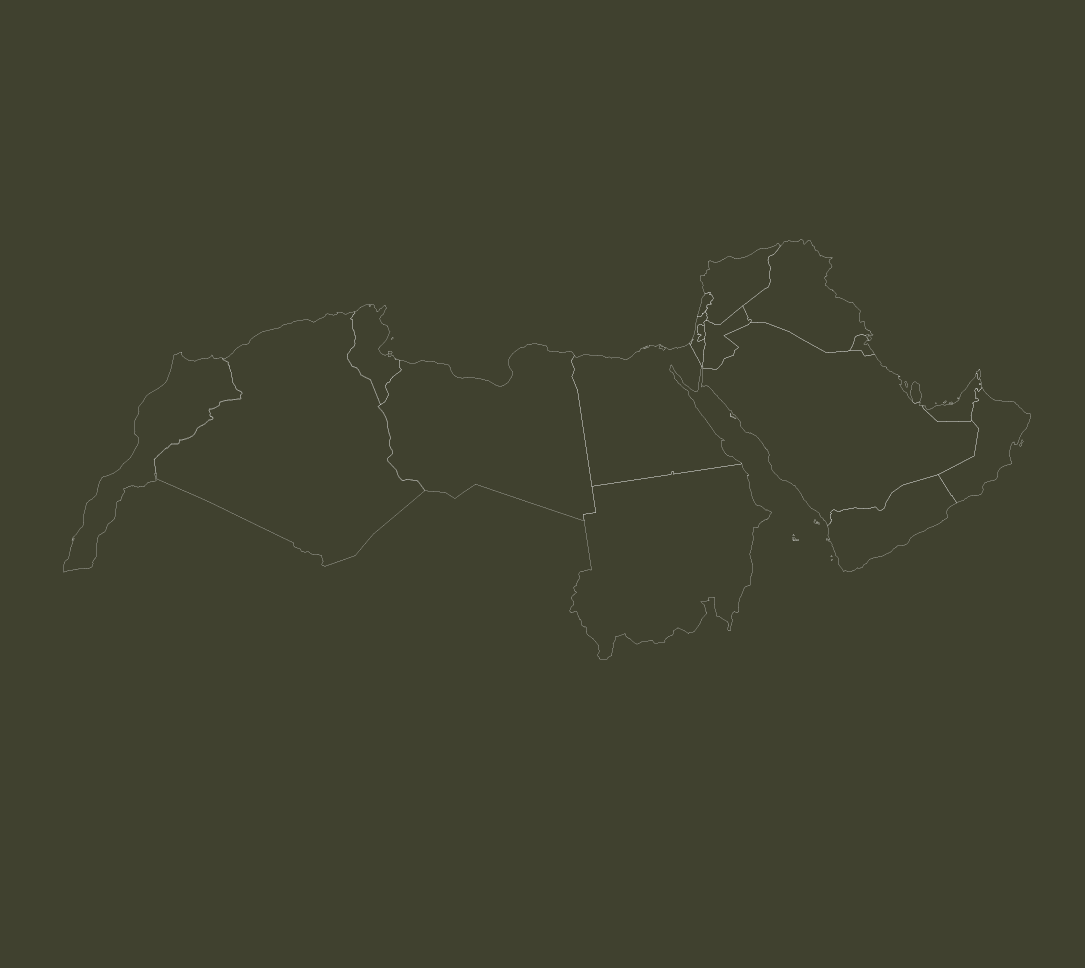
Ceremonial arms and armour in North Africa and the Arabian
Peninsula were integral to tribal communities, symbolising honour, status,
masculinity, and identity. In Morocco, these objects reflect a blend of Berber
heritage with Arab, European, and Islamic influences. Elaborately decorated, they
hold significant roles in Berber cultural ceremonies, tribal gatherings, religious
rituals, and celebrations like weddings, representing prestige, ancestral lineage,
and social ranking.
Berber tribes traditionally crafted weapons and armour from local materials such as
leather, wood, and metal, featuring distinctive designs with geometric patterns,
tribal motifs, inscriptions, and protective symbols. These pieces often incorporated
precious or semi-precious stones for their talismanic properties, which were
believed to safeguard the wearer from illness, adversity, and harm.
In the Arabian Peninsula, tribal traditions and customs also played a significant
role in the production and use of ceremonial arms and armour. Crafted using
ancestral techniques, these weapons bore distinctive designs reflecting tribal
identities and allegiances. Worn as part of traditional attire, they symbolised not
only rank but also the right to defend one’s tribe, heritage, and family honour.
Beyond personal significance, ceremonial arms were exchanged as diplomatic gifts, as
well as used in weddings and other cultural rituals to signify alliances and
goodwill. They also played prominent roles in other ceremonies, such as funerals and
religious processions, where they served as focal points of attention and reverence.
The display of ornate weapons and armour during public events and festivals
reinforced cultural identity and pride, showcasing the martial heritage and
traditions of the region.
|