



Laboratory of Energy Economics and Environmental Management
Established in 2017, E3M Laboratory is the first advanced research center in Hong Kong dedicated to the economic analysis of energy and environmental issues. E3M is committed to exploring the dynamic interplay among economic systems, energy transitions, and environmental sustainability. By developing forward-looking analytical and policy frameworks, the laboratory provides scientific insights and strategic guidance for sustainable and intelligent growth in the era of global change.
Since its establishment, E3M has achieved remarkable accomplishments in both research excellence and talent development. Its postdoctoral fellows and graduates have secured academic and research positions at distinguished universities and institutions worldwide. In mainland China, these institutions include Peking University, Tsinghua University, Wuhan University, Shandong University, China University of Petroleum (East China), Central China Normal University, Capital University of Economics and Business, Zhejiang Sci-Tech University, and Shanghai Lixin University of Accounting and Finance. International appointments include Tilburg University (Netherlands), the University of the Witwatersrand (South Africa), and the University of Cape Coast (Ghana). Several members have also joined governmental bodies and leading industry organizations, contributing their expertise to public policy and the private sector.
E3M has also cultivated exceptional undergraduate and master’s students, many of whom have pursued further studies at globally renowned universities such as the University of Cambridge, ETH Zurich, Sciences Po Paris, and the Hong Kong University of Science and Technology. With its rigorous academic standards and collaborative research culture, E3M continues to emerge as a leading institution in energy and environmental economics research across Asia.
Call for Ph.D. Applications
The E3M laboratory is inviting applications from highly motivated individuals interested in
pursuing a Ph.D. degree.
Our research endeavors revolve around cutting-edge fields,
including Energy and Sustainable Development, Green Business and Finance, Climate
Change and Economic Growth, Environmental Management, and Sustainable Development
Strategies.
We offer a stimulating and collaborative research environment, providing ample
opportunities for academic growth and professional development.

【China.com × E3M】Changes into the Green and Low-Carbon Transition
A latest theoretical article co-authored by Lin ZHANG (City University of Hong Kong), Yishuang LIU (Wuhan University), and Hanmin DONG (CCNU) was published on China.com. As part of a 2026 National High-end Think Tank project, it provides a novel analytical framework aligning demographic shifts with China's dual-carbon goals. [Sep. 2026]
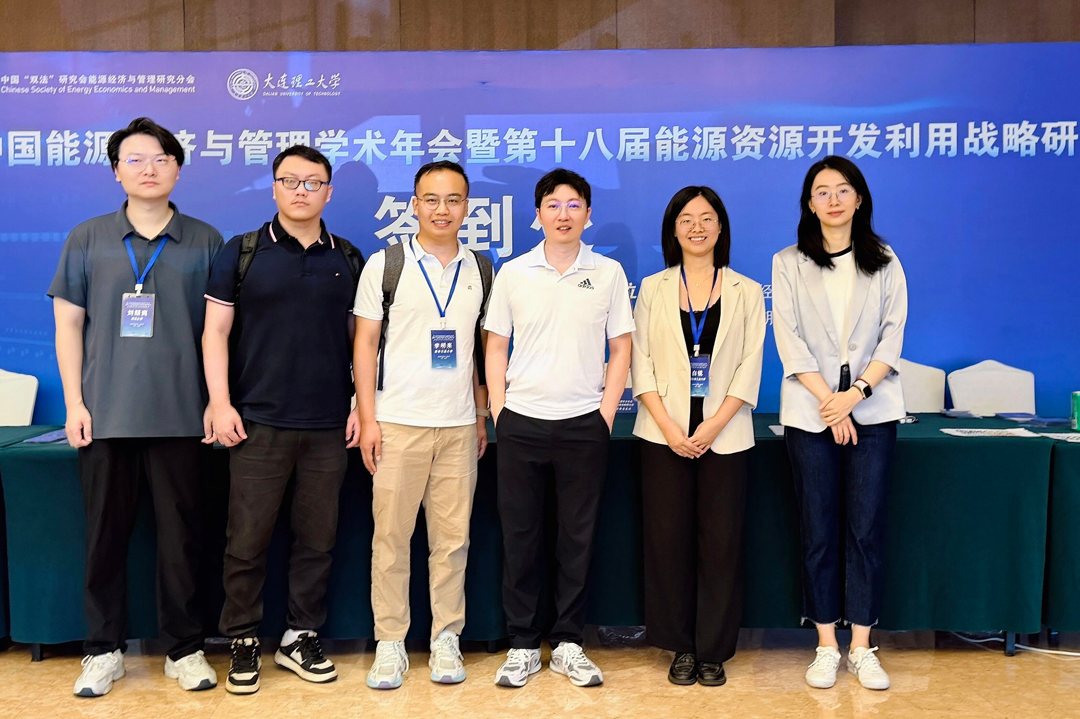
E3M Team Wins Multiple Awards at the 15th CEEM Annual Conference!
E3M team attended the 15th China Energy Economics and Management (CEEM) Annual Conference in Dalian. The team showcased outstanding academic influence and talent cultivation. Prof. Lin Zhang and Prof. Hongyan Zhang received the "Outstanding Contribution Award" from the Energy and Climate Change journal. Dr. Hanmin Dong and Prof. Wenhua Yuan won the "Best Paper Award." Additionally, Asst. Prof. Minglai Li was honored with the prestigious "Outstanding Doctoral Dissertation Special Award." Congratulations to the team for their remarkable achievements in energy and climate governance! [Sep. 2026]

Welcome new group members of E3M: Yuxuan WANG!
E3M welcomes Wang Yuxuan, a 2026 PhD student at CityUHK, as a new member. She earned her BSc and MSc from Tongji University with high GPA and received HKPFS. Her research focuses on energy-environmental economics, with publications in Cell Reports Sustainability, Scientific Data, and Applied Economics. She also won the ISETS-ESCAP Youth Voice Award. Welcome! [Aug. 2026]
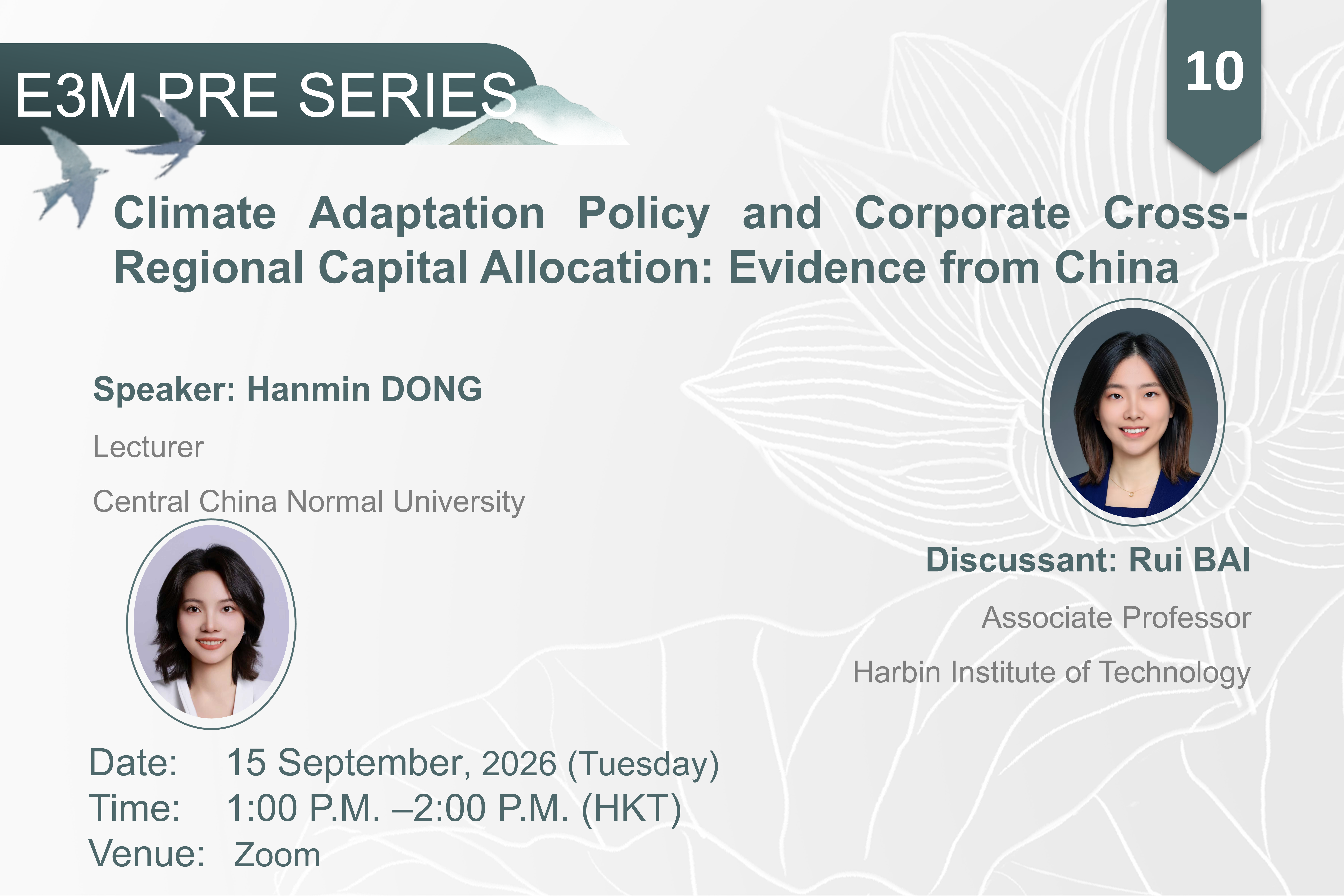
E3M Pre Series 10: Climate Adaptation Policy and Corporate Cross-Regional Capital Allocation: Evidence from China
Prof. Hanmin DONG from Central China Normal University will share her working paper aboutClimate Adaptation Policy and Corporate Cross-Regional Capital Allocation: Evidence from China. Prof Rui BAI from Harbin Institute of Technology will take the place of discussant.

E3M Seminar Series 11: The Welfare Economics of Oil Exploration
The 11th E3M Seminar Series will be held on June 22, 2026 (10:30–11:30AM). Prof. Renaud Coulomb from Mines Paris – PSL University will present on the welfare economics of oil exploration, analyzing global welfare and environmental impacts of restricting oil exploration using a dynamic model of oilfields and carbon costs. Link will be updated in our official account in Wechat. All are welcome!
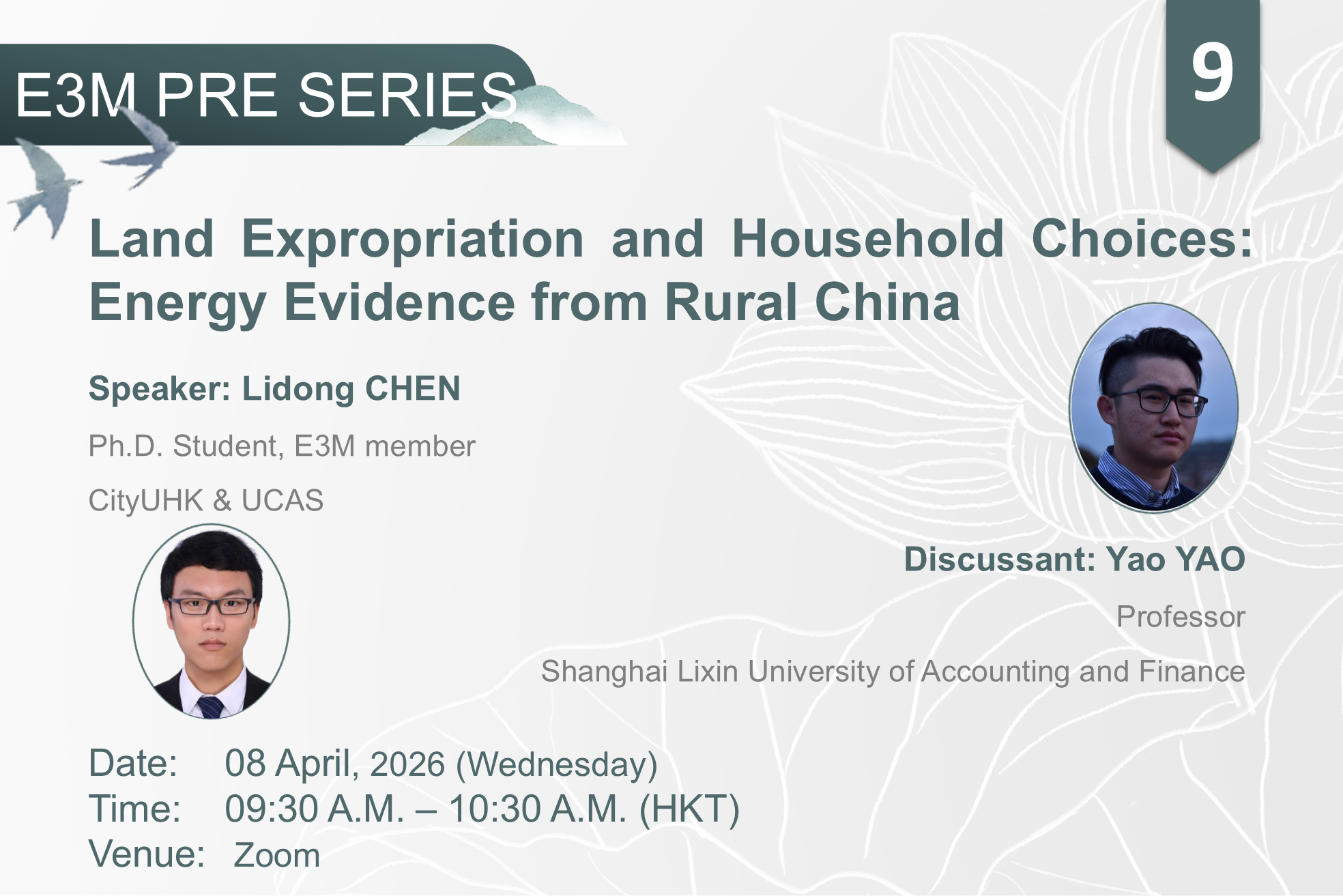
E3M Pre Series 9: Land Expropriation and Household Choices: Energy Evidence from Rural China
PhD Candidate Lidong CHEN from E3m will share his working paper about "Land Expropriation and Household Choices". Prof. Yao YAO from Shanghai Lixin University of Accounting and Finance will be invited as the discussant.
Which carbon policies redirect innovation? Comparative evidence on policy instruments and policy mixes in ChinaNew
Energy Econ., Oct'2026
Qiang Li, Lidong Chen,Wei Jin, Lin Zhang
This paper examines how different carbon-transition policy instruments and policy mixes are associated with the direction of firm-level innovation in the presence of non-green technological lock-in. Using patent data for Chinese A-share listed firms from 2003 to 2021, we first document strong path dependence: firms with larger stocks of non-green patents are significantly more likely to produce further non-green patents than to shift toward green innovation. We then compare four policy instruments—carbon emissions trading, low-carbon city pilots, vertical environmental management reform, and green loan interest subsidies—within a unified empirical framework. The results reveal clear differences in conditional associations across instruments. Carbon emissions trading, low-carbon city pilots, and green loan interest subsidies are associated mainly with the redirection of inherited non-green capabilities toward green patenting, whereas vertical environmental management reform is the only instrument associated with both reduced non-green innovation persistence and stronger green redirection. Policy-mix results show that focused combinations are associated with more consistent redirection effects, while broad policy bundling provides no clear additional gain, suggesting that complementarity and coherence matter more than the sheer number of instruments. These findings highlight the importance of instrument design, policy complementarity, and cautious interpretation of comparative policy evidence in innovation-led decarbonization.
FDI and coal lock-in: The Global South’s development dilemmaNew
World Dev., May'2026
Xinya Hao, Lin Zhang, Huanhuan Zheng
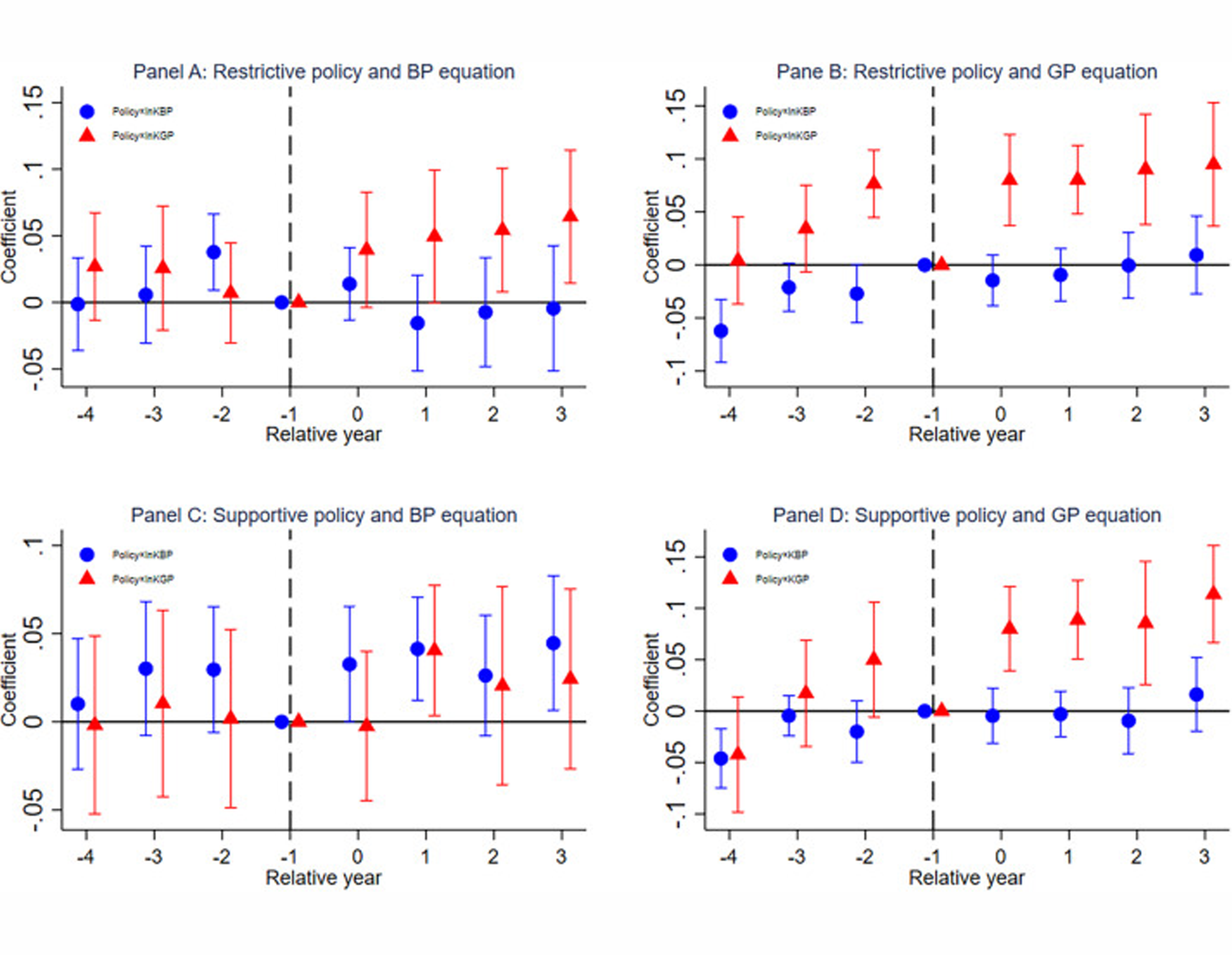
Why do poorer countries continue to adopt coal-fired power despite global climate pressures, while richer countries phase it out? This paper argues that the divergence in coal power phase-out trajectories between the Global North and South is driven by the coupling of greenfield investment with coal-fired power expansion in the Global South. Using matched global greenfield investments at the project level with coal plants at the city-level and employing the stacked DID strategy, we find that new coal-fired power installations increase cities’ inbound greenfield investment by 7.9% annually over eight years, particularly in low- and lower-middle-income countries; however, the inward capital is less oriented toward renewable technologies. This linkage arises from structural asymmetries: capital flows from the Global North to the South, the relocation of energy-intensive industries, and fragmented environmental regulation. Our findings highlight that the dilemma faced by developing countries: phasing out coal-fired power entails extremely high opportunity costs, while expanding coal power capacity crowds out investments in renewable technologies. Overall, we provide new evidence on how uneven development constraints result in fossil fuel dependency in the Global South.

Whose Voices Are Being Heard? The Impacts of Public Participation on Policy Attention in China
Am. Rev. Public Adm., Mar'2026
Li Qiang, Lin Zhang
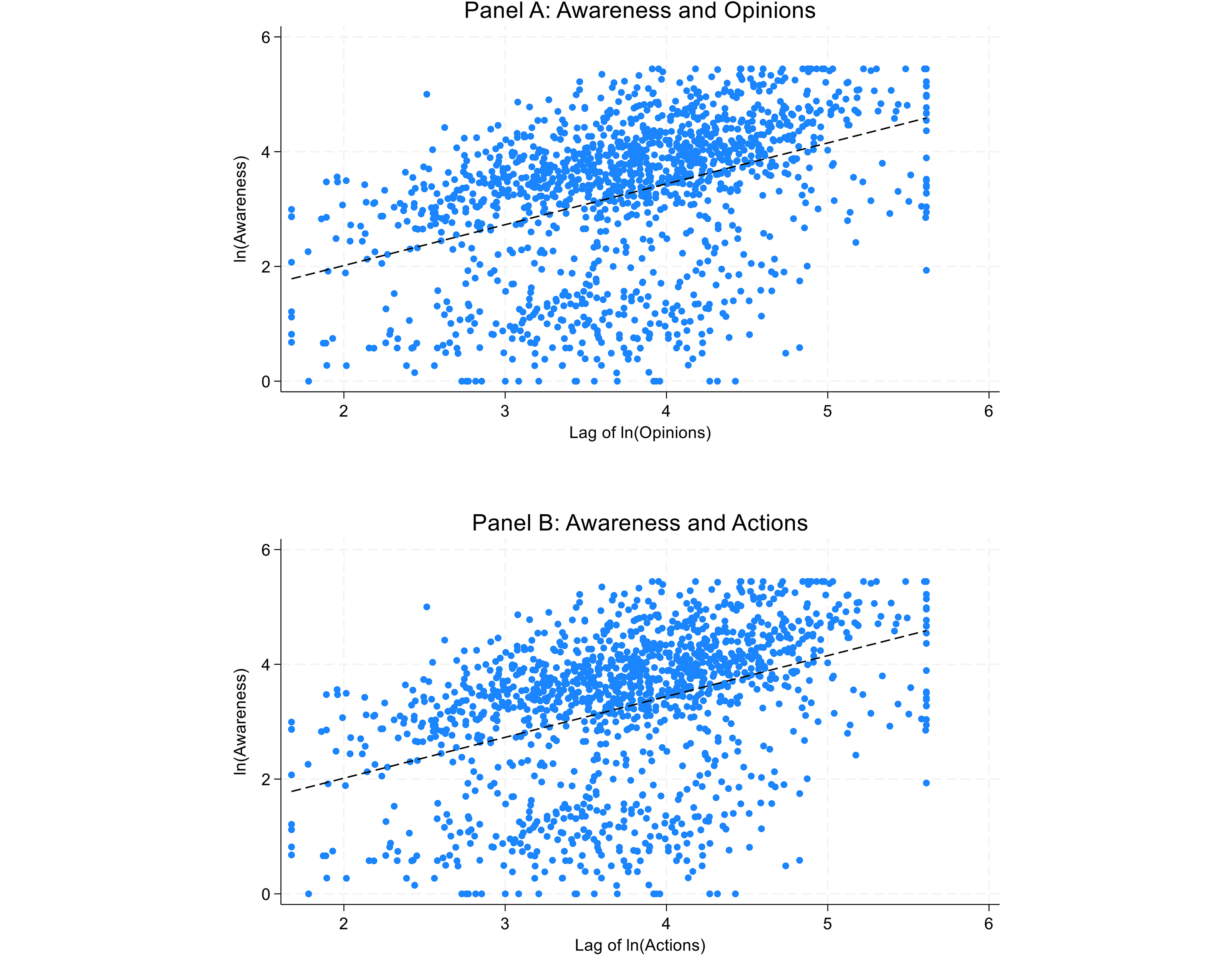
The growing prominence of environmental research in public administration underscores the need to examine how public participation shapes environmental regulations. Yet, the impact of public participation on government policy attention remains underexplored. This article explores whether public participation has practical implications for policymaking or merely serves a normative role within authoritarian environmentalism. According to the visibility theory, participation by actors with high political visibility can significantly influence public perception and policymaking. Using data from prefecture-level cities in China, we find that while participation from ordinary citizens enhances local public environmental awareness, these effects are not statistically significant. In contrast, participation from politically visible actors significantly increases environmental awareness among local citizens, leading to greater policy attention and positive short-term improvements in environmental outcomes.
Environmental regulation and the proliferation of zombie firms: evidence from China New
J. Regul. Econ., Dec'2025
Yunguo Lu, Jing Liang, Xiaojun Yu, Lin Zhang
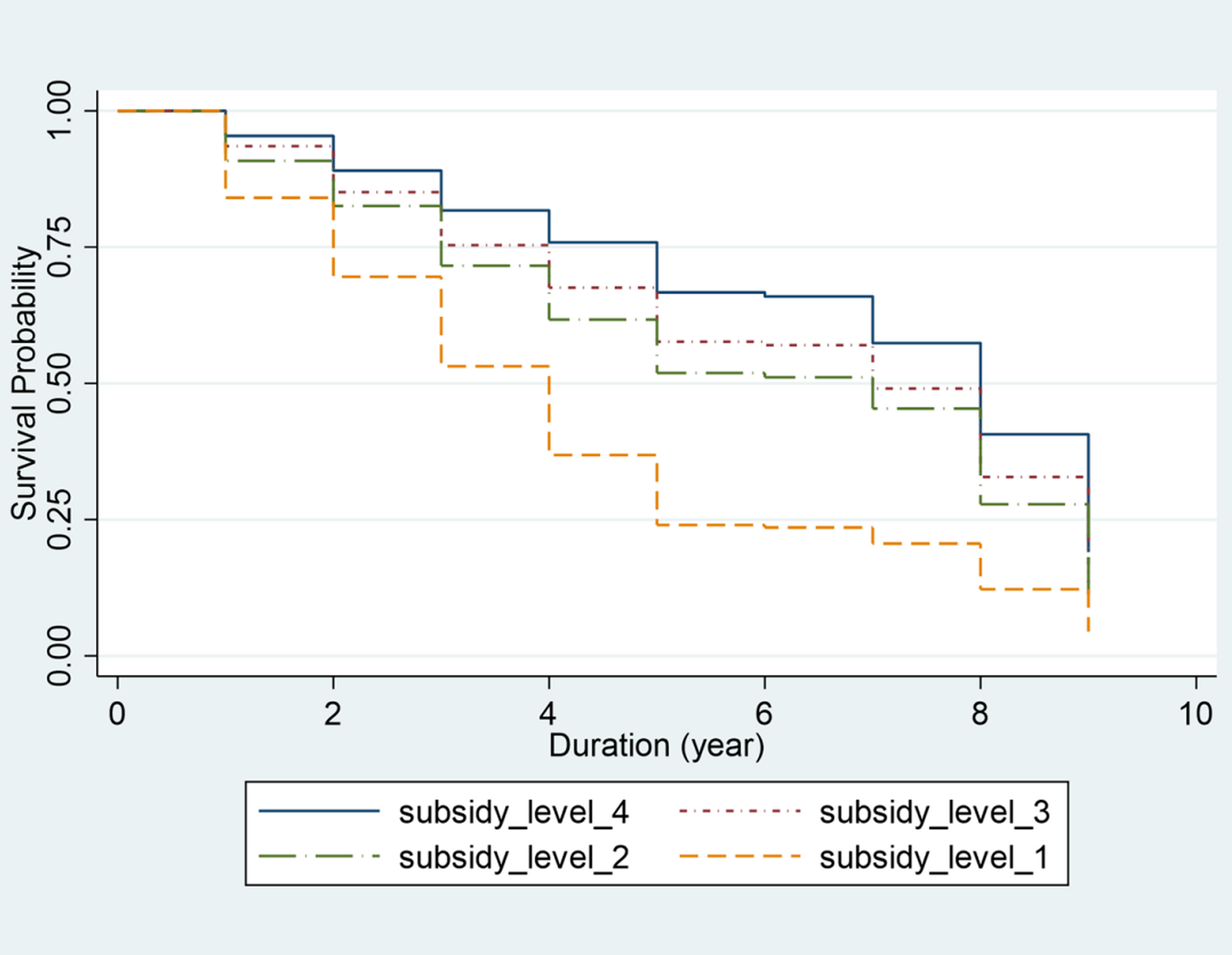
This paper examines the impact of environmental regulation on the emergence of zombie firms within China’s pollution levy system. Using firm-level data from multiple sources and a difference-in-differences design, we show that imposing a higher level of pollutant levy rates significantly elevates the risk of firms becoming zombies. Switching to a more stringent policy increases the risk of becoming a zombie firm by 6.2%. Consequently, we find that being a zombie firm implies that it allocates fewer resources to pollution abatement, exhibiting higher pollution intensity. We also show that less productive firms and state-owned firms are more prone to becoming zombie firms when facing with increased level of environmental regulation stringency. This study thus provides novel insights into the unintended risk of zombie firm proliferation as a result of increasing environmental regulation.
How Does Local Policy Attention Reshape Environmental Justice?
Ecol. Econ., Forthcoming'2026
Qiang Li, Lin Zhang
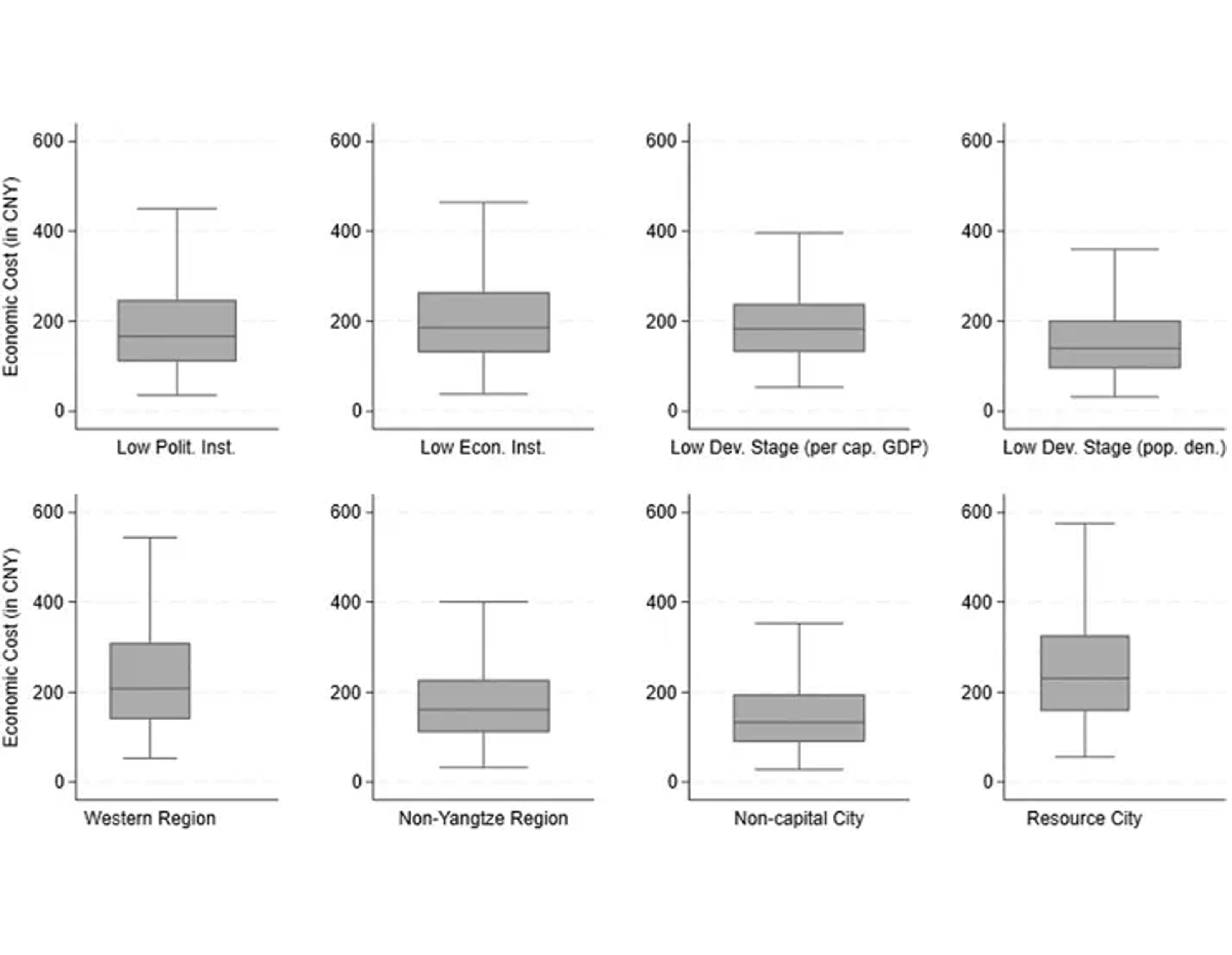
Environmental justice is likely to be affected by local policymaking strategies towards environmental protection due to the uneven economic and social development throughout China. This paper examines whether and how local environmental protection policy attention reshapes environmental justice across the country. Utilizing data from prefecture-level cities spanning 2014 to 2020, and accounting for within-province variations, we construct the Theil index, based on 24-h SO₂ concentration and population data, to assess the environmental (in)justice. The empirical findings demonstrate that strong policy attention significantly increases environmental injustice. The induced environmental injustice associated with policy attention is stronger in regions characterized by low degrees of political and economic institutions. Geographically, the effects of policy attention are pronounced in western region and non-Yangtze River Economic Belt zones. Moreover, the policy attention-induced injustice is associated with a 0.3 % decline in per capita GDP or CNY130 on average. These findings reveal the substantial economic costs associated with uneven policy implementation and underscore the importance for policymakers to design a more inclusive and resilient economic and social landscape, mitigating unintended distributional consequences and advancing sustainable development goals.
Climate Risk and Tax Avoidance of Climate-Sensitive Firms
Bus. Strategy Environ., June'2025
Hanmin Dong, Lin Zhang
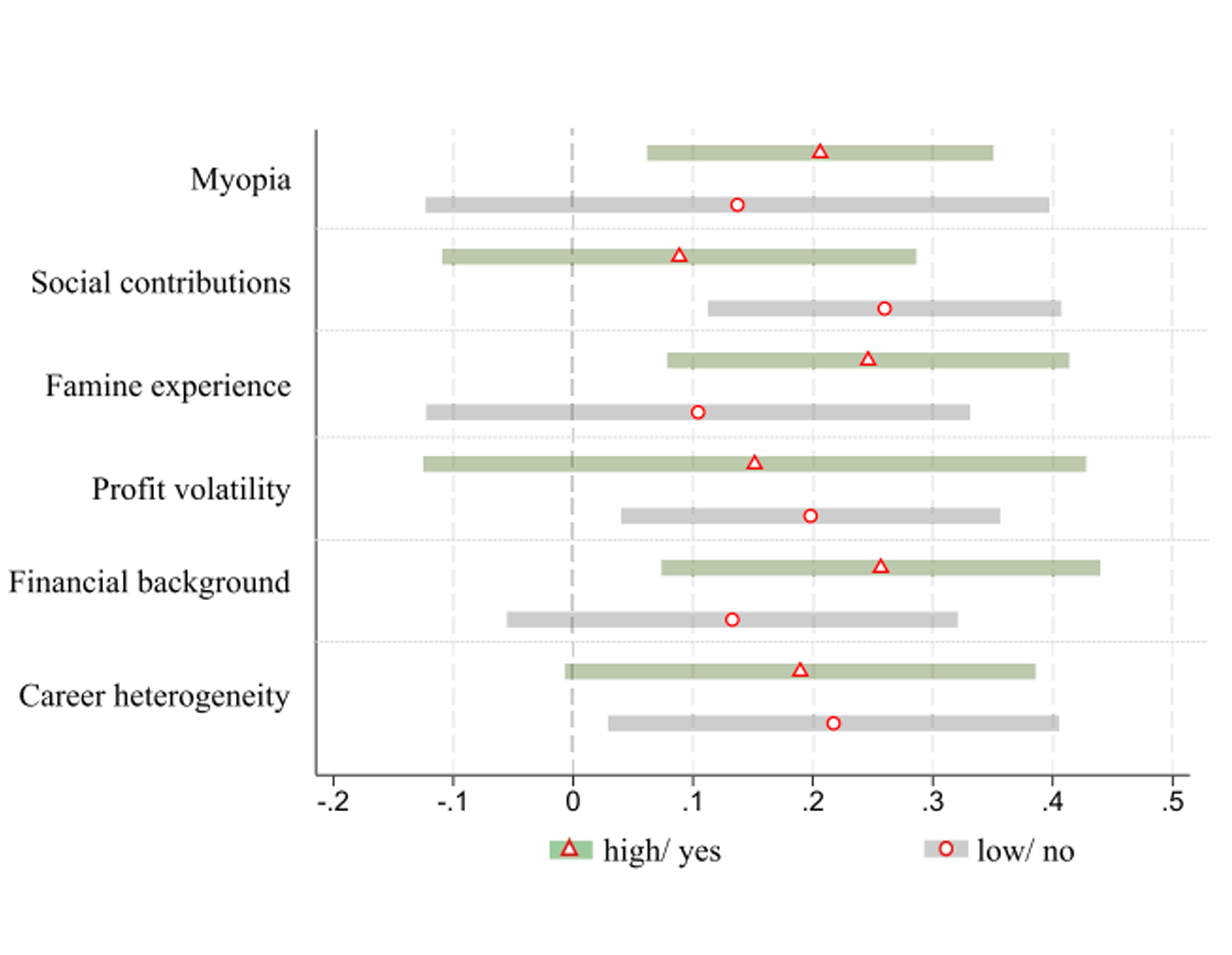
This paper studies corporate tax behavior under increasing risks related to climate change. Using observations for China's listed firms in climate-sensitive sectors from 2000 to 2020, our results highlight that tax avoidance has been employed to hedge climate change risks for climate-sensitive firms, whereas we do not find climate risk-induced avoidance behavior for nonclimate-sensitive firms. Increasing operating costs and financial distress associated with climate change risks motivates firms to reserve cash flow from tax payments. In the climate-sensitive sectors, firms with myopic, risk-averse, stronger financial background executives are more likely to adopt opportunistic tax strategies to deal with climate change risks. This paper deepens our understanding of how managerial characteristics shape corporate tax strategy and behaviors for climate risk management.
High Temperature, Power Rationing, and Firm Performance
J. Dev. Econ, May'2025
Xinya Hao, Yongying Huang, Lin Zhang
This paper develops a theoretical framework and provides causal evidence explaining the rationality of government-imposed power rationing strategies during high-temperature periods in electricity systems lacking market mechanisms and price signals. By combining comprehensive panel data on Chinese firms with high-resolution meteorological data, we document robust evidence that high temperatures significantly reduce both electricity usage and operational performance among firms. We then construct supply shocks based on precipitation anomalies weighted by the inter-provincial hydropower dependence to identify power rationing. These analyses demonstrate the persistent prevalence of firm-level power rationing across China in recent years. Furthermore, we show that while redirecting electricity from industrial to residential sectors during heat-induced shortages reduces firm performance, this represents a welfare-maximizing outcome from a social planner’s perspective. Our findings reveal how climate change intensifies inter-sectoral electricity competition, with market inefficiencies playing a critical role in explaining China’s rationing patterns.

Effects of Ownership Reform on Energy and Emission Intensity of Chinese Firms
Energy J., March'2025
Yunguo Lu,Zhe Jiang, Lin Zhang
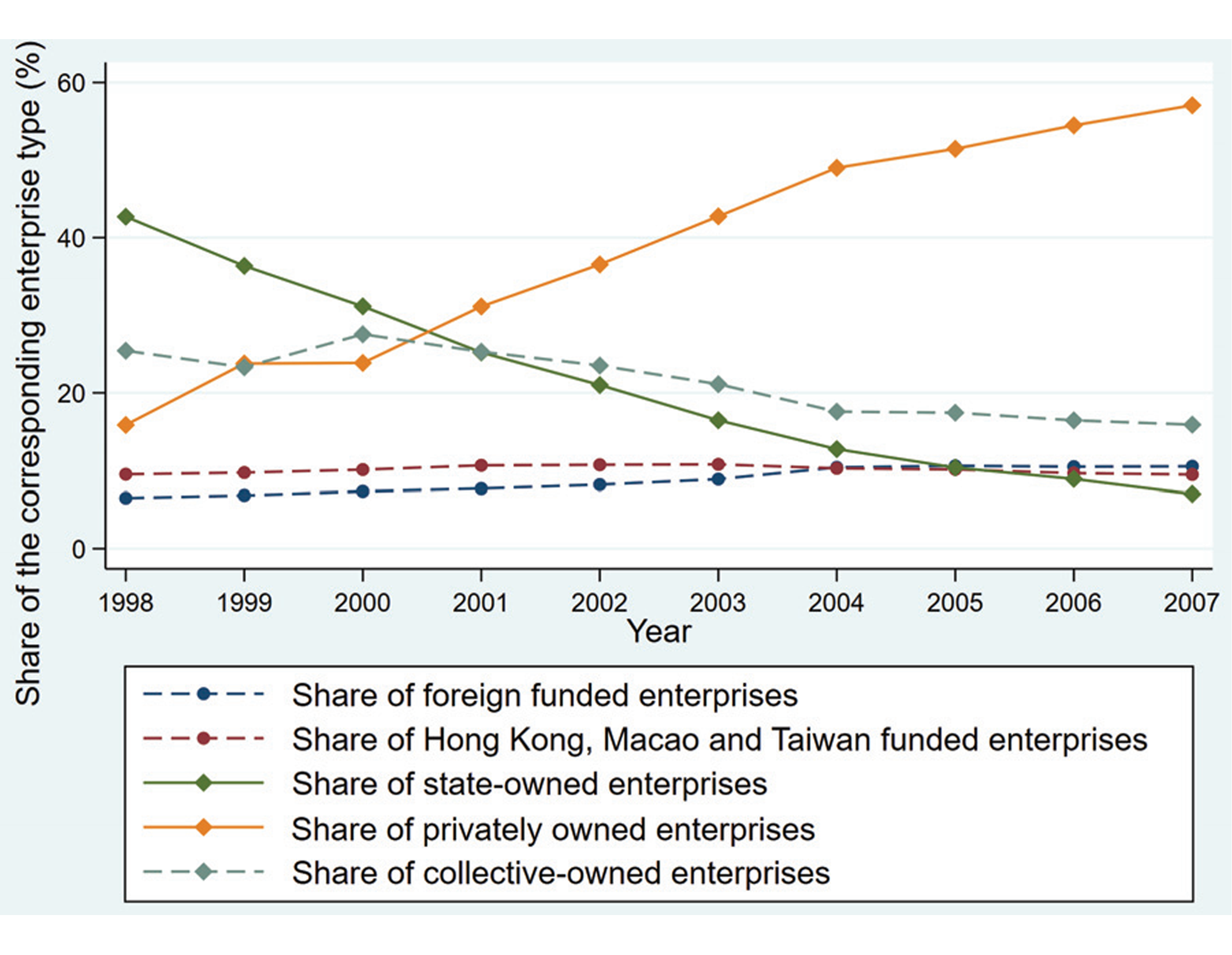
This study examines the effect of privatization on the pollution emission intensity of companies by exploiting the quasi-natural experimental ownership reforms of state-owned enterprises in China. By matching corporate pollution emissions with firm-level microdata from 1998 to 2007, we employ a difference-in-differences strategy to identify the environmental effects of privatization. Our findings reveal a significant increase in corporate SO2 intensity and smoke and dust intensity by 12.5 percent and 12.3 percent, respectively. The magnitude of the effect varies significantly across regions and differs by the nature of ownership. We observe significant changes in production technologies and environmental mitigation strategies in state-owned enterprises (SOEs) after privatization. Privatized SOEs undergo major changes in their corporate energy input structures and tend to make a significant strategic shift in their approach to pollution mitigation, investing less in environmental innovation in production and focusing more on end-of-pipe treatments.
Working Papers
Public and Private Provision of Clean Air: Evidence from Housing Prices and Air Quality in China
Lin Zhang, Huanhuan Zheng
This paper explores the dynamic interaction between housing prices and air quality in a growing economy with changing preferences using panel vector auto-regression. We document robust evidence that better air quality is rewarded by the market with higher housing prices and that faster housing price growth in turn contributes to further air quality improvements.

- All
- 笔墨之林
- 拾光
- Journal Abstracts





Lin Zhang
Professor
Wei Jin
Research Associate
Minglai Li
Assistant Professor
Zekai Ni
Ph.D. Candidate
Qiang Li
Ph.D. Candidate
Lidong Chen
Joint Ph.D. Candidate (CityU-UCAS)
Guanru Zhang (Crystal)
Co-supervised Ph.D. Candidate (PIA)
Anlan Lin
Ph.D. Candidate
Yao Tang
Joint Ph.D. Candidate (CityU-RUC)
Ruting Wang
Post-doc
Junyan TANG
Ph.D. Candidate
Ziqiao ZHOU
Post-doc
Rui BAI
Visiting Fellow