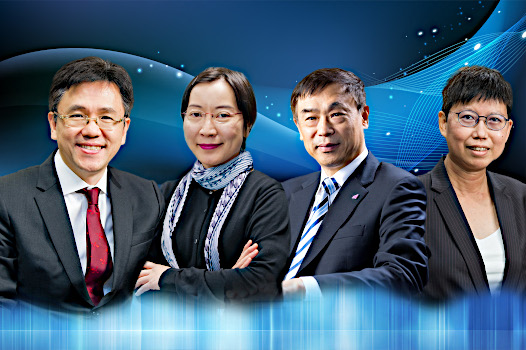
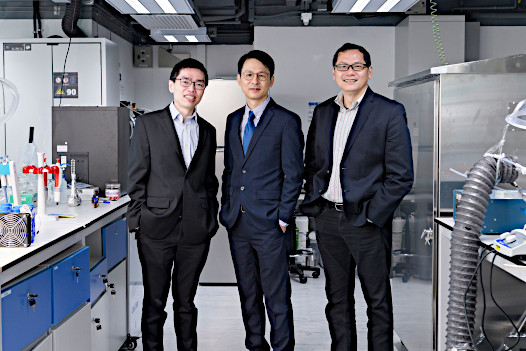
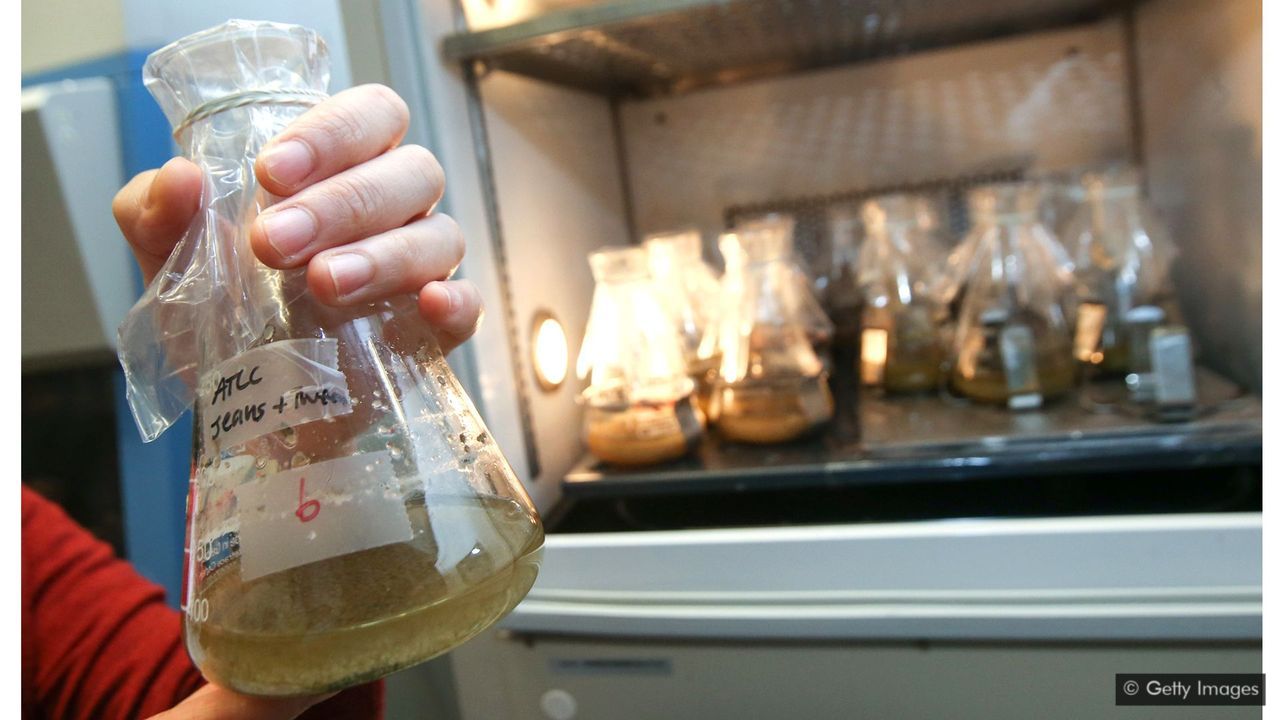
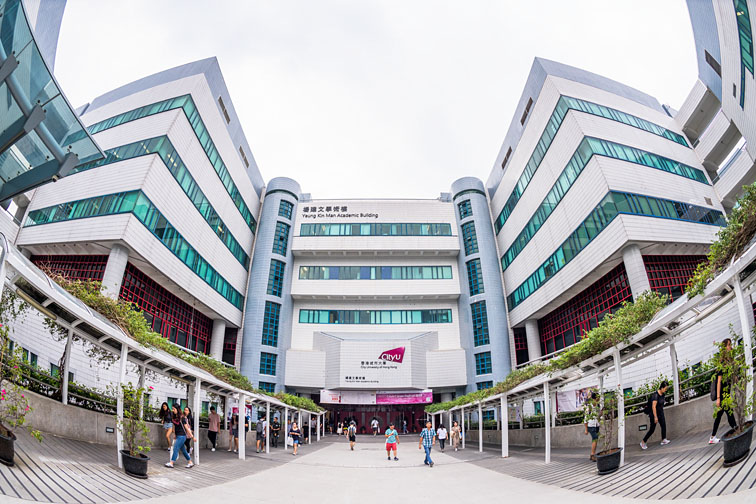
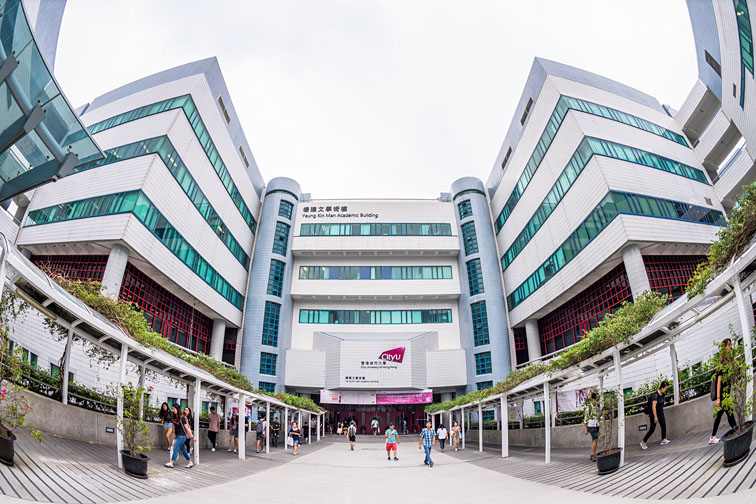
Dr. Carol Lin, Associate Professor in SEE, is coordinating a project on reducing the transmission of the novel coronavirus and other infectious diseases using food waste-derived medical textiles via electrospinning for healthcare apparel and personal protective equipment (PPE).
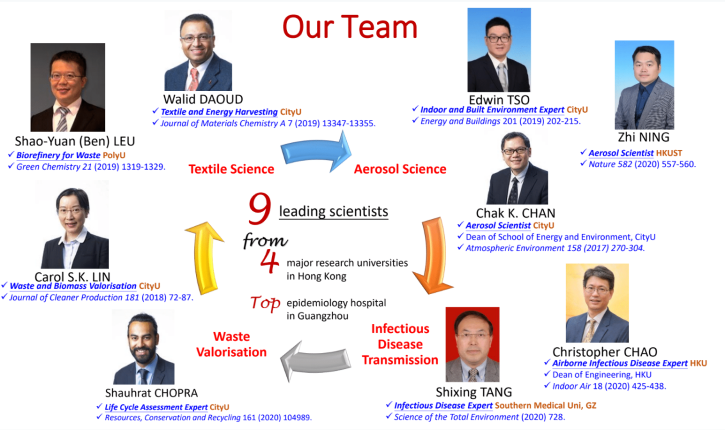
Dr. Carol Lin, an expert on microbial fermentation and bioprocessing, will lead the project in collaboration with nine leading scientists from disciplines of aerosol dynamics, infectious disease transmission risk and epidemiology, medical textile materials, sustainability, and waste valorisation in four major research universities in Hong Kong and the top epidemiology hospital in Guangzhou. SEE faculty members Prof. Chak K. Chan, Dr. Shauhrat Chopra, Dr.
Fast fashion is leading to a mountain of clothing being thrown away and has a huge impact on the environment. The fashion industry is responsible for 10% of all greenhouse gas emissions in the world.
Dr. Alicia An’s paper "PDMS/PVDF hybrid electrospun membrane with superhydrophobic property and drop impact dynamics for dyeing wastewater treatment using membrane distillation" is listed as one of the most cited articles in Journal of Membrane Science (top journal in the field of membrane science).
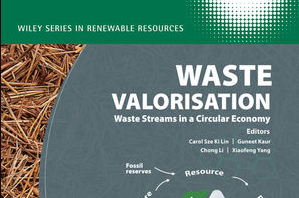
Dr. Carol Lin, Associate Professor, and alumni of her research team, recently published a book entitled " Waste Valorisation: Rethinking Waste streams in a Circular Economy "
SEE strives for research excellence to enhance sustainability and livability of megacities like Hong Kong, as well as adapting them for climate change. Below is the list of SEE projects that succeeded in obtaining GRF grants.
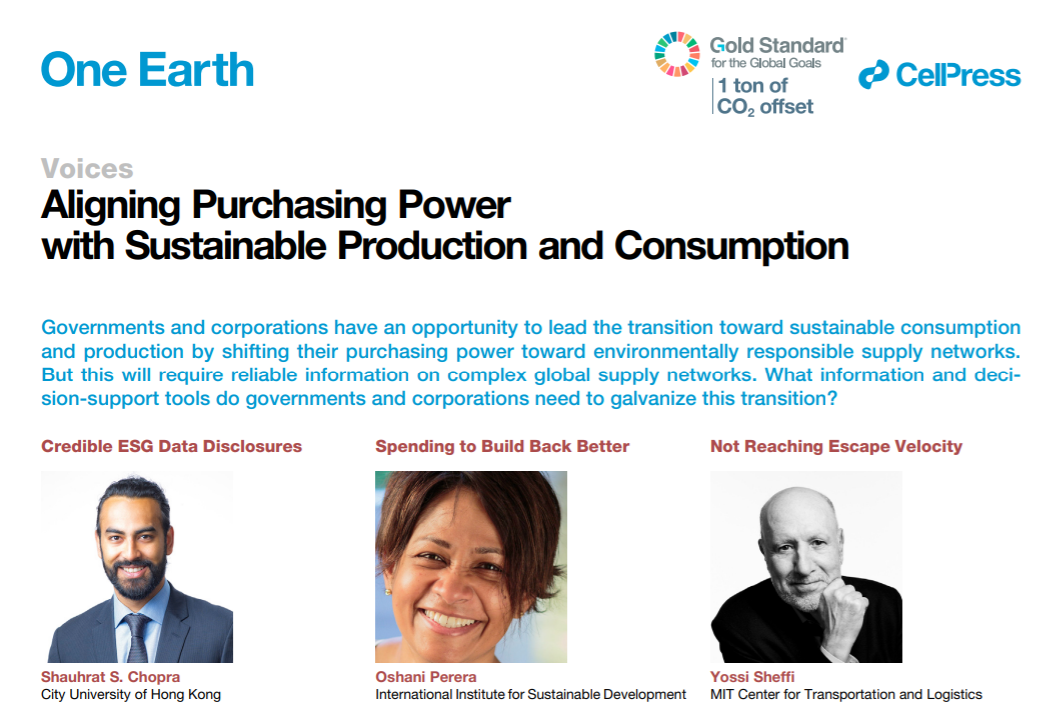
Dr Shauhrat S. Chopra, Assistant Professor, was invited by One Earth to share his opinion as part the Voices article on "Aligning Purchasing Power with Sustainable Production and Consumption".
Nitrogen dioxide (NO2) pollution causes serious environmental problems and poses substantial health threats to human beings. NO2 leads to the formation of photochemical smog, acid rain, as well as some human diseases.
Prof. Wen-Xiong Wang received a funding with an amount of HK$3.45M from TUYF on a research project entitled "Life History Characteristics and Population Dynamics of the Four-Fingered Threadfin Fish".