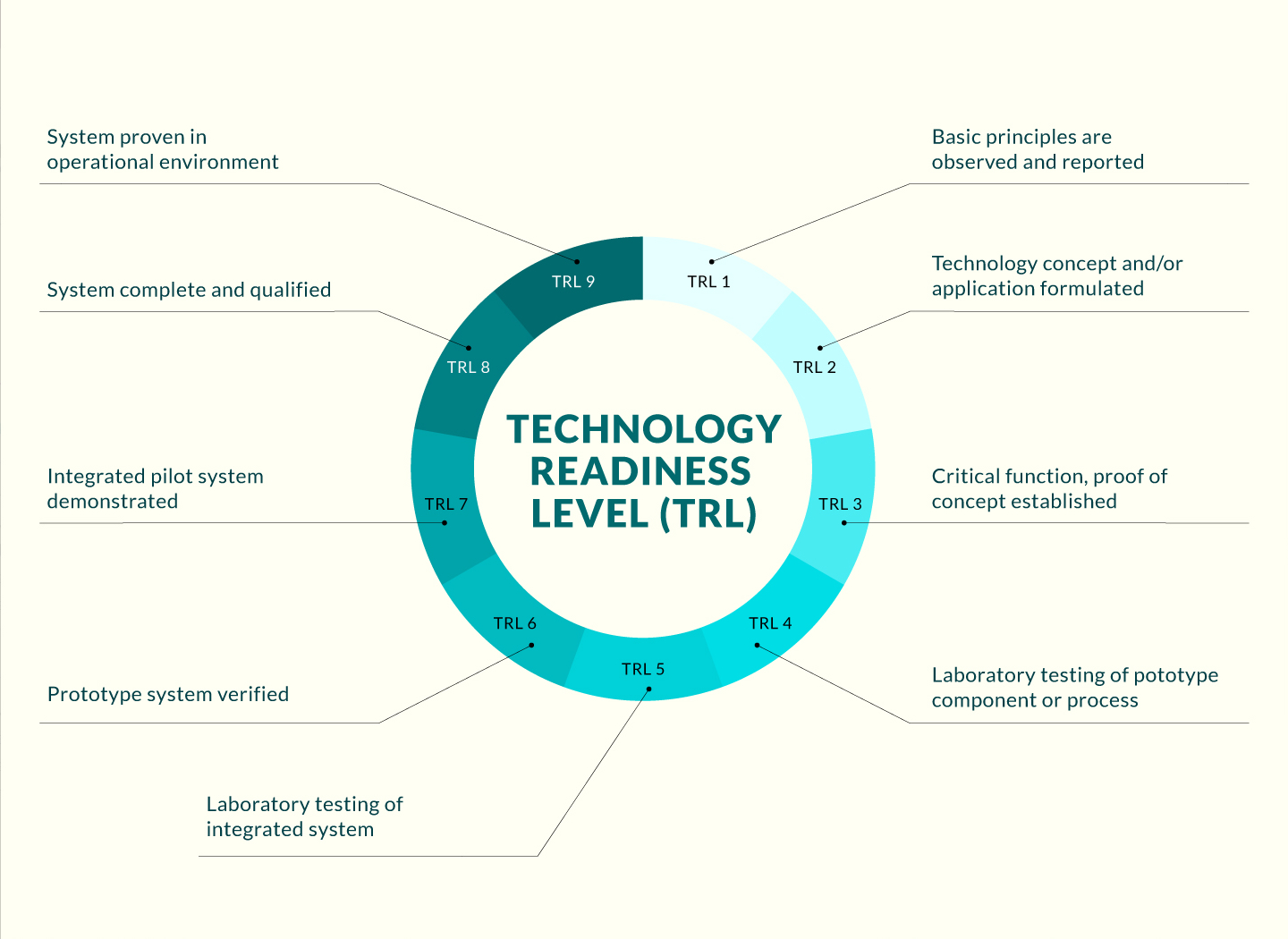


Opportunity
RNA G-quadruplexes (rG4s) are stable secondary structures formed by guanine-rich sequences in RNA and play crucial roles in regulating key cellular processes such as transcription, splicing, translation, and RNA stability. Their dysregulation has been increasingly linked to various diseases, including cancers and neurodegenerative disorders, making them attractive therapeutic targets. However, selectively targeting a specific rG4 structure of interest remains a significant challenge due to the high structural similarity among different rG4s. Existing tools, such as small-molecule ligands, peptides, and antibodies, often lack the necessary specificity to distinguish between individual rG4 targets. This limitation hinders both fundamental biological research and the development of precise therapeutic interventions. In particular, the rG4 structure within the 3'-untranslated region (UTR) of the amyloid precursor protein (APP) gene is implicated in Alzheimer's disease pathology, but a tool capable of selectively recognizing and modulating this specific structure has been lacking. There is a clear and pressing need for novel, highly specific molecular tools that can accurately target individual rG4 structures to enable detailed study and potential therapeutic manipulation.
Technology
This patent discloses a novel conjugate designed to overcome the specificity challenge in rG4 targeting. The technology is an L-form ribonucleic acid (L-RNA) aptamer-antisense oligonucleotide (ASO) conjugate. It combines two functional modules: an L-RNA aptamer and a DNA-based antisense oligonucleotide (ASO). The L-RNA aptamer, composed of the sequence SEQ ID NO: 1, is engineered to specifically recognize the three-dimensional structure of the target rG4, in this case, the rG4 within the APP gene's 3'-UTR. The ASO component, comprising a sequence selected from SEQ ID NOs: 2, 3, or 4, is complementary to the single-stranded flanking region adjacent to the target rG4, providing a second layer of sequence-specific recognition through Watson-Crick base pairing. These two modules are covalently linked via a click chemistry reaction, creating a bifunctional molecule. This dual-recognition strategy—structural targeting by the aptamer and sequence targeting by the ASO—confers exceptional specificity for the intended APP rG4 over other structurally similar rG4s or non-target nucleic acids. The conjugate can be further modified, for example, with a fluorescein label at the 5'-end of the ASO, enabling its use in imaging applications.
Advantages
- Unprecedented Specificity: The dual-recognition mechanism (structure + sequence) enables highly selective targeting of a single, specific rG4 structure (e.g., APP rG4), overcoming a major limitation of existing G4 ligands.
- Multifunctional Utility: Serves as both a diagnostic imaging tool and a therapeutic agent for modulating gene expression.
- Enhanced Binding Affinity: The conjugate demonstrates significantly stronger binding affinity (nanomolar Kd values) to its target compared to the aptamer alone.
- Nuclease Resistance: The use of L-RNA for the aptamer component confers high resistance to degradation by endogenous nucleases, improving stability for in vitro and potential in vivo applications.
- Mechanistic Versatility: Can inhibit target gene expression through two potential mechanisms: steric hindrance of translation by stabilizing the rG4 structure and recruitment of RNase H to degrade the target mRNA via the DNA-RNA hybrid formed by the ASO.
- Modular Design: The platform is potentially adaptable by swapping the ASO sequence to target different rG4s with distinct flanking sequences.
Applications
- Research Tool: For specific detection, visualization, and study of individual rG4 structures in cells using fluorescence microscopy.
- Therapeutic Development: As a potential therapeutic agent for diseases linked to specific rG4s, such as targeting APP for Alzheimer's disease.
- Gene Expression Regulation: To selectively suppress the expression of disease-related genes (e.g., APP) by inhibiting translation or promoting mRNA degradation.
- Mechanistic Studies: For investigating the biological functions and protein interactions (e.g., with helicases like DHX36) of specific rG4 structures.
- Diagnostic Probes: Development of highly specific probes for detecting disease-associated RNA structures in biological samples.