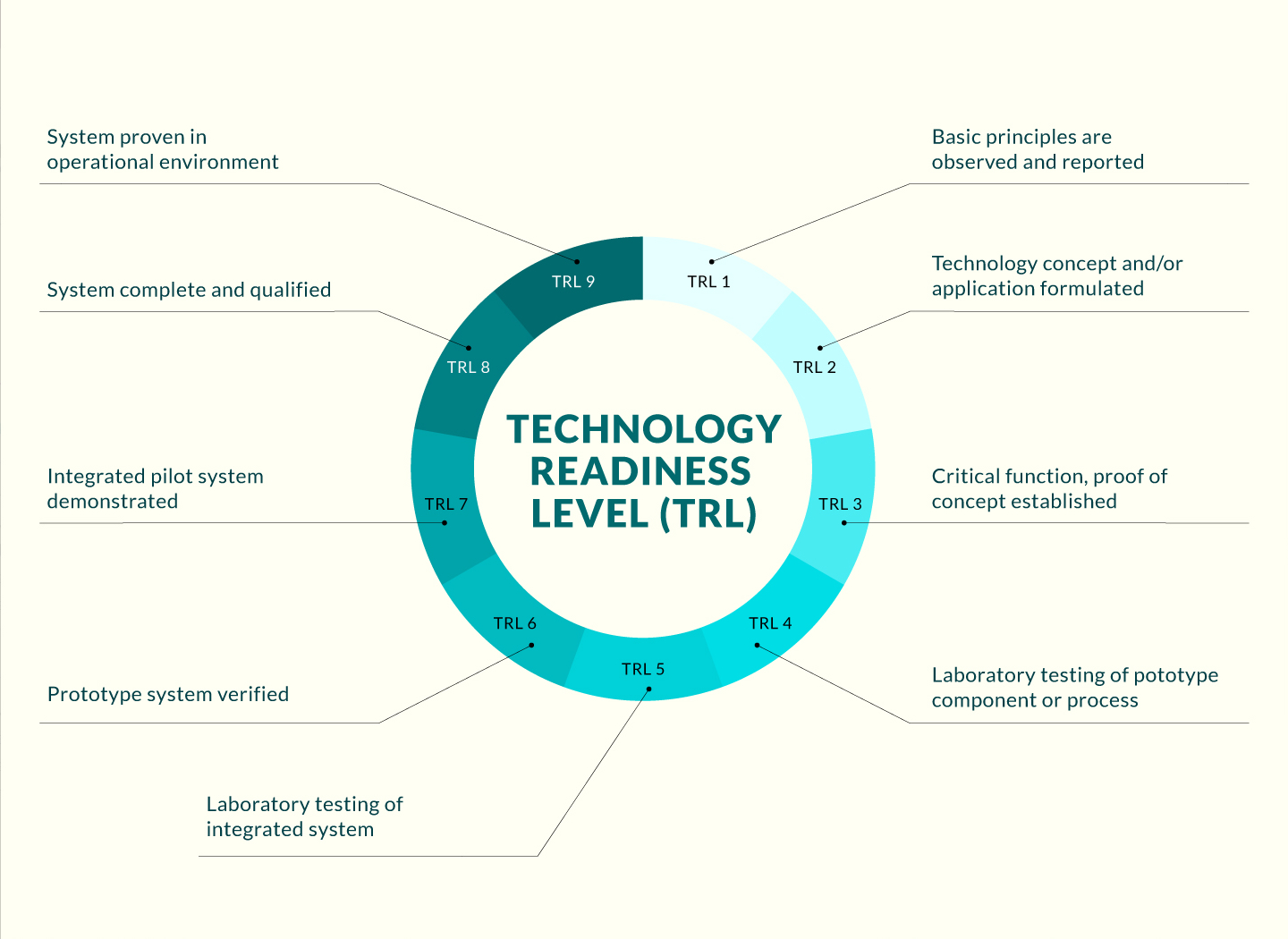


Opportunity
The global push for carbon neutrality has highlighted the need to replace conventional electricity-driven air-conditioning systems with more sustainable alternatives. Traditional systems contribute significantly to building electricity demand and carbon emissions. Additionally, independent control of temperature and humidity is critical for occupant comfort and health, but existing systems like desiccant dehumidification face challenges such as bulkiness, air heating during dehumidification, and shorter equipment lifespans. Conventional vacuum dehumidification offers an isothermal process but relies on energy-intensive electrical vacuum pumps, which are noisy and inefficient. There is a clear opportunity to develop a heat-driven system that integrates radiant cooling with vacuum dehumidification, leveraging renewable energy or waste heat to reduce carbon emissions while providing precise humidity and temperature control.
Technology
The patent introduces an Integrated Adsorption Cooling and Vacuum Dehumidification System. This system combines a vacuum dehumidification section with an adsorption chiller to simultaneously provide cooling and dehumidification. Key innovations include:
- Vacuum Section with Selective Membrane: A hydrophilic membrane separates the vacuum section into a feed side (contacting moist air) and a low-pressure side. The pressure difference drives water vapor extraction from the air stream.
- Adsorption-Desorption Cycle: The system uses a two-bed (adsorption/desorption chambers) setup. The adsorption chamber, cooled by a water supply, adsorbs moisture from the vacuum section, while the desorption chamber, heated by a hot water supply, releases vapor into the condenser.
- Heat-Driven Operation: The system is powered by solar thermal energy or waste heat, eliminating the need for electrical vacuum pumps and reducing carbon emissions.
- Condensate Recycling: Condensed water from the condenser is directed back to the evaporator via a motorized control valve and expansion valve, optimizing cooling capacity and dehumidification efficiency.
- High-Temperature Radiant Cooling: The system generates chilled water at an elevated temperatures (e.g., 20°C) suitable for radiant cooling systems, improving energy efficiency.
Advantages
- Reduced Carbon Emissions: Utilizes renewable/waste heat instead of electricity.
- Energy Efficiency: Achieves higher coefficient of performance (up to 44% improvement) and cooling capacity (79% increase) compared to conventional adsorption chillers.
- Isothermal Dehumidification: Vacuum dehumidification avoids air heating, unlike desiccant systems.
- Compact Design: Eliminates bulky desiccant units and corrosive liquid desiccants.
- Flexible Load Control: Adjustable condensate flow to the evaporator optimizes sensible-to-latent cooling ratios.
Applications
- Commercial/Residential Buildings: Sustainable air-conditioning with independent temperature/humidity control.
- Tropical/Subtropical Regions: High-performance dehumidification and cooling in humid climates.
- Solar/Waste Heat Integration: Ideal for solar thermal systems or industrial waste heat recovery.
- Radiant Cooling Systems: Provides high-temperature chilled water for energy-efficient radiant panels.