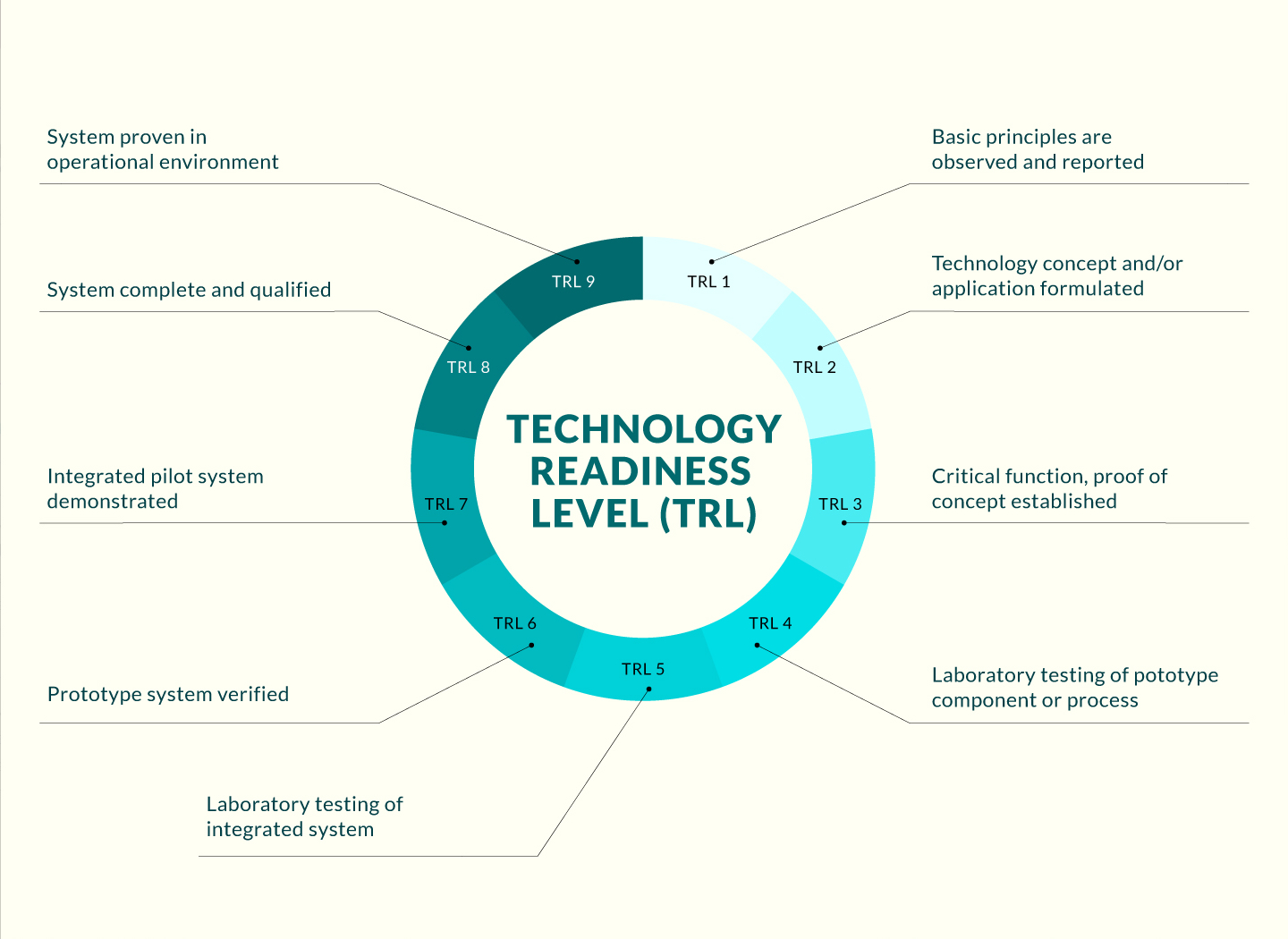


Opportunity
The proliferation of wearable electronics, foldable phones, and devices with flexible screens has created a significant demand for reliable, high-performance power sources that can conform to dynamic shapes and endure repeated bending or twisting. Traditional flexible batteries often face a critical trade-off: to achieve higher energy capacity and volume energy density, they employ multilayer stacks of electrodes and separators, but these rigid, thick stacks inherently compromise mechanical flexibility. When such multilayer batteries are bent, the outer layers endure tensile strain while the inner layers face compressive strain, leading to layer slippage, delamination, and subsequent capacity fading. Moreover, the increased thickness from stacking reduces overall bendability. Existing solutions may offer flexibility but at the cost of low energy density, or they provide high capacity but poor durability under mechanical stress. This patent addresses the opportunity to develop a battery architecture that simultaneously delivers high flexibility, durability, and high volume energy density, meeting the stringent requirements of next-generation flexible and wearable electronic devices.
Technology
The invention introduces a novel battery architecture comprising a plurality of discrete energy storage units interconnected by flexible linkages, all encapsulated within a flexible enclosure. The core innovation lies in this segmented design, where each energy storage unit is a thicker, folded, wound, or spiral-structured multilayer stack (anode/separator/cathode) that provides high energy density, while the interconnecting flexible linkages are thinner, more pliable portions of the same multilayer structure that physically and electrically connect adjacent units. This design decouples the mechanical and electrical functions: the rigid units store energy efficiently, and the flexible linkages absorb mechanical stress, allowing the units to move relative to each other during bending, twisting, or stretching. The multilayer structure itself is engineered as a "strain-relieving" stack. Key embodiments include using electrodes of different thicknesses (e.g., a double-coated cathode with a single-coated anode) to better manage strain distribution during bending. Additionally, buffer members like rubber spacers can be inserted between units for further stress relief. The energy storage units can be shaped as cubes, cuboids, cylinders, or triangular prisms, with the latter capable of combining to form a hexagonal prism for compact, shape-adaptive packaging. The manufacturing method involves providing a continuous multilayer structure, segmenting it into interconnected sections, and then selectively folding, winding, or bending specific segments to form the rigid energy storage units while leaving other segments as thin, flexible linkages, followed by encapsulation.
Advantages
- Achieves high mechanical flexibility (bendable, twistable, stretchable) without sacrificing volume energy density or specific capacity.
- The strain-relieving multilayer structure and segmented design minimize internal stress and layer slippage during deformation, enhancing durability and cycle life.
- Enables versatile shape transformation (e.g., into U-shapes, rings, waves) to fit various form factors and compact spaces within devices.
- Maintains stable electrochemical performance (capacity, Coulombic efficiency) across different bending states.
- Manufacturing process is compatible with and requires only minor modifications to conventional battery production lines, facilitating large-scale production at low cost.
- The architecture is adaptable to various battery chemistries (e.g., lithium-ion, zinc-ion, sodium-ion).
Applications
- Power sources for flexible and foldable consumer electronics (e.g., foldable smartphones, rollable tablets, flexible displays).
- Wearable electronics and smart clothing (e.g., fitness trackers, health monitoring sensors, electronic textiles).
- Flexible medical devices and electronic skin (e-patch) for healthcare monitoring.
- Power supplies for soft robotics and flexible sensors in industrial or research settings.
- Compact, shape-conforming batteries for military equipment or aerospace applications.
- Energy storage for IoT devices with unconventional form factors.