

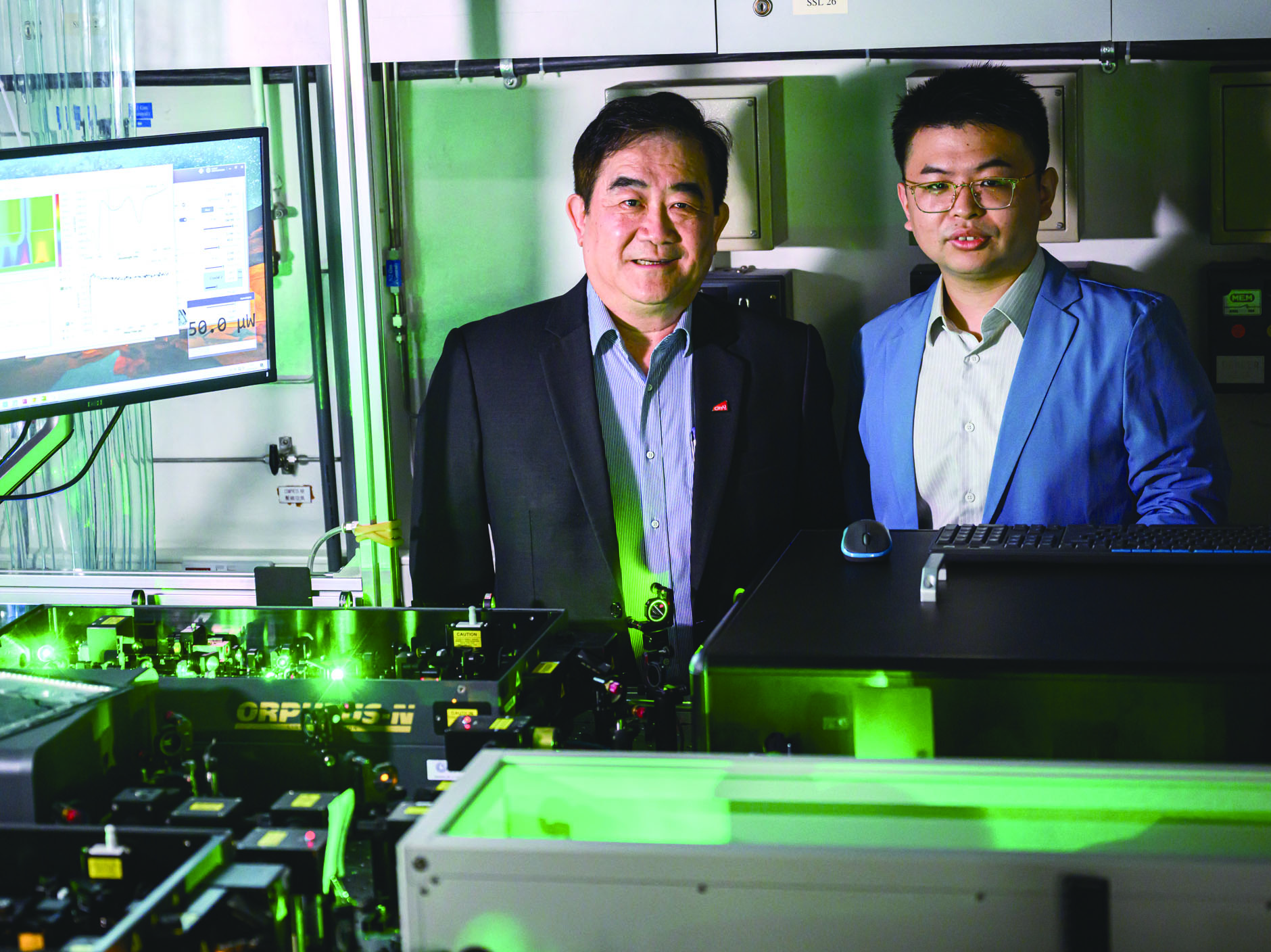
In organic photovoltaics (OPV), low-energy spin-triplet excitons have long been regarded as “energy traps” that often dissipate energy as heat rather than contributing to light-to-electricity conversion. A research team from City University of Hong Kong (CityUHK) has recently overcome a technological bottleneck that has persisted for over a decade. They successfully “turned waste into treasure” by recycling triplet excitons and converting them into effective charge carriers for electricity generation. Using this new approach, they achieved an efficiency of 20.5% in OPV cells.
Led by Professor Alex Jen Kwan-yue, Lee Shau Kee Chair Professor of Materials Science at CityUHK’s Department of Chemistry, the team studied an organic photovoltaic system incorporating a new acceptor material, FTh-4F. They observed that the lifetime of free charge carriers in this system is significantly longer than that of spin-triplet excitons. This finding challenges the conventional understanding and suggests that triplet excitons can dissociate back into free charge carriers instead of simply decaying into heat.
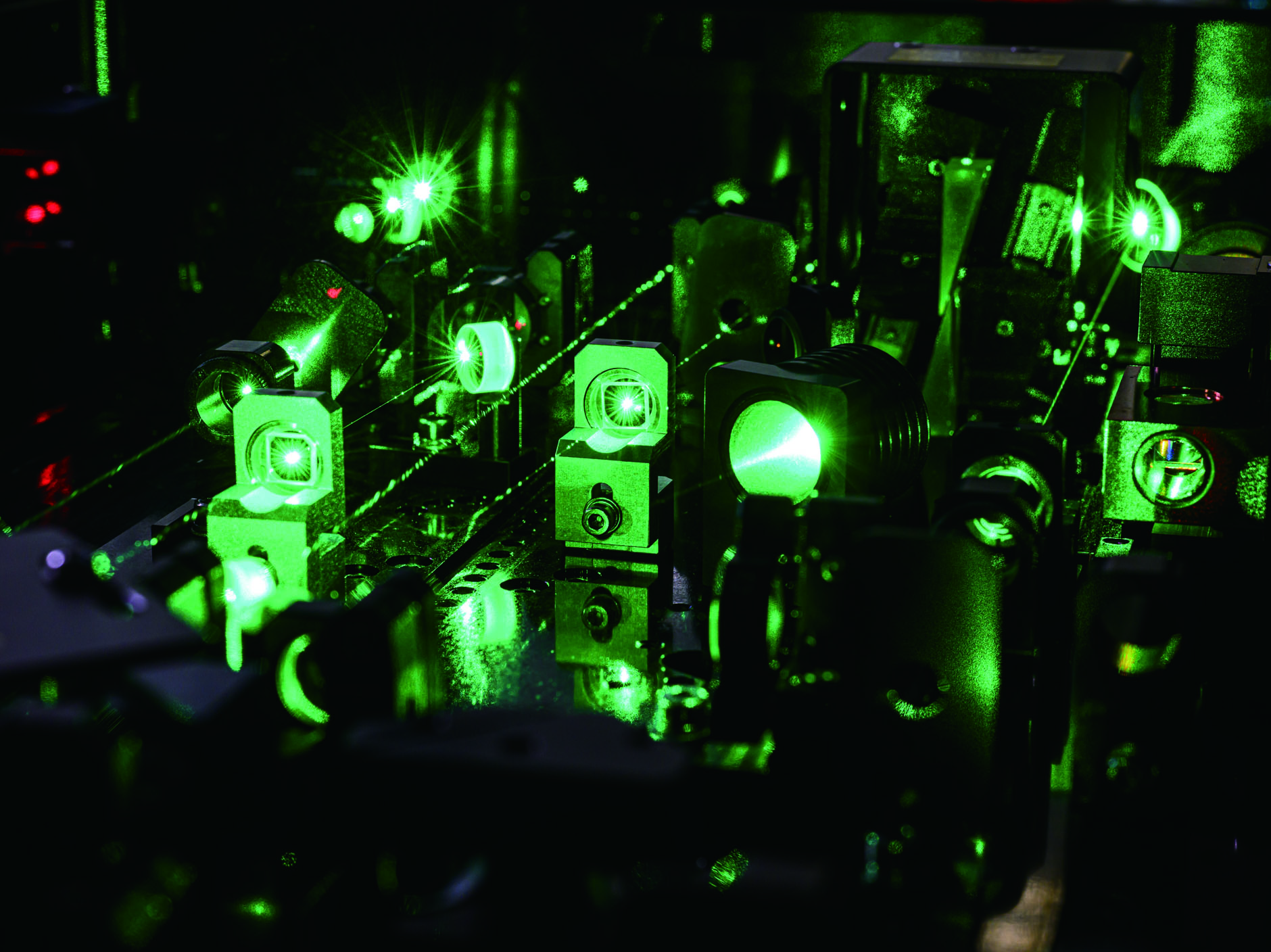
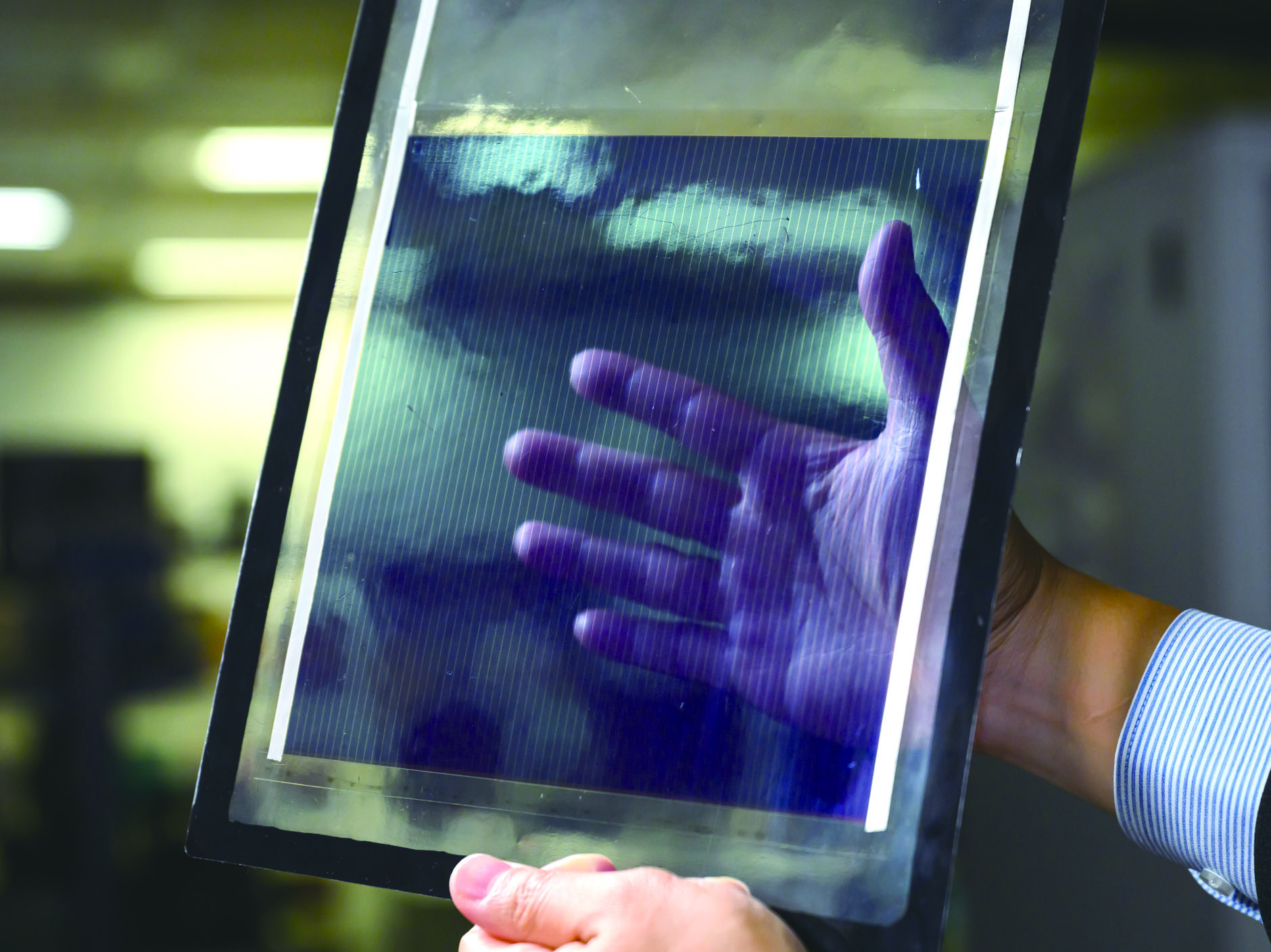
In follow-up experiments by increasing the concentration of triplet excitons through sensitisation, the team successfully demonstrated that triplet excitons can be re-dissociated into extractable free charge carriers via interfacial triplet charge-transfer states. By fine-tuning the side-chain structure and exciton delocalisation in aggregates, the singlet-triplet band gap of the acceptor can be effectively reduced to facilitate the dissociation of triplet excitons. FTh-4F was used as a ternary component in organic photovoltaic devices to recycle triplet excitons to successfully increase the power conversion efficiency (PCE) to 20.5%. The findings were published in Nature under the title “Recycling of Spin-Triplet Excitons in Organic Photovoltaics”.
Professor Jen pointed out that subsequent experiments in the lab have pushed the efficiency of organic solar cells beyond 21%, establishing a new scientific foundation and engineering pathway for the development of next-generation, high-performance organic photovoltaic devices.
This article originated from CityUHK News Centre.