Exhibits
Garden
Chilai Howard is a Hong Kong-based interdisciplinary artist and designer whose experimental works explore human consciousness and sensory experience through moving images and mixed-media installations. Founder of NNNNNNN., he has exhibited internationally and received major recognition, including the Red Dot Design Award, HKMA/ViuTV Award, and HKADC Young Artist Award.
NNNNNNN. is an award-winning Hong Kong design studio led by Chilai Howard, specialising in graphic arts and spatial design. Its works have been featured in major international museums and festivals, including Tate Modern, ZKM, and MOCA Taipei. The studio has received accolades from Red Dot, GOOD DESIGN, DFA, and Muse Awards.

1
Ecological Seawalls

Ecological Seawalls
Ecological Seawalls

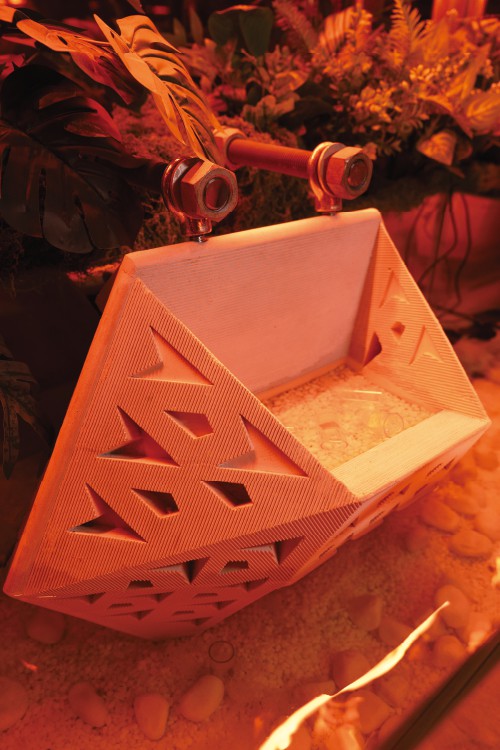
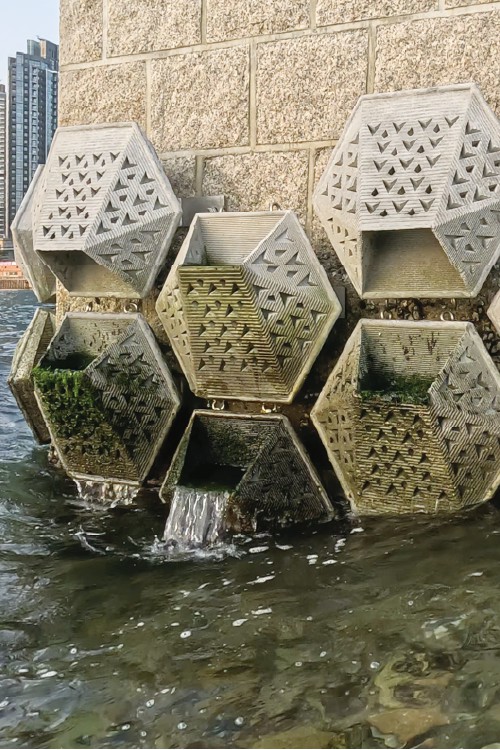
Ecological seawalls are coastal structures designed with ecoengineering principles to reduce wave impact while providing habitats for marine life. Featuring biomimetic surfaces and textured cavities, these polygonal units encourage the growth of algae, molluscs, and fish, restoring ecological balance and aesthetic harmony along urban shorelines.


Professor Kenneth Leung Mei Yee
Professor Kenneth Leung is a leading marine ecologist and Chair Professor at CityUHK, specialising in water quality and ecological risk assessment. His pioneering work in sustainable ocean management and blue infrastructure transforms research into real-world applications, inspiring future generations to protect marine ecosystems.

The State Key Laboratory of Marine Environmental Health advances research on marine pollution, ecotoxicology, and ecosystem health, and promotes innovative monitoring and remediation technologies through global, interdisciplinary collaboration. Beyond supporting national and Greater Bay Area policies, it also aligns with UN ocean and climate goals and contributes to international sustainable development initiatives.
afterNATURE designs living shorelines and seawalls that restore coastal biodiversity. Drawing from years of research on intertidal and subtidal habitats, its ecological designs integrate art, science, and engineering to rejuvenate marine environments, support climate adaptation, and promote a more resilient and naturepositive future.

2
Artificial Mussels

Artificial Mussels
Artificial Mussels

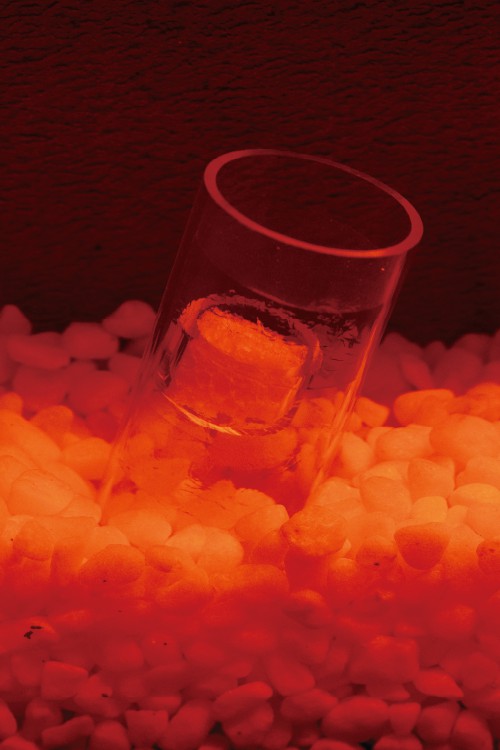
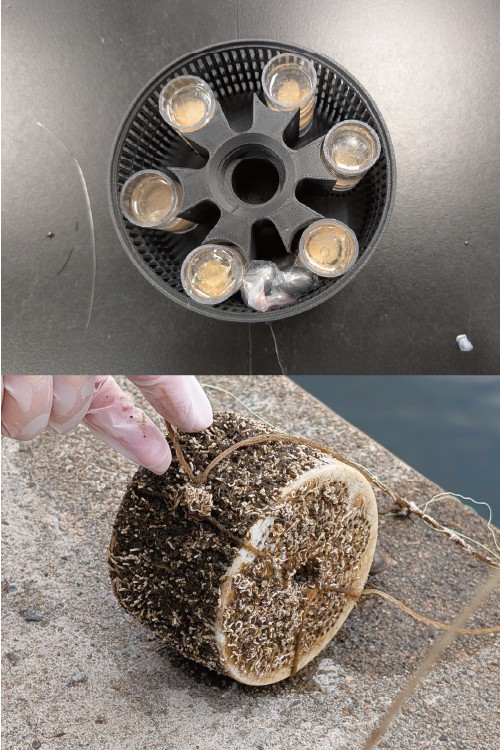
The Artificial Mussel is a biomimetic passive sampler that concentrates trace heavy metals and radionuclides from diverse waters, and, through recent collaboration with CityUHK’s State Key Laboratory of Marine Environmental Health and smart-sponge technology, now extends to organic pollutants. Low-cost, zero-energy, and easy to deploy, it enables long-term, basin-scale aquatic risk assessment.


Dr. Ron Ng Chi On
Dr. Ron Ng holds a PhD in Chemistry from CityUHK and specialises in photo‑functional materials and molecular sensors for environmental applications. As one of the cofounders and CEO of NerOcean, he leads the commercialisation of innovations such as the replaceable photo‑sensing film dissolved oxygen sensor and the Artificial Mussel for large‑scale water quality and radionuclide monitoring.

NerOcean is a Hong Kong–based sensing technology startup from CityUHK and EdUHK, creating low-maintenance, anti-biofouling in situ water-quality sensors and Artificial Mussel samplers. By turning water quality into actionable data, we now focus on climate action—supporting decarbonisation, climate-risk management, and resilient blue-economy development with practical, scalable monitoring solutions.

3
Microalgae

Microalgae
Microalgae

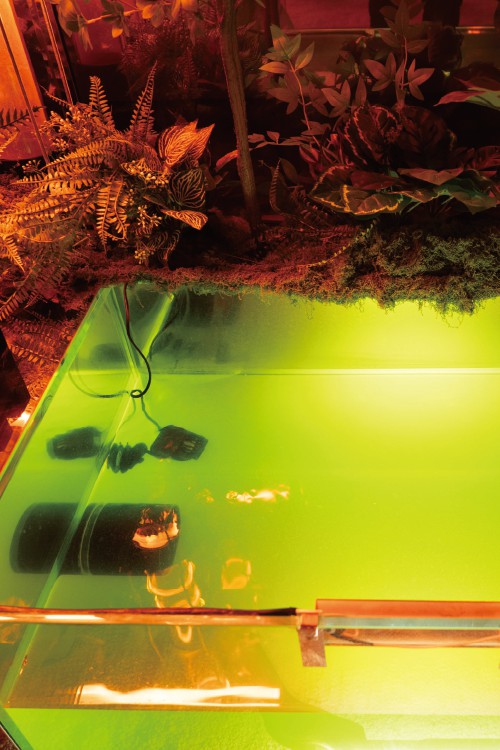
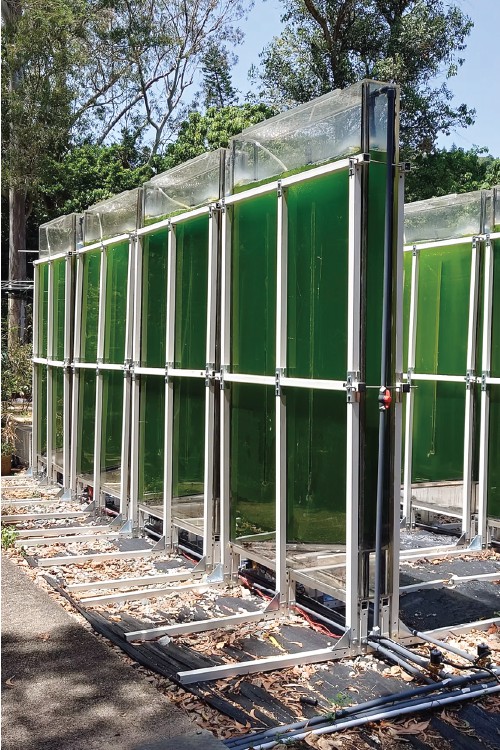
Microalgae are microscopic photosynthetic organisms that efficiently absorb carbon dioxide and release oxygen. Capable of processing up to 400 times more CO₂ than trees, they offer sustainable solutions for carbon reduction, biofuel production, and nutrient supply. Their rapid growth and versatility make them essential for future environmental and green technology innovations.


Dr. Nelson Ng Pok Him
Dr. Nelson Ng is the founder and CEO of Alcarbo Technologies Limited. Combining his passion for marine science and entrepreneurship, he develops innovative microalgae-based carbon reduction solutions. Supported by HK Tech 300, his team has won multiple awards and continues to drive sustainable innovation towards carbon neutrality.

Alcarbo has developed an innovative algae photobioreactor system that captures and converts carbon dioxide into valuable resources. Using microalgae that absorb 400 times more CO₂ than trees, the system produces useful by-products for cosmetics, biofuels, and supplements—offering Hong Kong a scalable, sustainable path towards carbon neutrality by 2050.

4
i2Film

i2Film
i2Film

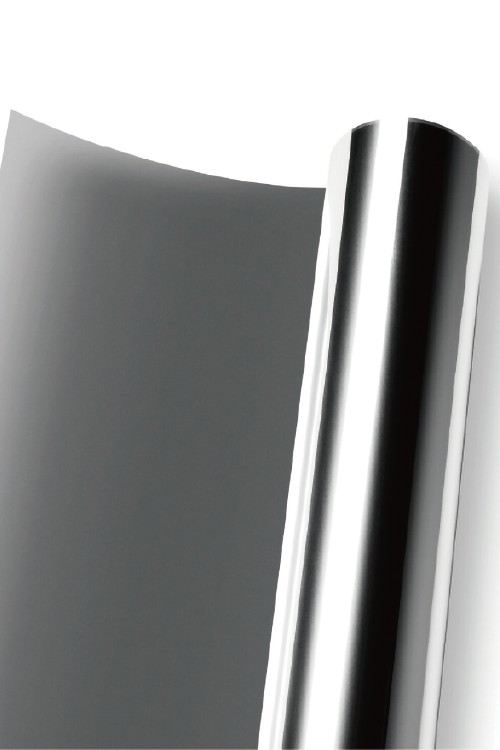
i2Film is an energy-free, eco-friendly cooling material based on passive radiative cooling technology. It reflects sunlight and emits heat efficiently, achieving temperatures below ambient levels without the need for electricity or refrigerants. This innovative film helps to reduce energy consumption and carbon emissions, supporting sustainable and net-zero building development.


Professor Edwin Tso Chi Yan
Professor Edwin Tso is an award-winning expert in thermal science and energy sustainability. His research on passive radiative cooling and thermochromic smart windows has advanced energy-efficient building technologies globally. A Fulbright fellow and UNESCO-endorsed programme leader, he champions innovations that reduce carbon emissions and promote sustainable development through intelligent building envelope materials.

i2Cool, a HK Tech 300 startup, develops patented passive radiative cooling technology that requires no energy or refrigerants. By reflecting solar radiation and efficiently emitting heat, it achieves cooling below ambient temperature, reducing energy consumption and carbon emissions while promoting sustainable, net-zero building and environmental development.
A research lab focused on resilient innovation and sustainable solutions—such as passive radiative cooling, smart windows, and AI-integrated building control—for addressing global environmental challenges.

5
GUIDi - AI Smart Belt

GUIDi - AI Smart Belt

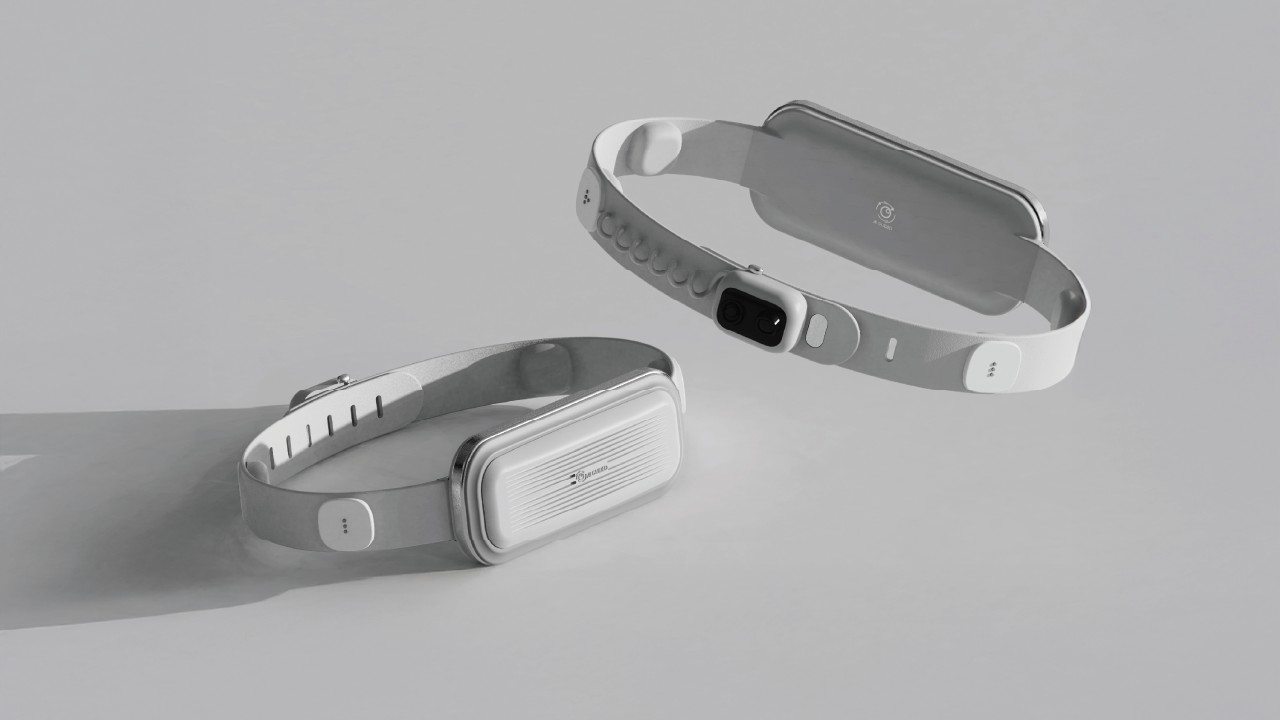
The AI smart belt GUIDi uses advanced optical and AI-powered modules to detect obstacles and provide directional guidance for the visually impaired. Through haptic feedback from vibrating motors, users receive clear proximity alerts and intuitive directional cues, enabling seamless navigation indoors and outdoors without GPS or internet connectivity.


Dr. Florence Chan Hiu Ling
Dr. Florence Chan, co-founder and CEO of AI Guided, combines her expertise in biomedical engineering and AI to develop innovative solutions for the visually impaired. Inspired by witnessing their daily struggles, she co-created GUIDi, an AIpowered smart belt that enables confidence and independence in navigation without relying on sight or sound.

AI Guided Limited, founded in 2020, develops innovative AI solutions like GUIDi to empower visually impaired individuals. By integrating real-time sensing, computer vision, and haptic feedback technologies, the company enhances users’ spatial awareness and mobility. Its mission is to improve lives through AI, creating a more inclusive and accessible world for all.

6
Hopcopter

Hopcopter
Hopcopter

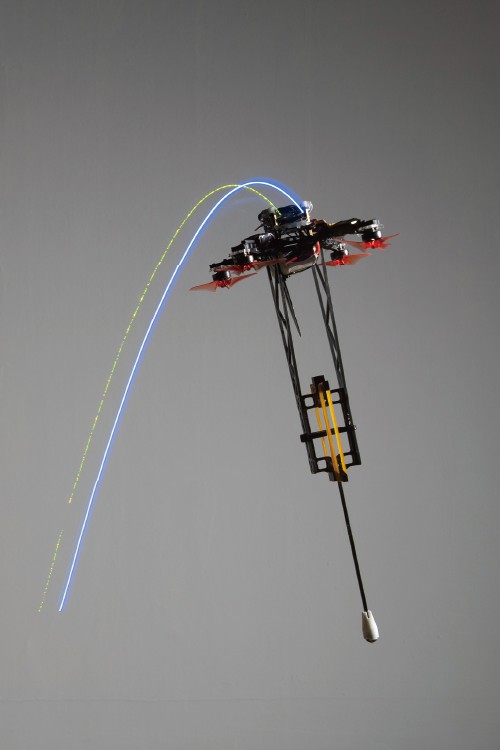
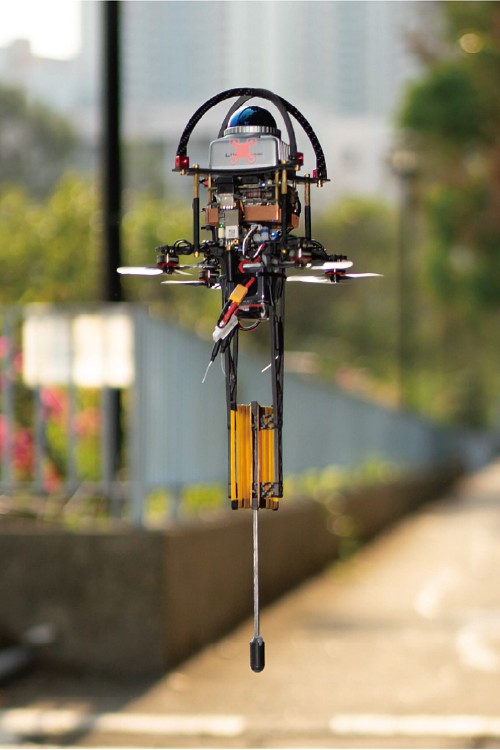
Hopcopter combines the agility of quadcopters with the efficiency of pogo-stick jumping. Developed by CityUHK’s RISLAB team, it integrates a telescopic leg with a multi-rotor system for seamless flight and hopping transitions. This biomimetic robot excels in terrain traversal and endurance, offering groundbreaking applications in rescue, exploration, and entertainment.


Professor Pakpong Chirarattananon
Professor Pakpong Chirarattananon, Associate Professor at CityUHK, specialises in bioinspired robotics, micro aerial vehicles, and hybrid locomotion. His research includes flapping-wing robots, revolving-wing drones, and multimodal multirotors. Widely published in Science and Nature, he received the 2021 IEEE King-Sun Fu Best Paper Award for his innovative robotic designs.

HopTo Technology Co., Limited, founded by CityUHK’s RISLAB team, develops advanced hybrid robots like Hopcopter. By merging flight and hopping capabilities, their innovations address challenges in robotics. With applications ranging from lunar exploration to disaster response, HopTo pioneers energy-efficient, multimodal robotic systems for complex environments and diverse industries.

Research for the exhibit was conducted by Songnan Bai, Runze Ding, Song Li, Ruihan Jia, and Pakpong Chirarattananon, with Fangzheng Wang leading HopTo Technology Co.
Kitchen
Chilai Howard is a Hong Kong-based interdisciplinary artist and designer whose experimental works explore human consciousness and sensory experience through moving images and mixed-media installations. Founder of NNNNNNN., he has exhibited internationally and received major recognition, including the Red Dot Design Award, HKMA/ViuTV Award, and HKADC Young Artist Award.
NNNNNNN. is an award-winning Hong Kong design studio led by Chilai Howard, specialising in graphic arts and spatial design. Its works have been featured in major international museums and festivals, including Tate Modern, ZKM, and MOCA Taipei. The studio has received accolades from Red Dot, GOOD DESIGN, DFA, and Muse Awards.

7
Smart Sponge

Smart Sponge

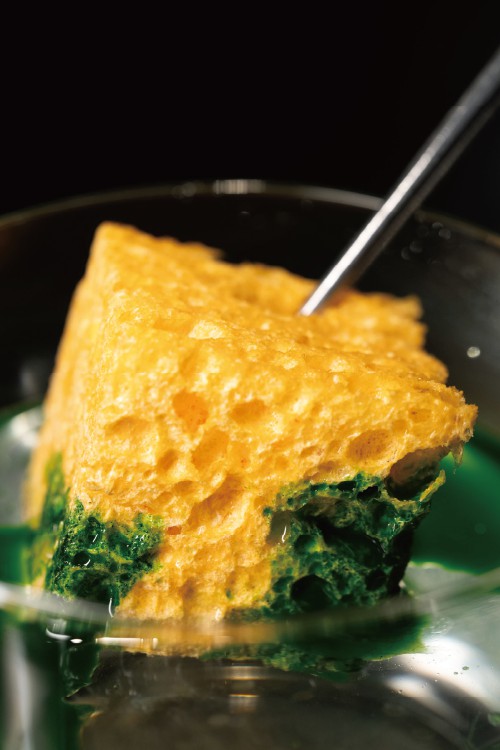
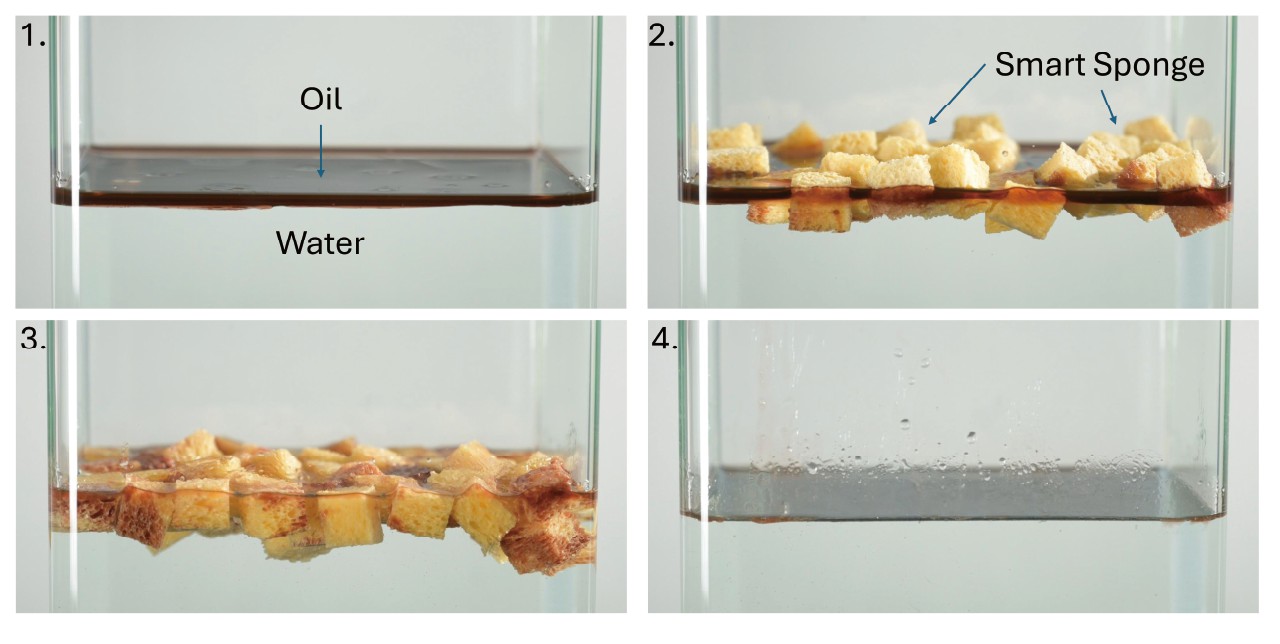
The Smart Sponge is a biodegradable, photochemically modified material that is superhydrophobic and oleophilic, selectively absorbing oil while repelling water. It can be reused many times by simply squeezing, enabling efficient oil recovery in aquaculture, waste-oil treatment, and spill response, turning oily waste into a reusable resource and improving water quality.


Professor Vincent Chi Chiu Ko
Professor Vincent Ko is a Professor of Chemistry at CityUHK whose research focuses on luminescent transition-metal complexes, luminescent materials, and photocatalysts. He co-developed technologies such as Artificial Mussels for radionuclide monitoring and oil-selective Smart Sponges, earning recognition at international invention exhibitions and in academia.

Smart Sponge

8
Syngular MR Platform

Syngular MR Platform

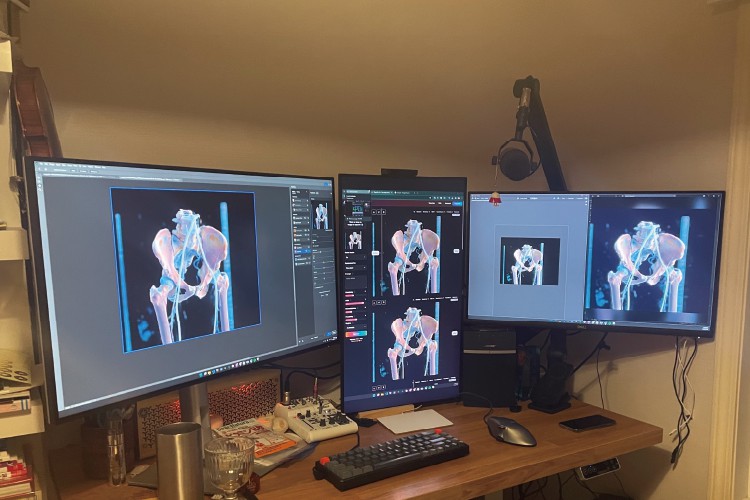
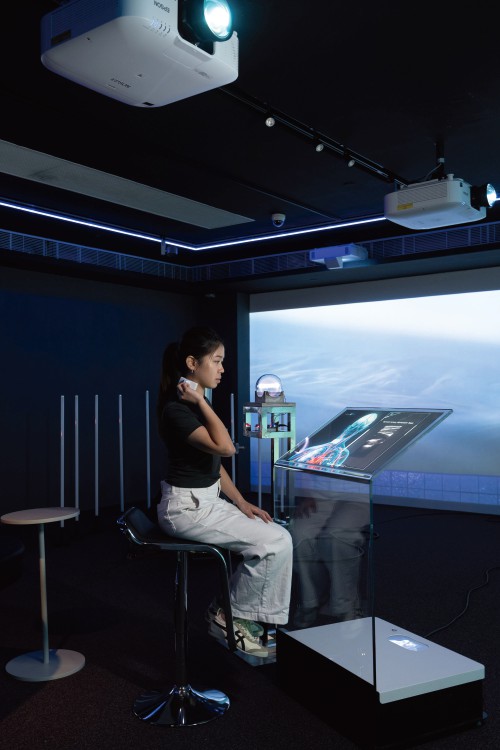
The Syngular MR Platform combines AI and mixed reality to transform 2D medical images into immersive 3D holograms. Surgeons can visualise anatomical structures in real time through MR glasses, enabling “intuitive X-ray vision.” This innovation enhances surgical planning, precision, and efficiency, while supporting training and research applications worldwide.


Louis Sze
Founder of Syngular Technology and a PhD student at CityUHK, Louis Sze holds a master’s degree in biomedical engineering and has over ten years of experience in medical 3D printing and design. He leads innovation in applying mixed reality to surgery, bridging science, entrepreneurship, and healthcare to drive impactful medical transformation.

Founded in 2021, Syngular Technology develops MR surgical assistance software to help doctors plan operations with greater accuracy and speed. Its technology, currently under trial at a Hong Kong public hospital, reflects the company’s mission to “enable humans” through intelligent medical innovation and practical, real-world healthcare solutions.

9
Seeing the Unseen: Animal Imaging Revolution

Animal Imaging
Animal Imaging

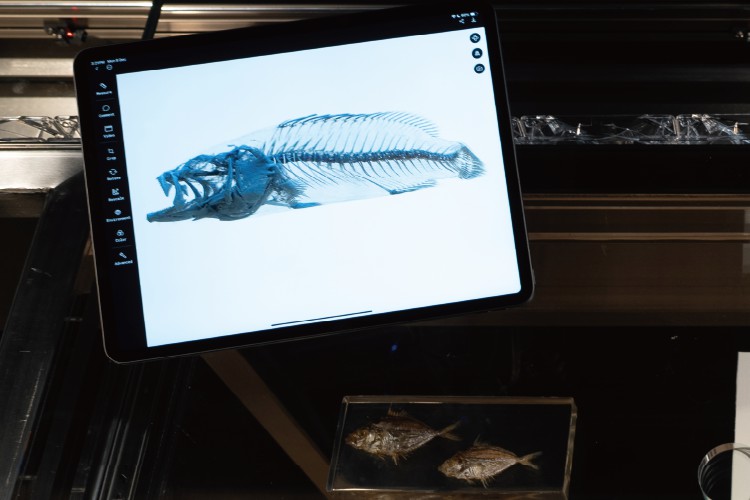
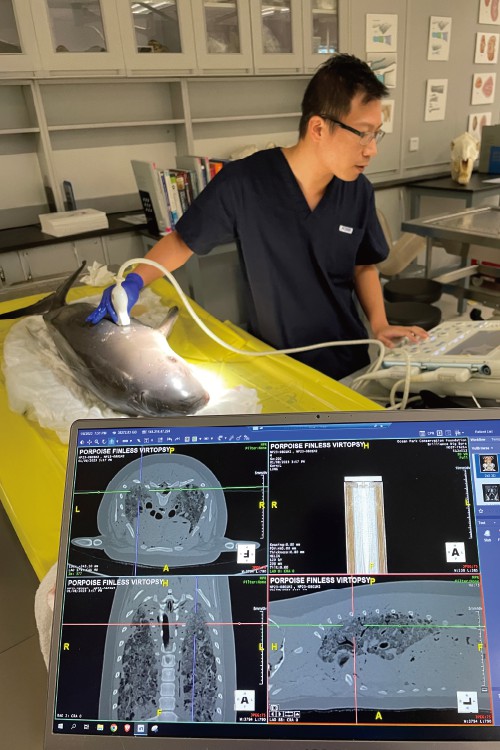
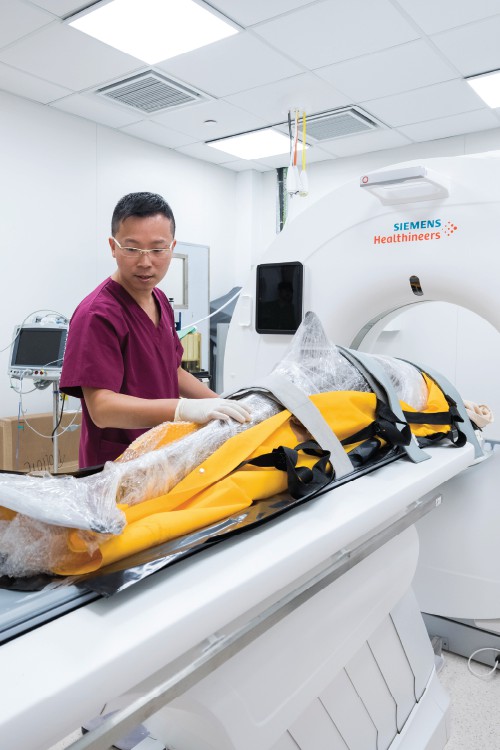
Animal imaging uses advanced diagnostic imaging technologies such as X-ray, CT, MRI, and ultrasound to examine internal structures non-invasively. It supports clinical diagnosis, wildlife research, and conservation, enabling precise interpretation of animal health, anatomy, and pathology, while bridging veterinary science with environmental and biomedical applications.


Professor Brian Kot Chin Wing
Professor Brian Kot, Assistant Professor in the Department of Infectious Diseases and Public Health and the Department of Chemistry at CityUHK, is a registered diagnostic radiographer and veterinary imaging researcher. With expertise in post-mortem radiology and aquatic animal health assessment, his work integrates diagnostic imaging, forensic science, and conservation medicine to advance environmental protection and the “One Ocean – One Health” vision.

The Aquatic Animal Virtopsy Lab at CityUHK combines diagnostic imaging, veterinary medicine, and forensic science to study the health of cetaceans and sea turtles. Through non-invasive post-mortem imaging, the team investigates causes of death, anthropogenic threats, and disease patterns to enhance marine ecosystem protection and advance the “One Ocean – One Health” initiative.

Mr. Henry Chun Lok Tsui, City University of Hong Kong
Dr. Tabris Yik To Chung, City University of Hong Kong
Dr. Gabrielle Ho, City University of Hong Kong
Agriculture, Fisheries and Conservation Department
CityUHK Veterinary Medical Centre
Dr. Fiona Brook
Dr. Tadasu K. Yamada, National Museum of Nature and Science (Tokyo)
Ocean Park Conservation Foundation Hong Kong
Ocean Park Hong Kong
Department of Imaging and Interventional Radiology, The Chinese University of Hong Kong
All staff, volunteers, and collaborators involved in this project

10
Sugar Printer No. 3

Sugar Printer No. 3
Sugar Printer No. 3

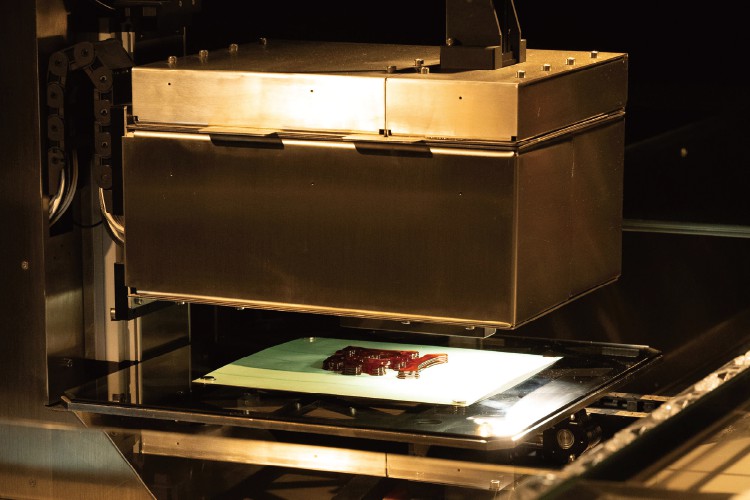
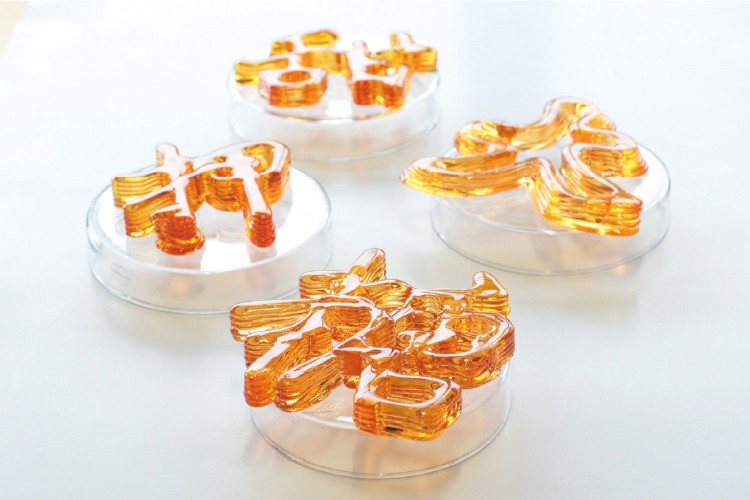
Sugar Printer No. 3 is a molten-sugar 3D printer originally built to study gravity-fed molten materials for digital fabrication. Reinterpreted as an installation, it reveals the precision and strangeness of automated making: visitors watch molten sugar accumulate in controlled layers, exposing an otherwise hidden world of machine-guided material behaviour.


Professor Victor Leung, Assistant Professor at CityUHK’s School of Creative Media, specialises in robotic fabrication and computational design. His work focuses on developing custom machines and automated tools to enhance creative production, exploring how automation can unlock human creative potential, reduce repetitive labour, and integrate technology with art.
William PANG
(SW Dev. Assist.), doi.org/10.1089/3dp.2016.0045 (original research), Blow Up Font / 爆北魏體 (Font)

11
Dual Colour 3D-Printed Porcelain Bowls

Dual Colour 3D-Printed Porcelain Bowls

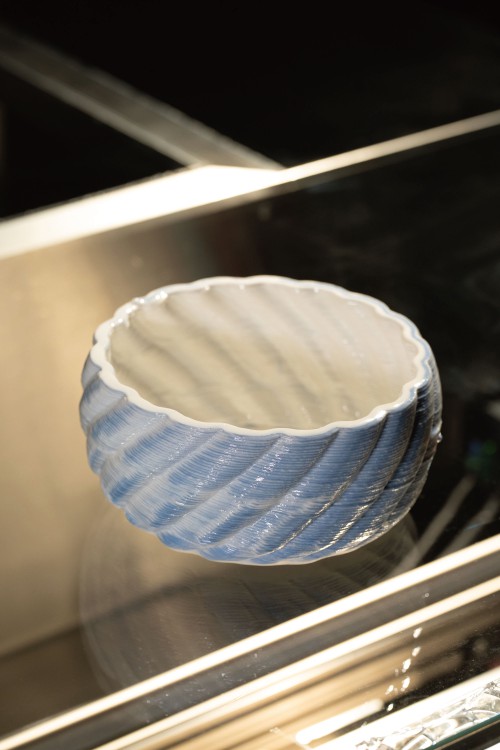
Crafted using Awesome Lab’s custom concentric nozzle design, these bowls are formed by the simultaneous deposition of stained and natural porcelain. During printing, the motorcontrolled inner nozzle moves freely within the static outer shell, compositing a dance by revealing, concealing, and constantly weaving. The blue and white, blended from within, capture the dynamic motion in the form of a tangible ceramic ware.


Professor Tobias Klein, Associate Professor, School of Creative Media, City University of Hong Kong, is an architect and interdisciplinary artist whose work bridges digital fabrication, cultural narrative, and craft. Through his concept of “Digital Craft,” he merges CAD/CAM technologies with physical materials to create poetic forms of art and architecture, exploring the fluid boundaries between technology, culture, and the human body.
Silvester Mok is a Hong Kong ceramic artist specialising in 3D-printed ceramics and a PhD student at the School of Creative Media under the supervision of Professor Tobias Klein. He is a member of the Contemporary Ceramic Society (HK). He combines digital design with traditional craftsmanship, drawing inspiration from natural fractal patterns. His work explores the integration of technology and ceramics, shaping intricate forms that reflect the dialogue between clay and innovation.

Awesome Lab is a creative research lab based at the City University of Hong Kong’s School of Creative Media. It showcases cutting-edge projects in 3D printing, sound computing, interactive installations, and algorithmic forms, exploring the intersection of art, technology, and design.

12
Orbital Oscillation

Orbital Oscillation

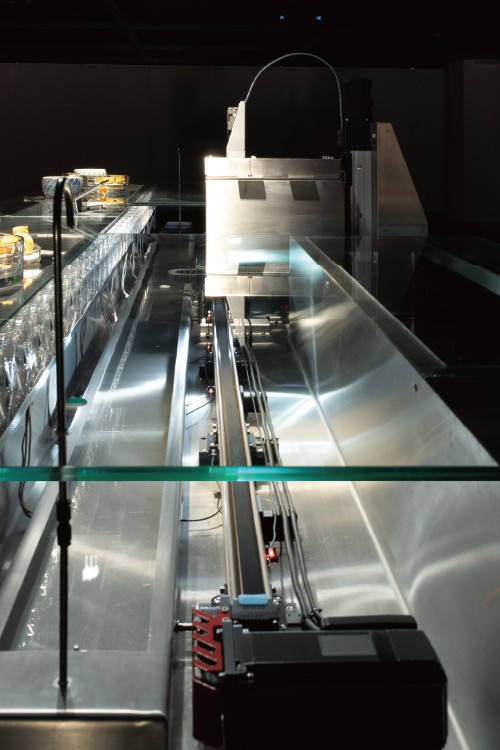
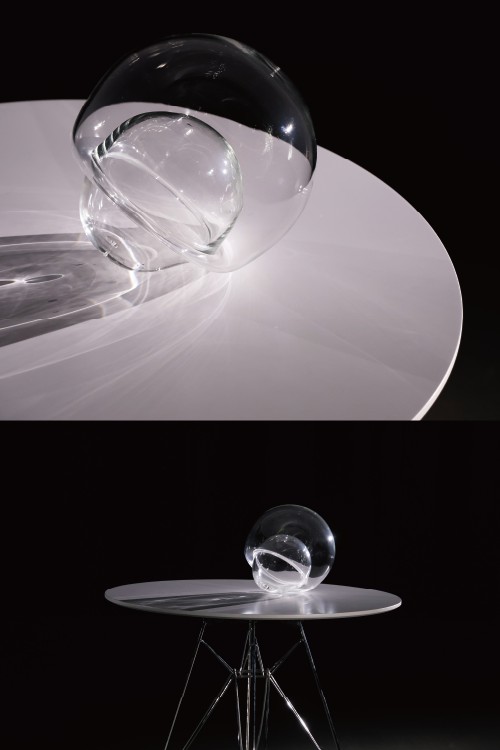
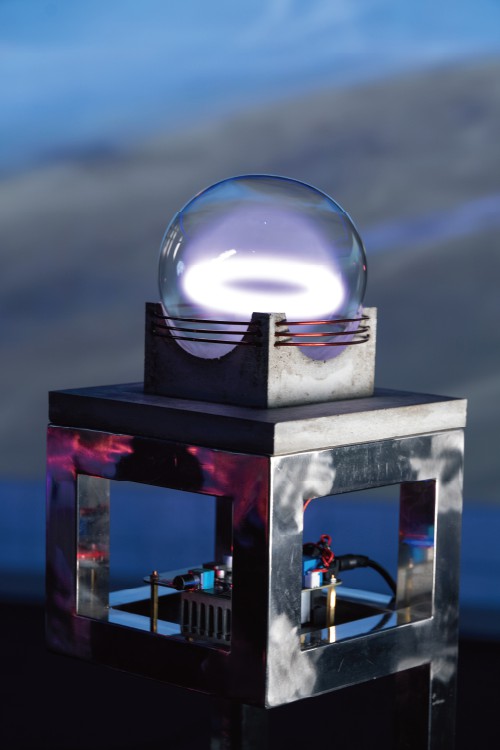
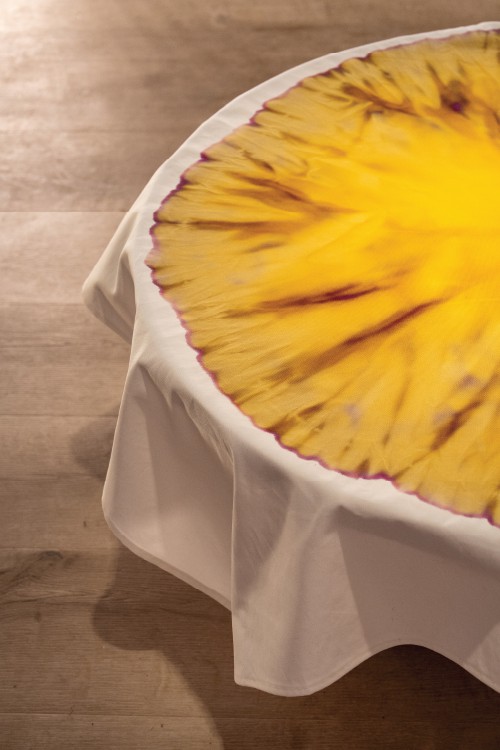
Orbital Oscillation is a kinetic sculpture that explores the phenomenology of time through a deceptively simple act: a glass object rolling in slow, deliberate orbits on a round table. The object’s movement is not self-initiated but subtly actuated by a concealed robotic system beneath the table’s surface. Using real-time sensing and feedback control, the table imperceptibly tilts to inject energy into the glass object’s trajectory.


Orbital Oscillation
Living Room
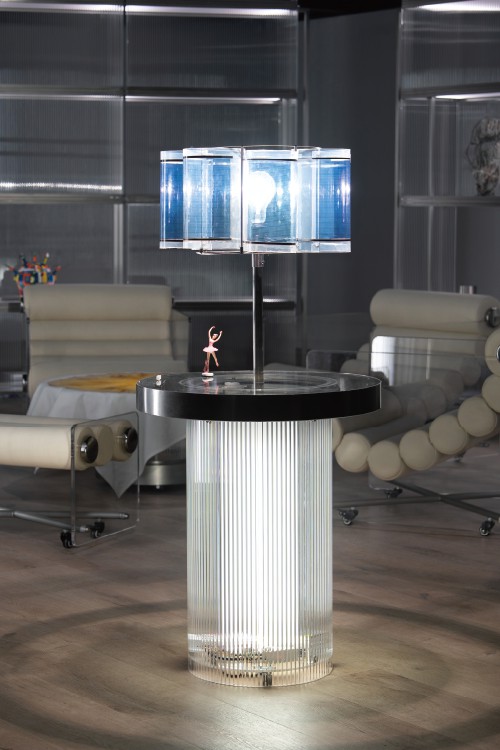
Unite Unit, led by Keikko Lee and Rosetta Lau, designs timeless F&B interiors that are rooted in Hong Kong’s artisanal heritage while shaped by a global vision. With over a decade of expertise, the team creates bespoke, immersive spaces and statement furniture, expanding their presence across Asia, while championing creativity, diversity, and the beauty of minimalist design.

13
Perovskite and Organic Solar Cells

Perovskite and Organic Solar Cells

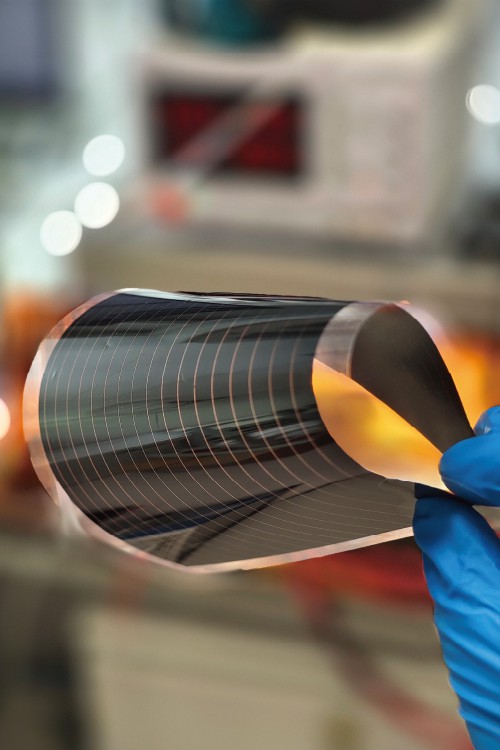
Perovskite and organic solar cells represent a class of revolutionary thinfilm photovoltaic technology offering high efficiency, low production costs, and excellent flexibility. Manufactured through low-temperature solution processes using printable inks, they enable scalable mass production. Their durability and versatility make them ideal for applications in smart cities, IoT devices, and building-integrated solar systems.


Professor Alex Jen, Lee Shau Kee Chair Professor of Materials Science and Founding Director of the Hong Kong Institute for Clean Energy, is a world-renowned scientist in organic electronics and clean energy materials. His pioneering research advances photonics, energy conversion, and nanomedicine. With over 1,100 publications and recognition as a Highly Cited Researcher (Top 1% globally), he is a leader in clean energy innovation, and recognised by Times Higher Education (THE) as one of the top 10 researchers globally in the perovskite research field.
Dr. Francis Lin
Dr. Francis Lin earned his PhD in chemistry from the University of Washington and was supported by Research Grants Council under Hong Kong Postdoctoral Fellowship Scheme. His research spans material design, synthesis, and energy devices such as perovskite and organic solar cells, and Li-ion batteries. He is recognised as a Highly Cited Researcher and co-founded HKTech Solar to translate research into real-world clean energy solutions.

HKTech Solar Limited
HKTech Solar Limited, a CityUHK spin-off founded by Professor Alex Jen, Professor Angus Yip, and Dr. Francis Lin, bridges academic research and industrial innovation. The company focuses on commercialising high-efficiency and durable perovskite solar cell technologies. It develops cutting-edge building-integrated photovoltaics (BIPVs) and energy solutions to accelerate the global transition towards a clean energy future.
Guangzhou ChasingLight Technology Co., Ltd was founded by Dr. Xi Yang, who was supervised by Professor Alex Jen during his PhD programme. It focuses on the development and advanced manufacturing of nextgeneration organic solar cells for broadening the applications of photovoltaic technology.

14
Aesthetic Energy-Saving Solar Façade

Aesthetic Solar Façade

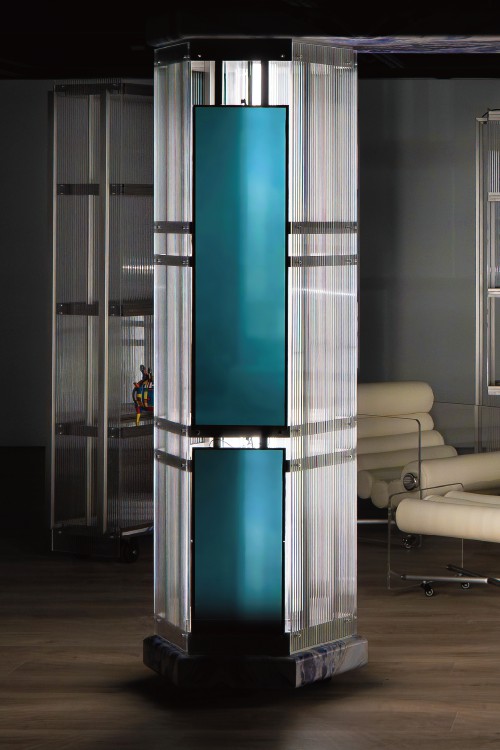
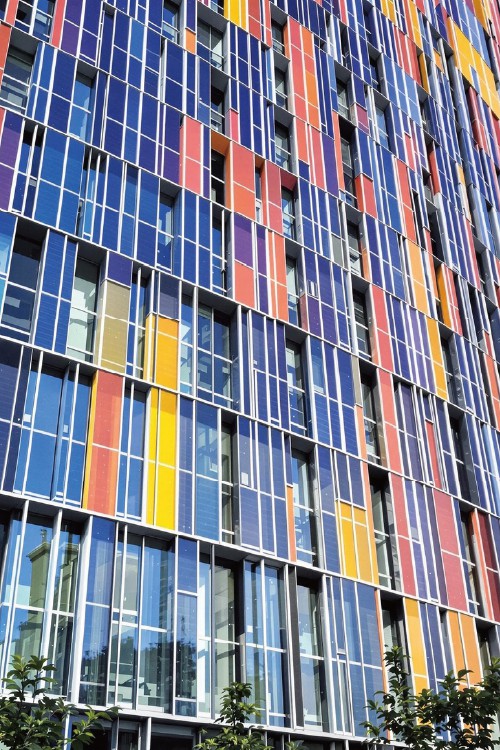
Advanced optical-film integrated building-integrated photovoltaics enhances building aesthetics while providing thermal insulation and renewable energy. This makes it ideal for dense, high-rise cities like Hong Kong, seamlessly merging functionality with architectural beauty.


Professor Angus Yip, from the Department of Materials Science and Engineering and the School of Energy and Environment, City University of Hong Kong, also serves as the Associate Director of the Hong Kong Institute for Clean Energy (HKICE). He specialises in organic and perovskite solar cells, as well as building-integrated photovoltaics (BIPV), striking a balance between fundamental and applied research. He is committed to promoting the transfer of clean energy technology and innovation in entrepreneurship.

ATEC Film Technologies Ltd
ATEC Film Technologies Ltd., founded by Professor Angus Yip and incubated under City University of Hong Kong’s HKTech 300 programme, specialises in developing multifunctional thin films. Core technologies include AI-assisted optical simulation and advanced thin film deposition. The product range encompasses aesthetically pleasing and energy-efficient photovoltaic building facades, along with other multifunctional optoelectronic products.

15
Smart Food Label

Smart Food Label
Smart Food Label

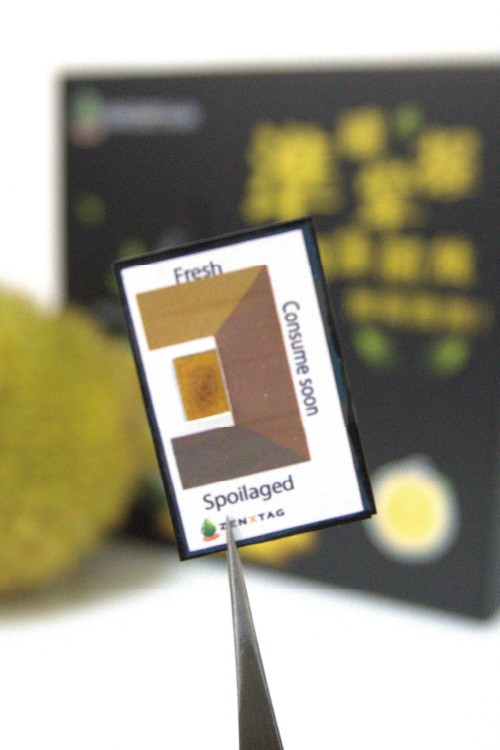
The smart food label by ZenxTag accurately detects food freshness through chemical sensing of biogenic amines. Its colour-changing design provides real-time results without the need to touch the food, empowering consumers and industries to ensure food safety, minimise waste, and enhance sustainability across the global food supply chain.


Professor Michael Lam Hon Wah
Professor Michael Lam, Adjunct Professor in the Department of Chemistry at CityUHK, is a chemist specialising in chemical sensing materials and food safety applications. He developed a patented biogenic amine detection technology for monitoring food freshness, forming the scientific foundation of the ZenxTag smart food label, which improves public health and supports sustainability.
Giselle Chow Tsz‑Wing
Giselle Chow Tsz-wing, Research Assistant and alumna of CityUHK’s Department of Chemistry, is a co-founder of ZenxTag. Her expertise in chemical sensing and food safety played a key role in transforming research into a commercial smart food label that detects food spoilage, reduces waste, and promotes sustainable consumption. Supported by HK Tech 300, her entrepreneurial efforts continue to drive innovation.

ZenxTag, a CityUHK start-up founded under HK Tech 300, develops smart food labels using patented biogenic amine sensing technology invented by Professor Michael Lam. These labels change colour to indicate food freshness, offering a low-cost solution to food safety, waste reduction, and quality management across the food supply chain.

Dr. Justin Shum and ZenxTag’s research team

16
Arriving

Arriving
Arriving

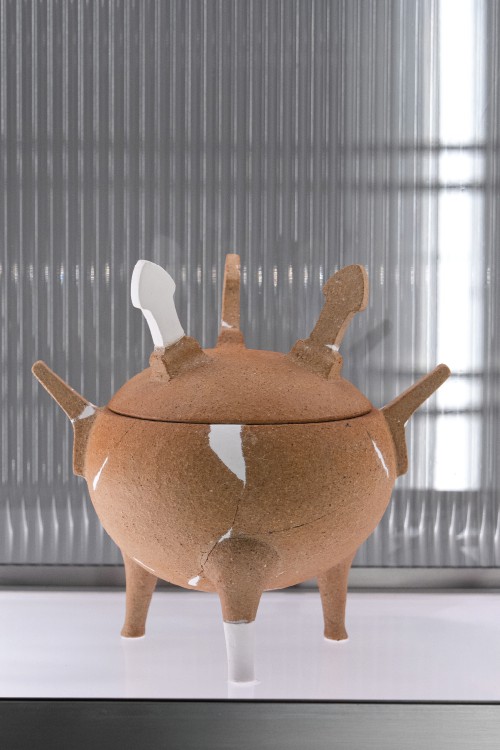
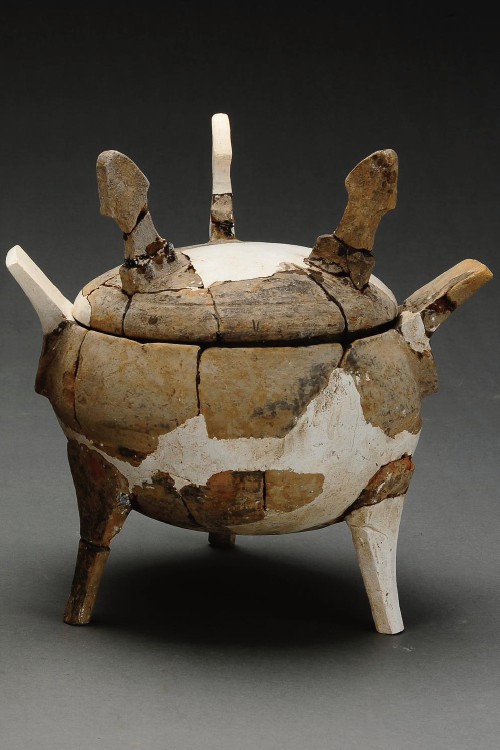
Arriving is an artistic reenactment of cultural transmission, inspired by a third-century BCE pottery tripod from Hubei. In collaboration with Hubei Provincial Museum, five modern replicas were created, smashed, and restored to explore themes of imitation, authenticity, and the continuous arrival of prototypes crossing time and civilisations.


Professor Dewei Shen
Professor Dewei Shen is an Assistant Professor in the Department of Chinese and History at CityUHK. He received his PhD from Yale and was a Postdoctoral Fellow at Stanford. Specialising in early Chinese archaeology and urban history, he has conducted extensive fieldwork at ancient city sites across the middle Yangtze River region.

The Hubei Provincial Museum in Wuhan is one of China’s leading state-level museums, renowned for its 460,000 cultural relics, including the Sword of Goujian and the bronze bells of Marquis Yi of Zeng. The museum specialises in collections of bronze vessels, lacquerware, and bamboo slips, preserving the rich archaeological heritage of the Yangtze River civilisation.
The Department of Chinese and History embraces an intersectional and interdisciplinary approach to the studies of literature, history and cultural heritage, tangible and intangible, textual, visual, and audio. By materialising and concretising our ideas and ideals, we explore the future of the past by documenting the past of the future.

17
Cloud Rock I

Cloud Rock I

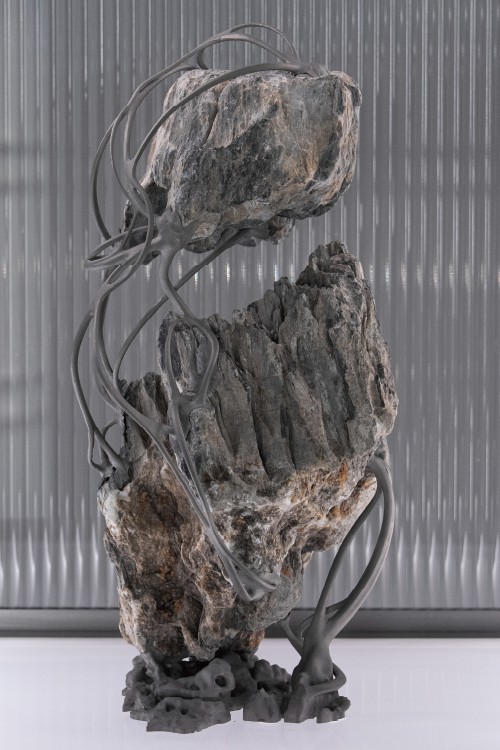
Cloud Rock I is part of the Cloud Rock series. The work has been internationally exhibited at venues such Art Basel 2025 in Switzerland, Vienna in Austria, and in Hong Kong. Inspired by traditional Chinese Scholar Rocks, the work extends the aesthetics of the found naturally eroded stones, and pairs them with digitally crafted elements. Together, this unusual pairing expands a tradition in which, since the Song dynasty, the found beauty of the rock is amplified through the craftsman, slightly altering the rock and adding a fitting base to it. Made from Yingde stones, found in Guangzhou, and a stainless steel 3D-printed base, Cloud Rock I juxtaposes natural transformation with 3D contemplation and artistic articulation.


18
CyberGlove

CyberGlove

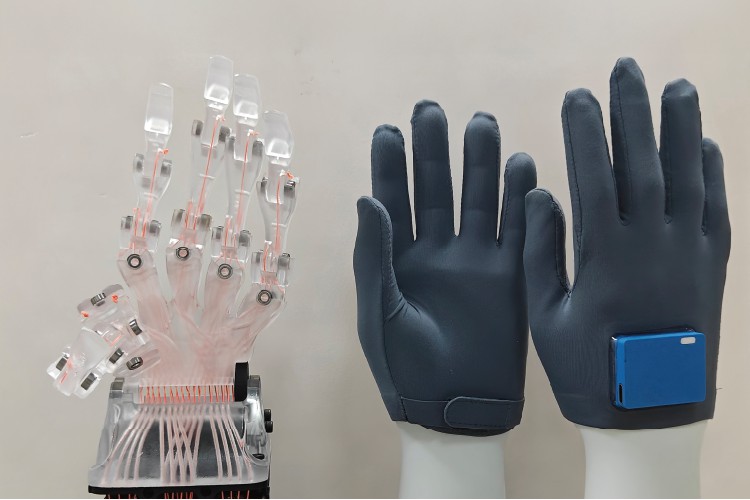
CyberGlove is a data-capturing smart glove designed for industrial and robotic applications. Equipped with flexible resistive sensors, it accurately records human hand movements, postures, and spatial changes. The collected data enables gesture analysis, human–robot interaction, and intelligent training across manufacturing, medical, and research environments within the Greater Bay Area and beyond.


Professor Max Yin Peng
Professor Max Yin, Assistant Professor, Department of Data Science at City University of Hong Kong and IEEE Member, specialises in robotics and autonomous systems. A former NASA advisor and Carnegie Mellon University Project Scientist, he leads research in positioning, navigation, and multi‑robot systems, advancing field robotics through projects such as MetaSLAM and GAIRLAB.

CyberOrigin.AI, founded by Professor Max Yin in Shenzhen, builds data infrastructure for next-generation intelligent robotics. The company provides end-to-end solutions integrating data acquisition, intelligent labelling, and model training, leveraging AI-driven processing and crossborder compliance to power robotics advancement across North America, Europe, and Asia.
Bedroom
Royce Ng is a Hong Kong-based artist and researcher who explores animation, media theory, virtual reality, and contemporary art. As a member of the artist collective Zheng Mahler, he integrates digital aesthetics with VR research in art and therapy, bridging creative practice and technology through exhibitions and peer-reviewed studies on XR applications in palliative care.

19
Visualising Antennas and Electromagnetic Waves across Hong Kong

Visualising Antennas

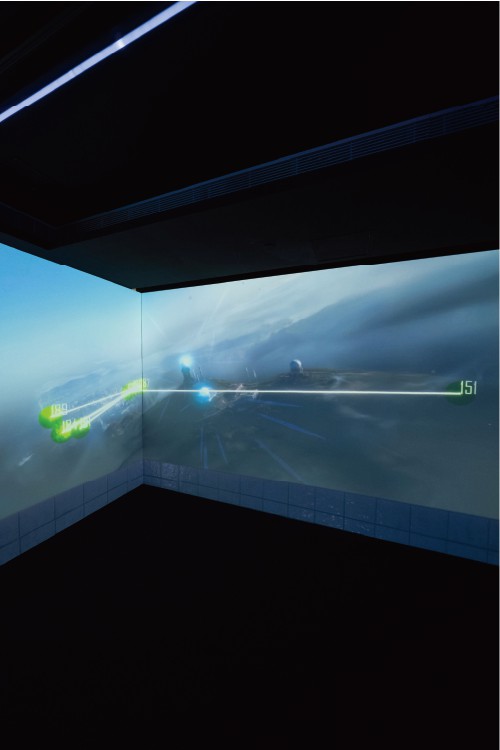
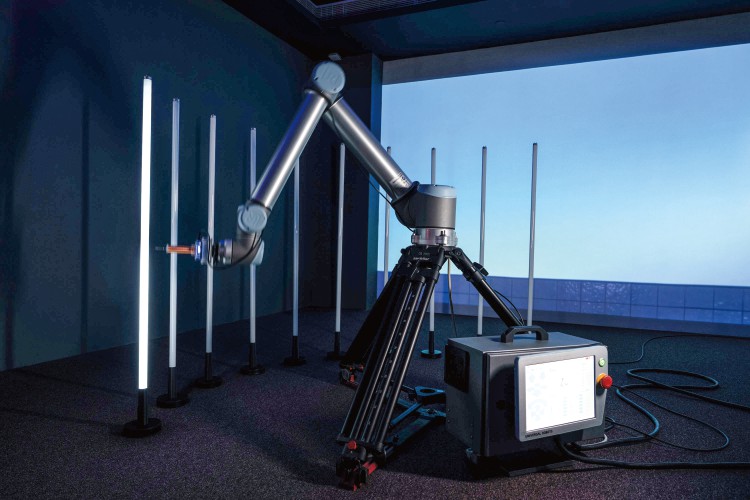
Drone videos will showcase major antennas on Tai Mo Shan, Beacon Hill, RTHK, and Sham Shui Po, contrasting the sci-fi-like imagery of antennas on mountains with the chaotic mess of TV antennas on old rooftops in Sham Shui Po. The drone footage will be composited with visualisations of the radiation patterns of the antennas, overlaid with fast blob tracking graphics, resembling a heads-up display. This overlay will track and identify the angles of different radiation patterns and display textual data about the types of antennas.


Professor Chan Chi Hou
Professor Chan is Chair Professor of Electronic Engineering at City University of Hong Kong. A renowned expert in electromagnetics, antennas, and terahertz technology, he has made pioneering contributions to computational electromagnetics and terahertz research. He is the Director of the State Key Laboratory of Terahertz and Millimeter Waves at CityUHK and is well known for his motto, “God rewards the diligent.”
Professor Steve Wong Hang
Professor Wong, an IEEE Fellow and renowned antenna expert, is a professor in the Department of Electrical Engineering at CityUHK. His research focuses on antenna design, millimeter-wave technology, terahertz applications, and wireless communication systems. His innovations have impacted academia and industry, including contributions to China’s BeiDou navigation, automated toll and 5G systems.

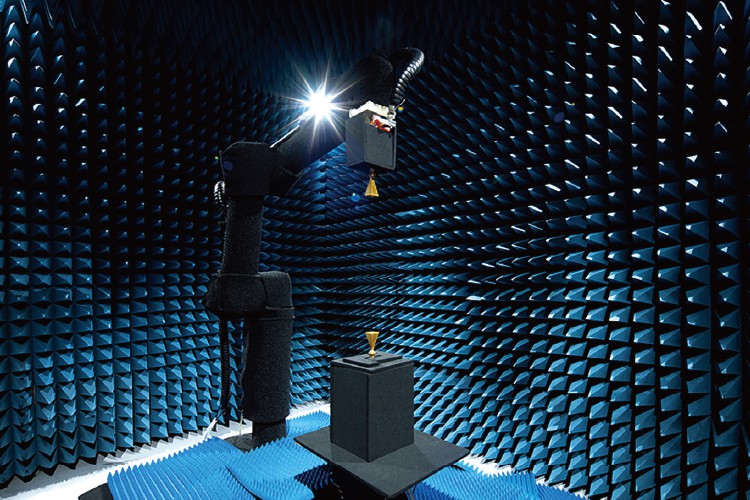
The lab, formerly the State Key Laboratory of Millimeter Waves at City University of Hong Kong, was established in 2008 with approval from China’s Ministry of Science and Technology. It is the first of its kind in Hong Kong’s engineering discipline. It advances millimeter-wave and terahertz technologies for next-generation communication and sensing applications.
Visualising Antennas
Magnetoelectric Dipole Antenna

iMagnetoelectric Dipole Antenna (2006)

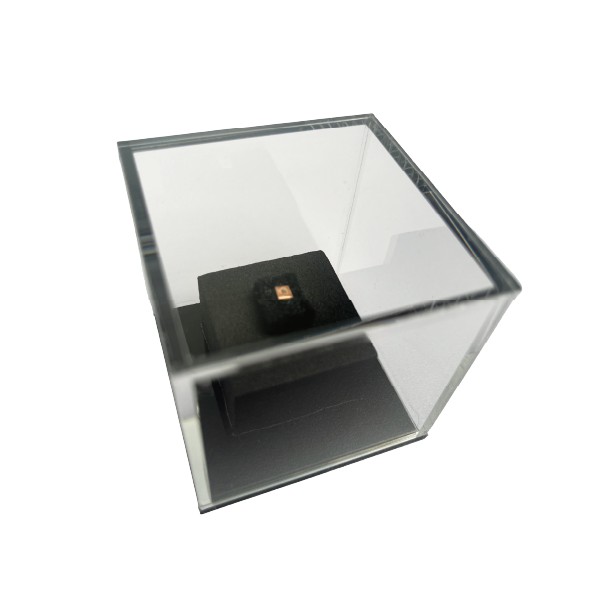
With its revolutionary design integrating complementary electric and magnetic dipoles on a single radiator, the Magnetoelectric Dipole Antenna marks a significant milestone in the development of wideband radiators in antenna history. It provides exceptional electrical and radiation performance, featuring a stable radiation pattern and highly directive radiation over a broad operating bandwidth. As the benchmark for modern base stations, this design offers a groundbreaking technical solution that is crucial for the advancement of global mobile communication networks.
BeiDou Navigation Antenna

iiBeiDou Navigation Antenna (2008)

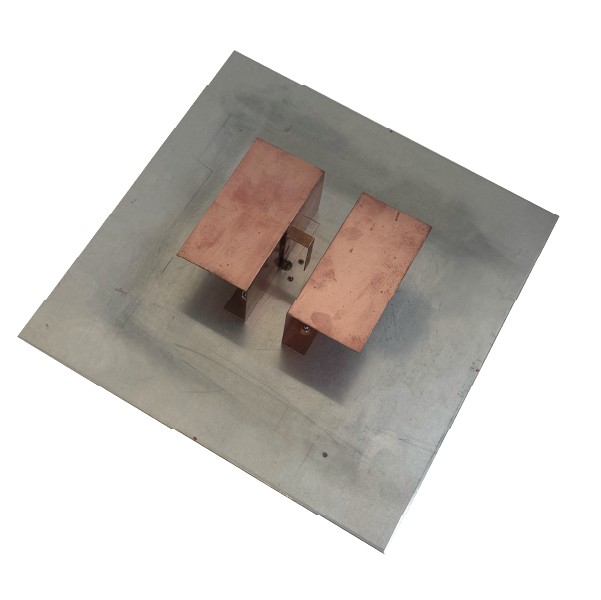
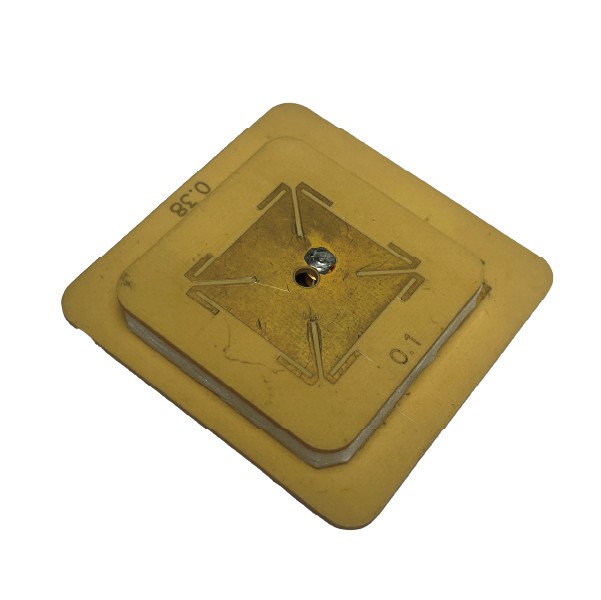
The BeiDou Navigation Antenna played a vital role during the 2008 Wenchuan earthquake. When terrestrial communication failed, rescue teams used portable receivers equipped with this antenna to confirm their locations, stay connected, and coordinate life‑saving operations.

Aesthetic Glass Dielectric Resonator Antenna

iiiAesthetic Glass Dielectric Resonator Antenna (2012)

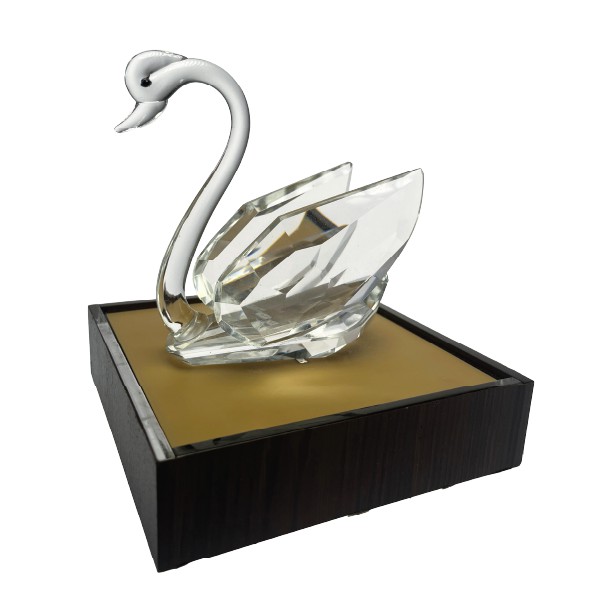
This glass dielectric resonator antenna (DRA) transcends traditional form factors by utilising glass directly as the radiator, achieving a perfect fusion of Radio Frequency function and aesthetic appeal. It offers a unique solution for smart homes and concealed base stations, balancing visual elegance with uncompromised communication quality.

Water Patch Antenna

ivWater Patch Antenna (2016)

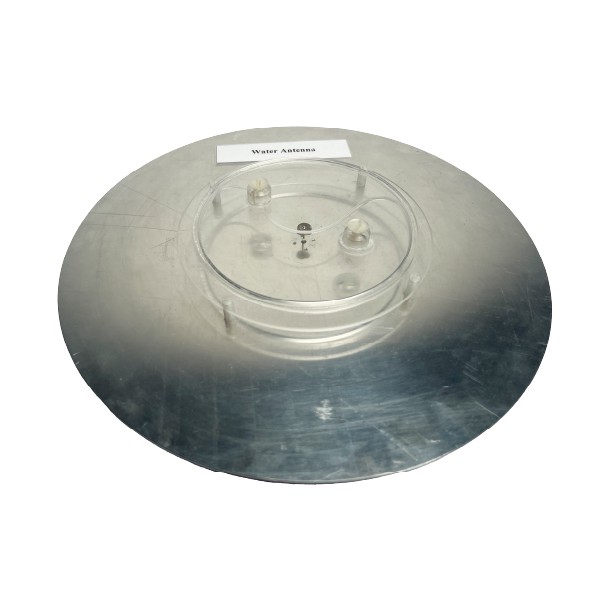
This antenna innovatively utilises pure water as the patch radiator rather than traditional metal conductors. It achieves broadband radiation characteristics while offering optical transparency and environmental friendliness. This design provides an innovative, eco-friendly solution for green wireless networks and systems that blend seamlessly into indoor environments.

High-Gain Complementary Source Antenna Array

vHigh-Gain Complementary Source Antenna Array (2018)

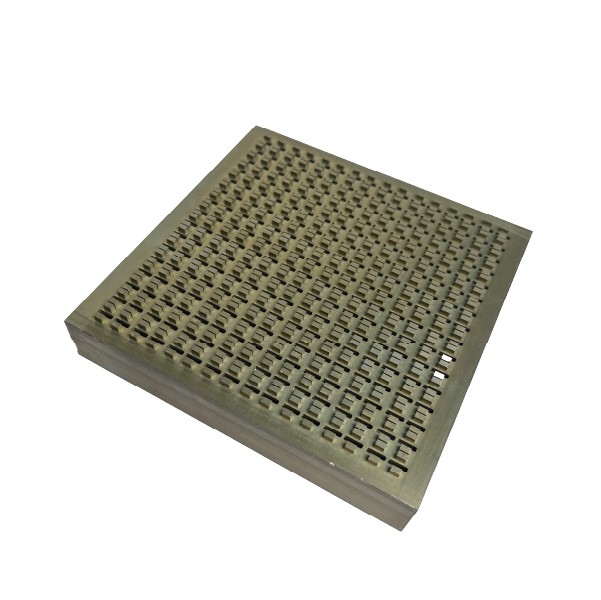
This millimeter-wave array employs a complementary source design to effectively resolve the narrow bandwidth and asymmetric radiation patterns of traditional waveguide slot antennas. Its robust all-metal construction provides a highperformance solution for demanding environments in satellite communications, millimeter-wave radars, and 5G infrastructure.

Optically Controlled Reconfigurable Terahertz Metasurface

viOptically Controlled Reconfigurable Terahertz Metasurface (2021)

This device leverages phase-change materials and optical control technology to overcome hardware bottlenecks in dynamic THz beam manipulation. Featuring a wireless, highly integrated, non-contact control mechanism, it serves as a highperformance beam controller for future 6G communications, real-time THz imaging, and non-destructive testing systems.

Terahertz On-Chip Antenna

viiTerahertz On-Chip Antenna (2021)

This terahertz on-chip antenna ingeniously transforms the silicon substrate, traditionally seen as a source of loss, into an efficient radiator, breaking through efficiency and bandwidth limitations. Requiring no expensive post-processing or extra packaging, it provides critical technical support for the low-cost, large-scale commercialisation of future 6G systems and THz on-chip systems.

5G mmWave Shared-Aperture Antenna Array

viii5G mmWave Shared-Aperture Antenna Array (2022)

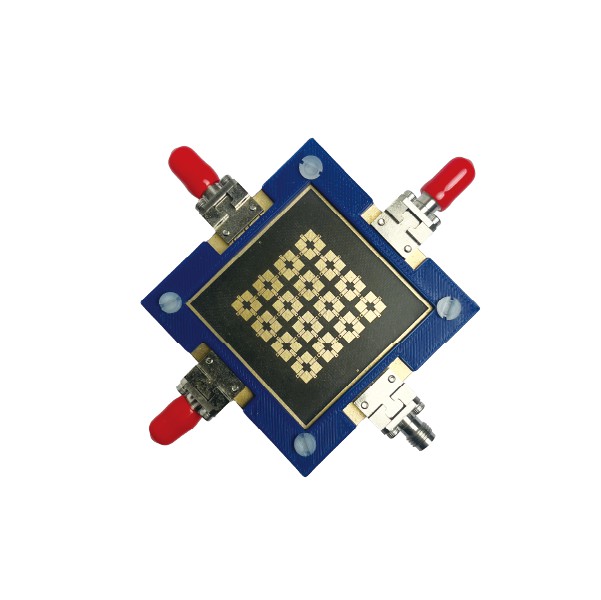
This dual-polarised array employs innovative shared-aperture technology to overcome the traditional trade-offs between performance and physical size. It provides a high-performance, cost-effective solution for the dense deployment of 5G mmWave base stations, high-capacity wireless communication links, and lightweight phased-array radar systems.

High-Power Terahertz Radiation Source Chip

ixHigh-Power Terahertz Radiation Source Chip (2022)

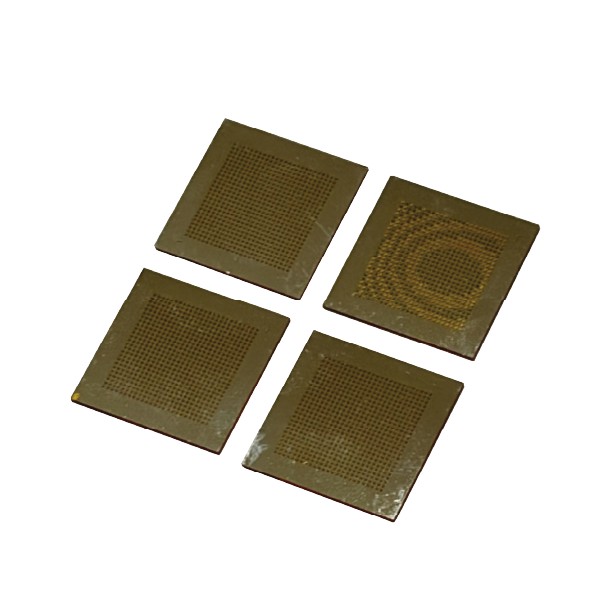
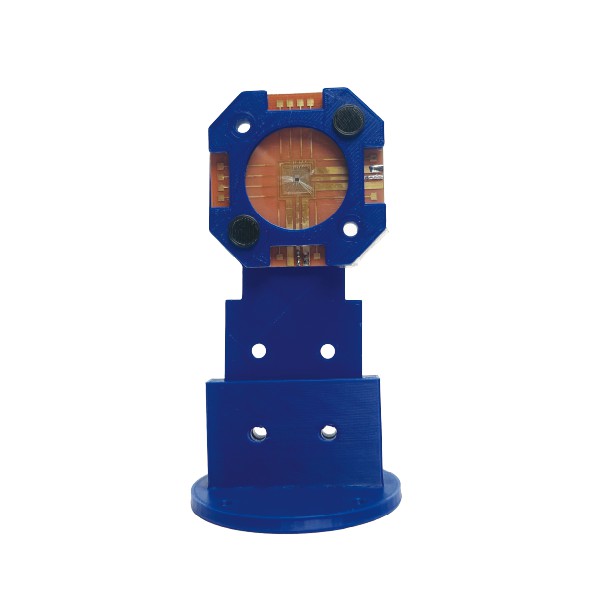
This 0.45 THz radiation source chip successfully breaks the bottleneck of low output power in silicon-based terahertz sources. With its compact footprint and scalability, it offers a high-performance THz source solution for cutting-edge applications, including future 6G ultra-high-speed communications, THz security imaging, and biomedical sensing.

20
Vapor Waves: Cartographies of Electromagnetic Radiation

Vapor Waves
Vapor Waves
Vapor Waves

21
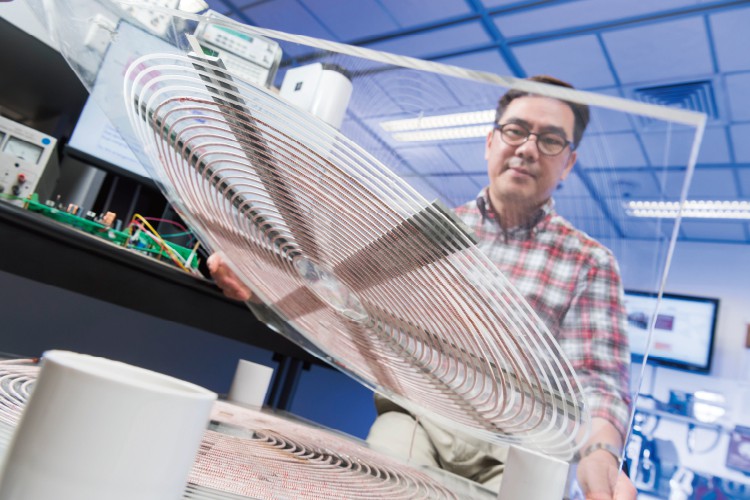
Wireless Inductive Power Transfer System

Wireless Inductive Power Transfer System

22
Pyrocks

Pyrocks
Pyrocks

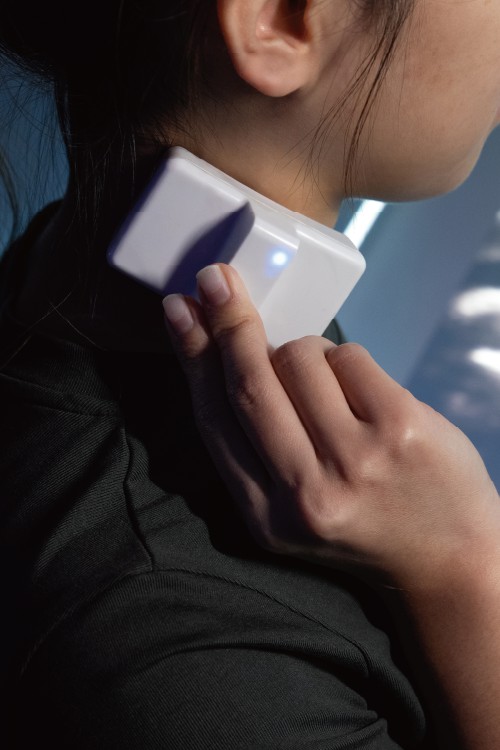
Pyrocks is an AI-driven portable ultrasound device aiming to enable early screening and risk assessment of cardiovascular diseases in community and home settings, through automated carotid artery scanning, intima-media thickness measurement, and plaque detection, enhancing accessibility, reducing operational barriers, and promoting early intervention.


Prof. Kannie Chan is a Professor of Biomedical Engineering at CityUHK and an Adjunct Professor at Johns Hopkins University. An international leader in MRI research, she pioneered dynamic glucose-enhanced and CEST MRI techniques for neurodegenerative diseases and cancer therapy. An ISMRM Senior Fellow, RGC Research Fellow (RFS) and HKIE Fellow (FHKIE). She was ranked among Stanford’s top 2% most-cited scientists.

The Hong Kong Centre for Cerebro-cardiovascular Health Engineering (COCHE) is dedicated to developing innovative health technologies. Established in 2020 under CityUHK, in collaboration with the University of Oxford and the Karolinska Institutet, COCHE focuses on wearable technologies, AI, and advanced imaging to enable the early detection, prediction, and intervention of cardiovascular diseases (CVD), reducing the financial and social burden on healthcare systems while driving global health advancements and technological breakthroughs.

Dr. Liang Sun
CEO of Pyrocks Ultrasonics Company Limited; Senior Research Scientist and Co-Director for Medical Ultrasound Lab, COCHE

23
AI-vBRAIN

AI-vBRAIN
AI-vBRAIN

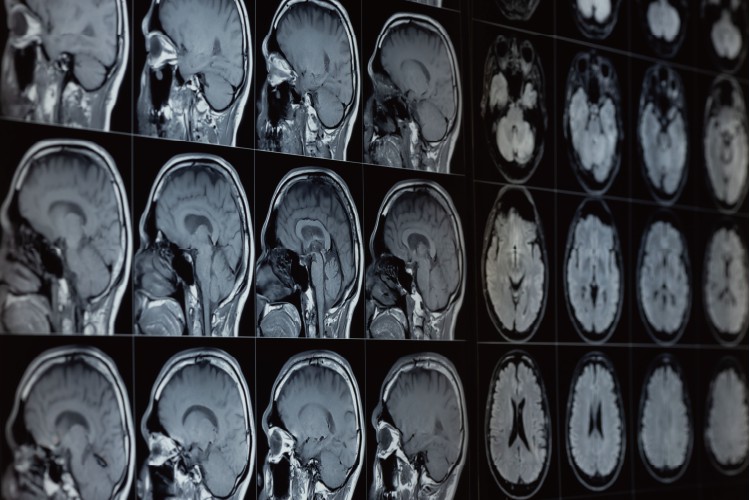
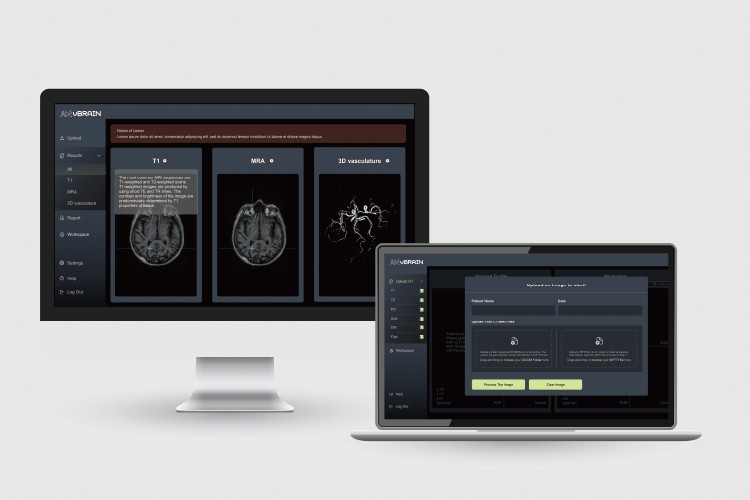
AI-vBRAIN is an AI-driven MRI simulation system aiming to revolutionise the diagnosis of neurodegenerative diseases by generating high-quality advanced MRI images from routine scans, enhancing diagnostic accuracy, reducing scan times, lowering costs, and improving patient comfort.


Dr. Abdul-Mojeed Olabisi ILYAS 博士
CEO of AI-vBrain Limited; Associate Research Scientist of COCHE

We use cookies to ensure you get the best experience on our website.

More Information