

A lifelong commitment to the NGO sector — lighting the way for the next generation
Mr Joe Chau Hiu-tung
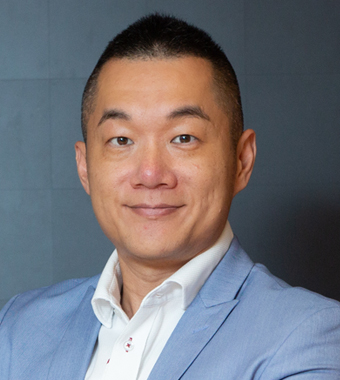
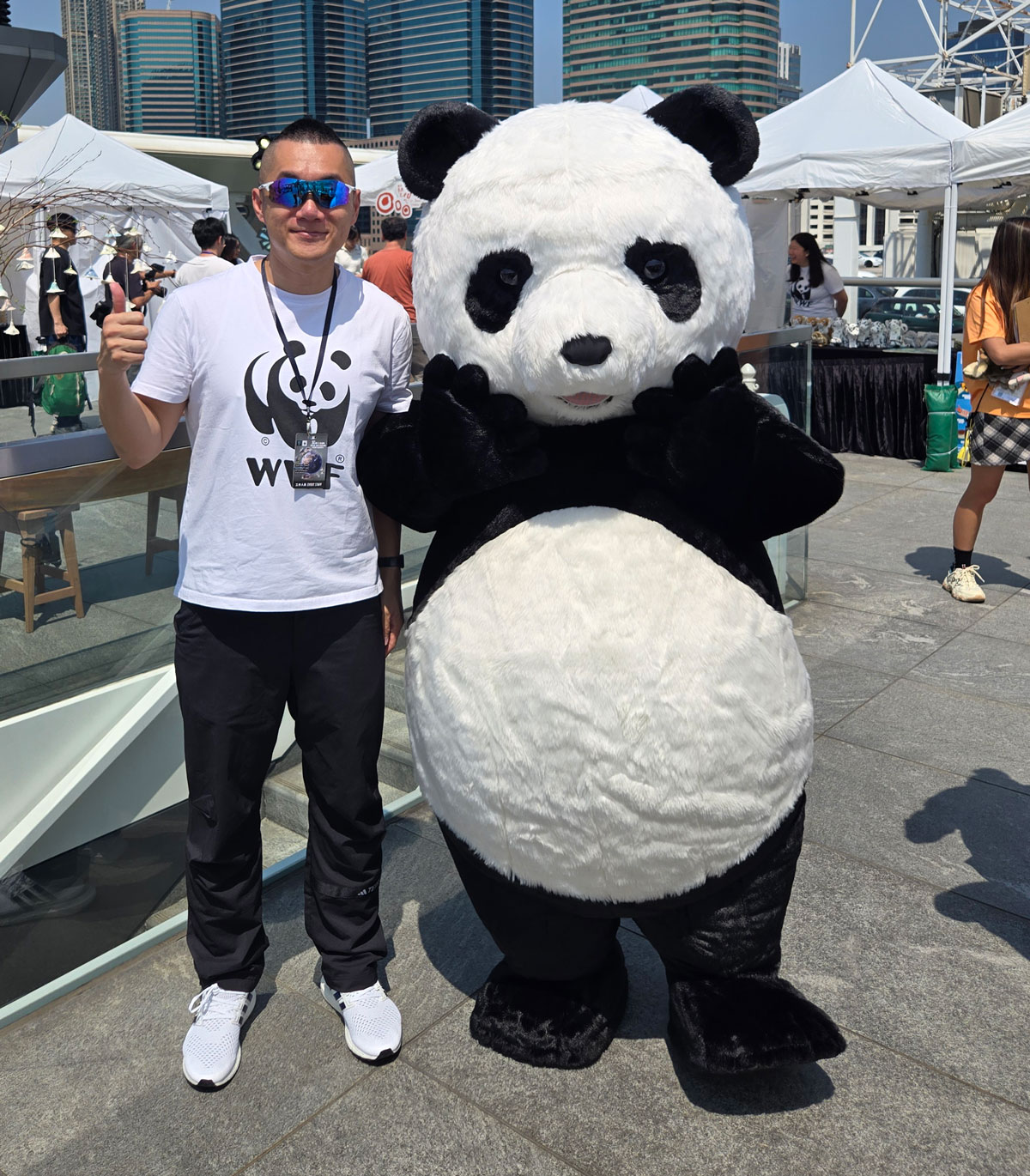
At WWF’s Earth Hour events, Joe hopes to rally communities and sectors to work together to meet the challenge of climate change.
- Master of Science in Organizational and Change Management
- Head of Corporate and Community Partnerships, WWF Hong Kong
From the Hong Kong Jockey Club (HKJC) to the World Wide Fund for Nature Hong Kong (WWF), Joe has worked across a range of charitable and international environmental organisations. He firmly believes that non-governmental organisations (NGOs) hold a key role in driving sustained social progress. That conviction has motivated him to keep exploring new ways for NGOs to grow and to strengthen his own capabilities by earning an MSc in Organisational Management at City University of Hong Kong (CityUHK). Joe wants to lead NGOs and diverse stakeholders in tackling social and environmental challenges together.
Volunteering early in life taught Joe that protecting the environment and supporting vulnerable communities both require collective effort. After his Bachelor degree, he joined HKJC, drawn by its role as a leading grant-maker and its practical learning environment. There he held a range of management roles, gaining hands-on experience running large public projects and building robust front-line and managerial capabilities. While the job offered stability and learning, Joe wanted broader exposure across charities to increase his social impact.
Returning to study was a deliberate move to address his concern about lacking specialised, systematic knowledge of how large organisations operate. At CityUHK he studied accounting, human resource management and global marketing, among other subjects, to learn how to translate diverse stakeholder interests into actionable plans. The global marketing course was particularly formative: students worked weekly on corporate case studies—forming teams, researching, presenting and producing written reports—while Joe balanced this intensive workload with a full-time job.
That demanding mix of work and study sharpened essential managerial skills. Joe credits the programme with improving his time management, task delegation, contingency planning, communication and team-building. It also expanded his professional network, which he counts as a vital career support. These competencies now underpin his leadership in cross-sector collaborations at WWF.
Running campaigns like Earth Hour requires heavy preparation and extensive cooperation. Convincing government departments, multinational corporations and SMEs to take meaningful, sustained environmental action is challenging; each sector requires tailored strategies and persistent engagement. Despite the difficulties, Joe finds great fulfilment in seeing companies accelerate their sustainability efforts and respond proactively to climate challenges. His role involves high-level decision-making and regular meetings with corporate leaders and government officials to advance sustainable development and implement decarbonisation strategies.
Joe’s commitment extends beyond his paid work. He invests substantial time in volunteer projects focused on environmental change and child development. He recalls a decade-old programme, “Project Himalaya,” run with the Hong Kong Police Force in Yuen Long, which offered Muay Thai classes to young people from non-Chinese speaking ethnic minorities. The initiative used sport as a gentle pathway for participants to pick up every day Cantonese, integrate into the community and build positive mindsets. Years later, meeting a former participant who became a probationary police inspector provided a powerful, tangible reminder that modest interventions can yield lasting benefits for individuals and families.
Now in a management level in the NGO sector, Joe also gives back by mentoring younger students in his alma maters, advising those planning careers in the social sector. His practical advice for newcomers is straightforward: start with internships to learn about pressing social issues and community needs, develop strong communication skills, and adopt a lifelong learning mindset. Continuous self-improvement, he says, is essential to contributing meaningfully to society.
His journey—from volunteering through frontline management to strategic leadership—illustrates how practical experience, targeted study and ongoing engagement can equip NGO leaders to drive durable social and environmental progress.
(Published at 1 June 2026)