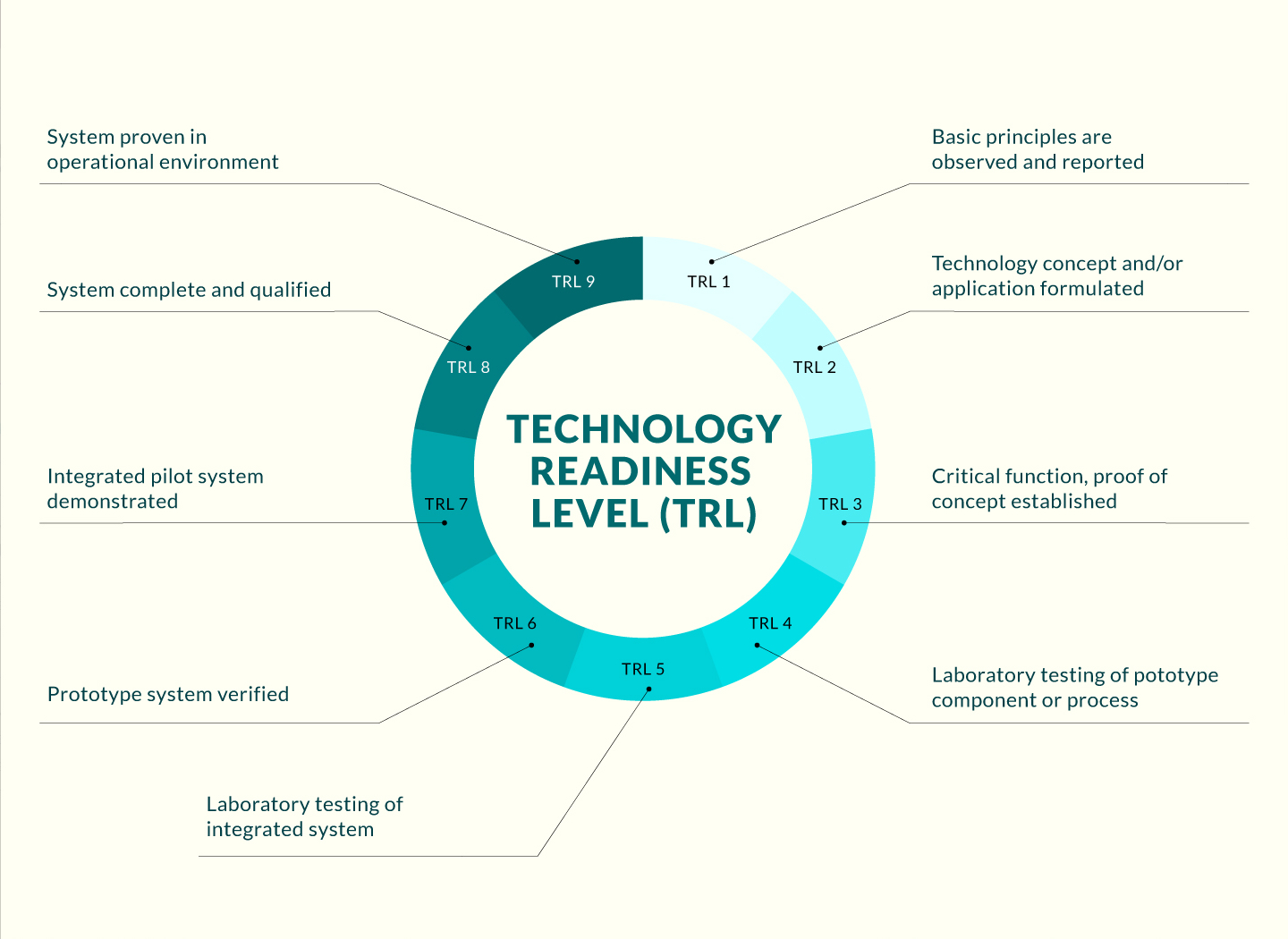


Opportunity
The rapid development of electric vehicles and portable electronics has intensified the demand for high-energy-density lithium-ion batteries. Traditional graphite-based anode materials, with a theoretical capacity of only 372 mAh/g, are insufficient to meet future energy storage needs. Silicon (Si) emerges as a promising alternative due to its exceptionally high theoretical capacity (4200 mAh/g), nearly ten times that of graphite. However, silicon-based anodes face critical challenges: (1) poor conductivity, which hampers electron transport, and (2) severe volume expansion (up to 300%) during lithiation/delithiation, leading to structural pulverization, electrode degradation, and rapid capacity fading. Existing solutions, such as silicon-carbon composites, often fail to provide adequate buffering for volume changes or maintain long-term cycling stability. This patent addresses these limitations by proposing a novel three-dimensional (3D) porous carbon-encapsulated silicon composite anode material, which combines high conductivity, structural resilience, and superior capacity retention.
Technology
The patent introduces an innovative composite anode material consisting of a carbon cloth substrate, a 3D porous carbon layer grown on the substrate, and silicon nanomaterials (nanoparticles or nanowires) embedded within the porous carbon matrix. The key technological advancements include:
- 3D Porous Carbon Framework: The carbon layer is synthesized by coating carbon cloth with a starch/sodium hydroxide/water mixture, followed by drying, calcination, and acid treatment. This creates a hierarchical porous structure (pore size: 2–200 nm; surface area: 20–300 m²/g) that accommodates silicon’s volume changes while ensuring efficient electron/ion transport.
- Silicon Encapsulation: Silicon nanomaterials are uniformly dispersed into the porous carbon via a hydrothermal reaction with ethylene glycol/propylene glycol, forming a stable core-shell structure. The carbon matrix acts as a mechanical buffer, preventing silicon aggregation and cracking during cycling.
- Integrated Conductive Network: The carbon cloth substrate (conductivity: <5 mω·cm)="" and="" 3d="" carbon="" layer="" provide="" continuous="" pathways="" for="" electron="" transfer,="" mitigating="" silicon’s="" inherent="" low="" conductivity.="">
The resulting composite anode exhibits a high reversible capacity (500–2000 mAh/g) and Coulombic efficiency (95–99%) with exceptional cycling stability (120 cycles with minimal capacity loss).
Advantages
- High Capacity: 2–5 times higher than graphite anodes.
- Structural Stability: 3D porous carbon mitigates silicon’s volume expansion.
- Enhanced Conductivity: Carbon cloth and porous carbon ensure efficient charge transfer.
- Scalable Fabrication: Uses low-cost precursors (starch, carbon cloth) and eco-friendly processes.
- Long Cycle Life: Maintains 98% Coulombic efficiency after 120 cycles.
Application
- Electric Vehicles (EVs): High-energy-density batteries for extended driving range.
- Consumer Electronics: Longer-lasting batteries for smartphones, laptops, and wearables.
- Grid Storage: Stable anodes for large-scale renewable energy storage systems.
- Aerospace/Defense: Lightweight, high-capacity batteries for drones and satellites.