


Opportunity
Accurately determining the stress and deformation of an object under load is a vital task in engineering. This can be achieved analytically, using classical formulae, for objects with an idealized geometry (“semi-infinite” or “half-space” objects). However, real 3D objects are generally composed of various planar surfaces or cross-sections. How they respond to external loads cannot be directly calculated. The use of simulation methods, such as the finite element method (FEM), is very common in practice. To simulate induced stress and deformation under load, the FEM first divides the problem space into discrete elements using a mesh. However, high precision FEM results can only be achieved using very fine meshes, which requires a very long computational time and an exceedingly large memory.
Technology
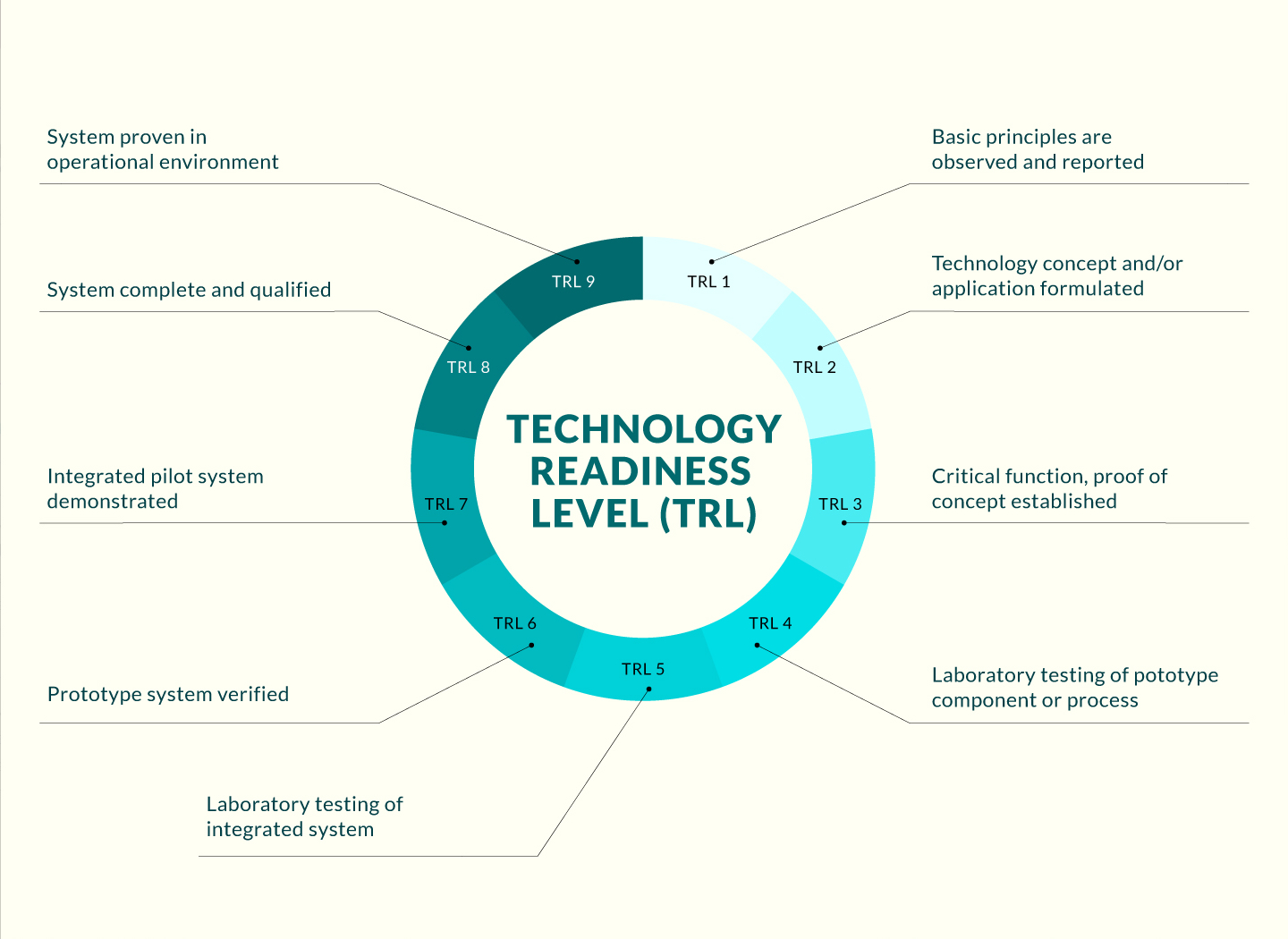
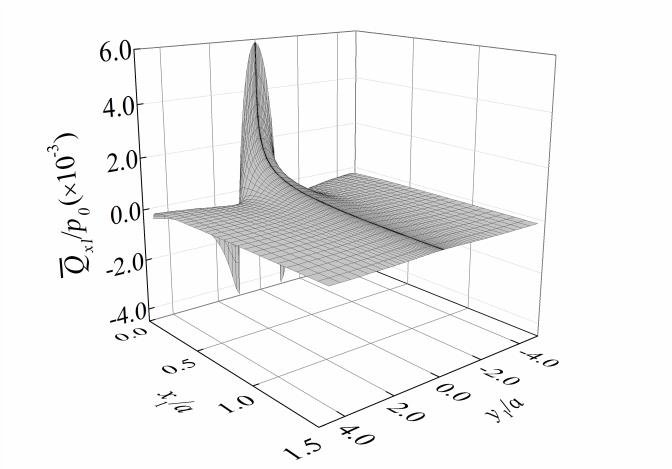
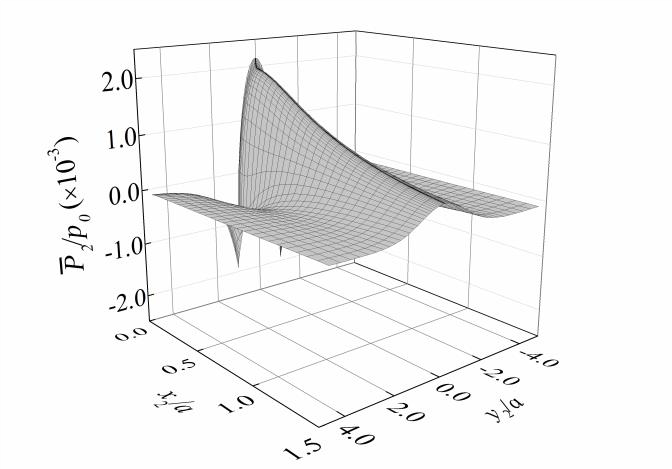
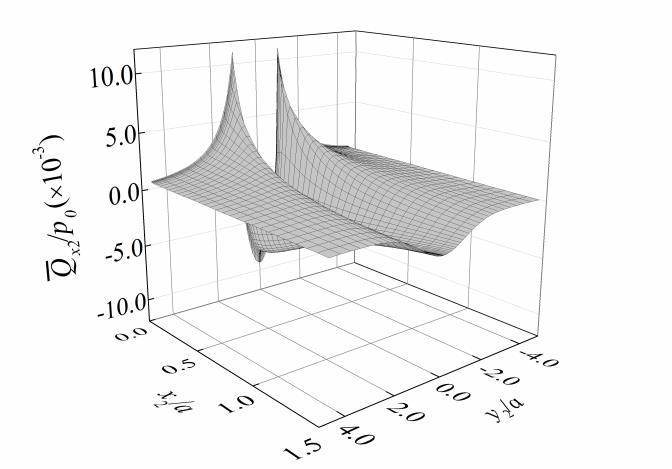
Researchers have developed a simple algorithm to derive the stress and strain on 3D objects under surface loads using classical analytical formulae alone. Conceptually, the algorithm is based on a simple 3D object, a wedge, which is constructed from two planar surfaces. Using the novel algorithm, a wedge under applied loads on its two planes is treated as equivalent to two separated half-spaces (idealized geometrical bodies) under equivalent loads. This allows the stress and strain on the wedge to be calculated using purely classical formulae, because problems involving idealized objects can be solved analytically. As a result, the algorithm improves upon the FEM by offering an exact rather than an approximate solution. It is ready to be marketed immediately.
Advantages
- Unlike the main existing method, the FEM, the novel algorithm offers an exact solution, not an approximation, as all calculations are conducted using classical formulae.
- Only the top and side surfaces are divided and considered in calculation, which significantly reduces the computational memory required compared with the FEM.
- The novel algorithm saves time compared with the FEM, because the stress or deformation of a wedge structure under different loadings can be calculated immediately.
- The new algorithm can be embedded into existing programs involving stress or deformation calculation iteration.
Applications
- Useful for solving contact-related engineering problems such as the analysis of rail–wheel contact, gear contact, and other contacts where the half-space assumption is not satisfied.
- Well suited to iterative calculation processes such as elastohydrodynamic lubrication analysis of roller bearings, wherein the contact deformation of rollers and raceways are calculated repeatedly until convergence.